Two weeks in Japan. It sounds like a dream, but staring at a map of this incredible country can quickly turn that dream into a planning headache. Do you focus on the neon buzz of Tokyo, the timeless temples of Kyoto, or try to cram it all in? After more trips than I can count, I've found a sweet spot—a balanced route that gives you the iconic highlights, some hidden moments, and crucially, doesn't leave you exhausted.
This isn't just a list of places. It's a framework built on logistics, pacing, and a bit of local insight. We'll cover the classic "Golden Route," then I'll show you how to tweak it based on your style. Let's get into it.
Your Journey at a Glance
- The Golden Route Blueprint
- Building Your Itinerary: A Framework, Not a Rulebook
- Tokyo (Days 1-5)
- Hakone (Day 6)
- Kyoto (Days 7-10)
- Osaka & Nara (Day 11-12)
- Hiroshima & Miyajima (Day 13-14)
- Expert-Level Adjustments
- The Nitty-Gritty: Transport, Accommodation, Food
- FAQ: Your Japan Trip Questions Answered
The Golden Route Blueprint
First, the classic two-week loop. It's popular for a reason: efficiency and variety. You fly into Tokyo and out of Osaka (or vice-versa), minimizing backtracking.
| Day | Location | Key Highlights | Overnight |
|---|---|---|---|
| 1-5 | Tokyo | Senso-ji, Shibuya Crossing, Tsukiji Outer Market, teamLab Planets, Shinjuku | Tokyo |
| 6 | Hakone | Onsen, Lake Ashi, views of Mt. Fuji, Open-Air Museum | Hakone |
| 7-10 | Kyoto | Fushimi Inari, Arashiyama, Kinkaku-ji, Gion district | Kyoto |
| 11-12 | Osaka & Nara | Dotonbori, Osaka Castle, Nara Park (Todai-ji Temple) | Osaka |
| 13-14 | Hiroshima & Miyajima | Peace Memorial Park, Itsukushima Shrine Torii Gate | Hiroshima/Osaka |
This gets you the major hits. But let's talk about the why behind the structure before diving into daily details.
Building Your Itinerary: A Framework, Not a Rulebook
The biggest mistake I see? Treating Japan like a checklist. You'll burn out. The secret is thematic days and strategic bases. Don't hotel-hop every night. In Tokyo, pick a district like Shinjuku or Shimbashi and stay put for 4-5 nights, using the flawless metro for day trips. Same for Kyoto.
Another non-negotiable: book major inter-city travel in advance. The Shinkansen (bullet train) is incredible, but popular seats sell out, especially during peak seasons. I learned this the hard way standing for two hours on a packed train to Kyoto.
Now, let's unpack each stop.
Tokyo (Days 1-5)
Five days sounds like a lot. It isn't. Tokyo is less a city and more a constellation of unique neighborhoods. Dedicate each day to one or two adjacent areas.
Day 1: Arrival & Asakusa
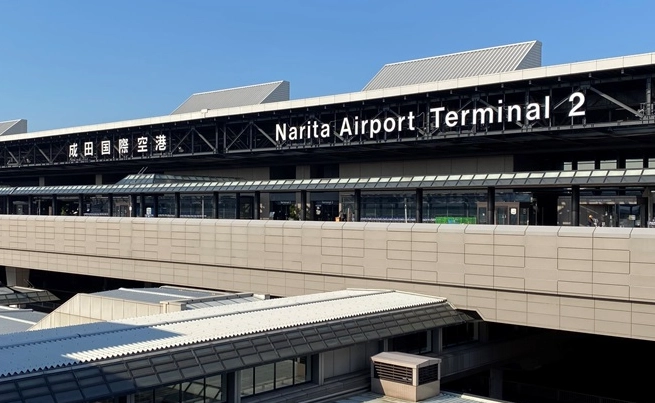
Land at Narita (NRT) or Haneda (HND). Get a Suica/Pasmo card at the airport station—it's your tap-and-go key to all trains and buses. Head to your hotel, fight the jet lag with a walk. Start slow in Asakusa. Visit Senso-ji Temple (free, open 6:00-17:00), wander Nakamise-dori for snacks. For dinner, find a tiny tempura bar under the railway tracks near Asakusa Station.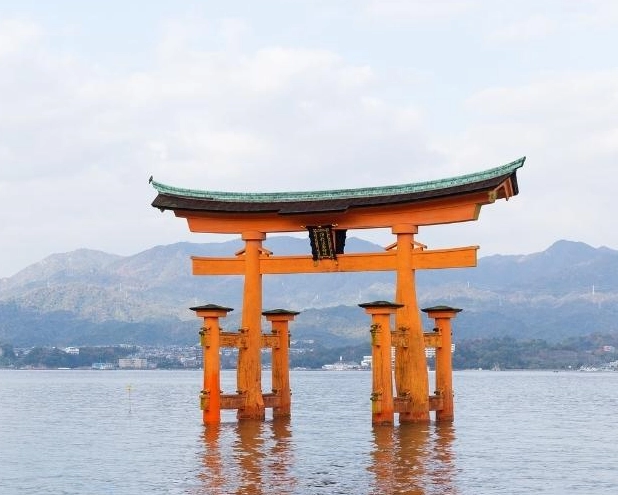
Day 2: Shibuya & Harajuku
Morning at the Shibuya Crossing. For the best (free) view, go to the second-floor Starbucks in the Tsutaya building. Then walk to Meiji Jingu shrine (free), a serene forest in the city. Afternoon in Takeshita Street, Harajuku (prepare for crowds). For a calmer alternative, explore the backstreets of Omotesando for designer shops and architecture.
Day 3: Tsukiji & Odaiba
Early start at Tsukiji Outer Market (opens around 6:00-7:00 AM). Don't go to the famous sushi breakfast queues—find a smaller stall for fresh uni (sea urchin) or tamagoyaki (egg omelet). Then, take the Yurikamome line to Odaiba for futuristic sights. Book tickets online for teamLab Planets (approx. ¥3,800, 9:00-21:00). It's a digital art immersion—wear shorts, you'll wade in water.
Day 4: Shinjuku
Explore Shinjuku Gyoen National Garden (¥500, 9:00-16:30). By night, experience the organized chaos of Kabukicho. For a breathtaking (and free) city view, skip the Tokyo Metropolitan Government Building's crowded observatory and go to the 45th-floor lobby of the Park Hyatt Tokyo—the "Lost in Translation" bar. You can just walk in for the view.
Day 5: Your Choice Day
Akihabara for electronics/anime, Ueno for museums (Tokyo National Museum is vast), or a day trip to Nikko (world heritage shrines) or Kamakura (the Great Buddha). This flexibility is key.
Hakone (Day 6)
A necessary breather. Take the Odakyu Romancecar from Shinjuku to Hakone-Yumoto (about 85 mins). Buy the Hakone Free Pass—it covers all local transport in a scenic loop: train, cable car, ropeway, pirate ship on Lake Ashi, and bus.
The goal: relax in an onsen (hot spring) and hope for a glimpse of Mt. Fuji. Stay in a ryokan (traditional inn) with kaiseki dinner. If the weather's bad (common), the Hakone Open-Air Museum (¥1,600) is a fantastic indoor/outdoor sculpture park.
Kyoto (Days 7-10)
From Hakone, take a train to Odawara, then the Shinkansen to Kyoto (about 2 hours total). Kyoto requires a different mindset. It's about temples, gardens, and atmosphere. Book temple lodgings early—they disappear.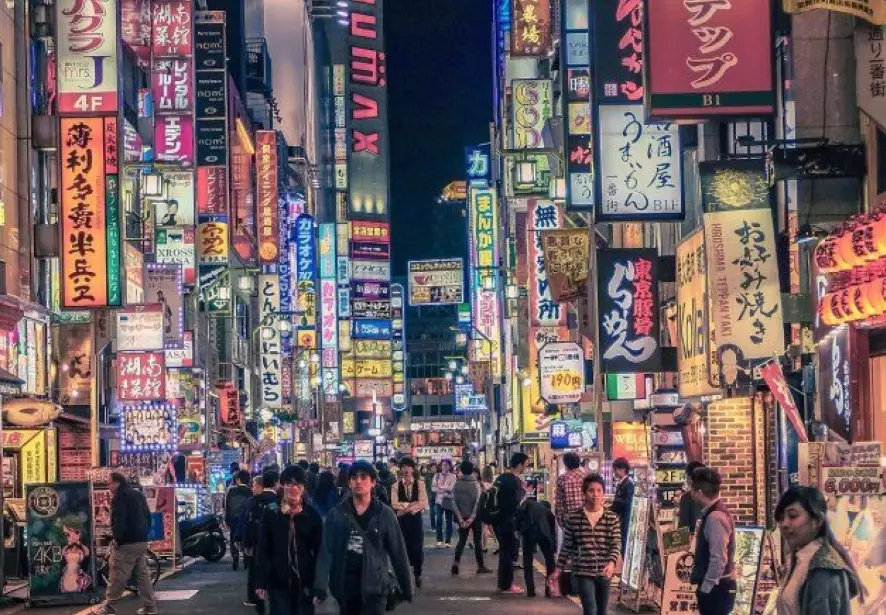
Temple Strategy
Go to the big-name temples right at opening or just before closing. Fushimi Inari (always open, free) is magical at 7:00 AM or after 5:00 PM when the tour groups vanish. Kinkaku-ji (Golden Pavilion, ¥400, 9:00-17:00) is stunning but a quick stop—it's just a view point.
Day 7: Southern Higashiyama
Walk the stone-paved path from Kiyomizu-dera (¥400) down through Sannenzaka and Ninenzaka to Yasaka Shrine. Explore Gion in the evening to spot geiko and maiko (be respectful, no flash photography).
Day 8: Arashiyama
Get to the Arashiyama Bamboo Grove by 8:00 AM. It's a short path, so continue to the Okochi Sanso Villa (¥1,000) for stunning gardens and views, which includes matcha tea. Visit Tenryu-ji Temple's garden afterward.
Day 9: Northern Kyoto & Philosopher's Path
See Kinkaku-ji early. Then take a bus to Ryoan-ji (¥500) for its enigmatic rock garden. In the afternoon, walk the Philosopher's Path, especially lovely during cherry blossom or autumn foliage.
Day 10: Your Kyoto Deep Dive
Visit the Fushimi Sake District for brewery tours (Kizakura Kappa Country is good). Or take a train to Uji (30 mins) for Byodo-in Temple (on the 10-yen coin) and the best matcha in Japan.
Osaka & Nara (Day 11-12)
It's a quick 30-minute train from Kyoto to Osaka. Drop bags at a hotel near Namba or Umeda. Osaka is about eating. Head straight to Dotonbori. Try takoyaki (octopus balls) from a stall, okonomiyaki (savory pancake) at Mizuno (1-4-15 Dotonbori, expect a queue), and kushikatsu (deep-fried skewers).
Next day, take the Kintetsu line to Nara (about 40 mins). Feed the semi-wild deer in Nara Park (deer crackers ¥200), but be firm—they can be pushy. The main event is Todai-ji Temple (¥600), housing a colossal bronze Buddha. It's awe-inspiring.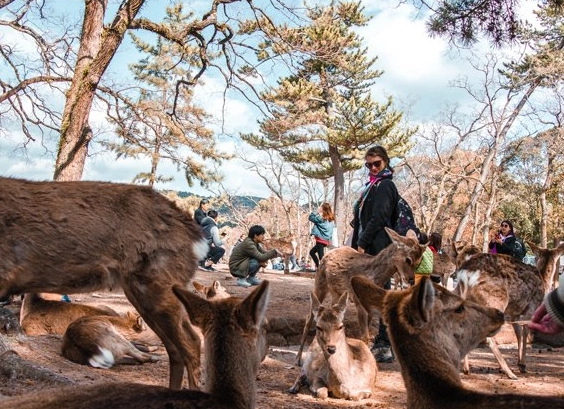
Hiroshima & Miyajima (Day 13-14)
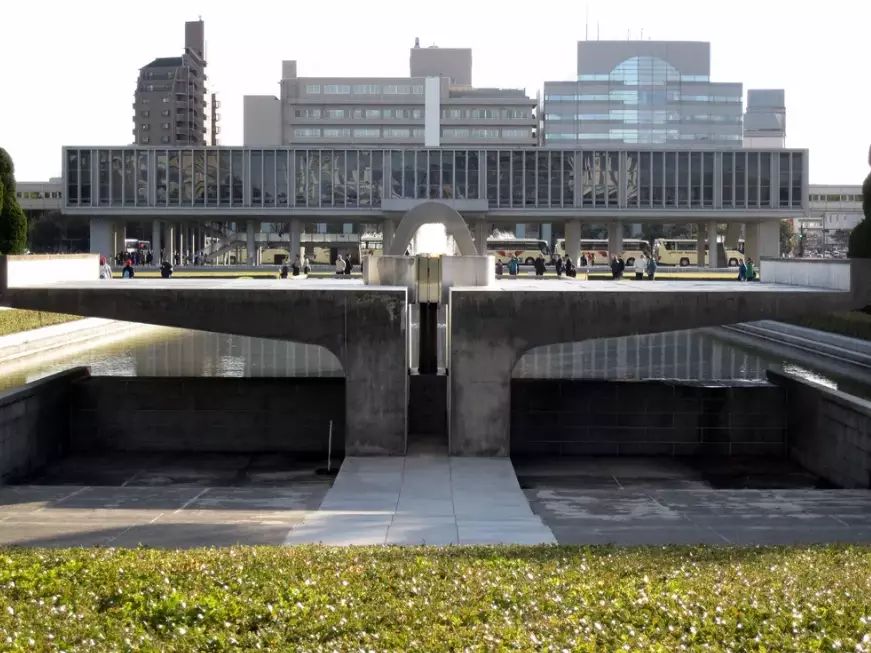
This is a long day trip from Osaka (Shinkansen: 1.5 hours) or an overnight. It's worth it. In Hiroshima, the Peace Memorial Park and Museum (Museum ¥200) is a profound, somber, and essential experience.
Then, take a local train and ferry to Miyajima Island. The iconic floating torii gate of Itsukushima Shrine is stunning at high tide. If you stay overnight, the island empties of day-trippers by late afternoon. Your last night can be back in Osaka for an early flight from Kansai Airport (KIX).
Expert-Level Adjustments
The classic route is great, but what if you hate crowds or love hiking?
For a Slower Pace/Crowd Avoidance: Cut Hiroshima/Miyajima. Add that extra day to Kyoto and another to Tokyo or Hakone. Depth over breadth.
For Nature Lovers: After Hakone, head to the Japanese Alps (Takayama & Kamikochi) instead of straight to Kyoto. You'll see traditional villages and epic mountain trails, then loop down to Kyoto. This requires more logistical planning but is unforgettable.
For Food Obsessives: Base yourself in Osaka for 3 nights instead of 2. Use it to do day trips to Kobe for steak and Himeji for Japan's most magnificent original castle (Himeji Castle, ¥1,000).
The Nitty-Gritty: Transport, Accommodation, Food
Is the JR Pass Worth It?
For this specific itinerary (Tokyo-Hakone-Kyoto-Osaka-Hiroshima-Osaka), yes, a 14-day JR Pass is likely worth it. Do the math on a calculator like the one on Japan Guide's website. The round trip from Tokyo to Hiroshima alone almost covers the 14-day pass cost (approx. ¥47,000). It also covers JR lines in cities and the Miyajima ferry. Buy the exchange order before you arrive in Japan.
Where to Stay: A Quick List
- Tokyo (Mid-Range): Hotel Gracery Shinjuku (Godzilla hotel!), Mitsui Garden chain.
- Tokyo (Budget): APA Hotel, MyStays chain.
- Kyoto (Splurge): A Ryokan in Gion like Gion Hatanaka for authentic geiko performances with dinner.
- Kyoto (Mid-Range): Hotel The Celestine Kyoto Gion, Hotel Resol Kyoto Kawaramachi.
- Osaka: Hotel Nikko Osaka (connected to Namba station), Cross Hotel Osaka near Dotonbori.
Can't-Miss Food Experiences
- Sushi: For a reasonable omakase, try Sushi Dai in Toyosu (the new Tsukiji) but be prepared for a multi-hour queue. Or, find a well-rated kaitenzushi (conveyor belt) like Sushiro.
- Ramen: Don't just wing it. Ichiran is a famous chain for tonkotsu, but for shoyu (soy) ramen, try Ramen Hayashida in Shinjuku (1-3-21 Shinjuku).
- Street Food: Taiyaki (fish-shaped cake), melon pan, fresh strawberry daifuku from a market.
Share Your Thoughts