You know the feeling. Watching a scene in an anime, and something clicks. That crosswalk looks familiar. That staircase, that mountain vista—it feels real. That's because it often is. For millions of fans, visiting these real-life Japanese anime places has become a modern pilgrimage, a way to touch the worlds we've loved on screen. It's not just about a photo. It's about the chill you get standing where your favorite character stood, seeing the sunset they saw.
Your Anime Pilgrimage Roadmap
What is Anime Pilgrimage Tourism?
In Japan, it's called anime seichi junrei (聖地巡礼) or "anime sacred site pilgrimage." It's a whole subculture. Towns that served as inspiration actively promote it, creating maps and holding events. The Japan National Tourism Organization (JNTO) even features anime spots. This isn't a niche hobby anymore; it's a recognized part of travel to Japan.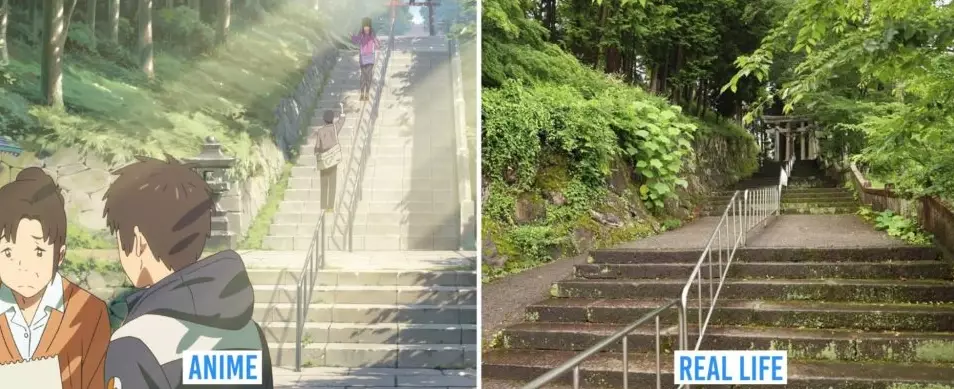
But here's the thing most blogs don't tell you: the connection isn't always a perfect one-to-one match. Sometimes it's a specific angle of a building. Sometimes it's the general vibe of a neighborhood. The joy is in the discovery, in seeing how the animators interpreted reality.
Planning Your Anime Location Trip: A Realistic Approach
Trying to hit every anime spot in Japan is a sure way to burn out. You'll spend more time on trains than experiencing places.
Start With Your Favorite Series
This seems obvious, but passion fuels the best trips. Is it the urban loneliness of Makoto Shinkai's films? The rural charm of Non Non Biyori? Pick one or two core series and build your itinerary around their locations. They're often clustered in one region.
Logistics Over Dreams
That tiny village from a slice-of-life anime might have one bus every three hours. Check access on Hyperdia or Google Maps before you get excited. I once spent 5 hours round-trip to visit a single, quiet hill from an anime. Beautiful? Yes. Efficient? Not at all.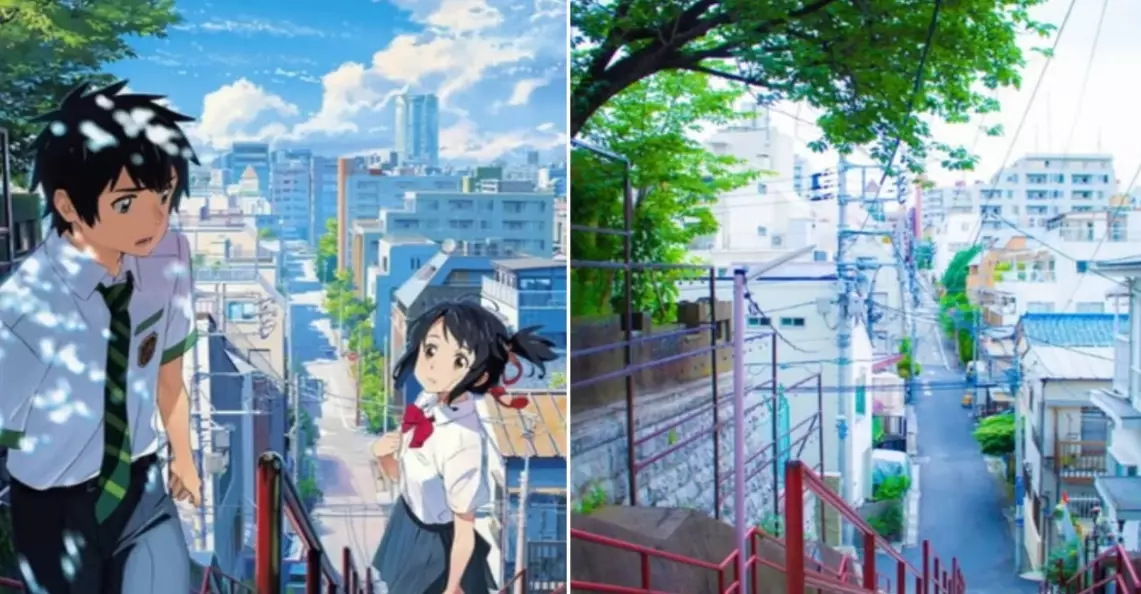
Top Real-Life Anime Destinations You Can Visit Today
Here are some of the most iconic and accessible real-life anime spots. This table gives you the hard facts to plan.
| Anime / Scene | Real-Life Location | Address & Access | Key Notes & Hours |
|---|---|---|---|
| Your Name. (Kimi no Na wa.) The iconic staircase reunion |
Suga Shrine Steps (Suga Jinja) | 5-6 Suga-chō, Shinjuku City, Tokyo. 5-min walk from Yotsuya-sanchōme Station. |
Always open. Go early morning (before 8 AM) to avoid crowds and get a clean shot. It's a residential area—be quiet. |
| Slam Dunk The coastal train crossing |
Kamakurakōkō-mae Station Crossing | 1-chōme-1 Koshigoe, Kamakura, Kanagawa. Enoshima Electric Railway, 10 mins from Kamakura Station. |
Always open. Extremely busy. Wait your turn, do NOT stand on the tracks. The beach and Mt. Fuji view are the real rewards. |
| Spirited Away Inspiration for the spirit world bathhouse |
Dōgo Onsen Honkan (Main Building) | 5-6 Dōgo-yunomachi, Matsuyama, Ehime, Shikoku. Tram from Matsuyama Station to Dōgo Onsen stop. |
Bathhouse open 6:00-23:00. You can tour the historic building (approx. 400 yen) even if you don't bathe. The whole town has the film's atmosphere. |
| My Neighbor Totoro Rural landscape inspiration |
Sayama Hills (Totoro's Forest) | Saitama Prefecture, near Tokorozawa City. Access via Seibu Ikebukuro Line to Kōnō Station, then bus/walk. |
Managed by the Totoro no Furusato Foundation. Parts are open for guided walks (reservation recommended). It's a preserved natural area, not a park. |
| Demon Slayer: Kimetsu no Yaiba Asakusa district setting |
Asakusa (Senso-ji Temple, Nakamise-dori) | 2-chōme-3-1 Asakusa, Taito City, Tokyo. Direct via Tokyo Metro Ginza Line to Asakusa Station. |
Temple grounds always open, main hall 6:00-17:00. Visit at night for fewer crowds and a vibe closer to the anime's atmospheric scenes. |
Deep Dive: A Personal Favorite – The Showa Era in Kumamoto
While everyone chases Shinkai films, one of my most memorable trips was to Kumamoto for Hyouka and Miss Kobayashi's Dragon Maid. But the real gem was finding locations for Showa Genroku Rakugo Shinju. The anime captures a fading, nostalgic Japan. Wandering the Shimotori shopping arcade—a covered street from the 1950s—felt like stepping into a celluloid memory. It wasn't about one specific shot; it was the entire texture of the place. The anime gave me new eyes to see it.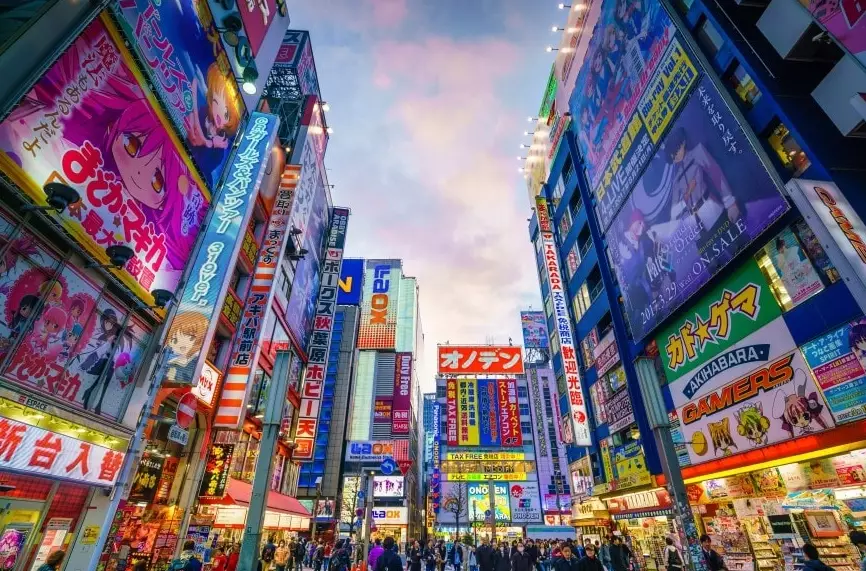
That's the secret. The best real-life anime spots teach you to see a city or town through a different, more detailed lens.
Going Beyond the Spot: How to Deepen Your Experience
Snapping a photo and leaving is level one. Here's how to get to level two.
Eat the Food
If the characters ate at a specific restaurant or food stall, try it. In Ikebukuro, you can eat at the real-life "Russia Sushi" that inspired a restaurant in Durarara!!. It's a small, tangible connection. In Washimiya City (the setting for Lucky Star), the local convenience store sells character-themed omamori (charms).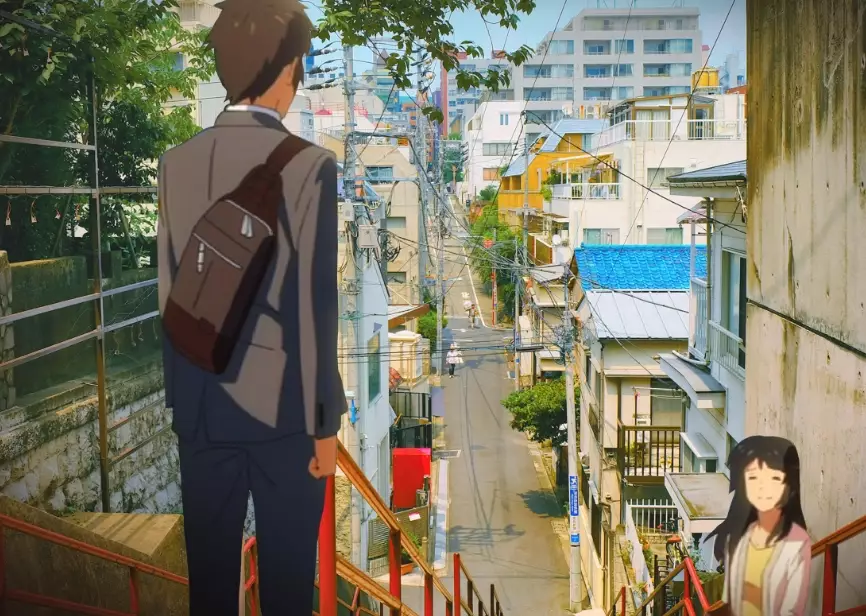
Talk to the Locals (If Appropriate)
In smaller towns, shop owners might have location maps or stamps for your pilgrimage booklet (goshuin-chō). A simple "Anime no satsumei-chi desu ka?" (Is this an anime location?) can open up conversations. Be polite and buy something small if you're taking up their time.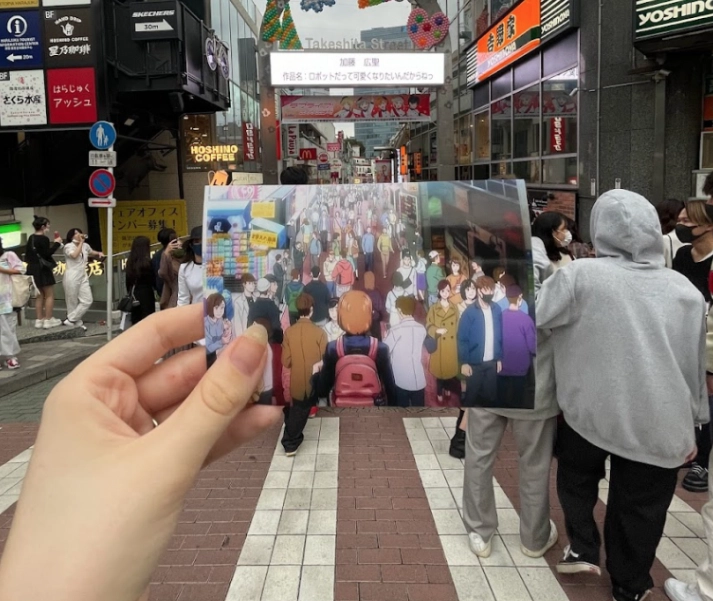
Embrace the Imperfect Match
Sometimes buildings are altered, or the best viewpoint is now blocked. The train crossing from The Garden of Words in Shinjuku Gyoen is not perfectly accessible. That's okay. Use it as a chance to explore the park itself, which is stunning. The pilgrimage is the journey, not just the destination screenshot.
Your Anime Trip Questions Answered
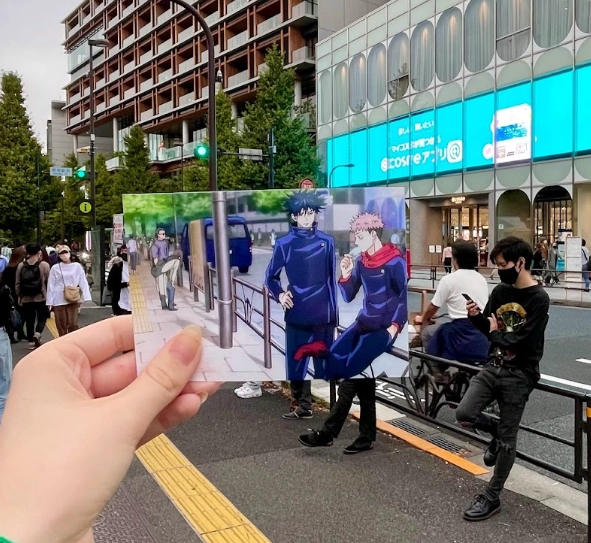
Visiting these places bridges a gap. It turns a distant, fictional world into a tangible part of our own. It makes the geography of Japan feel layered with stories. Do your research, plan smart, respect the places and people, and you'll come home with more than photos—you'll have a genuine piece of the story.
Your own pilgrimage is waiting.

Share Your Thoughts