You've seen the pictures. Perfect cherry blossoms, serene temples, bustling neon cities. Japan sells a dream, and it's a good one. But here's the thing nobody in the glossy brochures wants to admit: there are some truly terrible times to go. Times where the dream turns into a crowded, sweaty, expensive, or downright soggy nightmare. Figuring out the worst time to visit Japan isn't about being negative—it's about being smart with your precious vacation days and money.
I learned this the hard way. My first trip was in late June, lured by "shoulder season" prices. What I got was a wall of humidity so thick you could drink it, daily downpours that ruined my hiking plans in Nikko, and a constant battle with mold in my poorly ventilated budget hotel room. It wasn't the Japan I'd imagined. Since then, I've been back during almost every season, and let me tell you, the difference is staggering.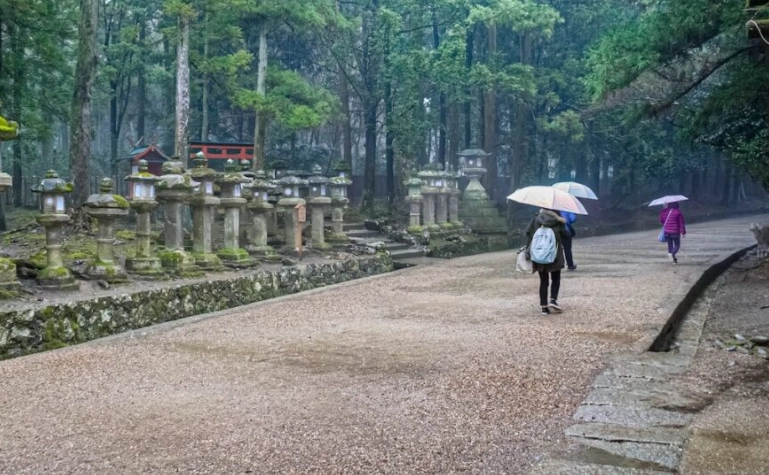
So, let's cut through the hype. The "worst" time isn't one single month for everyone. It depends on what you hate most: awful weather, insane crowds, wallet-draining prices, or a fun combo platter of all three. This guide will walk you through the major contenders for the title of worst time to visit Japan, so you can make an informed choice—or better yet, avoid them altogether.
Quick Navigation
The Weather Woes: When Nature Makes Travel a Chore
Japan's climate isn't always postcard-perfect. Two specific weather phenomena are the top contenders for ruining a trip if you're not prepared for them.
The Dreaded Rainy Season (Tsuyu - 梅雨)
Forget gentle spring showers. The Japanese rainy season, or Tsuyu, is a proper atmospheric event. It typically blankets most of the country (except Hokkaido) from early June to mid-July.
What's it really like? It's not rain 24/7, but the threat is constant. You might get days of steady, monotonous drizzle. Or you might get sudden, torrential downpours that flood streets in minutes. The sky is often a flat, oppressive gray. The worst part, for me, isn't even the rain—it's the humidity. It sits at 80-90%, making everything feel damp and sticky. Your clothes won't dry. Your camera lens fogs up. It's just… uncomfortable.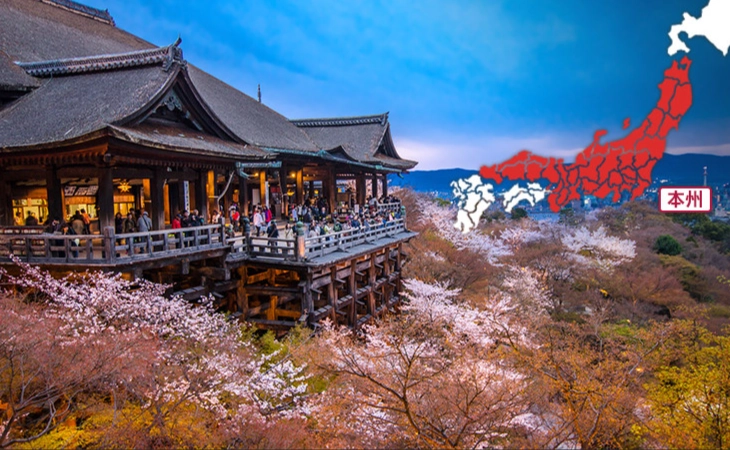
Is there an upside? Yes, actually. The hydrangeas (ajisai) are stunning. Crowds are slightly thinner than in spring or fall. And if you're a foodie, it's the season for delicious unagi (eel) eaten for stamina. But you have to really want those things to endure the damp.
Typhoon Season (Late Summer - Early Fall)
Rainy season's bigger, angrier cousin. Typhoons are tropical cyclones that frequently hit Japan from August through October, peaking in August and September. The official monitoring by the Japan Meteorological Agency is excellent, so you'll have warning, but that doesn't mitigate the disruption.
A direct hit means everything shuts down. Flights are canceled for days. Trains, including the famous Shinkansen, stop running. It's not just an inconvenience; it's a full-stop lockdown for safety. Even if a typhoon just grazes the coast, you'll get intense wind and heavy rain that can wipe out a full day or two of sightseeing.
I was in Osaka once during a near-miss typhoon. The city was a ghost town by 4 PM, shops boarded up, and the constant howl of wind made it impossible to sleep. My flight out two days later was chaos due to the backlog. It's stressful.
The Peak Summer Furnace (July - August)
Once the rainy season ends, the lid comes off the pot. July and August in cities like Tokyo, Kyoto, and Osaka are brutally hot and humid. We're talking temperatures consistently above 30°C (86°F) with humidity often making it feel like 35-40°C (95-104°F).
Walking between temples in Kyoto becomes an endurance test. The famous scramble at Shibuya Crossing feels like a sauna. You'll be seeking air conditioning every 20 minutes, which gets expensive if you're constantly ducking into cafes just to cool down. This is, without a doubt, a worst time to visit Japan for anyone sensitive to heat or planning lots of outdoor activity.
Yet, this is also festival season! So there's a trade-off.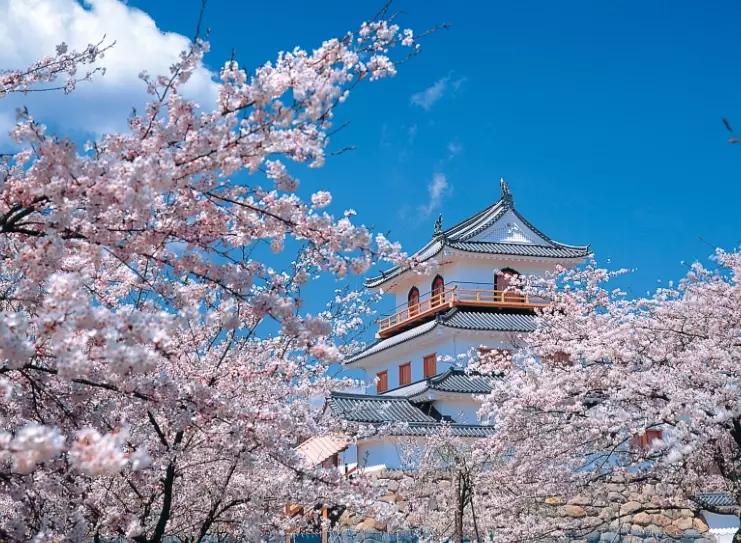
The Crowd and Cost Catastrophe: When Everyone Else Has the Same Idea
Bad weather is one thing. But sometimes, the worst time to visit Japan is when it's perfectly lovely outside… because you'll be sharing every square inch of that loveliness with ten thousand other tourists.
Golden Week (Late April - Early May)
This is the big one. A cluster of four national holidays creates a week-long (often stretching to 10 days) super-holiday where the entire country travels. It's absolute madness.
- Transportation: Shinkansen seats sell out months in advance. Highway buses are packed. Domestic flights triple in price. It's like trying to move during the apocalypse.
- Accommodation: Hotels hike prices to peak rates. Many budget options are fully booked a year ahead by savvy Japanese travelers.
- Sightseeing: Imagine the Mona Lisa room at the Louvre. Now apply that density of people to Fushimi Inari Shrine's torii gates or the observation deck of Tokyo Skytree. It's not sightseeing; it's shuffling in a human queue.
Unless you have a deep desire to experience Japanese crowd logistics firsthand, Golden Week is a top-tier worst time to visit Japan. The stress outweighs any benefit.
Cherry Blossom Season (Late March - Early April)
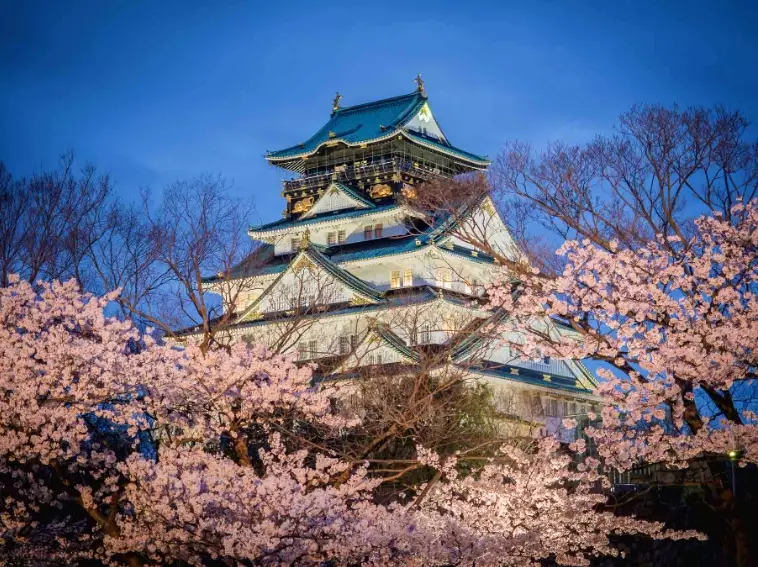
I can hear the gasps. How can the most famous season be the worst? Hear me out. It's magical, truly. But it's also the most crowded and expensive time of the entire year, bar none. The hype creates a perfect storm.
The bloom is fickle, lasting only about a week per location. Everyone—foreign tourists and Japanese alike—converges on the same famous parks (Ueno, Shinjuku Gyoen, Philosopher's Path) at the exact same time. Getting a photo without a stranger's elbow in it is a professional sport. Hotel prices are at their annual maximum. Restaurants in hanami (flower viewing) areas are overrun.
Year-End / New Year (Dec 29 - Jan 4)
Similar to Golden Week, this is a major domestic travel period. Many businesses, museums, and restaurants close for several days (especially Jan 1-3). Transportation is packed as people return to their hometowns. It's a fascinating cultural period to observe, but as a tourist trying to see and do things, it can be incredibly frustrating. Key attractions are either closed or mobbed.
Breaking It Down: A Season-by-Season Verdict
Let's put it all together. This table compares the major travel windows and their biggest drawbacks, helping you identify what your personal worst time to visit Japan might be.
| Season / Period | Typical Months | Main Drawbacks | Who Might Dislike It Most |
|---|---|---|---|
| Rainy Season (Tsuyu) | Early June - Mid-July | Heavy rain, high humidity, gray skies, mold, outdoor plans disrupted. | Hikers, photographers, those wanting sunny skies. |
| Peak Summer Heat | July - August | Extreme heat & humidity, risk of heatstroke, reliance on AC. | Heat-sensitive travelers, families with young kids, active sightseers. |
| Typhoon Season | August - October | Risk of major travel disruption (flights/trains canceled), intense storms. | Travelers with tight schedules, those prone to anxiety about plans changing. |
| Cherry Blossom | Late March - Early April | Extreme crowds, highest prices of the year, competitive booking. | Budget travelers, crowd-haters, spontaneous travelers. |
| Golden Week | Late April / Early May | Extreme domestic travel crowds, booked-out transport, high prices. | Basically everyone except those visiting family in Japan. |
| Year-End / New Year | Dec 29 - Jan 4 | Many closures, crowded transport, limited sightseeing options. | First-time tourists wanting to "see it all." |
The Silver Linings and How to Cope
Maybe your dates are locked in for one of these tricky periods. Don't panic. Here’s how to mitigate the worst time to visit Japan, turning a potential disaster into a manageable—or even enjoyable—trip.
- Embrace indoor attractions: Focus on world-class museums (Tokyo National Museum, teamLab Planets), department store food halls, aquariums (Osaka's Kaiyukan is fantastic), and samurai/ninja museums.
- Head north to Hokkaido: It largely escapes the rainy season. Sapporo, Otaru, and the lavender fields of Furano (in July) are wonderful alternatives.
- Invest in serious gear: A compact, sturdy umbrella (or buy a clear plastic one there), waterproof shoes, and quick-dry clothing are non-negotiable. Pack silica gel packets for your bag.
- Book everything absurdly early: We're talking 6-11 months for hotels and key train tickets. Seriously.
- Seek out lesser-known spots: Instead of Kyoto's Arashiyama, try the bamboo grove in Kitayama. Skip the crowded Meguro River for cherry blossoms along the less-frequented Kanda River. The Japan National Tourism Organization website has great ideas for off-the-beaten-path locations.
- Adjust your daily rhythm: Get to major sights right at opening time (or even before), take a long lunch break when crowds peak, and visit popular places later in the afternoon.
And for the summer heat? Light, breathable linen clothing, a portable fan, a towel to wipe your brow (like the locals do), and a strategy that pairs outdoor morning activities with indoor, air-conditioned afternoons.
So, When Should You Actually Go?
If the worst time to visit Japan is about avoiding key pitfalls, the best times are about finding sweet spots. My personal favorites are:
- Late October - November: After the typhoon risk drops and before it gets too cold. The autumn colors (koyo) are spectacular, rivaling cherry blossoms but with slightly less insane crowds (except at the very top spots). The weather is crisp and perfect for walking.
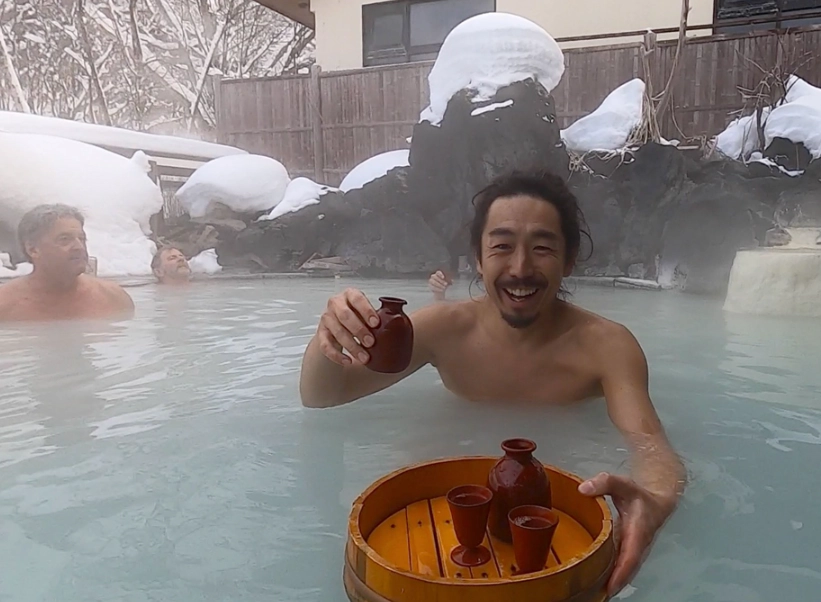
- February: Cold, yes. But it's sunny, crowds are low, and you have amazing winter festivals like the Sapporo Snow Festival. Skiing in Hokkaido or Nagano is world-class. Onsen feel especially good in the cold air.
- Late May - Early June: The narrow window after Golden Week and before the rainy season kicks in. Weather is warm and pleasant, gardens are lush, and it's relatively quiet.
- September - Early October: A gamble with typhoons, but if you hit a clear week, it's lovely. The summer heat breaks, crowds are thin, and the countryside is green and vibrant.
Your Questions, Answered (The Stuff You're Really Wondering)
Is December a bad time to go?
What about the "shoulder seasons" you mentioned?
I can only travel in summer with my kids. Is it a complete disaster?
Are there any reliable websites for real-time crowd and weather info?
Ultimately, labeling a single period as the unequivocal worst time to visit Japan is a bit reductive. It's deeply personal. For the budget-conscious crowd-hater, cherry blossom season is a nightmare. For the hiker who dreams of clear mountain vistas, the rainy season is profoundly disappointing. For the family with fixed school holidays, navigating the summer heat becomes the primary challenge.
The goal here isn't to scare you away from Japan. It's the opposite. By knowing the potential downsides of each season—the legitimately challenging periods that can define a worst time to visit Japan for you—you can either avoid them or arm yourself with the right strategies and expectations. That's how you turn a potentially disappointing trip into an unforgettable one, no matter when your flight lands.
Share Your Thoughts