Your Quick Guide
Let's be real. Planning a two-week trip to Japan can feel overwhelming. You've got Tokyo's neon buzz, Kyoto's serene temples, Osaka's food paradise, and about a million other things you feel like you "have" to see. How do you fit it all into one coherent Japan 14-day itinerary without collapsing from exhaustion?
I've been there. My first trip was a mess of poorly timed shinkansen rides and backtracking. But after multiple visits and a lot of trial and error (mostly error), I've pieced together what I genuinely believe is the best possible route for a first-time visitor wanting the classic highlights with a few special surprises. This isn't just a list of places; it's a tested flow that considers travel time, energy levels, and that magical feeling of discovery.
Why This Specific 14-Day Japan Itinerary Works
Most sample itineraries online just throw cities at you. They don't think about the practical stuff. Like, did you know changing hotels every two nights is a massive time-suck? Or that some attractions are closed on specific weekdays? This plan is built around efficiency and experience.
We start in Tokyo because it's the main international gateway. You'll be jet-lagged, so the first few days are in one city. The route then moves logically west using the shinkansen, minimizing backtracking. We save the more contemplative, historical sites for the middle of the trip when you're (hopefully) over the worst of the jet lag. And we end in a place that's simply unforgettable.
It's a loop that makes geographical sense. Trust me, your future self will thank you for not zigzagging across Honshu.
Your Day-by-Day Japan 14-Day Itinerary Breakdown
Here's the core of it. Think of this as a framework, not a prison. Feel free to swap days or drop an activity if you're tired. The goal is to enjoy yourself, not tick every box.
Part 1: Tokyo & Fuji (Days 1-5)
Days 1-3: Tokyo Modern & Traditional
You've landed at Narita or Haneda. Day one is a write-off. Don't plan anything ambitious. Check into your hotel (I recommend Shinjuku or Shimbashi for good transport links), take a walk, find some ramen, and fight the urge to sleep at 4 PM.
Day two, hit the ground running. Start early at the Senso-ji Temple area (if you're staying in Tokyo, this is a must). Then dive into the future in Shibuya. See the scramble crossing, but for a better view, head to the Mag's Park Rooftop (it's cheap and less crowded than the Starbucks). Harajuku is next door for Takeshita Street's craziness and the beautiful Yoyogi Park/Meiji Shrine right next to it. It's a perfect contrast.
Day three, go east. Asakusa for the Kaminarimon Gate and Nakamise-dori street in the morning. Then, the Tokyo Skytree or the Tokyo Metropolitan Government Building in Shinjuku (which is free, by the way) for panoramic views. In the evening, experience the organized chaos of a sushi-go-round in Shinjuku or Ginza.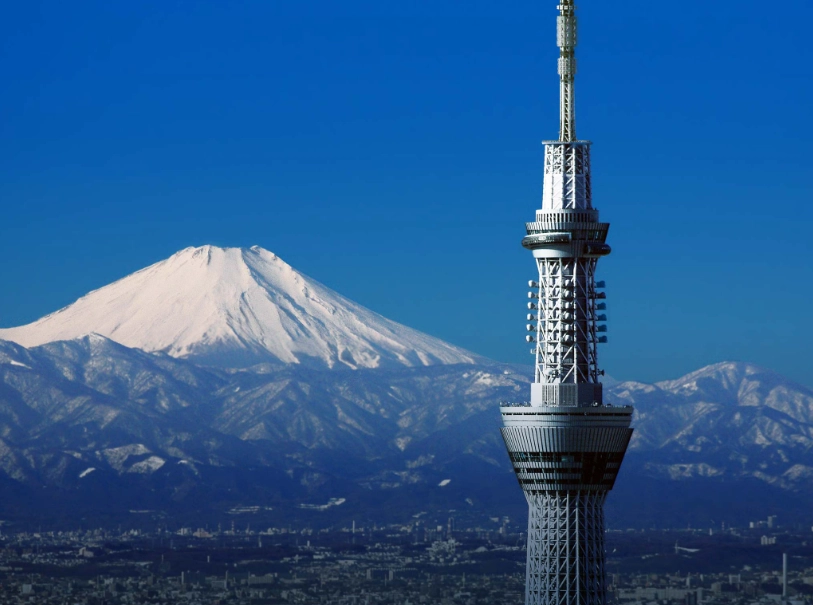
The energy in Tokyo is contagious.
Days 4-5: Mount Fuji & Hakone
Time for a change of scenery. On the morning of Day 4, take the Odakyu Romancecar from Shinjuku Station to Hakone. This is your classic Fuji viewing and onsen (hot spring) town. The Hakone Free Pass is a fantastic deal here, covering most transport in the area, including the pirate ships on Lake Ashi and the Hakone Ropeway.
The classic loop is: train to Hakone-Yumoto, switch to the mountain train, then cable car, then ropeway over the steaming Owakudani Valley (try the black eggs!), then boat across the lake, and bus back. If the weather is clear, the views of Mount Fuji from the lake or ropeway are postcard-perfect.
Stay in a ryokan (traditional inn) with a kaiseki dinner and breakfast. It's a splurge, but for one night on a 14-day Japan itinerary, it's a cultural immersion you won't forget. Soak in the onsen, wear the yukata, and relax. On Day 5, do a short morning hike or visit the Hakone Open-Air Museum before heading to Kyoto in the afternoon.
Part 2: Kyoto, Nara & Osaka (Days 6-11)
Days 6-8: Kyoto's Temples & Geisha Districts
Kyoto is slower, more elegant. Ditch the subway map; here you'll use buses and your feet a lot. Get a Kyoto City Bus Day Pass if you're hopping around a lot.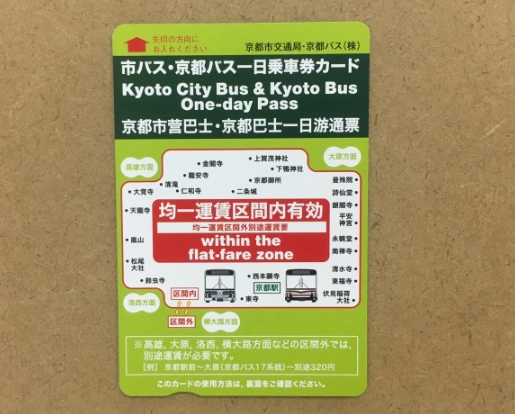
Day 6, arrive and get oriented. Stay in Gion or Southern Higashiyama. In the late afternoon, wander the preserved streets of Higashiyama, up to Kiyomizu-dera. The temple might be closed, but the approach is magical as shops close and the light fades.
Day 7 is your big temple day. Start at the Fushimi Inari Shrine early. I mean, 7:30 AM early. You'll have the iconic torii gates mostly to yourself. By 9 AM, it's a parade. Then head to Arashiyama for the bamboo grove (again, go early) and the lovely Tenryu-ji temple garden.
Day 8, explore Northern Kyoto. Kinkaku-ji (the Golden Pavilion) is stunning but always packed. Ryoan-ji with its famous rock garden offers a more Zen experience. In the evening, try to spot a geiko or maiko (the local terms for geisha) in Gion, but remember to be respectful and not shove a camera in their face.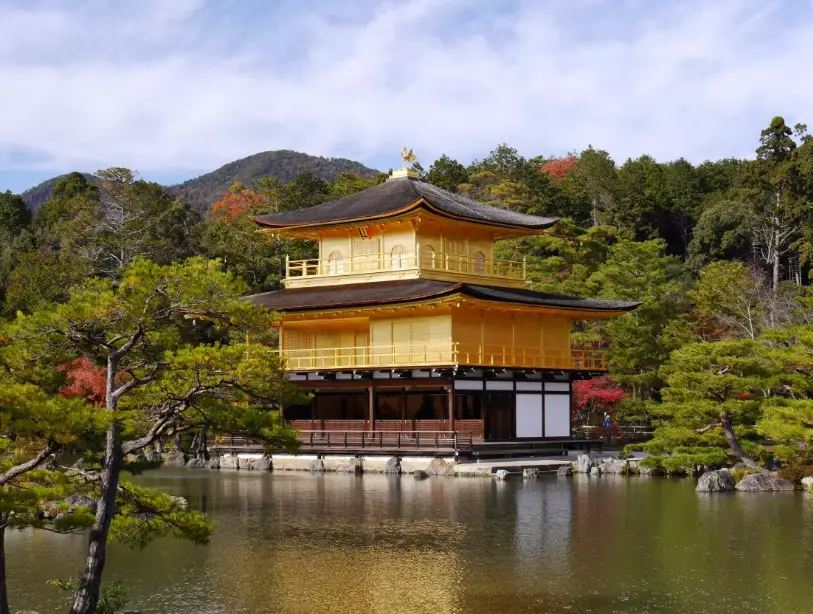
Kyoto requires patience. The crowds can be intense.
Day 9: Day Trip to Nara
A short train ride from Kyoto, Nara is where Japan's first permanent capital was. It's famous for Todai-ji Temple, housing a gigantic Buddha statue, and the hundreds of freely roaming, slightly pushy deer in Nara Park. Buy some deer crackers (shika senbei) if you dare. It's a relaxed, green contrast to Kyoto's more curated beauty. You can easily do this in half a day.
Days 10-11: Osaka's Kitchen
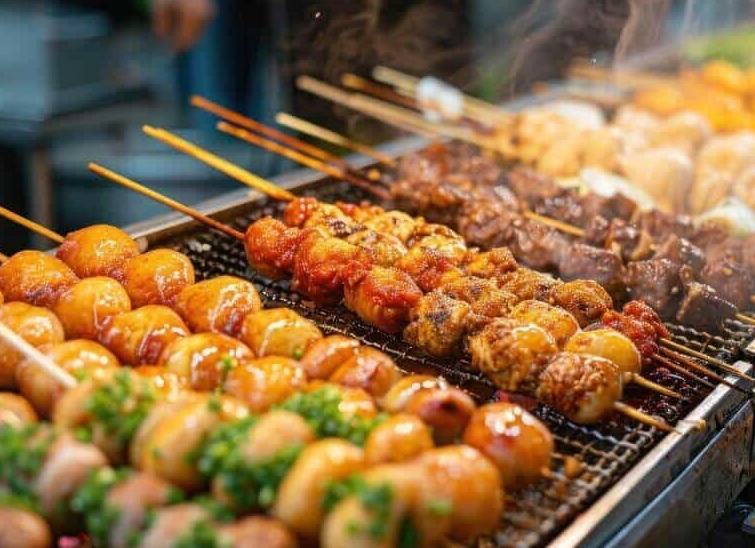
Just 30 minutes from Kyoto, Osaka is a different beast. It's brasher, friendlier, and all about food. Dotonbori at night is a sensory overload of giant neon signs (the Glico Running Man, the moving crab) and incredible street food: takoyaki (octopus balls), okonomiyaki (savory pancakes), and kushikatsu (deep-fried skewers).
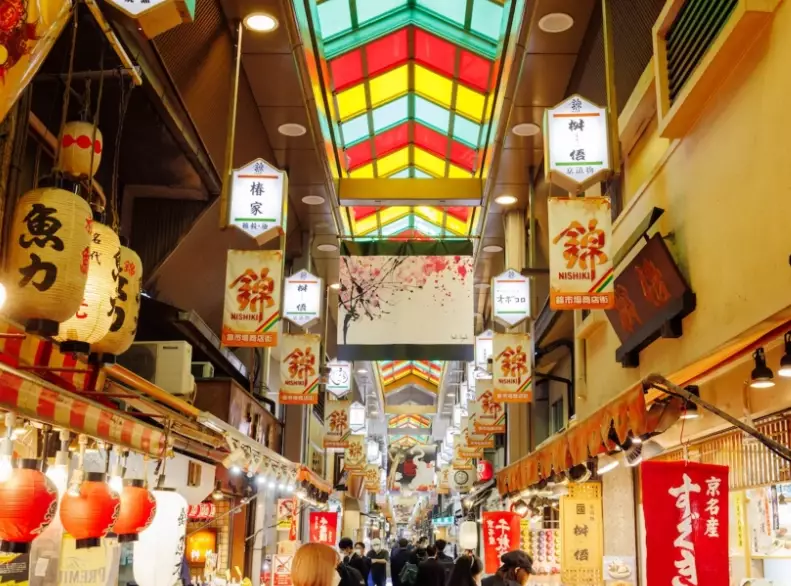
Spend a day at Osaka Castle (it's a reconstruction, but the museum inside is good) and the Umeda Sky Building for another great view. The next day, consider Universal Studios Japan if you're into that, or just eat your way through Shinsekai and Kuromon Ichiba Market.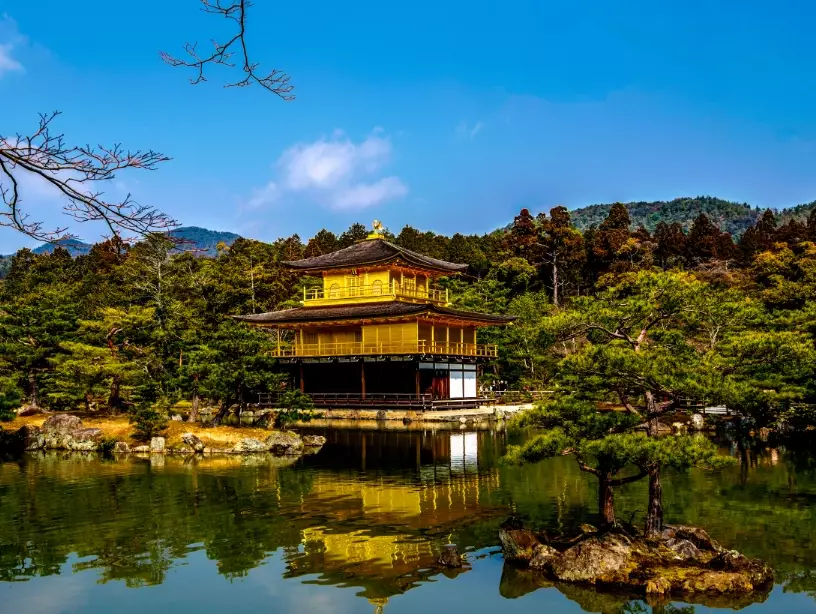
Part 3: Hiroshima & The Journey Back (Days 12-14)
Days 12-13: Hiroshima & Miyajima
This is the emotional heart of the trip. Take the shinkansen from Osaka to Hiroshima (about 1.5 hours). The Peace Memorial Park and Museum is a sobering, essential visit. It's not easy, but it's important. The A-Bomb Dome stands as a stark reminder.
Then, switch gears completely. A short train and ferry ride takes you to Miyajima Island. Itsukushima Shrine's "floating" torii gate is one of Japan's three most famous views. Stay overnight on the island if you can. The day-trippers leave by 5 PM, and you get the magical, quiet island and its tame deer almost to yourself. The sunrise or sunset view of the gate is worth the stay.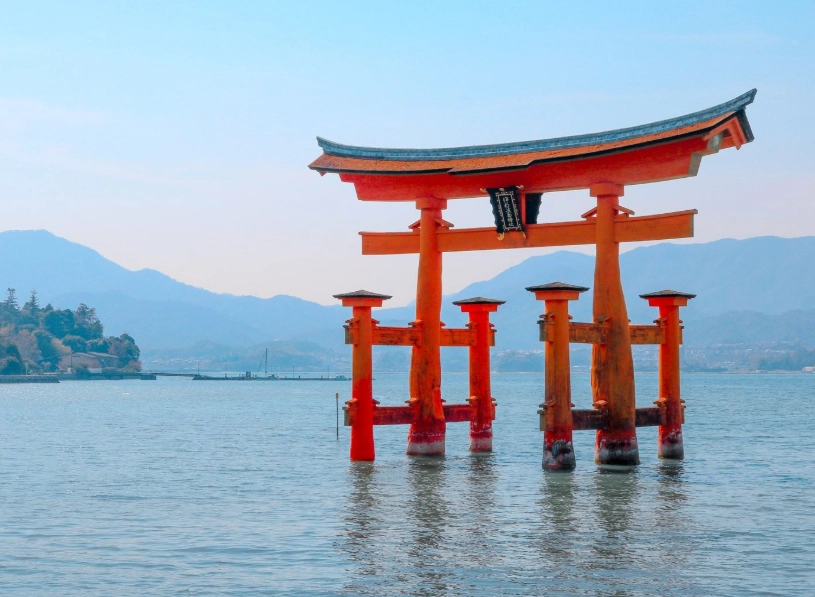
Day 14: Return to Tokyo & Departure
On your final day, take the shinkansen from Hiroshima back to Tokyo. It's a long ride (about 4 hours), so book an afternoon train if your flight is late, or a morning train if you have time for some last-minute shopping in Tokyo (maybe in Ginza or the airport itself) before your evening flight home.
Essential Practical Info for Your Japan Trip Planning
Alright, the itinerary is one thing. Making it happen is another. Here are the nuts and bolts.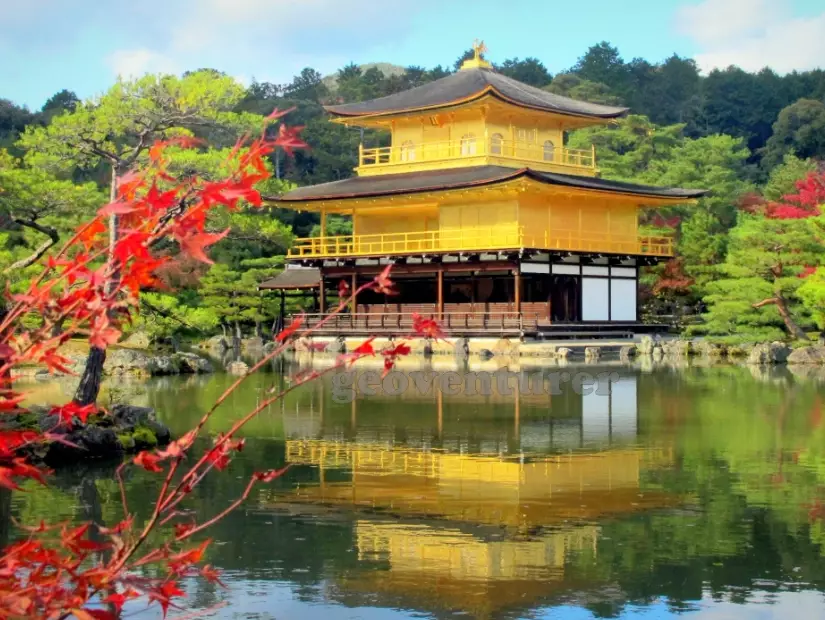
Budget Breakdown: What Does a 14-Day Japan Trip Cost?
Japan has a reputation for being expensive, but it's more "value for money" now. You can tailor it to your style. Here's a rough estimate per person (in USD, mid-range travel):
| Category | Budget Style | Mid-Range Style | Luxury Style |
|---|---|---|---|
| Accommodation (per night) | $60 - $90 (Business Hotel/Capsule) | $100 - $200 (3-4 Star Hotel) | $300+ (5 Star/Ryokan) |
| Food (per day) | $30 - $40 (Convenience stores, ramen, fast food) | $50 - $80 (Mix of casual sit-down & some nice meals) | $100+ (Fine dining, kaiseki) |
| Local Transport (Trains, buses, metro) | $15 - $25 per day | $20 - $35 per day | $40+ per day (with more taxis) |
| Intercity Transport (Shinkansen, etc.) | This is the big variable. A 7-Day JR Pass is ~$335. Our itinerary may or may not justify it. You MUST calculate! | ||
| Attractions & Souvenirs | $15 - $20 per day | $25 - $40 per day | $50+ per day |
So, for a comfortable mid-range experience, excluding flights, aim for $2,800 - $4,000 per person for the 14 days. Flights can add another $1,000-$1,500 from the US or Europe.
The Great Japan Rail Pass Debate
For this specific Japan 14-day itinerary, does the 7-day or 14-day JR Pass pay off? Let's break it down quickly.
- Tokyo to Hakone: Not covered by the nationwide JR Pass (you use Odakyu line).
- Hakone to Hakone: Covered by the Hakone Free Pass, not JR.
- Hakone to Kyoto: Partially covered (Odawara to Kyoto via shinkansen is JR).
- Kyoto to Nara: Not covered (you use Kintetsu line, faster and cheaper).
- Kyoto to Osaka: Covered if you take the JR train.
- Osaka to Hiroshima: Covered (shinkansen).
- Hiroshima to Miyajima: Partially covered (JR ferry is included).
- Hiroshima to Tokyo: Covered (shinkansen).
Best Time to Go & What to Pack
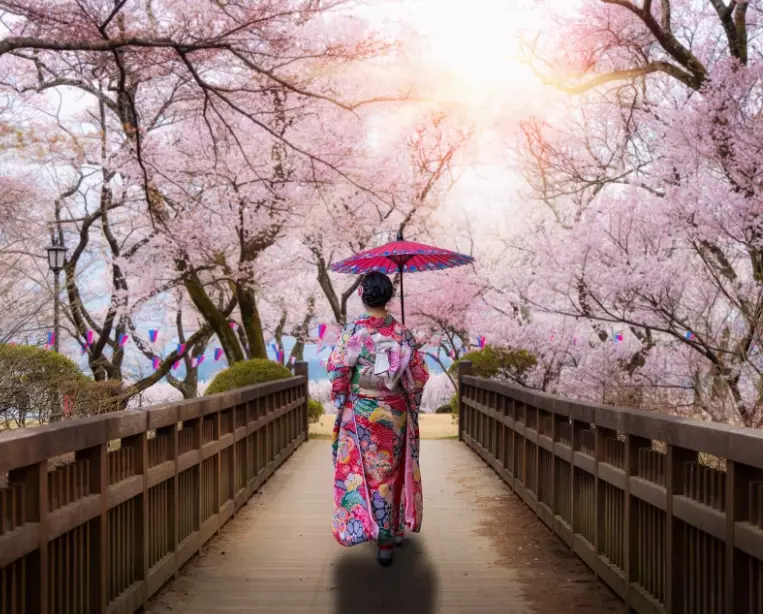
Shoulder seasons are king: March to May for cherry blossoms (but huge crowds and prices) and October to November for fall colors. June is rainy, July-August are hot/humid (avoid if you can), December-February are cold but magical (especially in Tokyo and Kyoto with fewer crowds).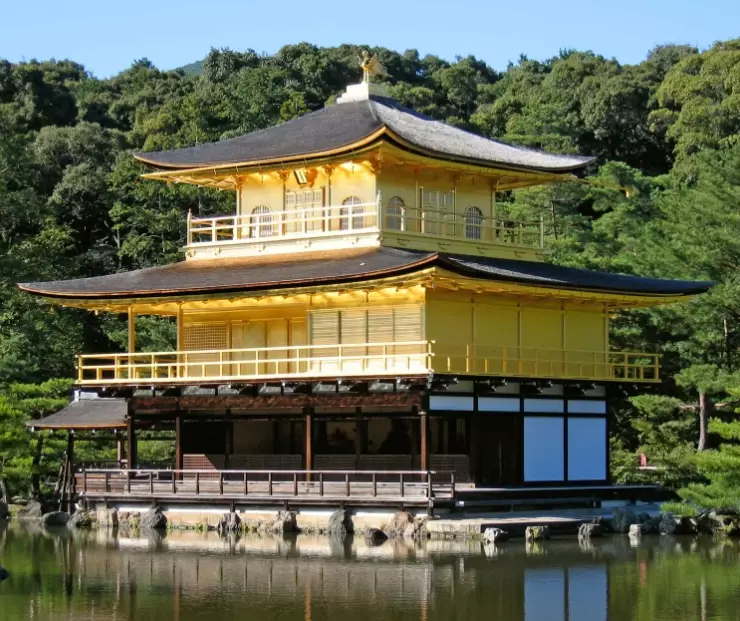
Pack light, comfortable shoes. You'll walk 10-20k steps daily. Layers are key for changeable weather. A small daypack is essential. And don't forget a portable power bank for your phone (Google Maps is your lifeline).
Common Questions About a 14-Day Japan Itinerary
Final Thoughts
This Japan 14-day itinerary is a blueprint based on real experience. It balances iconic sights with local flavor, city energy with natural beauty, and history with modernity. It's the trip I wish I'd taken the first time.
Remember, the goal isn't to see everything. It's to have an amazing experience. Be flexible, be respectful, and don't be afraid to get lost down a tiny side street—that's often where the magic happens.
Your two weeks in Japan will fly by. But the memories, the tastes, the feelings—they'll stick with you for a lifetime. Now go start booking those flights.


Share Your Thoughts