If you're heading to Fukuoka, skip the fancy restaurants for a day and hit the food markets. That's where the real action is—sizzling stalls, fresh catches, and locals haggling over produce. I've spent years exploring these spots, and let me tell you, they're not just for shopping; they're a full sensory experience. From Yanagibashi's wholesale hustle to Hakata's street food gems, this guide covers everything you need to eat like a pro without breaking the bank.
What You'll Find in This Guide
Why Fukuoka's Food Markets Are Unmissable
Fukuoka is famous for tonkotsu ramen and mentaiko, but the markets are where these dishes come to life. According to the Fukuoka City Tourism Association, the city's food culture thrives in these bustling hubs. They're not tourist traps—locals rely on them for daily groceries, which means authenticity is guaranteed. Think of it as a live cooking show where you can taste Kyushu's best ingredients straight from the source.
My first visit was a mess. I showed up at noon, expecting a leisurely stroll, but Yanagibashi was packed with chefs grabbing supplies. I ended up with a cold onigiri because all the hot stuff was gone. Lesson learned: timing is everything.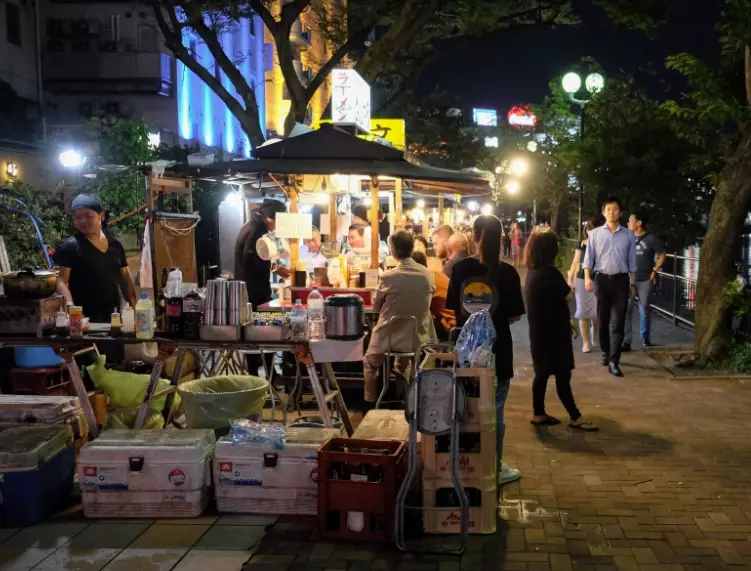
Top 3 Fukuoka Food Markets You Can't Miss
Here are the three markets that define Fukuoka's food scene. Each has its own vibe, so pick based on what you're after.
Yanagibashi Rengo Market: The Wholesale Giant
Located at 1-1 Yanagibashi, Chuo-ku, Fukuoka, this market opens from 5 AM to 1 PM daily. It's a wholesale hub, so come early. The energy here is raw—forklifts zipping around, vendors shouting prices. Don't expect pretty displays; it's about bulk deals. But for foodies, the perimeter stalls sell to the public. Try the fresh sashimi plates for around 500 yen or grab a bag of local vegetables. I once snagged a whole tuna head for 1000 yen and made soup for days.
Most stalls are cash-only, and English is limited. If you're shy, just point and smile. The Fukuoka Prefecture website notes this market supplies many local restaurants, so quality is top-notch.
Hakata Station Front Market: Convenience and Variety
Right outside Hakata Station at 1-1 Hakataekichuo-gai, this market runs from 10 AM to 8 PM. It's more tourist-friendly, with covered stalls and signs in English. Perfect if you're short on time. Highlights include Hakata ramen stalls (bowls from 600 yen) and mentaiko (spicy cod roe) samples. I found a stall selling grilled mochi with sweet soy for 200 yen—simple but addictive.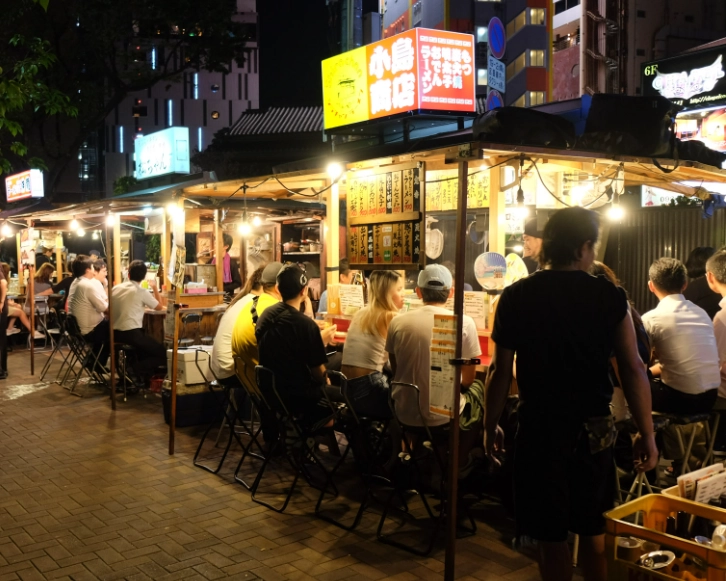
The downside? It can get crowded with commuters. Visit on weekdays around 11 AM to avoid the rush. Prices are slightly higher than Yanagibashi, but the convenience is worth it.
Nagahama Fish Market: Fresh Seafood Heaven
At 2-1 Nagahama, Chuo-ku, this market operates from 6 AM to 2 PM, closed Sundays. It's smaller but focused on seafood. The aroma of grilled fish hits you as you enter. Vendors sell everything from live crabs to dried sardines. For a quick bite, try the kaisendon (seafood bowl) for 800 yen. I watched a local chef bargain for a bucket of clams—it's a skill you might pick up.
Transport is easy: take the subway to Gion Station and walk 10 minutes. Bring wet wipes; handling fish can get messy.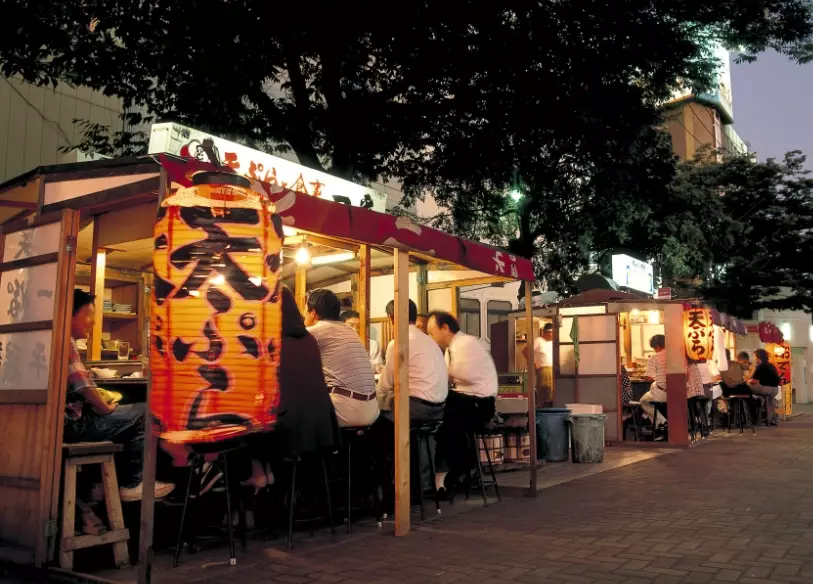
Quick Comparison Table
Use this to decide which market suits your trip.
| Market | Best For | Opening Hours | Avg. Price for a Meal | Atmosphere |
|---|---|---|---|---|
| Yanagibashi Rengo Market | Fresh produce, wholesale deals | 5 AM - 1 PM | 500-1000 yen | Busy, industrial |
| Hakata Station Front Market | Street food, convenience | 10 AM - 8 PM | 600-1200 yen | Tourist-friendly, crowded |
| Nagahama Fish Market | Seafood, local experience | 6 AM - 2 PM (closed Sun) | 800-1500 yen | Authentic, casual |
How to Navigate Fukuoka Food Markets Like a Pro
Navigating these markets isn't rocket science, but a few tricks save time and money. First, cash is king. Most stalls don't take cards, so withdraw yen beforehand. I learned this the hard way when I had to hunt for an ATM while my ramen got cold.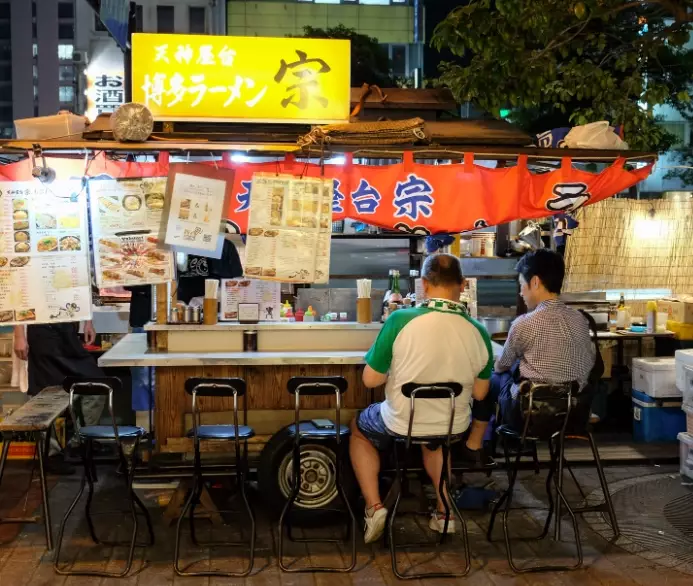
Transport: All markets are accessible by subway or bus. For Yanagibashi, take the Kuko Line to Nakasu-Kawabata Station. Hakata Station is, well, at the station. Nagahama is a short walk from Gion Station. Use the Nishitetsu bus network if you're coming from farther out—the Japan National Tourism Organization has route maps online.
Timing: Mornings are best for freshness, especially at fish markets. Evenings at Hakata offer a lively vibe but fewer food options. Avoid weekends if you hate crowds; locals do their shopping then.
Etiquette: Don't haggle aggressively—it's not that kind of market. A polite "kore wa ikura desu ka?" (how much is this?) works. Bring your own bag; some stalls charge for plastic. And if you're sampling, buy something small first. I saw a tourist get glared at for eating free samples without purchasing.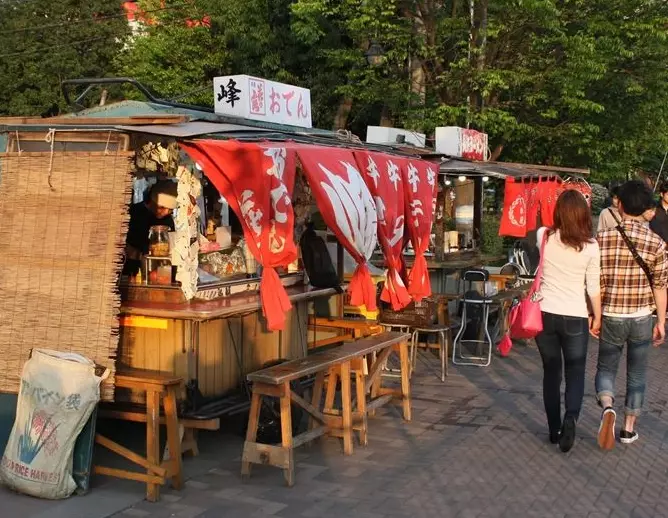
Insider Tips for the Best Food Market Experience
Here's where my 10 years of market-hopping pays off. Most guides tell you to go early, but they miss the nuance. At Yanagibashi, the real deals happen between 7 and 9 AM. After that, vendors start packing up. I once arrived at 10 AM and found only limp vegetables left.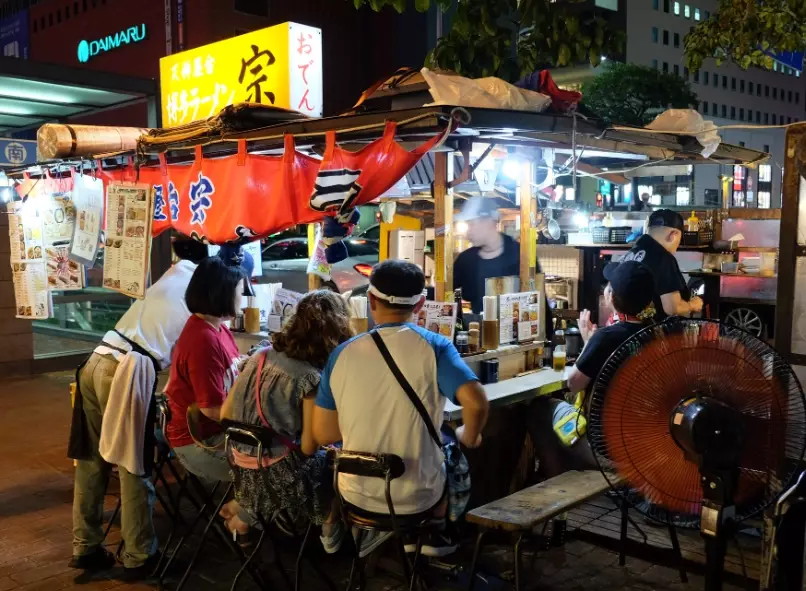
Another tip: look for stalls with long lines of locals. It's obvious, but tourists often skip them thinking they're too busy. At Hakata, there's a tiny ramen stall tucked in the back—no sign, just a red curtain. It serves the richest broth I've ever had, but you'd miss it if you stuck to the main aisles.
Budget-wise, you can eat well for under 2000 yen per person. Skip the packaged snacks and go for made-to-order items. For example, at Nagahama, ask for grilled scallops with butter—they cost 300 yen each and are cooked on the spot.
A common mistake: assuming all markets are the same. Yanagibashi is for ingredients, Hakata for quick eats, Nagahama for seafood feasts. Mix and match based on your day. If you're cooking, hit Yanagibashi first; if you're just tasting, start at Hakata.
Personal story: I took a friend who's vegetarian to these markets. She struggled at first, but we found sweet potato tempura and grilled corn at Hakata. Not ideal, but doable. It taught me to research ahead for dietary restrictions.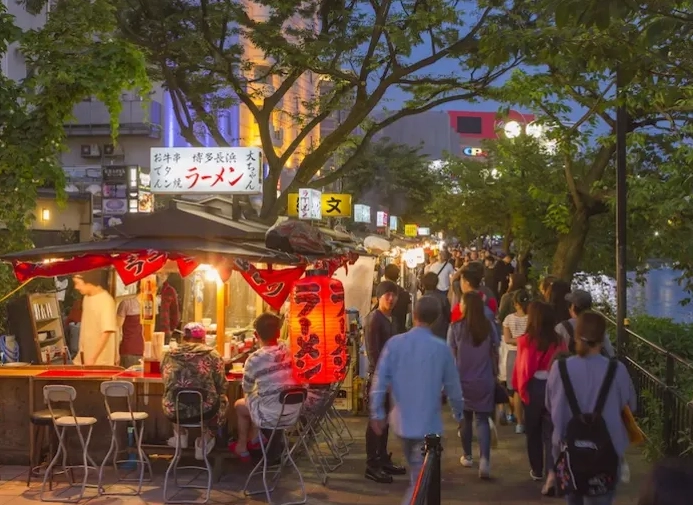


Share Your Thoughts