Quick Navigation
- Before You Go: The Essential Pre-Trip Checklist
- Crafting Your Japan Itinerary: Where to Go and For How Long
- Getting Around: The Famous (and Confusing) Japan Rail Pass
- Navigating Japanese Culture: Not Just Rules, But Reasons
- Money Talk: A Realistic Budget Breakdown
- Food: A Guide to Eating Your Way Through Japan
- Your Japan Travel Guide Q&A: Answering the Real Questions
So you're thinking about going to Japan. Good call. I remember my first time planning a trip there—I was completely overwhelmed. The internet was full of lists, but nothing that really felt like it was talking to me, a regular person trying to figure out how to navigate a country that felt both incredibly inviting and mysteriously complex.
That's why I wanted to put this Japan travel guide together. Not just another list of temples and cities, but a real, practical chat about what you need to know. We'll skip the fluff and get into the stuff that actually matters when you're planning, like how much cash you'll really need, how to not embarrass yourself in an onsen, and whether that 7-day rail pass is actually worth your money (spoiler: sometimes it's not).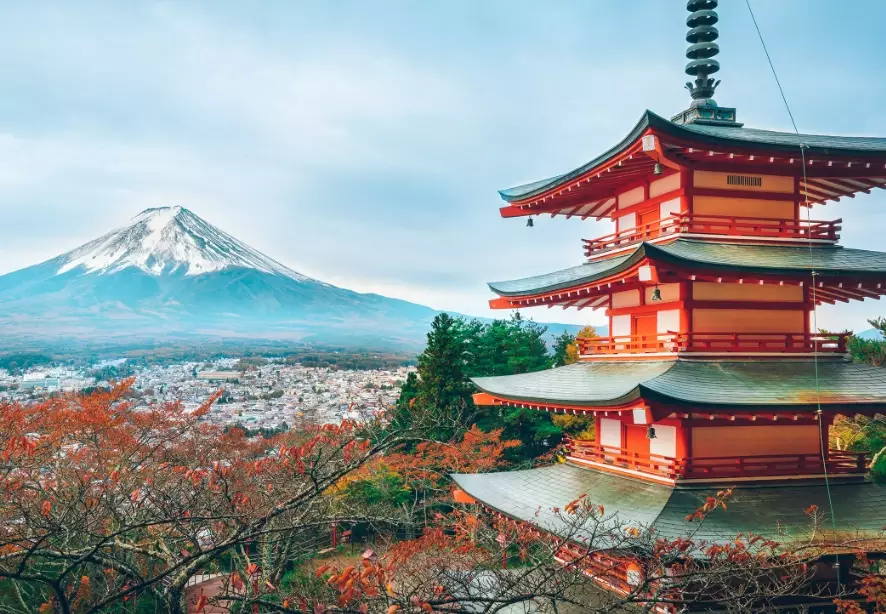
Before You Go: The Essential Pre-Trip Checklist
Jumping on a plane to Japan without a bit of prep is a surefire way to waste time and money. Let's break down what you actually need to sort out before you leave home.
Visas, Money, and Connectivity
First things first. Citizens from many countries (like the US, UK, Canada, Australia, and most of the EU) get a 90-day tourist visa on arrival. But always double-check the official source—the Japanese Ministry of Foreign Affairs website is the only place you should trust for the latest rules. I've heard horror stories of people relying on outdated blog posts and getting stressed at immigration.
Cash is still king in a lot of Japan. Sure, you can use credit cards in big department stores and hotels, but that tiny, incredible ramen shop? That family-run ryokan? That temple stall selling lucky charms? Cash only. I made the mistake of not taking out enough yen on my first trip and spent an embarrassing amount of time hunting for ATMs that accepted foreign cards. Get a bunch when you arrive at the airport.
For staying connected, pocket Wi-Fi is a game-changer. You can rent one online and pick it up at the airport. Having constant Google Maps and translation access saved me more times than I can count. SIM cards are another option, but I found the pocket Wi-Fi easier to manage for multiple devices.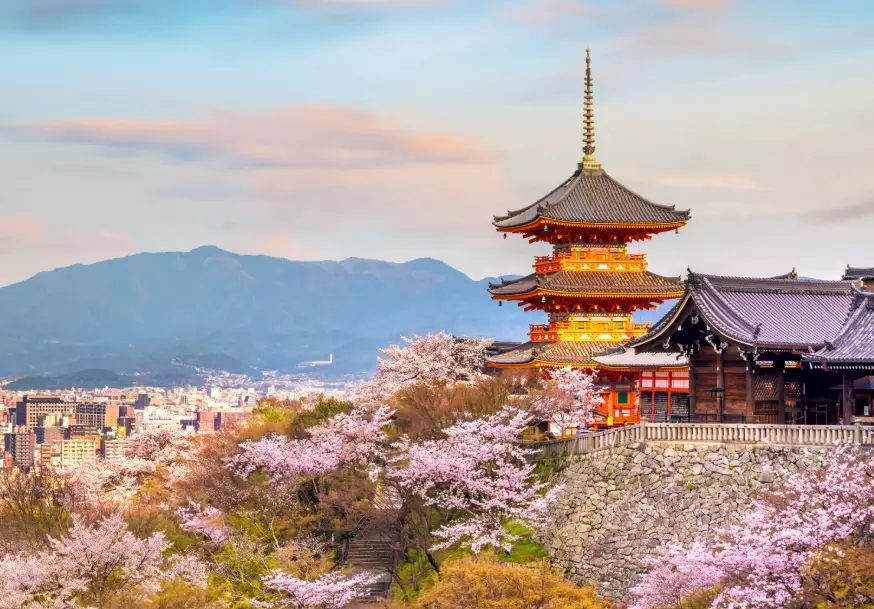
My Non-Negotiable Packing List
- Comfortable Shoes: You will walk. A lot. I'm talking 20,000+ steps a day without even trying. Blisters are the enemy.
- A Small Coin Purse: You will accumulate a shocking amount of 1, 5, 10, 50, 100, and 500 yen coins. A purse keeps them from taking over your life.
- Slip-On Shoes: Places where you remove your shoes (temples, some restaurants, ryokans) are everywhere. Make your life easy.
- Portable Power Bank: Between photos, maps, and translating, your phone battery will die by lunchtime.
- A Sense of Patience: Not a physical item, but crucial. Lines are common, processes can be slow, and things work differently. Go with the flow.
Crafting Your Japan Itinerary: Where to Go and For How Long
This is the heart of any good Japan travel guide. The classic route is the Golden Route: Tokyo, Hakone/Mt. Fuji, Kyoto, Osaka, with maybe a day trip to Nara. It's popular for a reason—it hits the major highlights. But Japan has so much more.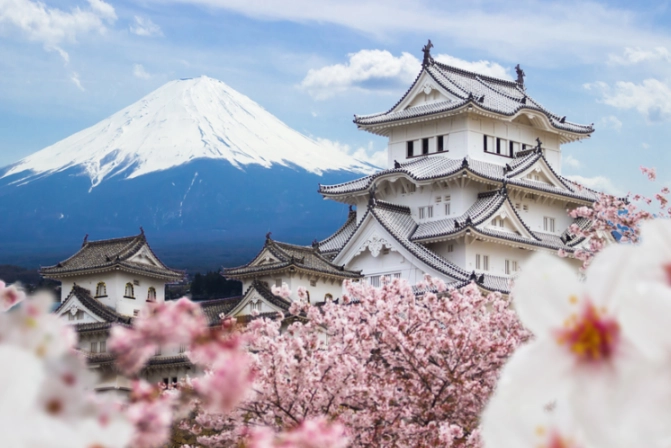
Beyond the Golden Route
If you have more than 10 days, please, get off the beaten path. The crowds in Kyoto's Arashiyama Bamboo Grove can suck the magic right out of it. Here are some alternatives that gave me my favorite memories:
- Kanazawa: Called "Little Kyoto" but without the massive tourist hordes. The Kenrokuen Garden is stunning, and the old samurai and geisha districts feel frozen in time.
- Takayama: A postcard-perfect town in the Japanese Alps. The morning markets, the old-town streets (Sanmachi Suji), and the incredible Hida beef. It feels a world away from Tokyo's neon.
- Naoshima Island: For art lovers. This island in the Seto Inland Sea is covered in incredible modern art museums and installations. It's bizarre and beautiful.
- Hokkaido: If you're going in winter for snow festivals and skiing, or in summer for lavender fields and cooler weather. Totally different vibe.
How long for each place? Here's my personal take, which you won't find in every Japan travel guide:
| City/Region | Recommended Minimum Stay | Why This Long? | My Personal Highlight |
|---|---|---|---|
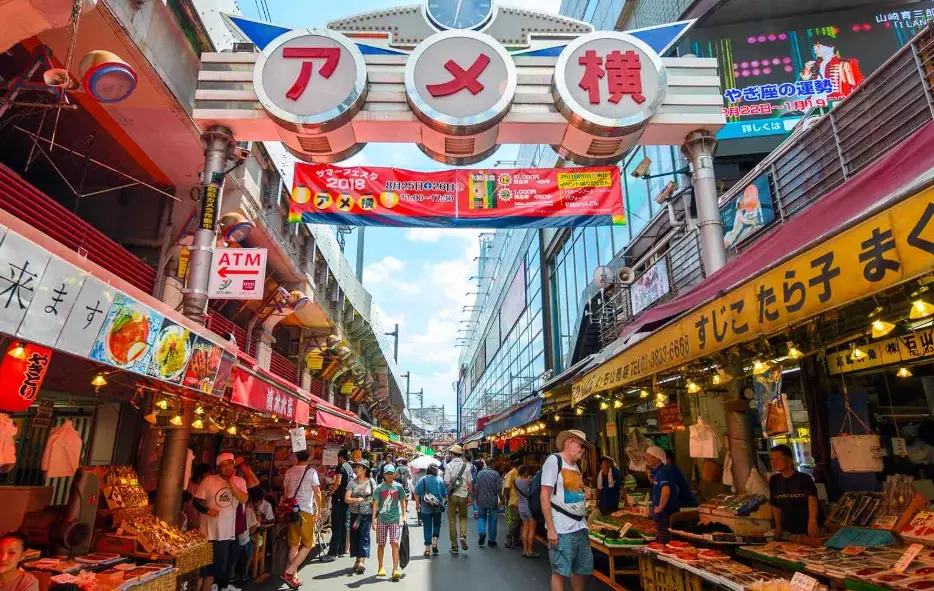
| Tokyo | 4-5 full days | It's not just one city; it's a collection of wildly different neighborhoods. Shibuya, Shinjuku, Asakusa, Akihabara, Shimokitazawa—each needs half a day at least. | Getting lost in the backstreets of Yanaka Ginza, an old shitamachi (downtown) area untouched by skyscrapers. |
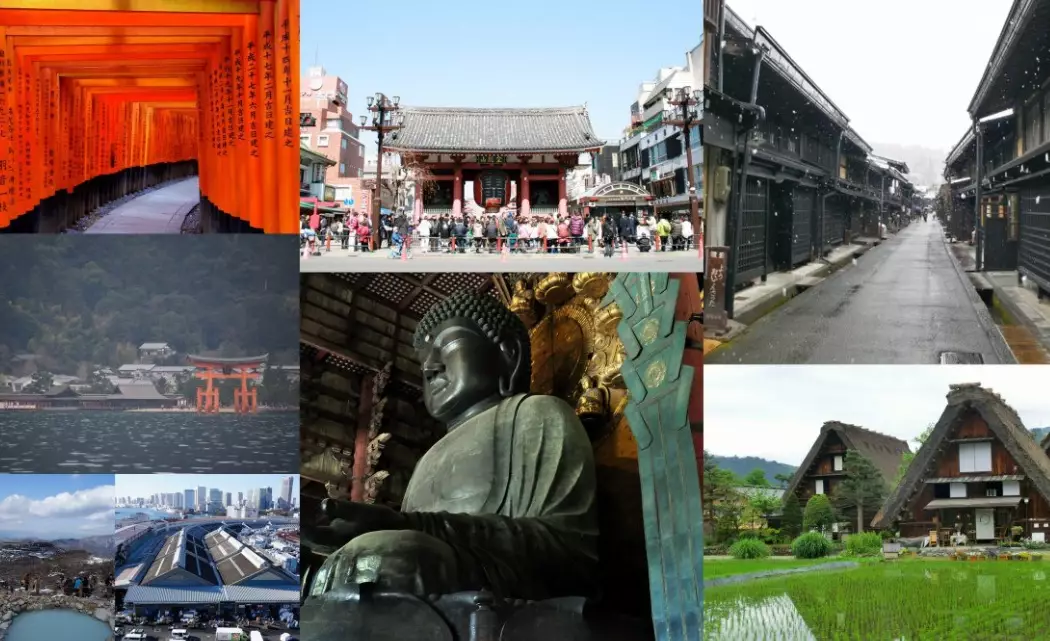
| Kyoto | 3 full days | The temples and shrines are spread out. Travel time between Fushimi Inari, Arashiyama, and Kinkaku-ji is significant. Rushing here is painful. | Fushimi Inari Taisha at 7 AM, before the crowds. The path through thousands of torii gates is almost silent and magical. |
| Osaka | 2 full days | One day for eating in Dotonbori and seeing the castle, one day for a trip to Nara (which is unmissable). Osaka's energy is contagious. | Eating takoyaki from a street stall in Dotonbori while people-watching. It's pure, chaotic joy. |
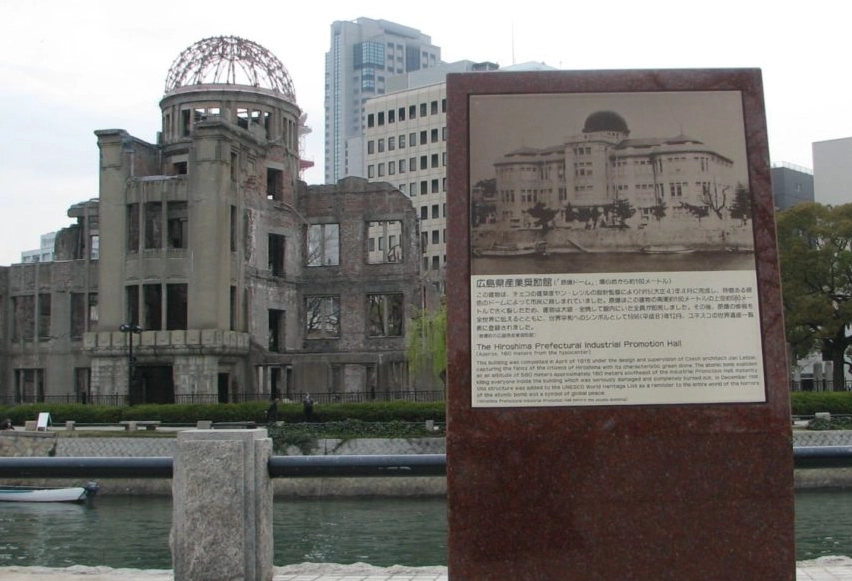
| Hiroshima & Miyajima | 2 full days | This is a heavy but essential experience. The Peace Memorial Museum is emotionally draining, so you need time. Miyajima's Itsukushima Shrine is the perfect counterbalance. | The sight of the "floating" torii gate at Miyajima at high tide. It's the iconic Japan photo, and it really is that impressive. |
Don't try to see everything. You can't.
Getting Around: The Famous (and Confusing) Japan Rail Pass
Ah, the JR Pass. The most debated topic in any Japan travel guide. It lets you ride almost all Japan Rail trains, including the super-fast shinkansen (bullet trains), for a set period. The key word is almost—the very fastest Nozomi and Mizuho shinkansen lines aren't included, which is a bit annoying.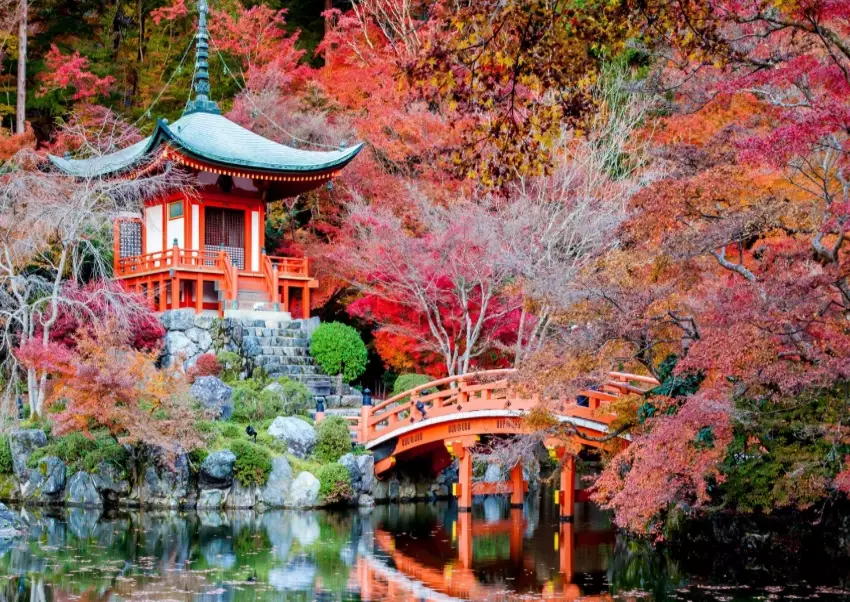
Is it worth it? The math is everything. As of late 2023, the price for a 7-day pass is around 50,000 yen. A one-way shinkansen ticket from Tokyo to Kyoto is about 13,000 yen. So a round trip is 26,000 yen. To make the 7-day pass pay off, you'd need to take several more long-distance trips within that week (e.g., Tokyo -> Kyoto -> Hiroshima -> Osaka -> Tokyo). If you're just doing a Tokyo-Kyoto-Osaka round trip in 7 days, it's probably cheaper to buy individual tickets.
IC Cards: Your Everyday Lifesaver
Forget the JR Pass for a second. The most useful thing in your wallet will be an IC card—Suica (Tokyo area) or ICOCA (Kyoto/Osaka area). They're rechargeable touch cards you use for virtually all local trains, subways, and buses in cities. You can even use them at convenience stores (konbini) and vending machines.
I loaded mine with 5,000 yen and just tapped in and out of stations. No fumbling for change, no staring at complex fare maps. It's seamless. Get one as soon as you land.
Navigating Japanese Culture: Not Just Rules, But Reasons
This isn't about being a perfect tourist. It's about understanding the "why" behind actions, which makes everything easier and more respectful.
Manners and Etiquette 101
- Onsen (Hot Spring) Bathing: This is a big one. You must wash and rinse thoroughly before getting into the shared bath. No soap, no shampoo in the bath. No swimsuits. No tattoos? This is a tricky one. While attitudes are slowly changing, many public onsens still ban visible tattoos, associating them with yakuza (organized crime). Some larger tourist-friendly ones are more relaxed, or you can book a private onsen. Check ahead to avoid disappointment.
- Eating and Drinking: It's polite to say "itadakimasu" before eating and "gochisousama deshita" after. Don't stick your chopsticks upright in a bowl of rice (it resembles a funeral rite). Passing food from chopstick to chopstick is also a funeral thing. When drinking with a group, you pour for others, and they pour for you. Don't pour your own drink.
- Temples and Shrines: At Shinto shrines, you'll see a water trough with ladles (temizuya). Purify yourself by rinsing your left hand, then right hand, then mouth (spit the water out discreetly!), then the handle of the ladle. At Buddhist temples, be quiet and respectful. Photography is often forbidden inside main halls.
Money Talk: A Realistic Budget Breakdown
Let's cut through the "Japan is so expensive" myth. It can be, but it doesn't have to be. You can have a luxury trip or a very reasonable one. Here’s what I spent on a comfortable, but not lavish, two-week trip.
My Mid-Range Budget (Per Person, 14 Days)
Accommodation: This is your biggest variable. Business hotels (like APA, Dormy Inn) are clean, tiny, and cost ¥8,000-¥12,000 per night. A night in a ryokan with two meals can be ¥20,000-¥40,000. I mixed both.
My average: ¥12,000/night x 14 = ¥168,000
Food: You can eat incredibly well without breaking the bank. Conveyor belt sushi lunch: ¥1,500. Ramen bowl: ¥900. Department store basement (depachika) gourmet takeaway: ¥2,000 for a feast. A nice sit-down dinner: ¥4,000-¥6,000. I splurged on one Kobe beef meal (¥15,000) and it was worth every yen.
My average: ¥4,500/day x 14 = ¥63,000
Transport: I did a 14-day JR Pass (¥80,000) for a long trip to Hiroshima, plus IC card top-ups of about ¥10,000.
Total: ¥90,000
Activities & Souvenirs: Temple entry fees (¥300-¥600 each), museum tickets, the occasional weird vending machine drink, and souvenirs like snacks and ceramics.
My spend: ¥40,000
Rough Total: ¥361,000 (about $2,400 USD). This is a realistic figure for a very full, comfortable trip. You can go cheaper with hostels and combini meals, or much higher with luxury hotels and fine dining.
See? Not cheap, but not impossible.
Food: A Guide to Eating Your Way Through Japan
This could be a whole Japan travel guide by itself. The food is a primary reason to visit. Don't just stick to sushi.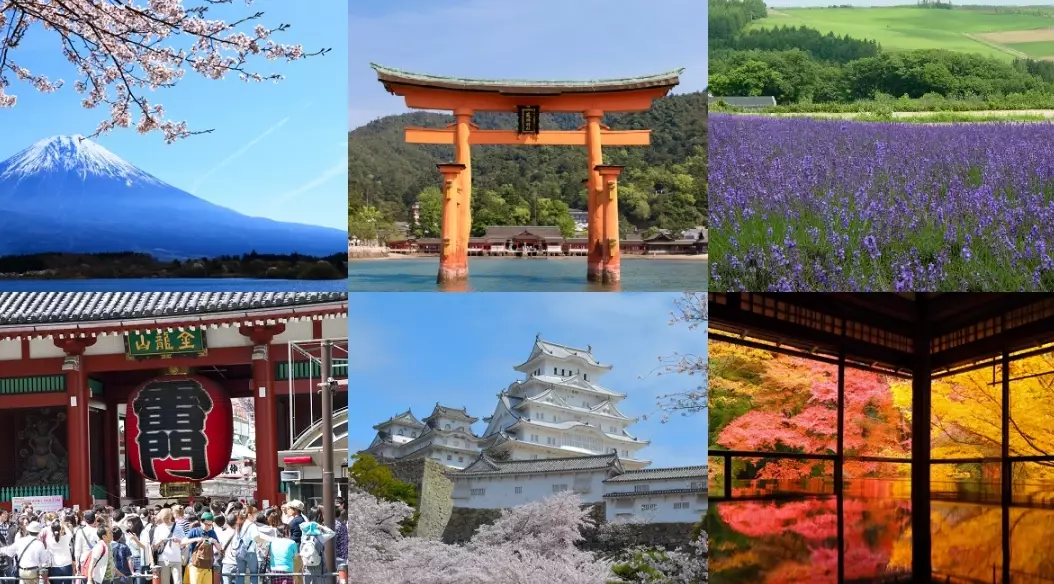
Must-Try Dishes (and Where to Find Them)
- Ramen: Not the instant stuff. Rich, savory broth, springy noodles. Different regions have different styles: tonkotsu (pork bone) in Fukuoka, shoyu (soy sauce) in Tokyo, miso in Sapporo. Go to a specialist ramen-ya, often with vending machine ticket ordering.
- Okonomiyaki: A savory pancake from Osaka or Hiroshima. The Osaka style mixes all ingredients; the Hiroshima style layers them. You often cook it yourself on a hotplate at your table. Messy, fun, delicious.
- Yakitori: Skewers of grilled chicken, every part imaginable. Go to a yakitori-ya, order a beer, and point at things. Be adventurous.
- Kaiseki: The ultimate high-end Japanese dining experience. A multi-course seasonal meal that is as much art as food. Do it at least once, preferably at a ryokan.
- Convenience Store (Konbini) Food: Seriously. 7-Eleven, FamilyMart, Lawson. Their onigiri (rice balls), sandwiches, fried chicken, and desserts are delicious, fresh, and cheap. A lifesaver for breakfast or a quick snack.
Your Japan Travel Guide Q&A: Answering the Real Questions
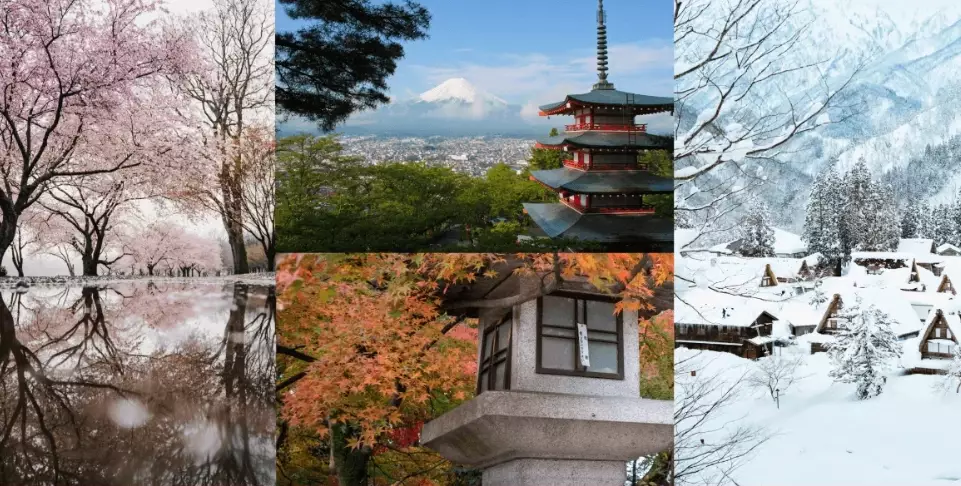
- Spring (March-May): Cherry blossoms (sakura). Magical, but also the most crowded and expensive time of year. Book everything a year in advance.
- Autumn (October-November): Fall foliage (koyo). Equally stunning, slightly less manic than sakura season. My personal favorite.
- Summer (June-September): Hot and humid. Also the rainy season (tsuyu) in June/July. Festivals (matsuri) are great, but the weather can be oppressive.
- Winter (December-February): Cold and dry (except in Hokkaido, which is a winter wonderland). Great for onsen, skiing, and fewer crowds. New Year is a major holiday where many things shut down.
Final, Practical Advice
Use Hyperdia or the Japan Travel by Navitime app for exact train times and platform numbers. They're more accurate than Google Maps for complex routes.
Carry a small plastic bag for your trash. Public trash cans are almost non-existent because people take their trash home. You'll be holding that empty drink bottle for a while.
Don't be afraid to ask for help. At a train station? Find the information desk with the "i" sign. They are miracle workers.
Finally, remember that this Japan travel guide is just a starting point. Your trip will have its own rhythm, its own surprises (a sudden festival you stumble upon, a conversation with a local at a bar, that perfect bowl of noodles). Plan enough to feel secure, but leave plenty of room for the unexpected. That's where the real magic of Japan happens.
Have an incredible trip. It's a country that stays with you long after you've come home.

Share Your Thoughts