I remember my first midnight in Tokyo, jet-lagged and hungry, stumbling into a 7-Eleven. I grabbed a bento box expecting airport-level disappointment. One bite later, I was hooked—the rice was perfectly seasoned, the chicken juicy, and it cost less than $5. That moment sums up why Japanese konbini food isn't just convenient; it's a culinary experience that rivals many restaurants. The secret? It's a perfect storm of quality control, innovation, and cultural obsession with detail.
What's Inside This Deep Dive
The Konbini Phenomenon: More Than Just a Store
Walk into any FamilyMart, Lawson, or 7-Eleven in Japan, and you'll see shelves packed with fresh meals, not just chips and soda. These stores serve as community hubs—you can pay bills, send packages, or even buy concert tickets. But the food is the star. According to a report by the Japan Convenience Stores Association, over 5 billion ready-to-eat meals are sold annually, driven by urban lifestyles and high standards. It's not just about grabbing a snack; it's a trusted source for daily nutrition.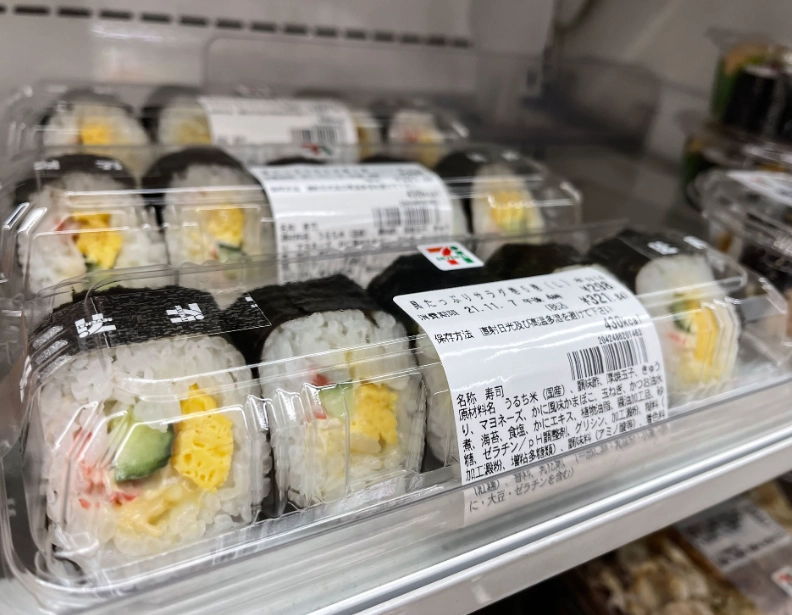
I once met a salaryman in Osaka who ate konbini dinners three times a week. He said it saved time without compromising taste. That trust is earned through decades of refinement.
Key Factors Behind the Unbeatable Quality
So, what makes this food so good? Let's break it down.
Ingredient Sourcing and Freshness
Konbini chains work directly with farmers and producers. For example, Lawson's "Muji" line uses locally sourced vegetables, with freshness dates printed down to the hour. Deliveries happen multiple times a day—I've watched staff restock bento boxes at 10 AM, 3 PM, and 7 PM. This just-in-time system minimizes waste. A study by the Ministry of Agriculture, Forestry and Fisheries highlights how this supply chain efficiency supports regional economies.
But here's a nuance most miss: the rice. Konbini rice is often premium short-grain, cooked with precise water ratios. It's why onigiri doesn't get soggy.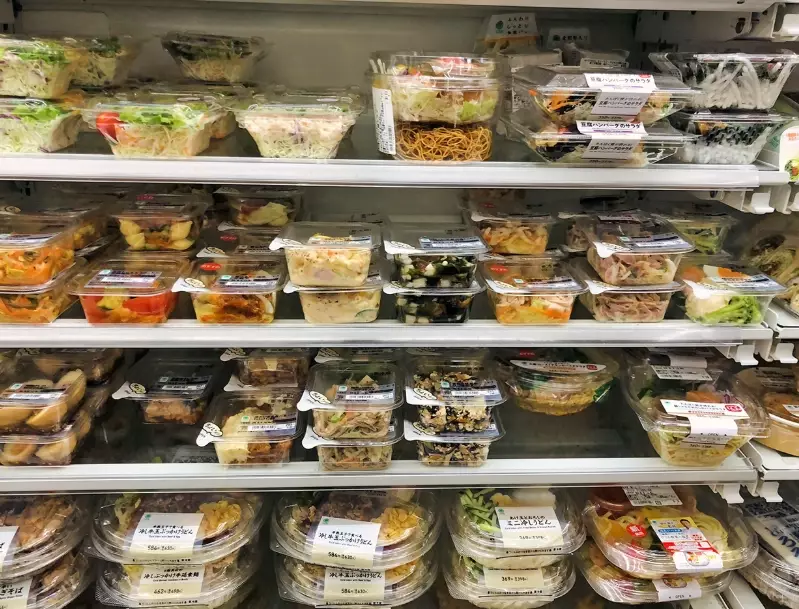
Innovation and Product Development
Each chain has R&D teams that act like boutique chefs. 7-Eleven's "Seven Premium" line includes items like truffle pasta salads, while FamilyMart experiments with seasonal flavors—think sakura mochi in spring. I tried a limited-edition matcha tart from Lawson last year that was better than many bakery versions. This constant innovation keeps customers coming back.
A common mistake? Tourists stick to familiar items like sandwiches. Branch out—the new releases are where the magic happens.
Operational Excellence
Strict protocols ensure consistency. Temperature logs, frequent audits, and staff training are rigorous. I visited a konbini in Kyoto where the manager checked fridge temperatures hourly. This attention to detail means food safety is paramount, something highlighted in industry guidelines from groups like the Japan Food Safety Management Association.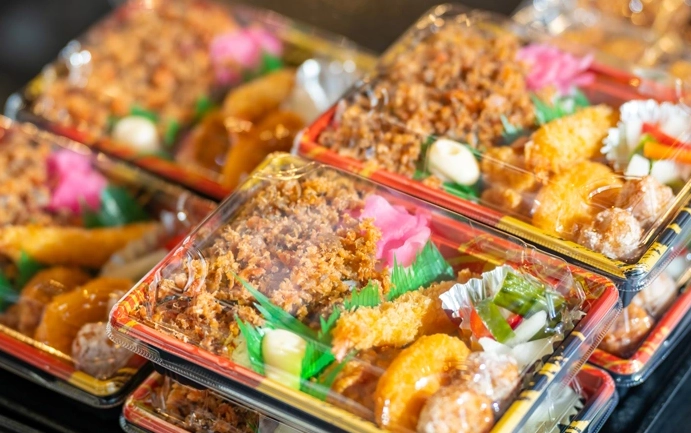
Pro tip: Look for the "time of production" sticker on packages. Items made within the last 2-3 hours are peak freshness.
Must-Try Konbini Foods: A Local's Picks
Don't just wander aimlessly. Here are my top recommendations, based on years of tasting.
7-Eleven Karaage Kun Fried Chicken: Crispy on the outside, juicy inside. About 150 yen per piece. Available all day, but go early—they sell out fast.
FamilyMart Famichiki: A cult favorite. The seasoning has a slight garlic kick. Pair it with their 100-yen coffee for a perfect snack.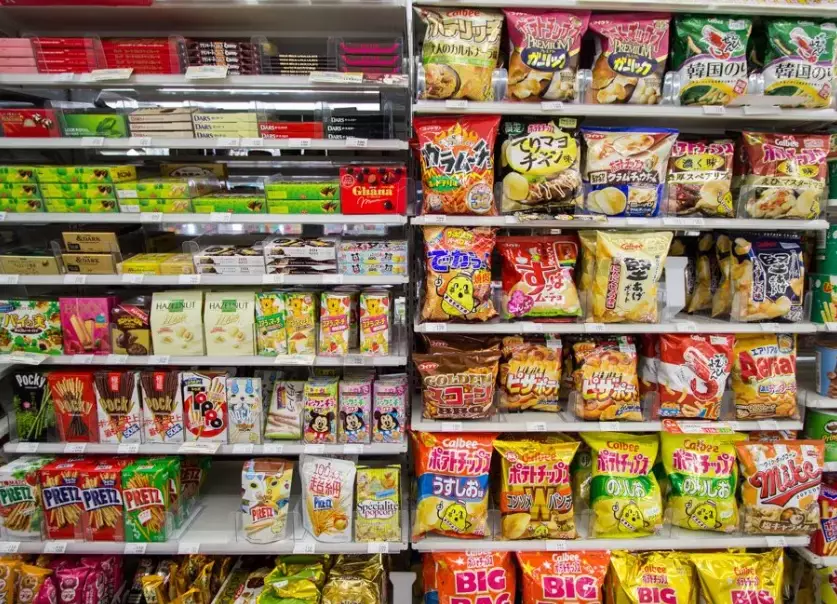
Lawson's Egg Salad Sandwich: Creamy, with fluffy bread. Around 250 yen. It's a breakfast staple for many office workers.
Onigiri (any brand): Start with salmon or tuna mayo. Peel the plastic wrap carefully to keep the seaweed crisp. Under 200 yen each.
For a full meal, try a bento box like 7-Eleven's "Grilled Fish Set" (around 500 yen) or FamilyMart's "Curry Rice" (400 yen). Desserts? Lawson's "Uchi Cafe" sweets are hit-or-miss—some are too sweet for non-Japanese palates, but their cheesecake is solid.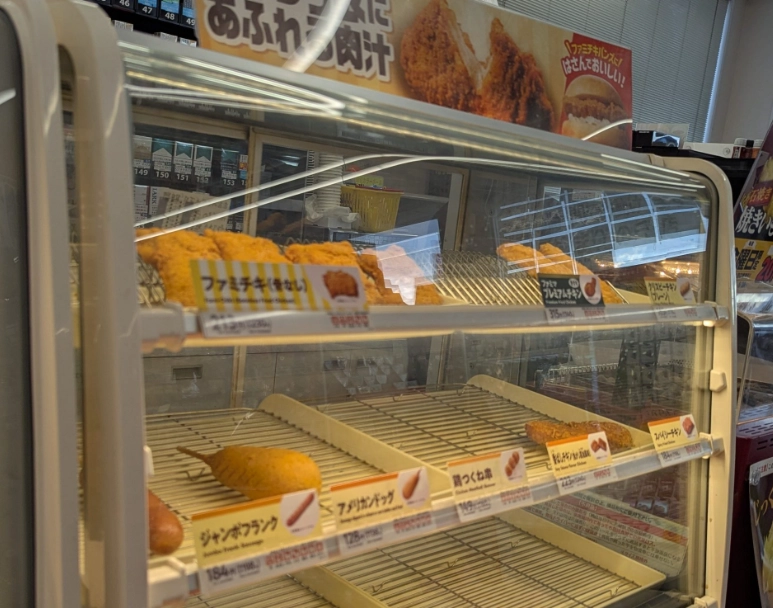
How Konbini Food Stacks Up Against Restaurants
This might ruffle feathers, but I've had konbini meals that beat mid-range restaurants. The consistency is key—a 7-Eleven bento in Hokkaido tastes the same as one in Okinawa. Restaurants can vary wildly. Konbini food also wins on value: a 600-yen pasta salad often includes fresh veggies and protein, while a cafe might charge double for less.
But it's not all perfect. Konbini food can be high in sodium, and the packaging generates waste. I once bought a "healthy" salad that had more dressing than greens. Read labels carefully.
Where konbini falls short? Atmosphere. Eating in a store corner lacks the charm of a izakaya. But for convenience and reliability, it's unbeatable.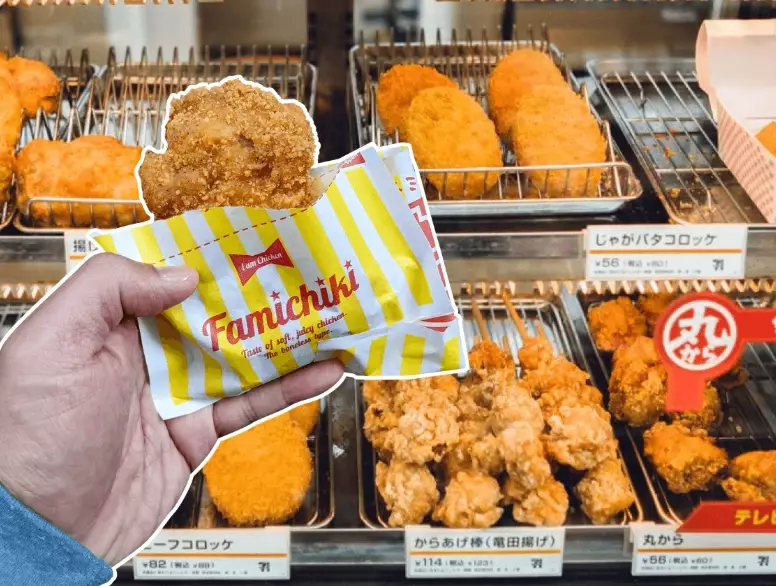
Practical Tips for Maximizing Your Konbini Experience
Use the microwave—most stores have one for heating bento boxes. It transforms a cold meal into something homely. Also, explore the drink section: hot cans of corn soup or cold barley tea complement food well.
Payment is easy with IC cards like Suica. If you're on a budget, look for "50% off" stickers in the evening—they indicate items nearing expiration but still fresh.
My personal hack: Combine items from different stores. Grab onigiri from Lawson, fried chicken from FamilyMart, and a dessert from 7-Eleven for a custom feast.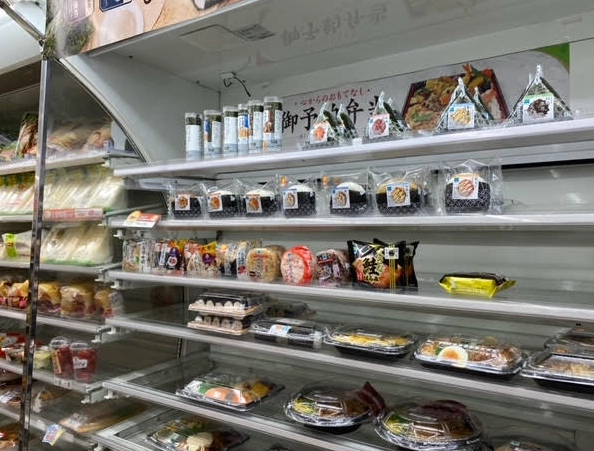
Your Konbini Food Questions Answered
Konbini food is more than a quick bite—it's a reflection of Japanese craftsmanship. Next time you're in Japan, skip the fancy restaurant for one meal and dive into a konbini. You might just find your new favorite food spot.




Share Your Thoughts