Tokyo's food scene is legendary, but for vegetarians, especially those craving the complex, spice-forward comfort of Indian cuisine, navigating it can feel like a quest. The good news? You're not limited to sad salads or plain tofu. A dedicated network of Indian vegetarian restaurants in Tokyo serves up everything from hearty North Indian thali to delicate South Indian dosa. As someone who's spent years exploring this niche, I can tell you the landscape is rich, but knowing where to go makes all the difference. This guide cuts through the noise, giving you the specific spots, dishes, and insider tips you need.
Your Quick Guide to Veg Indian Food in Tokyo
Understanding Tokyo's Vegetarian Indian Food Scene
First, let's set expectations. "Vegetarian" in Japan often includes fish broth (dashi). In Indian restaurants, this is less of an issue, but communication is key. Most Indian-run establishments understand "pure vegetarian" or "shojin" (Japanese Buddhist vegetarian), but always specify "no fish, no meat, no chicken stock" if you're strict.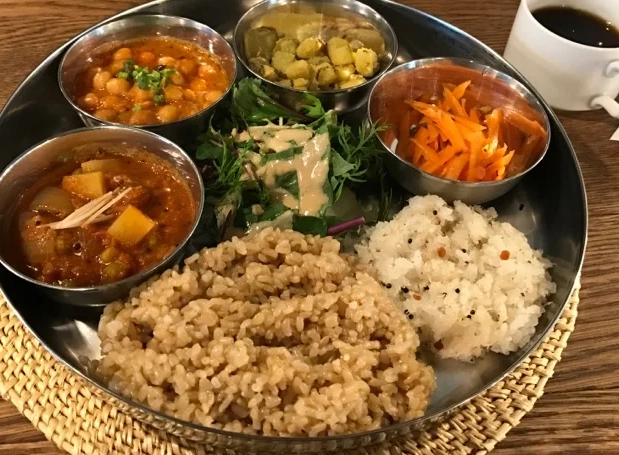
The scene splits roughly into two categories: North Indian (rich, creamy curries like paneer makhani, breads like naan) and South Indian (lighter, rice-based dishes like dosa, idli, and sambar). You'll find both in Tokyo. Many places are run by Indian families or expats, ensuring authenticity. Prices range from incredibly budget-friendly lunch sets (¥800-¥1200) to more upscale dinner experiences.
Top Indian Vegetarian Restaurants in Tokyo: Detailed Breakdown
Here are my top picks, based on repeat visits, consistency, and that elusive "feels like home" factor. I'm including a mix of styles and price points.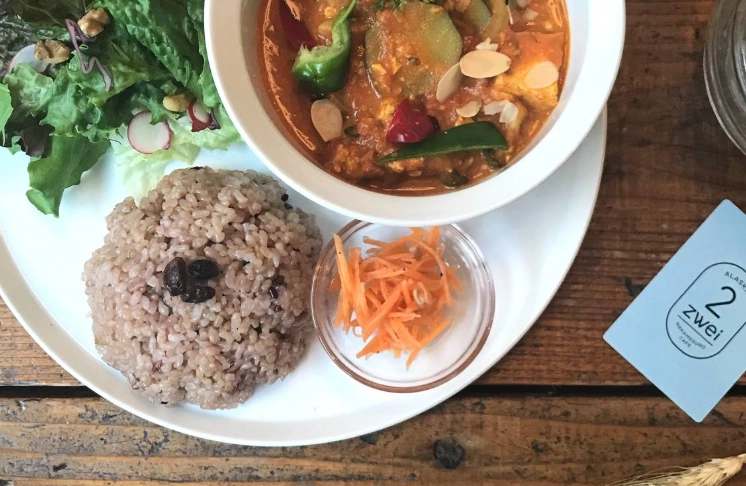
| Restaurant Name & Area | Specialty & Must-Try Dish | Price Point & Hours (Typical) | Why It Stands Out |
|---|---|---|---|
| Maharaja (Nishi-Kasai) 2-17-6 Nishi-Kasai, Edogawa City |
Pure Gujarati Thali. The unlimited vegetarian thali is the star—dozens of small bowls with curries, dals, sweets, and unlimited rotis. | Lunch: ¥1500-¥2000 Dinner: ¥2500-¥3500 Open 11:30-22:00 (L.O. 21:30) |
This is as authentic as it gets outside India. The thali experience is phenomenal value and variety. The ambiance is simple, focused entirely on the food. |
| Ganesha (Shibuya) 1-17-10 Jinnan, Shibuya City |
Creative Fusion & Vegan Options. Try the Vegan Butter "Chicken" (made with tofu) or the Spinach and Corn Samosa. | Lunch Set: ¥1100-¥1500 Dinner: ¥2000-¥3000 Open 11:30-23:00 |
Excellent for groups with mixed diets. They clearly mark vegan and gluten-free items. The Shibuya location is convenient, and the modern decor is a plus. |
| Sarvana Bhavan (Ikebukuro) 1-29-4 Nishi-Ikebukuro, Toshima City |
Classic South Indian. The Masala Dosa and the Onion Rava Dosa are legendary. Their filter coffee is a must. | Very Budget-Friendly Meals: ¥800-¥1500 Open 10:00-22:00 |
Part of a global chain, meaning consistent quality. It's fast, no-frills, and packed with Indian families and students. The best place for a quick, satisfying South Indian fix. |
| Annapurna (Shin-Okubo) 1-16-5 Okubo, Shinjuku City |
Nepali & Indian Vegetarian. Go for the Momo (dumplings) and the Nepali Thali, which offers a different spice profile. | Lunch: ¥900-¥1300 Dinner: ¥1800-¥2500 Open 11:00-23:00 |
Offers a unique Himalayan twist. The momos here are some of the best in Tokyo. The space is tiny, so be prepared to wait during peak times—it's worth it. |
| Rangoli (Roppongi) 6-6-9 Roppongi, Minato City |
Upscale Dining. The Paneer Tikka and the Dal Makhani are exceptionally well-executed. | Higher End Dinner: ¥4000-¥6000 Open 17:00-23:30 (Closed Sun) |
For a special occasion. The service is polished, the wine list is considered, and the flavors are refined without losing their soul. A different side of Indian dining in Tokyo. |
My personal go-to for a reliable, delicious meal is Sarvana Bhavan in Ikebukuro. The crispness of their dosa never fails, and for under ¥1000, the lunch set is one of Tokyo's greatest food bargains. On the other hand, while Rangoli is excellent, the price tag means it's a once-in-a-while treat for me.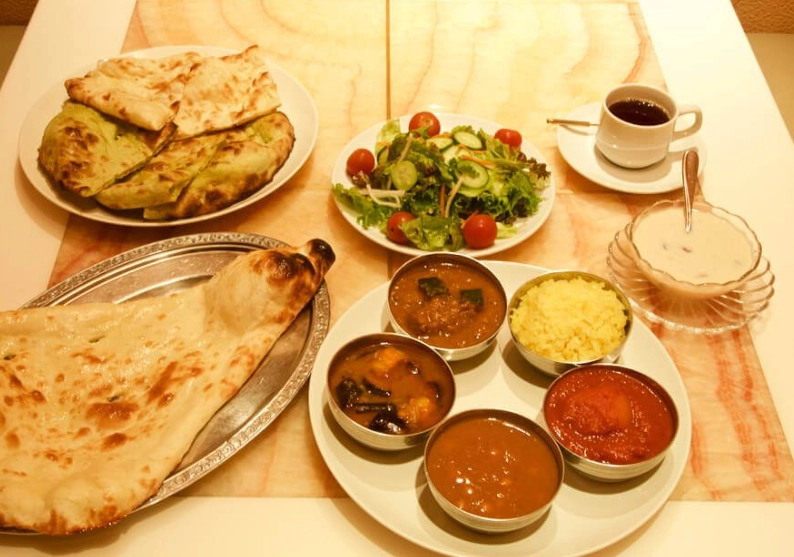
How to Order and Navigate Menus Like a Pro
Walking into an Indian restaurant can be overwhelming. Here’s how to decode the menu.
Key Dish Categories to Know
Starters: Samosa, Pakora, Paneer Tikka. Always a safe bet.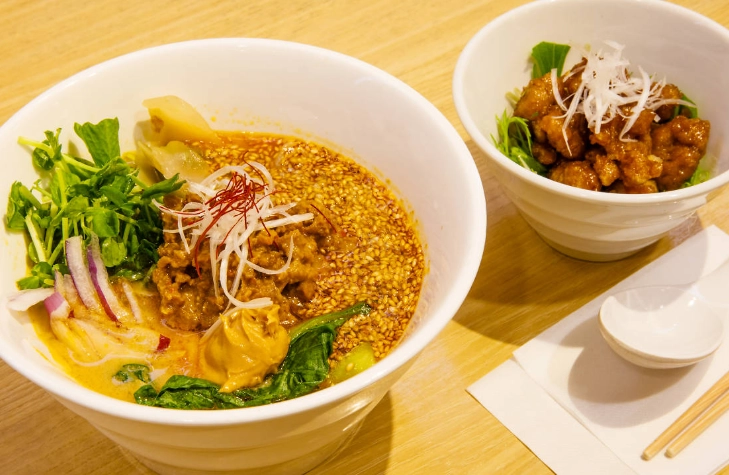
Main Curries: Look for Paneer (cottage cheese), Chana (chickpeas), Dal (lentils), Aloo (potato), or Baingan (eggplant).
Breads: Naan (leavened, fluffy), Roti/Chapati (whole wheat, healthier), Paratha (layered, often pan-fried).
Rice: Biryani (spiced rice dish – confirm it's veg), Jeera Rice (cumin rice).
South Indian: Dosa (fermented crepe), Idli (steamed rice cakes), Vada (savory donut), all served with Sambar (lentil stew) and chutneys.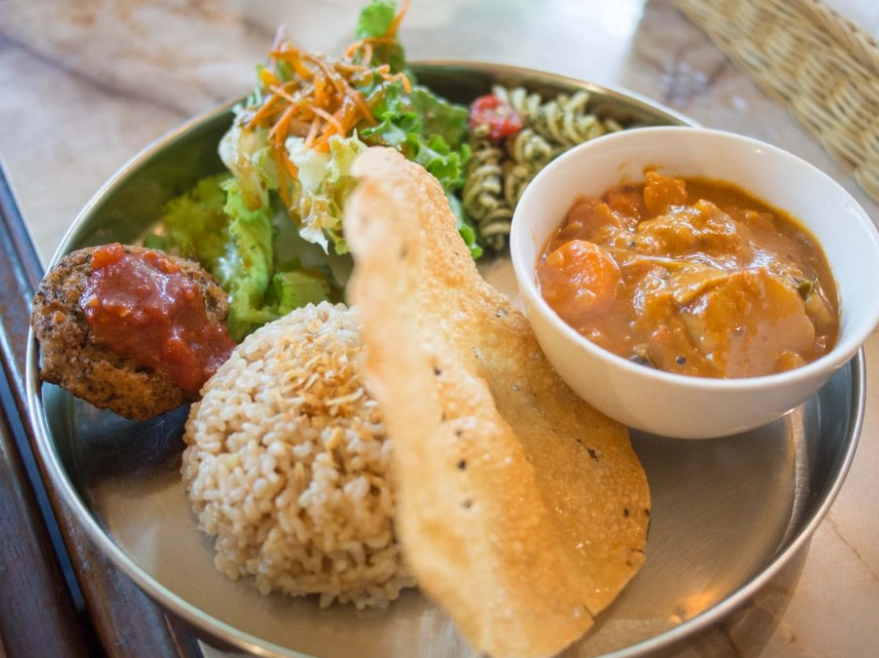
Beyond Restaurants: Groceries and Home Cooking
Sometimes you just want to cook. Areas like Nishi-Kasai and Okubo are lined with Indian grocery stores. You can find fresh methi, bhindi, all the dals, spices, and frozen items like parathas and ready-to-cook curries. Stores like Spice Box in Okubo are well-stocked. For a unique experience, visit on a weekend when the communities are out shopping—the energy is fantastic.
I often pick up a packet of paneer and a jar of good curry paste (like Shan or MDH brand) for a quick 15-minute dinner. It's a lifesaver.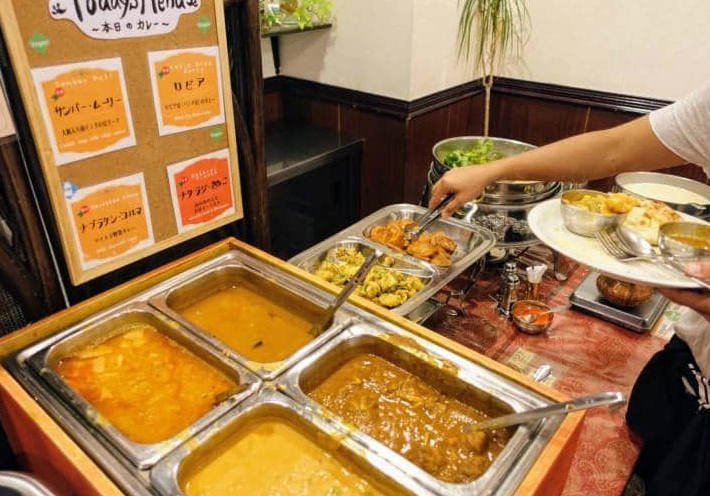
Your Indian Vegetarian Tokyo Questions Answered
I'm vegan. How easy is it to find dairy-free Indian food in Tokyo?
Easier than you might think, but you must ask. Dishes like chana masala, aloo gobi, and most dals are often naturally vegan if made without ghee (clarified butter). Always specify "no ghee, no milk, no cream, no yogurt" ("ghee nashi, miruku nashi, cream nashi, yogurt nashi"). Restaurants like Ganesha explicitly mark vegan options. South Indian food is a great bet—many dosa batters are just rice and lentils.
What's the best area to stay in if Indian vegetarian food is a priority?
For sheer density and authenticity, look at hotels near Nishi-Kasai Station (Tozai Line) or Shin-Okubo Station (Yamanote Line). Nishi-Kasai feels like a mini-Indian neighborhood with multiple restaurants and grocers. Shin-Okubo is more pan-Asian but has a high concentration of Indian/Nepali spots. Both offer a more local experience than staying in central tourist hubs.
I have a limited budget. Can I still eat well at Indian restaurants in Tokyo?
Absolutely. The lunch set (teishoku) is your best friend. From 11:30 to around 14:00 or 15:00, most restaurants offer a set meal for ¥800 to ¥1300 that includes a curry, rice, naan or roti, a small salad, a drink (like lassi or chai), and sometimes a dessert. Sarvana Bhavan and Annapurna are particularly good for this. You can eat a massive, satisfying meal without breaking the bank.
Are there any Indian vegetarian restaurants in Tokyo that are good for a large group or family?
Yes, but call ahead. Maharaja in Nishi-Kasai can accommodate larger groups, and the thali service is perfect for sharing and trying many things. Ganesha in Shibuya has more spacious seating than most. Avoid the tiny basement shops in Okubo for groups larger than four. A pro tip: Many restaurants have tatami or semi-private rooms you can reserve, which is great for noisy families.
I'm nervous about communication. Will I be able to order?
Don't be. Menus almost always have pictures and English. Staff at these establishments are accustomed to foreign customers. Learning a few phrases helps: "Bejitarian" (vegetarian), "Kore wa niku ga haitte imasu ka?" (Does this contain meat?), and "Oishikatta" (It was delicious) will get you smiles. Pointing at the menu is completely acceptable.
Exploring Tokyo's Indian vegetarian scene has been one of the joys of living here. It's a testament to the city's incredible diversity. From the steam of a fresh dosa at a counter-top joint to the elaborate spread of a thali, there's a flavor and experience for every mood. Don't just stick to one place—venture out, try the different regional specialties, and talk to the owners. You'll leave with a full stomach and a deeper appreciation for Tokyo's hidden culinary layers.



Share Your Thoughts