I remember my first trip to Japan. I was so excited, but my bank account wasn't. I made every classic mistake – expensive hotels, last-minute Shinkansen tickets, eating in fancy restaurants every night. I blew my budget in the first week. It was a lesson learned the hard way. Now, after multiple trips and countless conversations with fellow budget travelers, I know Japan doesn't have to be a luxury destination. You can have an incredible, culture-rich experience across two weeks without financial panic. This guide is the one I wish I had.
Your Two-Week Japan Budget Journey at a Glance
Crafting Your Japan Budget Travel Blueprint
Let's be real. "Budget" means different things to different people. For this guide, we're targeting a comfortable but conscious spend, where you're not missing out on key experiences but you're also not throwing money away. The golden rule? Prioritize experiences over luxury. A tiny but clean capsule hotel near a major station is smarter than a fancy hotel in a remote area requiring expensive taxis.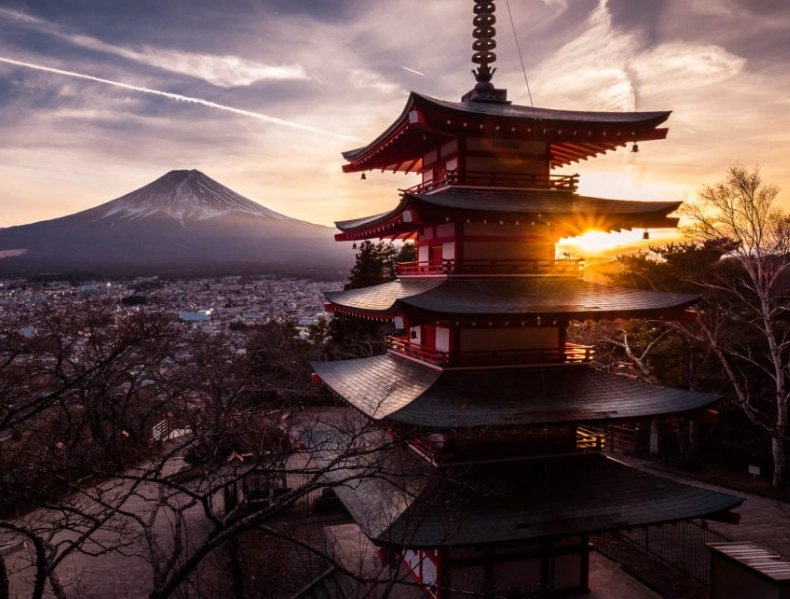
Your budget's biggest enemies are last-minute decisions and long-distance travel. The fix is a solid plan. Focus your two weeks on one or two regions. The most popular and logistically smooth choice is the Golden Route: Tokyo, Kyoto, and Osaka, with a potential side trip to Hiroshima or Nara. Trying to add Hokkaido or Kyushu will destroy your budget on internal flights or rail passes.
Pro Tip from a Local Friend: Many first-timers overestimate how much they can move around. Japan's cities are dense with things to do. You'll enjoy Kyoto more with three full days instead of two frantic ones. Depth over breadth saves money and sanity.
How to Save Big on Transportation in Japan
This is where you win or lose the budget game.
The Japan Rail Pass (JR Pass) Dilemma
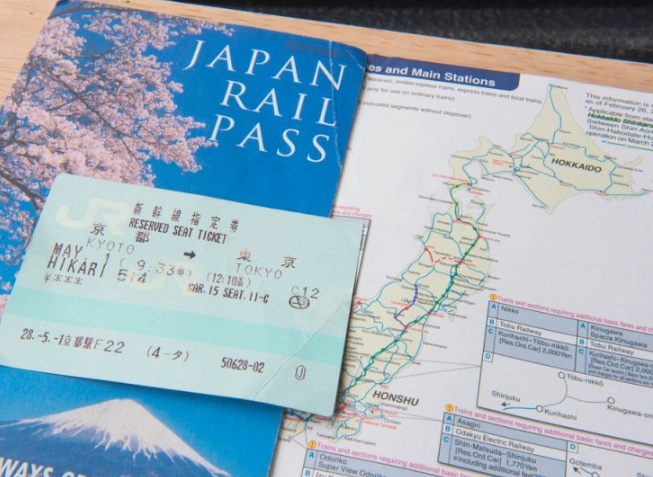
It's not an automatic buy. As of now, a 14-day Ordinary JR Pass costs around ¥47,250. Do the math. A one-way Shinkansen ticket from Tokyo to Kyoto is about ¥13,000. A round trip already costs ¥26,000. Add a trip from Kyoto to Hiroshima (¥11,000 each way) and local JR trains, and the pass quickly pays for itself on this classic route.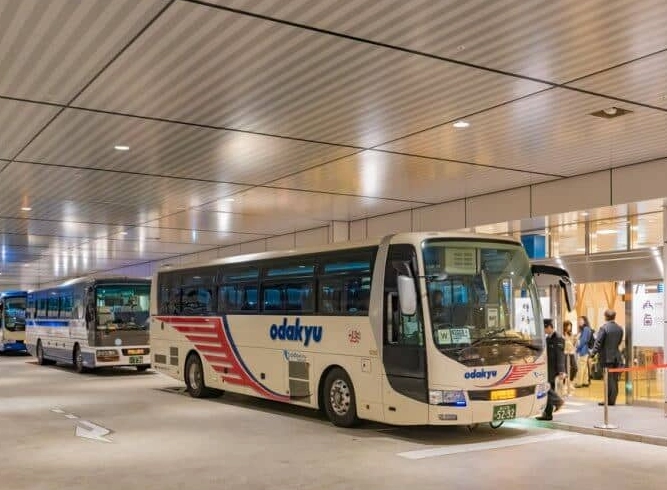
But if your itinerary is Tokyo-focused with one trip to Kyoto, paying separately might be cheaper. Use the JR Pass Calculator from JRPass.com (an official vendor) before you commit. Remember, you must purchase the Exchange Order outside of Japan.
Beyond the Shinkansen: The Real Money-Savers
Don't sleep on buses. Overnight buses between Tokyo and Kyoto/Osaka can cost as little as ¥5,000 to ¥8,000, saving you a night's accommodation. Will-Ki Express and JR Bus are reliable operators.
Within cities, day passes are your best friend. Tokyo has the Tokyo Metro 24-hour Ticket (¥600). Kyoto's Bus One-Day Pass (¥700) is essential for navigating the city's bus-based system. In Osaka, the Osaka Amazing Pass offers unlimited subway travel plus free entry to over 40 attractions – a steal if you plan well.
Where to Stay in Japan on a Budget?
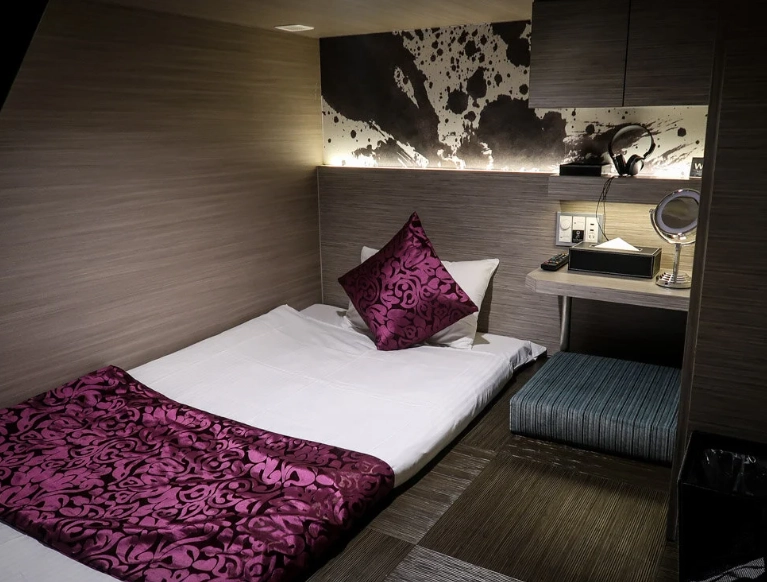
Forget western notions of hotel size. Japanese budget rooms are compact, efficient, and almost always spotless.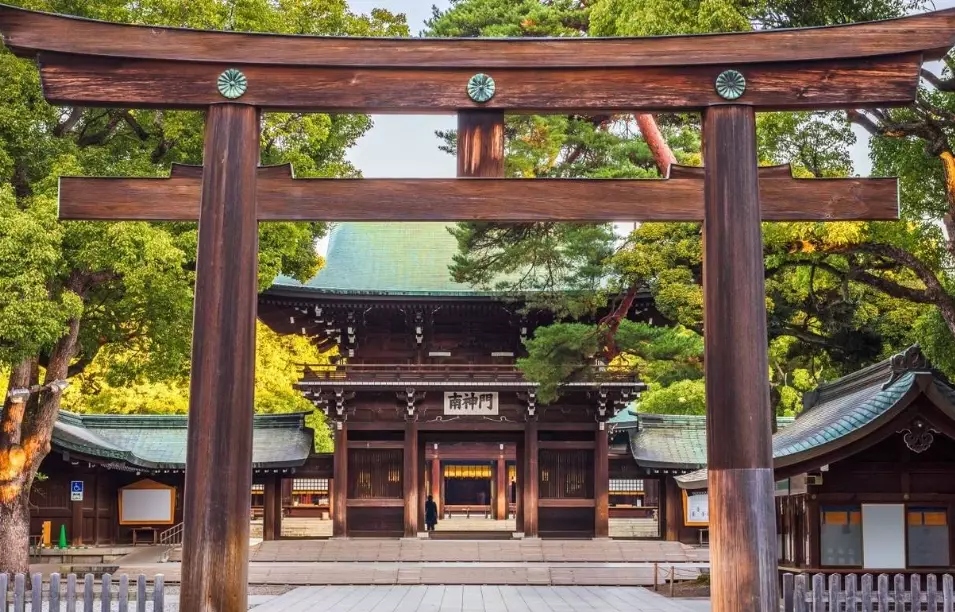
| Accommodation Type | Avg. Price/Night | Best For | Key Areas to Search |
|---|---|---|---|
| Business Hotels (e.g., APA, Toyoko Inn) | ¥5,000 - ¥8,000 | Solo travelers or couples who want privacy & convenience. | Near major train stations (Shinjuku, Ueno in Tokyo; around Kyoto Station). |
| Capsule Hotels | ¥3,000 - ¥5,000 | Solo travelers on a tight budget; a unique experience. | Major city centers and near nightlife districts. |
| Hostels & Guesthouses | ¥2,500 - ¥4,500 (dorm) | Solo travelers, groups, social butterflies. | Asakusa (Tokyo), Downtown Kyoto, Namba (Osaka). |
| Weekly Mansions (Furnished Apartments) | ¥4,000 - ¥7,000 (per person for 2) | Groups or longer stays; having a kitchen saves on food. | Search online in Japanese; often found in residential neighborhoods. |
My personal favorite for a balance of cost and location are business hotels in the Ueno area of Tokyo. You're a short walk from the park, museums, and Ameya Yokocho market, with great train links, and prices are often lower than in Shinjuku or Shibuya.
Eating Like a King on a Ramen Budget
Japanese food doesn't mean expensive sushi every day. The country's casual food scene is a budget traveler's dream.
Convenience Stores (Konbini): 7-Eleven, FamilyMart, Lawson. These are your lifeline. ¥300 buys a filling onigiri (rice ball), sandwich, and drink. Their hot snacks like fried chicken (karaage) are legitimately delicious. I've had many breakfasts and late-night snacks here.
Standing Noodle Bars (Tachigui): Look for small counters where people eat quickly. A hearty bowl of soba or udon can be ¥400-¥600. There's a famous one under the tracks near Tokyo's Shinjuku Station.
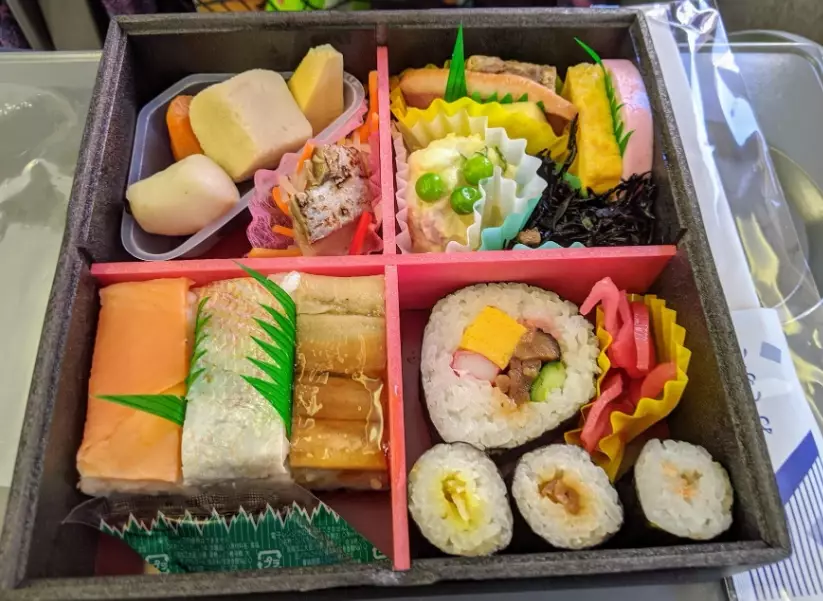
Department Store Basements (Depachika): Go to the food hall of a department store like Isetan or Takashimaya around 7-8pm. They discount sushi sets, bento boxes, and prepared foods massively. Grab a feast for your hotel room.
Specific Budget Eats:
- Kyoto: Head to Nishiki Market for samples and small bites. Try a ¥500 matcha soft serve. For lunch, look for small shops along the streets leading to Kiyomizu-dera serving katsu-don (pork cutlet bowl) for under ¥800.
- Osaka: Dotonbori is touristy, but side streets have affordable okonomiyaki (savory pancake) shops. A filling portion costs ¥800-¥1,200. Also, try kushikatsu (deep-fried skewers).
A Day-by-Day, Wallet-Friendly 14-Day Japan Itinerary
Here’s a balanced mix of must-sees and local gems, designed to minimize backtracking and extra costs. Assume you have a 14-day JR Pass starting Day 2.
Tokyo (Days 1-5)
Day 1: Arrive at Narita/Haneda. Take the Keisei Skyliner (book online for discount) or limousine bus to Ueno. Check into your hotel. Evening stroll in Asakusa (Senso-ji Temple is free, Nakamise-dori for snacks).
Day 2: Shinjuku. Free wandering in the skyscraper district, Shinjuku Gyoen National Garden (¥500 entry). Evening in Golden Gai for a drink (one bar visit is enough).
Day 3: Shibuya & Harajuku. See the scramble, walk down Takeshita Street (window-shop, don't buy much), visit Meiji Jingu (free).
Day 4: Ueno & Akihabara. Ueno Park (free), visit the Tokyo National Museum (¥1,000). Afternoon in Akihabara for anime/tech culture.
Day 5: Day trip to Nikko using a Tobu Nikko Pass from Asakusa (covers round-trip train and local buses). See Toshogu Shrine (¥1,300). Or, a cheaper option: Kamakura using a local train from Tokyo Station.
Kyoto (Days 6-9) - Activate JR Pass for Tokyo to Kyoto trip.
Day 6: Morning Shinkansen to Kyoto (about 2.5 hours). Afternoon in Southern Higashiyama: Kiyomizu-dera (¥400), walk the preserved streets of Sannenzaka.
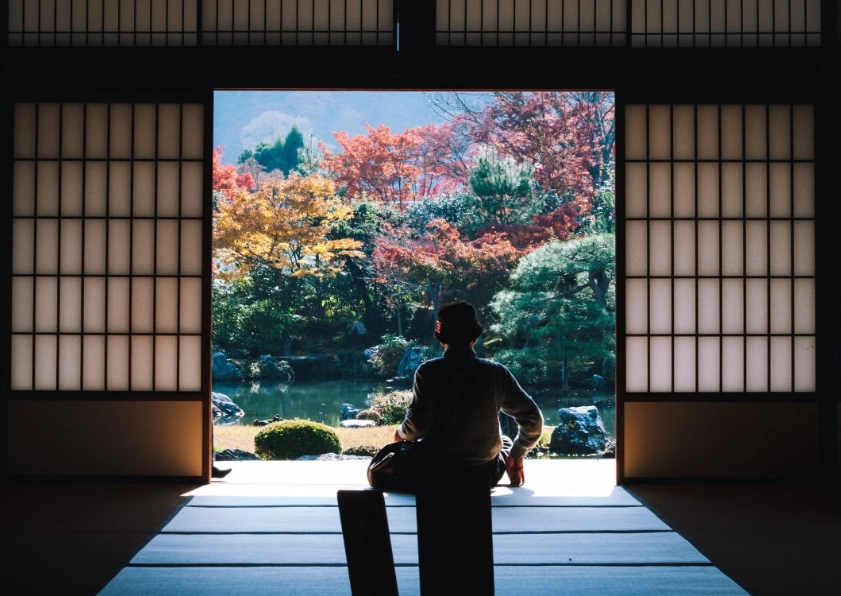
Day 7: Arashiyama. Take the JR train. Bamboo Grove (free, go early), Tenryu-ji temple garden (¥500). Skip the expensive rickshaws.
Day 8: Northern Kyoto. Fushimi Inari Shrine (free, open 24/7 – go for sunrise or sunset to avoid crowds). Then, take a train to Nara (30 mins from Kyoto using JR Pass). Feed the deer in Nara Park (crackers are ¥200), see Todai-ji Temple (¥600).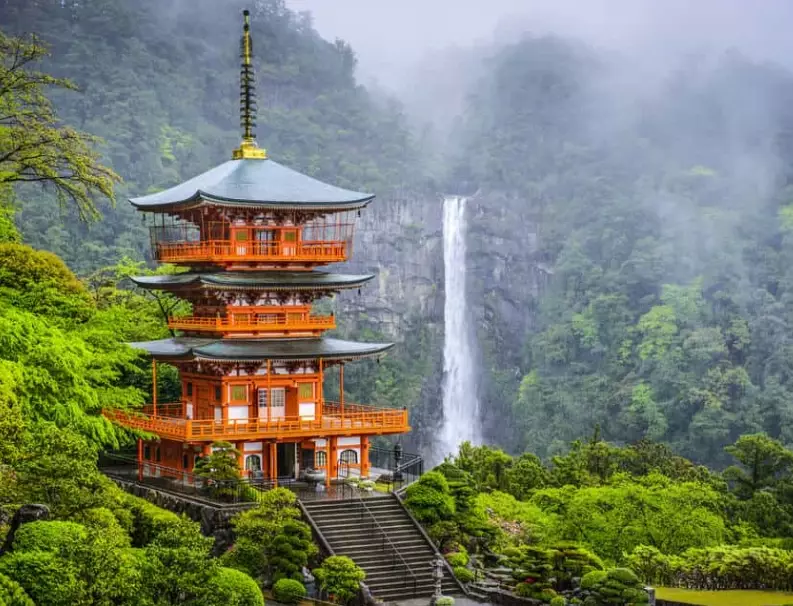
Osaka & Hiroshima (Days 10-13)
Day 10: Short train to Osaka. Drop bags. Osaka Castle (¥600, or view from the park for free). Afternoon in Shinsekai and Dotonbori for street food.
Day 11: Use the Osaka Amazing Pass. Visit the Umeda Sky Building (free with pass), take a river cruise, explore museums.
Day 12: Day trip to Hiroshima via Shinkansen (1.5 hrs from Osaka). Visit the Peace Memorial Park & Museum (¥200). Take a ferry to Miyajima (not fully covered by JR Pass, but ferry discount) to see the floating torii gate.
Day 13: Flexible day. More Osaka exploration, or a trip to Himeji (30 mins by Shinkansen) to see the stunning, pristine Himeji Castle (¥1,000).
Return (Day 14)
Shinkansen from Osaka back to Tokyo for your evening flight out. If flying from Kansai International Airport (KIX), you can leave directly from Osaka.
Budget Mistakes You're Probably About to Make (And How to Avoid Them)
- Mistake 1: Buying bottled water everywhere. Tap water is safe to drink. Bring a bottle and refill it.
- Mistake 2: Taking taxis. Just don't, unless it's an emergency. The subway and trains are precise and cover everything.
- Mistake 3: Not using luggage forwarding (Takkyubin). Moving between cities? Send your large suitcase from your Tokyo hotel to your Kyoto hotel for about ¥2,000. Travel with a day pack on the Shinkansen. It's cheaper than renting a large locker or struggling on trains.
- Mistake 4: Overlooking free attractions. People-watching in Shibuya, exploring the Imperial Palace East Gardens, hiking partway up Mount Inari, wandering through Pontocho Alley at night – these cost nothing and are often the best memories.
The biggest secret to a budget Japan trip isn't a single hack. It's a mindset shift. Embrace the efficiency, seek out the local everyday spots, and plan your movement wisely. Two weeks in Japan on a budget isn't just possible; it can be the most rewarding way to experience the country's true rhythm.
Your Japan Budget Travel Questions Answered
Is the Japan Rail Pass worth it for a 2-week budget trip?
It depends heavily on your itinerary. For the classic Tokyo-Kyoto-Osaka-Hiroshima loop outlined above, a 14-day Ordinary Pass is almost always worth it. The moment you add that long trip to Hiroshima, the math works. However, if you're only doing Tokyo and Kyoto with maybe a short side trip, calculate the individual Shinkansen fares first. A common mistake is buying the pass for a Tokyo-only trip, which rarely pays off. Use the official calculator and be honest about your travel speed.
Can I do Japan for two weeks for under $1000 (excluding flights)?
It's a very tight squeeze, but possible with extreme budgeting. You'd need to stay in the cheapest hostel dorms every night (¥2,500 x 14 = ¥35,000), eat primarily from convenience stores and street food (¥2,000/day = ¥28,000), use only local trains and buses, avoiding the Shinkansen (maybe ¥20,000), and skip most paid attractions. That's roughly ¥83,000, or about $530. Adding a 7-day JR Pass for minimal long-distance travel would push it closer to $800. So, $1000 is possible, but you'll be saying "no" to a lot. A budget of $1200-1500 is far more realistic and enjoyable.
Do I need to carry a lot of cash in Japan?
More than you might think. While major hotels, department stores, and chain restaurants take cards, smaller restaurants, markets, street vendors, temples for entry fees, and many local buses require cash. I recommend withdrawing ¥30,000-¥50,000 at a time from 7-Eleven ATMs (which accept foreign cards and have English menus). They have the best rates and low fees. Don't rely solely on your credit card.
What's the best way to find cheap accommodation that's not a hostel?
Business hotels are your best bet. Use booking sites like Booking.com and Agoda, but filter by price and look at the map. Areas just one stop away from major hubs are often cheaper. For example, stay in Nippori instead of Ueno, or in Namba instead of right next to Osaka Station. Also, consider guesthouses (like those in K's House chain) which offer private rooms that are cheaper than business hotels, often with a shared kitchen to save on meals.
Share Your Thoughts