Let's be honest. When you search for the best luxury ryokan in Japan, you're not just looking for a place to sleep. You're hunting for an experience that feels like a secret, a deep dive into a quieter, more profound version of Japan that most tourists never see. It's about steaming outdoor onsens under starry skies, meals that are edible art, and a level of service so intuitive it feels psychic. But with so many options—from Kyoto's cultural heart to Hakone's misty mountains—how do you choose? After years of visits and more than a few missteps, I've learned what separates the truly exceptional from the merely expensive. This isn't just a list; it's a roadmap to finding *your* perfect ryokan.
Your Quick Guide to Luxury Ryokans
What Makes a Ryokan ‘Luxury’? (Beyond the Price Tag)
Anyone can charge a lot of money. A true luxury ryokan earns it through details you might not think to look for. Forget just having an onsen. The question is: is it a genuine, free-flowing hot spring (*tennen onsens*) or reheated tap water? Is the water source on the property? The difference in skin feel and authenticity is massive.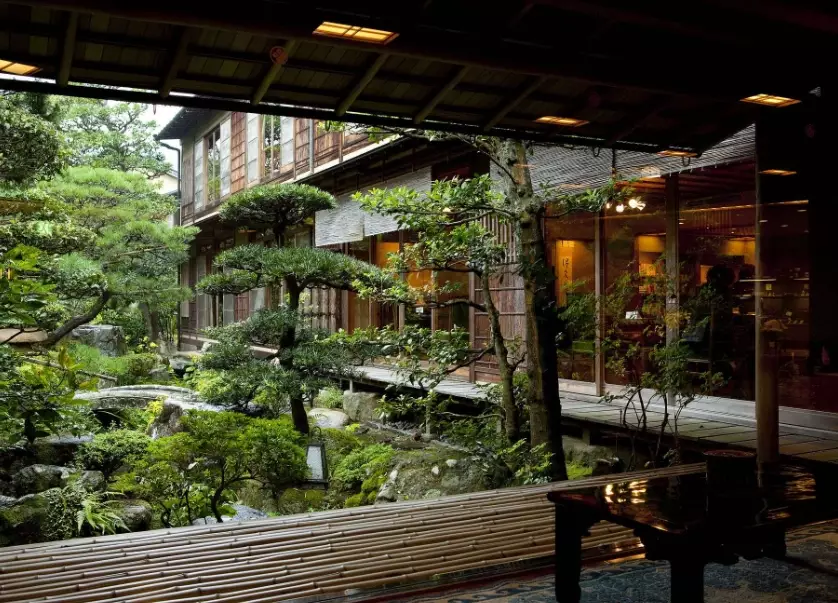
The food is another make-or-break. A premium ryokan serves *kaiseki* that's hyper-local and seasonal. I once stayed at a place in Ishikawa where the chef explained each fish's catch location from the nearby Sea of Japan that morning. That's the level you want. It's not just dinner; it's a narrative of the region.
Then there's service—*omotenashi*. It's anticipatory, not reactive. The staff remembers your name, your preference for tea, and discretely arranges your futon while you're at dinner. But here's a subtle mistake many first-timers make: they confuse formality with quality. The best service feels warm and personal, not cold and robotic. A good test is how they handle a small request or an off-menu question.
Finally, consider the space and privacy. Are the rooms truly soundproof? Do the garden views feel exclusive, or are you staring at another guest's window? In luxury, privacy is the ultimate currency.
Key Elements of a Top-Tier Ryokan: Authentic Onsen Source | Michelin-level *Kaiseki* Cuisine | Personalized *Omotenashi* Service | Design that Blends Tradition & Modern Comfort | Ultimate Privacy and Tranquility
Top Picks: The Best Luxury Ryokans in Japan
This list isn't ranked 1-10 because your perfect match depends on what you value most: cutting-edge design, untouched tradition, or perhaps the most legendary kaiseki. Here are my top contenders, each a champion in its own right.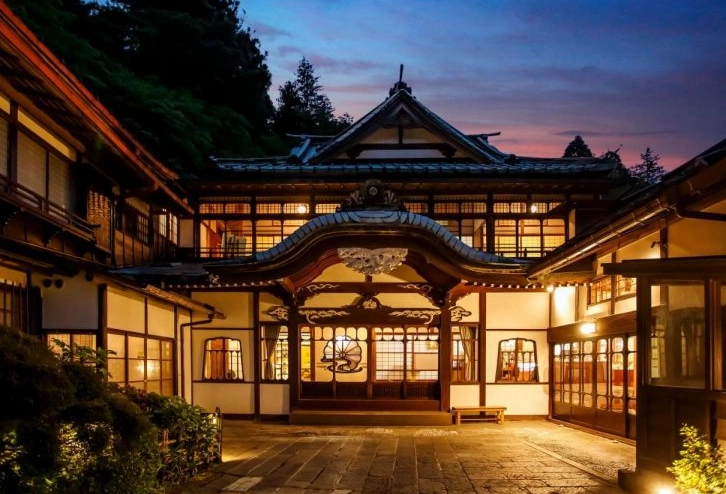
| Region | Ryokan Name & Core Vibe | Standout Feature | Address / Location | Price Range (Per Night, 2 pax) |
|---|---|---|---|---|
| Kyoto (Higashiyama) | Hiiragiya Bekkan Timeless, family-run elegance. |
Historic main building since 1818; exquisite, understated gardens visible from many rooms. The service is generations-deep. It feels like staying in a living museum of Kyoto hospitality. | Nakagyo-ku, Kyoto. A short walk from the Kyoto Imperial Palace. | ¥80,000 - ¥150,000+ |
| Kyoto (Arashiyama) | Suiran, a Luxury Collection Hotel Modern luxury with a river view. |
Stunning location on the banks of the Hozu River. Offers a more hotel-like experience (with beds) while retaining ryokan soul, including kaiseki and beautiful communal baths. Perfect for those who find pure ryokans too traditional. | Ukyo-ku, Kyoto. In the heart of scenic Arashiyama. | ¥70,000 - ¥120,000+ |
| Hakone | Gora Kadan The iconic modern ryokan. |
Formerly a villa for the imperial family. Its minimalist design, flawless service, and exceptional open-air granite baths are the gold standard. It's often fully booked for a reason. | Hakone-machi, Kanagawa. Accessible via the Hakone Tozan Railway. | ¥100,000 - ¥250,000+ |
| Izu Peninsula | Atami Sekitei Ocean-view serenity. |
Every suite has a private open-air onsen with panoramic views of Sagami Bay. The architecture is breathtaking, built into the cliffside. It's a destination in itself, far from crowds. | Atami City, Shizuoka. About 1h from Tokyo by Shinkansen. | ¥90,000 - ¥200,000+ |
| Kaga Onsen (Ishikawa) | Kayotei Wabi-sabi philosophy lived. |
Only 10 rooms. It's an immersion in Japanese aesthetics—rustic yet refined, focusing on tranquility, artisanal crafts, and local ingredients. The owner's curation is palpable everywhere. | Kaga, Ishikawa. Near the quieter Kaga Onsen area. | ¥70,000 - ¥120,000+ |
A quick note on Hoshinoya and Amanemu—they're fantastic, but they feel more like luxury resorts with a ryokan flavor. If you want the quintessential, owner-operated ryokan heart, the ones above deliver it more purely.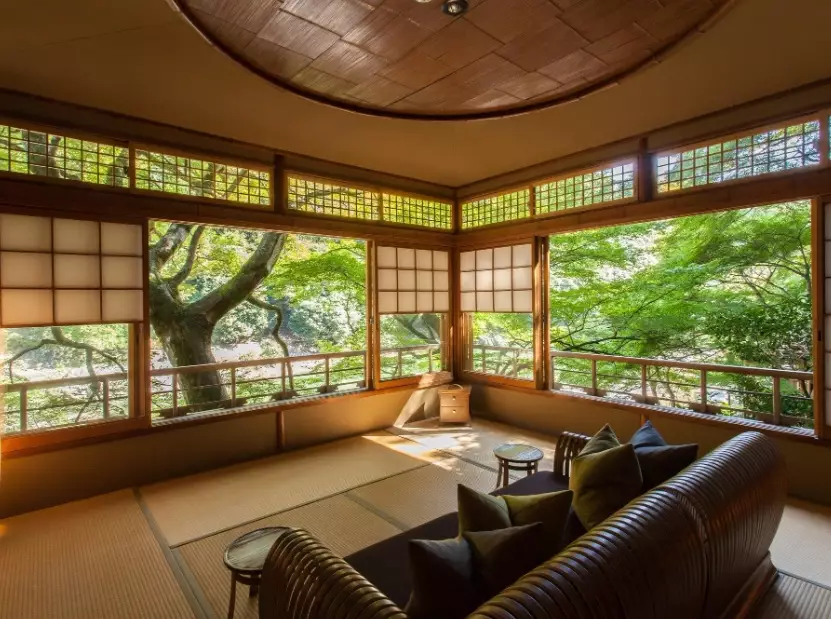
Why I Keep Going Back to Hiiragiya Bekkan
It's not the flashiest. The rooms aren't the largest. But there's a soul there. The *okami* (female proprietor) remembers my wife's preference for a firmer pillow from three years prior. The tatami has a scent that's uniquely theirs—a mix of aged straw and incense. Their breakfast, served in the room, is a simple yet perfect affair that sets the pace for the day. It’s this accumulation of perfect, tiny details that most luxury brands try to manufacture but can't.
How to Book Your Luxury Ryokan Stay (Without the Headache)
Booking a top ryokan is a sport. Here’s how to win.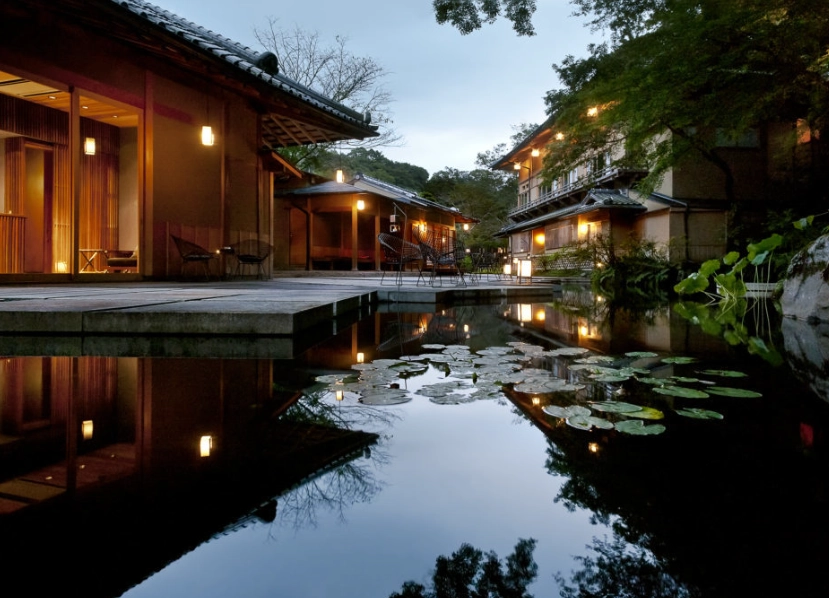
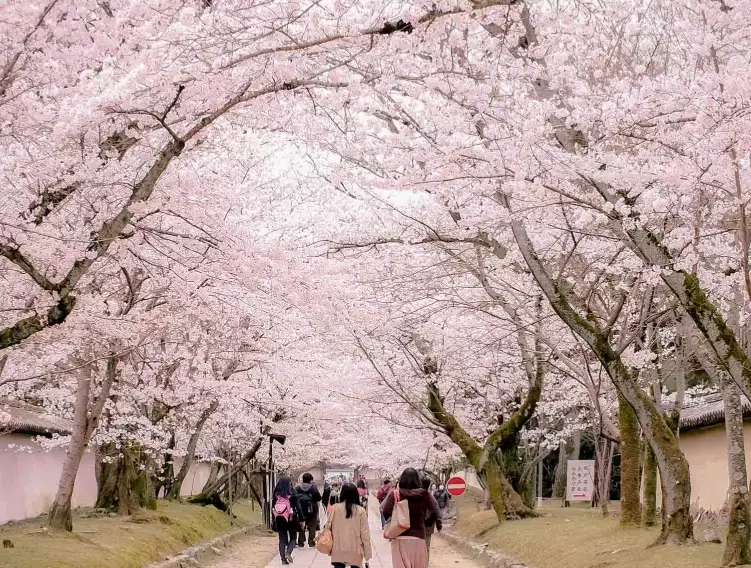
Timing is Everything: For peak seasons (cherry blossom, autumn foliage, Golden Week), book 6-12 months in advance. For other times, 3-4 months is safe. Last-minute deals are rare at the very top tier.
Go Direct, If You Can: Many of the best ryokans prefer direct bookings via their official websites or phone/email. Why? They can offer you room choice, clarify dietary needs, and sometimes even better rates than aggregators. Use a translation app or ask your hotel concierge in Tokyo/Kyoto to call for you. It's worth the effort.
Use Trusted Platforms as a Backup: For English-friendly booking, Japanese Guest Houses and Ryokan Collection are specialists. They vet properties and handle communication. Major travel sites often list them, but you might miss out on room selection or specific meal plans.
Understand the Pricing: The price is almost always per person, per night, and includes dinner and breakfast (*shokuji tsuki*). It's not cheap, but you're paying for two gourmet meals, unparalleled service, and the venue itself.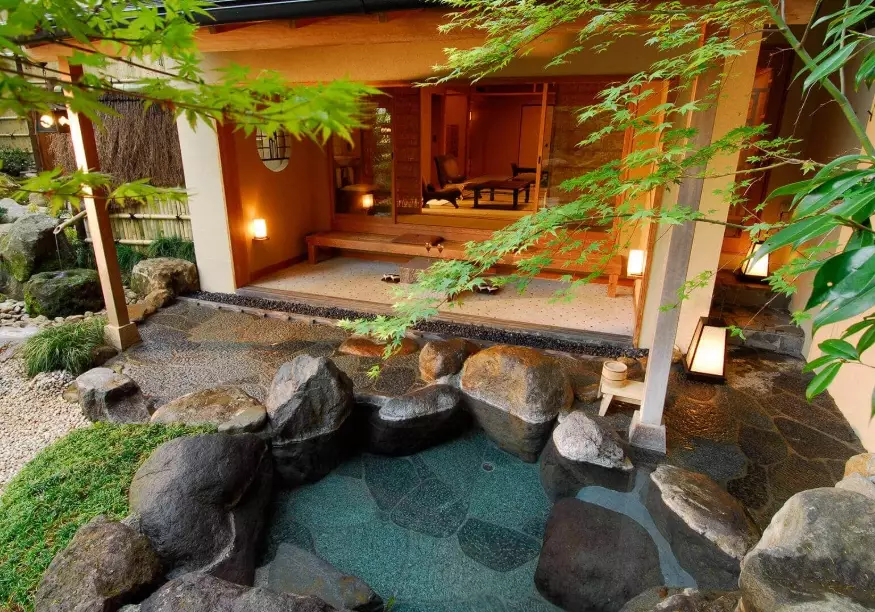
What to Expect: Ryokan Etiquette and Experience
Don't be intimidated. The rules are simple and designed to enhance your relaxation.
The Arrival & Check-in: You'll be greeted at the entrance, asked to remove your shoes (slippers provided), and served tea while you complete paperwork seated in a lobby chair. It's a moment to decompress instantly.
In Your Room: You'll wear yukata (cotton robe) provided. The left side goes over the right (the opposite is for the deceased). It's your lounge wear for the entire stay, even to the dining room. Your futon will be laid out while you're at dinner.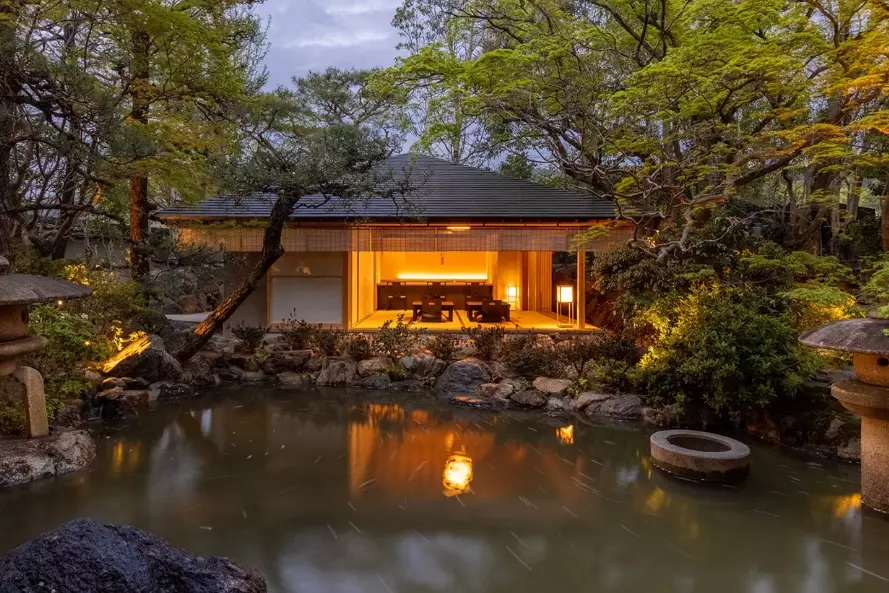
Onsen Etiquette: Wash thoroughly at the shower station *before* entering the bath. No swimsuits. Tie long hair up. Be quiet. It's a meditative space. Tattoos can be an issue; check the policy beforehand or book a room with a private onsen.
The Kaiseki Dinner: It's a multi-course journey. Your attendant will explain each dish. Pace yourself. It's okay not to finish everything. Communicate any dietary restrictions clearly at booking.
The rhythm is the magic: arrive, bathe, feast, sleep deeply, wake to a serene morning, bathe again, enjoy a hearty breakfast. You surrender to the schedule, and that's where the relaxation truly kicks in.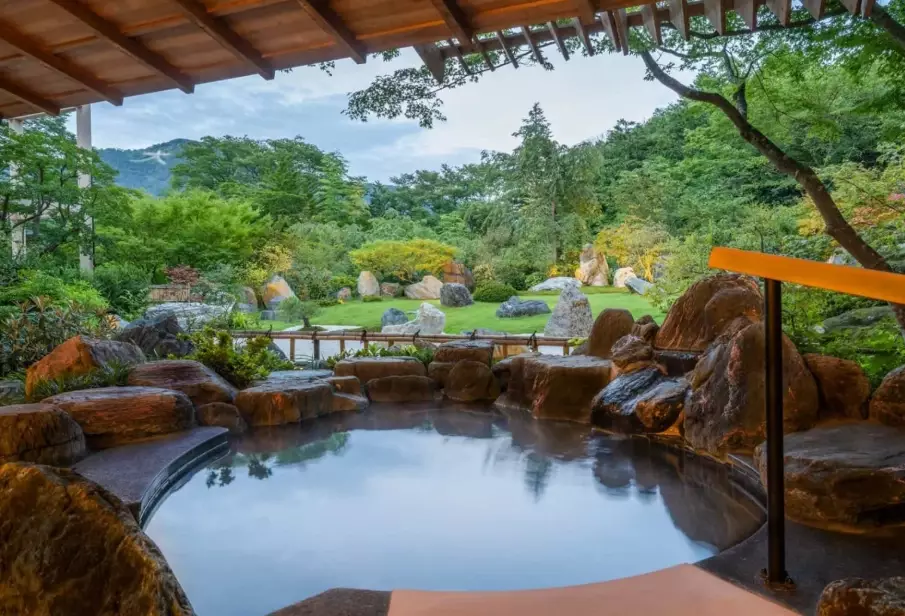
FAQ: Your Luxury Ryokan Questions Answered
Finding the best luxury ryokan in Japan is about alignment—matching the place's strengths with what you truly want from the experience. Whether it's the historic whispers of a Kyoto alleyway or the mineral-rich waters of a Hakone spring, the right choice doesn't just give you a place to stay. It gives you a story to remember, a feeling of peace that lingers long after you've put your shoes back on.


Share Your Thoughts