Your Temple Hopping Map
Let's be honest. You search for a "Kyoto temples list" and you get a million results, all throwing names at you like Kinkaku-ji, Fushimi Inari, Kiyomizu-dera. It's overwhelming. Which ones are actually worth your limited time? Which ones are just tourist traps now? And are there any quiet ones left where you can actually feel something?
I've spent months in Kyoto over the years, sometimes just wandering from one temple gate to the next. I've seen the golden pavilion glitter under a winter sun, gotten lost in the bamboo behind a tiny neighborhood shrine, and yes, I've also been elbowed by tour groups at the most famous spots. This isn't just another list copied from a guidebook. This is my attempt to give you the real, usable, and honestly opinionated guide to navigating Kyoto's spiritual landscape.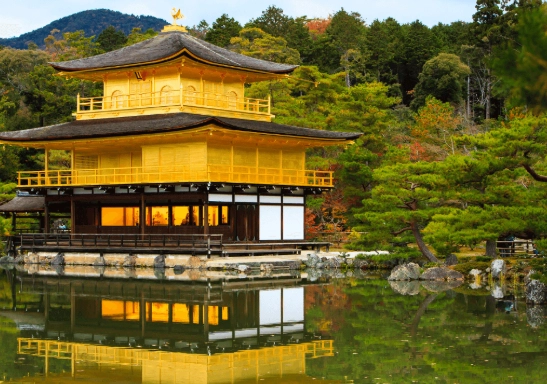
Think of this as your friend's messy but thorough notebook, not a sterile encyclopedia entry.
Because here's the thing about Kyoto: it has over 1,600 Buddhist temples. You're not going to see them all. The goal isn't to tick boxes; it's to have experiences that stick with you. A good Kyoto temples list should help you filter, not just inform.
Where to Even Start? Breaking Down the Kyoto Temple Universe
Before we dive into names and places, let's get our bearings. Kyoto's temples aren't a monolith. They belong to different schools of Buddhism (like Zen, Tendai, Shingon), which affects everything from their architecture to their atmosphere. Some are vast complexes on mountainsides, others are single, serene halls tucked between houses. Grouping them by *what they offer* is more helpful than just listing them alphabetically.
A pro tip I learned the hard way: Don't try to see more than three major temples in one day. Temple fatigue is real, and it makes all the beautiful details blur together. Space them out with walks through old neighborhoods, a coffee break, or a visit to a less-demanding shrine.
So, what are you looking for? Postcard-perfect iconic shots? Deep Zen meditation vibes? A quiet garden to sit and think? Or maybe a quirky, lesser-known spot? Your perfect Kyoto temples list will look different depending on your answer.
The Non-Negotiables: The Temples You've Probably Seen Pictures Of
Okay, let's get these out of the way. These are on every single Kyoto temples list for a reason. They are spectacular. They are also crowded. The strategy here isn't to avoid them, but to outsmart the crowds.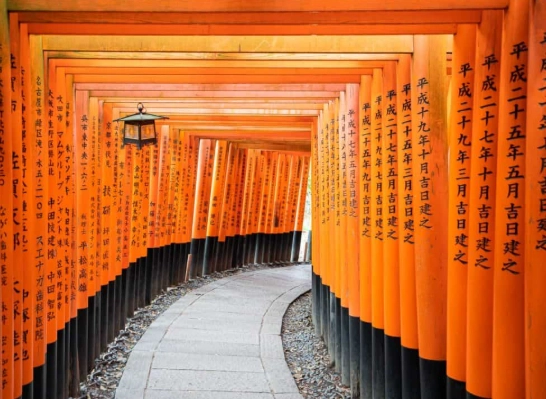
Kinkaku-ji (Rokuon-ji): The gold-leaf-covered pavilion. Yes, it's packed. Go right at opening (9 AM) or just before closing. The light is best in the morning, anyway. Don't expect to linger; the viewing path is a one-way loop.
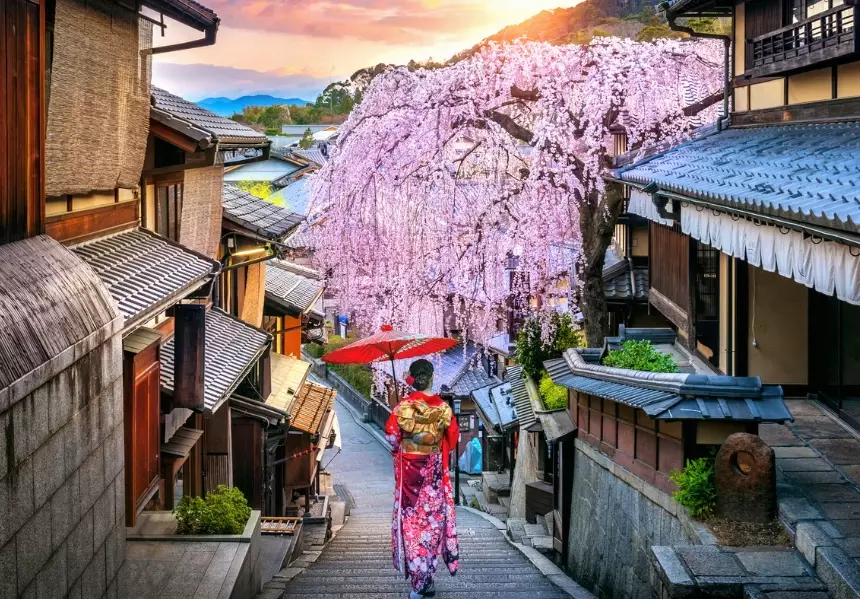
Kiyomizu-dera: The famous wooden stage jutting out over the hillside. The view over Kyoto is incredible, especially during cherry blossoms or autumn leaves. The approach up the historic Sannenzaka and Ninenzaka slopes is half the fun, full of old shops. Try visiting in the early evening—the crowds thin slightly, and the city lights start to twinkle.
Fushimi Inari Taisha: Okay, technically it's a Shinto shrine, not a Buddhist temple, but it's on every list so we have to mention it. The thousands of vermilion torii gates are magical. To escape the crowds at the base, you have to commit to the hike. Walk for 30-45 minutes up the mountain trails, and the paths become much quieter. Go at dawn if you can; it's an ethereal experience.
For these iconic spots, "early" is the most important word in your vocabulary.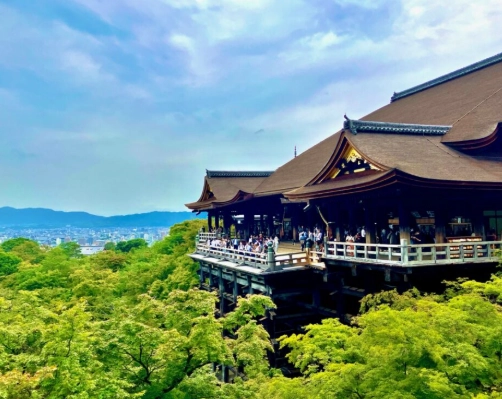
The Zen Masters: Temples for Atmosphere and Gardens
If the hustle of the big names isn't your speed, Kyoto's Zen temples offer a masterclass in tranquility. These are places designed for meditation, both active and passive. The gardens are not just pretty; they are philosophical statements in rock and moss.
Ryoan-ji: Home to Japan's most famous karesansui (dry landscape) rock garden. Fifteen rocks arranged on raked white gravel. You sit on the veranda and just... look. It's famously enigmatic. What does it mean? I've sat there for half an hour trying to figure it out. Some people find it profoundly peaceful, others find the silence intimidating. The temple's larger moss garden is also lovely and often overlooked.
Daitoku-ji: This isn't just one temple; it's a whole walled complex of subtemples, a quiet village within the city. It's a core part of any in-depth Kyoto temples list for Zen lovers. You pay separately to enter subtemples like Daisen-in or Koto-in. Koto-in is my personal favorite. A simple, elegant gate leads down a mossy path lined with bamboo. The autumn here, when the maple leaves contrast with the green moss, is heartbreakingly beautiful. It's rarely crowded.
Ginkaku-ji (The Silver Pavilion): Despite its name, it's never been covered in silver. But don't let that disappoint you. I actually prefer it to its golden cousin. The journey through its garden is a carefully composed experience—past a perfect cone of sand (the "Moon Viewing Platform"), alongside a mossy stream, and up a path through the woods for a lovely view back down. It feels more integrated and thoughtful.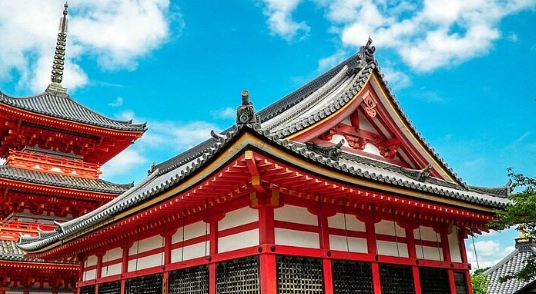
When visiting Zen gardens, take your time. Find a spot to sit quietly. Don't just snap a photo and leave. The design is meant to be absorbed slowly, letting your mind settle. It's the opposite of the Kinkaku-ji experience.
Building Your Personal Kyoto Temple Itinerary: A Practical Table
Mixing and matching is key. Here’s a quick-reference table to help you pair temples based on location, vibe, and how much time you have. This is where a generic Kyoto temples list becomes your personalized plan.
| Temple Name | Area | Main Vibe/Highlight | Best For | Crowd Level (1-5) |
|---|---|---|---|---|
| Kiyomizu-dera | Higashiyama | Iconic views, historic feel | First-time visitors, photographers | 5 (Very High) |
| Kinkaku-ji | Kita (Northwest) | Stunning visual spectacle | A must-see iconic shot | 5 (Very High) |
| Ryoan-ji | Ryoanji | Contemplative Zen rock garden | Philosophy, quiet contemplation | 4 (High) |
| Daitoku-ji (Koto-in) | Kita (North) | Serene moss & bamboo paths | Escaping crowds, deep calm | 2 (Low) |
| Ginkaku-ji | Higashiyama | Beautiful strolling garden | A more relaxed garden experience | 4 (High) |
| Ninna-ji | Omuro | Large complex, late-blooming cherries | Exploring grounds, off-season beauty | 3 (Medium) |
| Kodai-ji | Higashiyama | Night illuminations, bamboo grove | Evening visits, varied scenery | 4 (High, but spaced out) |
See how that works? If you're staying in the Higashiyama area (east Kyoto), pairing Kiyomizu-dera in the morning with a late afternoon visit to the quieter Kodai-ji makes logistical sense. If you're up north for Ryoan-ji, popping into the Daitoku-ji complex is easy. A smart Kyoto temples list is a map, not just a catalog.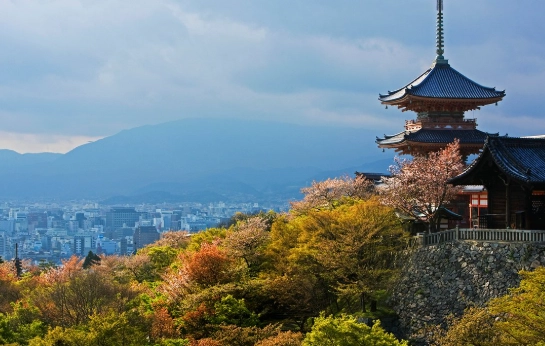
Beyond the Top Ten: Hidden Gems & Personal Favorites
This is my favorite part. The temples that don't always make the first page of search results. The ones where you might have a garden bench all to yourself.
Ninna-ji: Often overshadowed by its famous neighbor Ryoan-ji, Ninna-ji is a former imperial palace turned temple. It feels regal and spacious. The five-story pagoda is elegant, and the Goten (former residence) has beautiful painted screen doors and a lovely garden. Its cherry trees are a special late-blooming variety, so if you miss the main sakura season, this can be your savior.
Kodai-ji: Located near the bustling Maruyama Park, Kodai-ji is a bit of a chameleon. It has a charming bamboo grove path (smaller than Arashiyama's, but with fewer people), several different garden styles, and incredibly atmospheric night illuminations (koyo) during autumn and spring. It offers a lot of variety in one ticket.
Shisen-do: This one is a hike, literally. It's perched on a hillside in the northern Higashiyama area. Built by a retired scholar-poet, it's a hermitage. The garden is raked gravel and azaleas, pruned into perfect soft shapes. The sound of a *shishi-odoshi* (a bamboo water feature that clacks when full) punctuates the silence. It's tiny, intimate, and feels a world away. I found it by accident years ago and it remains a highlight.
Finding your own "hidden gem" is one of the great joys of Kyoto. Wander down a side street. Follow a small wooden sign. You might just discover a place that becomes *yours*.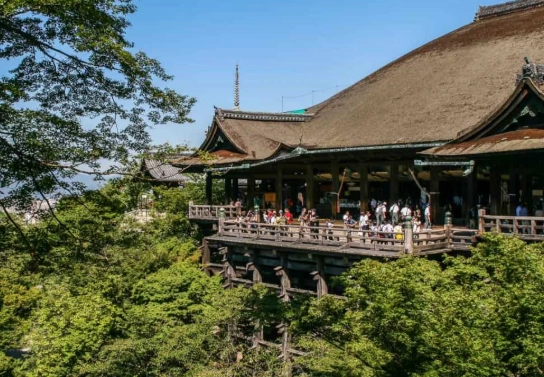
Answering Your Real Questions: A Kyoto Temples FAQ
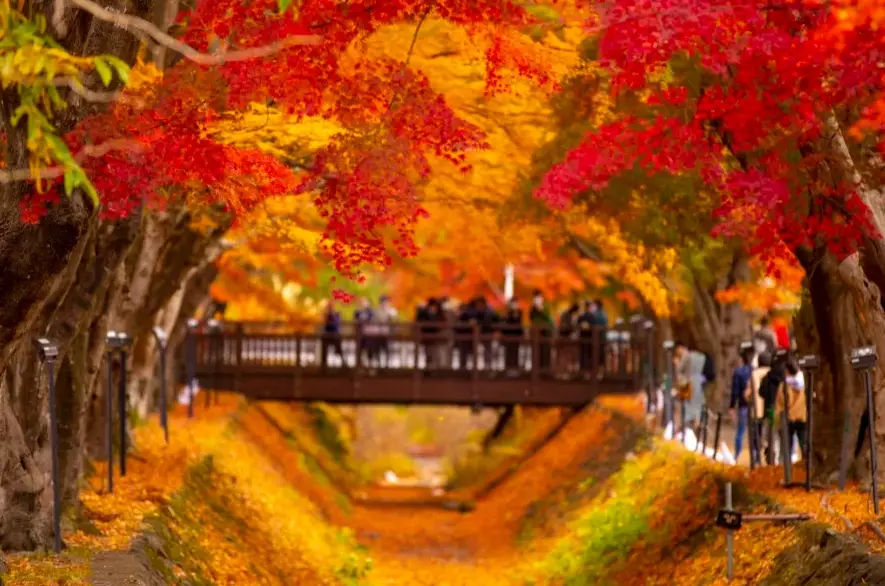
Spring (cherry blossoms, late March-early April) and autumn (foliage, November) are stunningly beautiful... and stunningly crowded. The colors are unreal—seeing Kiyomizu-dera framed by red maples is a core travel memory. But you will share it with thousands. Winter (December-February) is cold but crisp and less crowded. You might see temples with a dusting of snow, which is magical. Summer (June-August) is hot, humid, and rainy, but also green and vibrant. There's no bad time, just different trade-offs.
Most temples charge an entrance fee, typically between 400 and 1,000 yen (about $3-$8). The big ones like Kinkaku-ji and Kiyomizu-dera are on the higher end. There's no universal "temple pass" that covers all major sites. However, some combination tickets exist for temples within the same complex (like at Daitoku-ji). Budget around 2,000-3,000 yen per day if you plan to visit 3-4 paid temples.
Modesty is appreciated. Shoulders and knees should generally be covered, especially when entering main halls (hondo). You'll often be required to remove your shoes before entering certain buildings (like the main hall at Kiyomizu-dera or the shoin rooms at subtemples). Wear shoes that are easy to slip on and off. Socks are a good idea—the floors can be cold!
It's simple. Speak quietly. Don't run. Don't eat or drink in the main precincts (designated rest areas are fine). Before entering a hall where shoes are off, step out of your shoes and onto the raised floor—never let your feet touch the ground while you're sitting on the step to fiddle with your shoes. When you see a purification fountain (temizuya) at the entrance, it's for washing your hands and mouth before prayer, but as a tourist, it's fine to just observe unless you wish to participate respectfully.
Kyoto's bus network is comprehensive but can get very congested, especially on popular routes. The subway covers some key areas. For temples in northwest Kyoto (like Kinkaku-ji, Ryoan-ji), buses are your main option. For Higashiyama (east), many temples are walkable from each other once you're in the area. Taxis are a viable option for small groups traveling between non-walkable clusters. For official transport maps and route planners, the Kyoto City Official Website is a reliable resource, and the Japan National Tourism Organization (JNTO) site has excellent general travel advice.
Final Thoughts: Making Your List Your Own
So, after all this, what does the perfect Kyoto temples list look like? It's not a fixed set of names. It's a flexible guide that helps you match places to your mood, your energy level, and the weather on the day.
Maybe your list has three icons for your first visit. Maybe it's five quiet Zen gardens for a return trip. Perhaps it's just one temple per day, explored deeply, with lots of time for getting lost in the streets around it.
The real magic of Kyoto's temples often happens in the in-between moments: the smell of incense mixing with damp moss, the sound of a priest chanting from a distant hall, the feeling of cool, polished wood under your bare feet. No list can guarantee those moments, but a good one can set the stage for them.
Use this guide, the table, the tips. But also, leave room for spontaneity. Let your curiosity be your final filter. That little path leading away from the main hall? Take it. That unassuming temple gate you pass on your walk? Peek inside. Your personal Kyoto temples list is the one you write in your memory, not on paper.
Happy temple-hopping.



Share Your Thoughts