Let's cut to the chase. You're planning an amazing trip to Japan. You've got your flights, your ryokan booking, and a list of ramen shops longer than your arm. But have you thought about what happens if the ground starts shaking, a typhoon warning flashes on your phone, or you just twist your ankle on a temple step? Most travelers don't, until it's too late. An emergency bag isn't about paranoia; it's about smart, practical travel that lets you enjoy Japan with one less worry. Based on over a decade of living and traveling here through earthquakes, torrential rains, and everything in between, this is the no-fluff, actionable guide to building your Japan-specific emergency kit.
Your Quick Packing Guide
Understanding Japan's Unique Risks (It's Not Just Earthquakes)
First, let's frame the "why." Japan is incredibly safe, but its geography presents specific challenges. Your emergency bag should address these, not a generic list from the internet.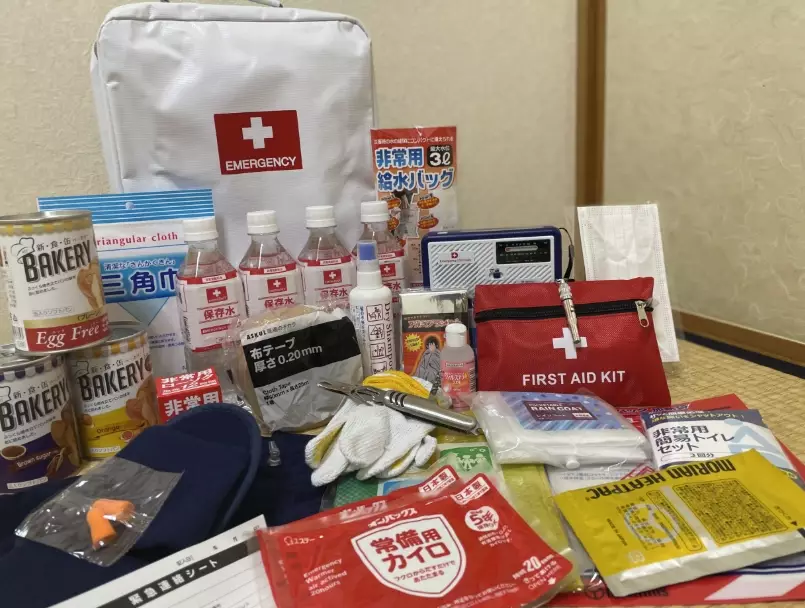
Seismic Activity: Yes, earthquakes are frequent. The Japan Meteorological Agency reports over 1,500 noticeable tremors a year. Most are minor, but the big one is a matter of "when," not "if." The key isn't just surviving the quake, but managing the aftermath—potential power outages, transport shutdowns, and the need to stay put or walk long distances.
Typhoons and Heavy Rain: From July to October, typhoons can batter the archipelago, causing flooding, landslides, and massive travel disruption. Trains stop. Flights are canceled. You might be stuck in your accommodation for a day or two.
The Daily Hurdles: Beyond disasters, think about smaller emergencies. Blisters from miles of walking. Sudden allergies. A dead phone battery when you're lost in the maze of Shinjuku Station. Your emergency bag doubles as a daily problem-solver.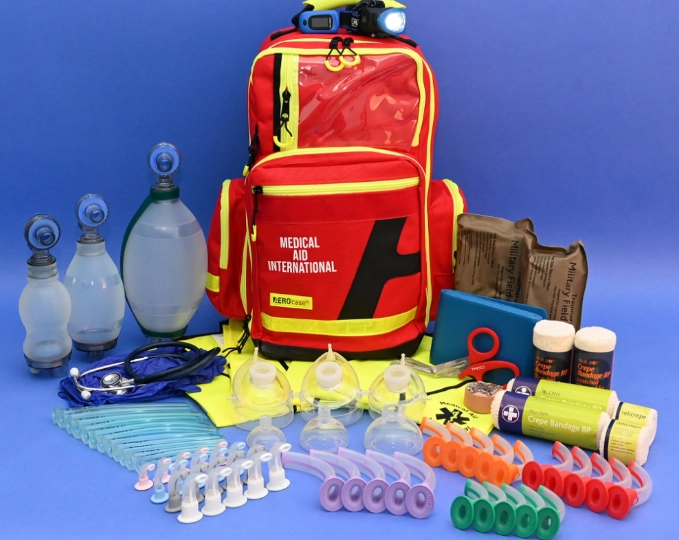
A quick story: During a major typhoon in Tokyo, I was glad for my kit not because of the storm itself, but because the convenience stores on my block sold out of bottled water and batteries within hours. The vending machines went offline. My pre-packed water and power bank meant I could ride it out comfortably while others scrambled.
The Essential Japan Emergency Bag Checklist
This isn't a backpack you carry daily. It's a compact, lightweight kit (aim for a small daypack or a sturdy reusable bag) that stays in your hotel room or Airbnb. If you need to evacuate or are confined, you grab it and go. Here’s the breakdown, item by item.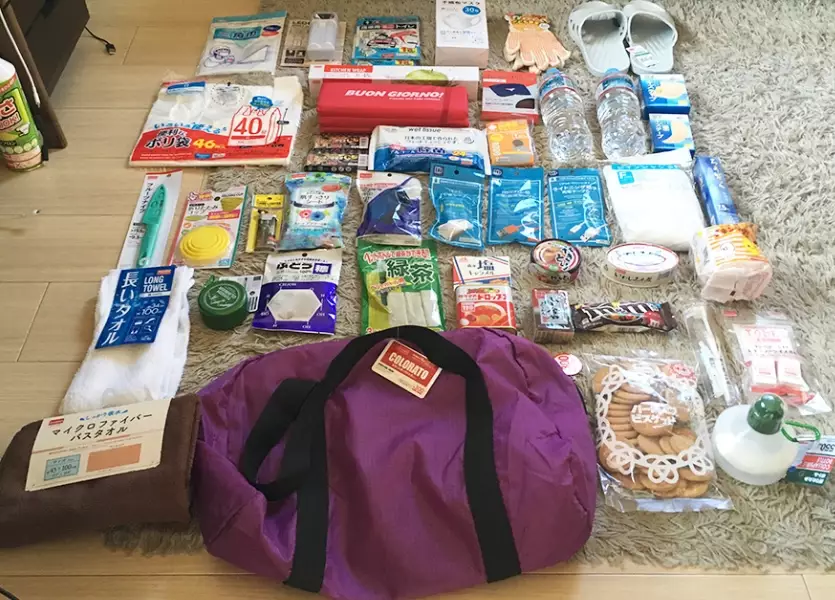
| Category | Item | Why It's Critical for Japan & Specific Tips |
|---|---|---|
| Water & Sustenance | 500ml Bottled Water (x2) | Water mains can break in quakes. Vending machines may fail. Pack at least 1 liter total. Replace every trip. |
| Water & Sustenance | High-Calorie Energy Bars (x3-4) | Choose ones with long shelf life and that you'll actually eat. CalorieMate or SoyJoy bars, sold everywhere in Japan, are perfect local options. |
| Light & Communication | Hand-Crank or Battery-Powered Flashlight | Power outages happen. A hands-free headlamp is even better. Avoid relying solely on your phone's light. |
| Light & Communication | Portable Power Bank (Fully Charged) | Your lifeline for maps, translation, and emergency alerts. Capacity: 10,000mAh minimum. Keep it charged. |
| Light & Communication | Whistle | To signal for help if you're trapped or injured. Attach it to the bag's zipper. |
| Health & Safety | Basic First-Aid Kit | Must include: Adhesive bandages (blisters!), antiseptic wipes, gauze, medical tape, pain relievers (ibuprofen/acetaminophen), any personal prescription meds (with original labels), anti-diarrheal tablets. Japan's pharmacies (drugstores) are great, but you need immediate access. |
| Health & Safety | N95 or Surgical Masks (x3) | Standard in Japan for illness and allergies. Crucial for dust/debris after a quake or in crowded evacuation centers. |
| Health & Safety | Packable Rain Poncho | Compact, disposable ones are fine. Typhoon rain is horizontal; umbrellas fail. A poncho keeps you and your bag dry if you must move. |
| Information & Comfort | Physical Map of Your City Area & Hotel Card | Phones die. Have a paper map with your hotel circled. A business card from your lodging is vital for showing taxi drivers or officials if you're lost and language is a barrier. |
| Information & Comfort | Cash in Japanese Yen (¥10,000-¥20,000) | ATMs and card systems can go down. Keep small bills (¥1,000 notes) and coins for vending machines or payphones. Store it separately from your wallet. |
| Information & Comfort | Warm Layer & Socks | A lightweight thermal top, beanie, or packable down jacket. Evacuation centers can be cold. Dry socks are a morale booster if your feet get wet. |
| Japan-Specific Extras | Slip-On Shoes or Sturdy Sandals | Leave these by your bed. In a nighttime quake, broken glass is the main hazard. Don't fumble for laces—slide these on. |
| Japan-Specific Extras | Portable Wi-Fi Device (Pocket Wi-Fi) & Charger | Often rented by travelers anyway. Your primary source for emergency alerts, news, and communication. Include its charging cable in the kit. |
What Most Lists Miss: The "Daily Use" Add-Ons
Keep these in your daypack, not your main emergency kit. They prevent small issues from ruining your day.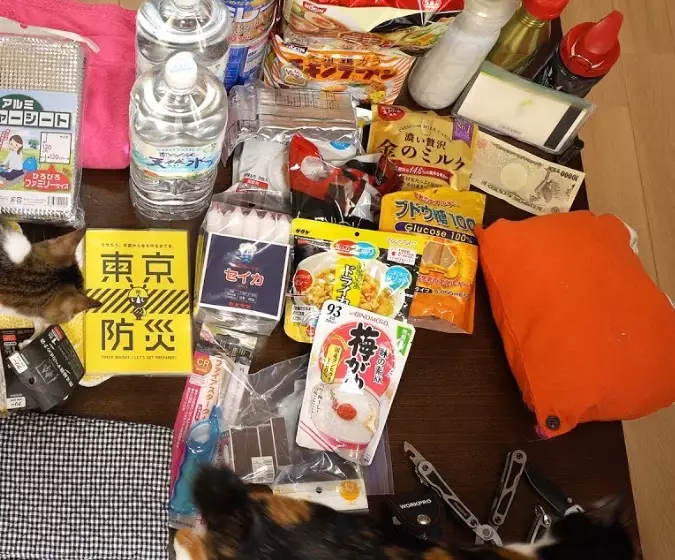
- Hand Sanitizer & Pack of Tissues: Many public restrooms lack soap and paper towels. Tissues (tempo) are also used as napkins.
- Small Roll of Toilet Paper: A partial roll or a pocket pack. Some older public toilets, especially in parks or rural stations, may not have it.
- Universal Power Adapter with USB Ports: Japan uses Type A/B plugs (100V). Bring an adapter that can handle multiple devices.
- Reusable Shopping Bag (Furoshiki or Tote): Useful for carrying purchases, separating wet clothes, or as an extra layer.
How to Assemble and Use Your Emergency Bag
Packing it is one thing. Knowing what to do is another.
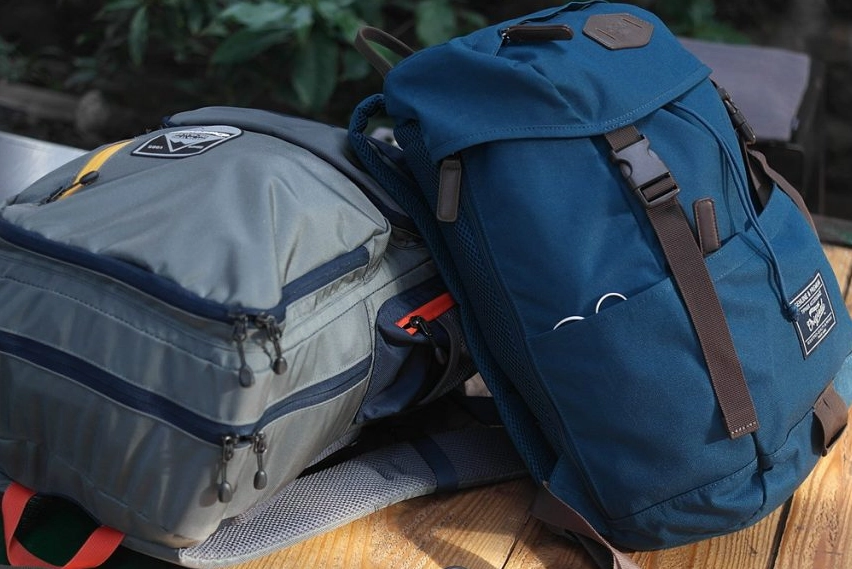
Step 1: The Bag. Use a brightly colored backpack so it's easy to find in the dark or in a cluttered closet. A waterproof one is a bonus.
Step 2: The Home Base. The moment you check into your room, identify the safest spot. This is usually under a sturdy desk or table, away from windows. Place your emergency bag and your bed-side shoes there. Do not unpack it into a drawer. The whole point is grab-and-go.
Step 3: The Mental Drill. When you arrive, take 5 minutes. Locate the emergency exits on your floor. Check the hotel's evacuation map (usually on the back of the door). Download the official "Safety Tips" app from the Japan National Tourism Organization (JNTO). It provides earthquake early warnings and emergency info in English.
Step 4: If Something Happens. If you feel a strong earthquake: Drop, Cover, and Hold On. Get under that desk. Stay put until the shaking stops. Don't run outside immediately—falling debris is a risk. After it stops, put on your shoes, grab your bag, and follow instructions from authorities or your accommodation. Use your phone for info, but conserve battery.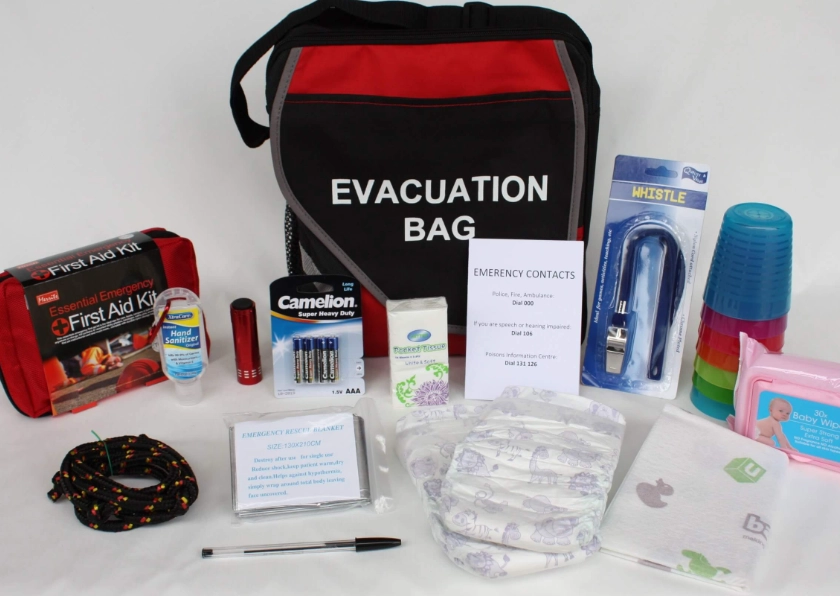
What is the most common mistake travelers make?
They pack the kit but then bury it at the bottom of their suitcase under clothes and souvenirs. In an emergency, you have seconds, not minutes, to react. If your kit isn't immediately accessible by your bed or at the door, it's useless. The second mistake is skipping the cash. In a major disruption, digital payments fail first. Physical yen is your most reliable tool.
Putting this kit together takes less than an hour and might cost you ¥5,000-¥10,000. Weigh that against the peace of mind of knowing you're prepared. Japan is a country that plans meticulously for disasters; as a visitor, doing a little planning yourself is the ultimate sign of respect—and the smartest way to ensure your dream trip isn't derailed by the unexpected.
Share Your Thoughts