Your Quick Beach Warmth Guide
- Breaking Down "Warm": Water Temperature Month by Month
- More Than Just Water: The Air Temperature and "Feels Like" Factor
- Not All Warmth is Created Equal: A Beach-by-Beach Comparison
- The Best Time to Go for Warm Water (And a Great Overall Experience)
- Answering Your Burning Questions (The FAQ Section)
- Final Thoughts: So, Are They Warm?
Let's cut straight to the chase. If you're typing "Are Okinawa beaches warm?" into Google, you're probably picturing yourself wading into crystal-clear, bath-like water under a bright sun. You're not wrong to imagine that. The short, direct answer is yes, overwhelmingly yes. Okinawa's beaches are famously warm for a large part of the year, thanks to its subtropical climate. But that simple "yes" doesn't tell the whole story, and your experience can vary wildly depending on when you go, where you go, and even what you consider "warm."
I remember my first trip there in early December. I'd heard all about the "warm winters," so I packed my swimsuit with confidence. Stepping onto the sand at Manza Beach, the air was pleasantly mild, but that first dip? Let's just say it was more invigorating than I'd braced for. It wasn't cold by any stretch—certainly not like the Pacific Northwest—but it wasn't the bathwater I'd naively expected either. It taught me that "warm" is a relative term. So, let's ditch the vague descriptions and get into the real, practical details you need to plan your perfect beach day.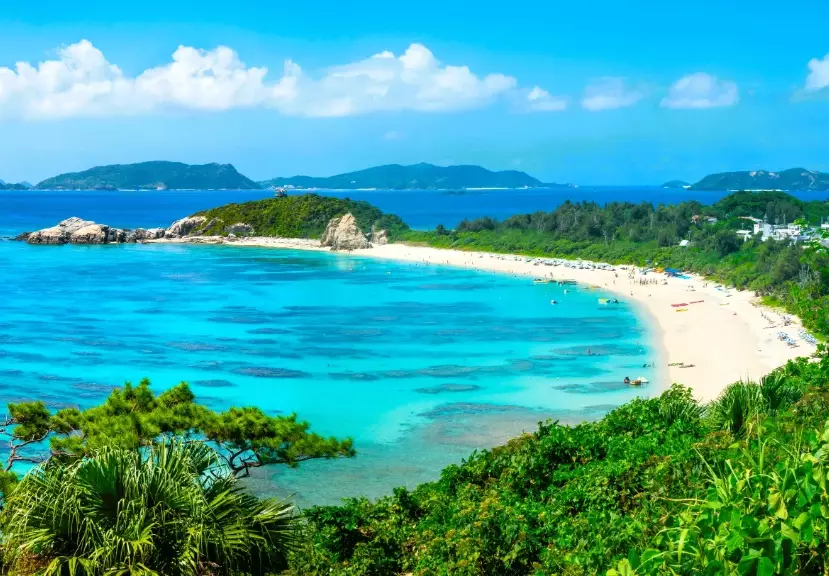
Breaking Down "Warm": Water Temperature Month by Month
Asking "Are Okinawa beaches warm?" is like asking if soup is hot—it depends on the spoonful. To give you a clear picture, here’s a month-by-month breakdown based on long-term averages from the Japan Meteorological Agency. This is the gold standard for weather data in Japan, and it's where you should check for the most current forecasts before your trip.
| Month | Average Sea Surface Temp (°C) | Average Sea Surface Temp (°F) | Comfort Level for Swimming | At a Glance |
|---|---|---|---|---|
| January | 22 - 23°C | 72 - 73°F | Cool to Mild. Refreshing for a quick dip, but most locals won't swim for long. | Coolest water of the year. Air can be breezy. |
| February | 21 - 22°C | 70 - 72°F | Cool. Similar to January. Wetsuits are common for snorkeling/diving. | Often the lowest temps. Not ideal for casual swimming. |
| March | 22 - 23°C | 72 - 73°F | Mild. Starting to warm up. Comfortable for many by late March. | The turning point. Water begins its climb. |
| April | 24 - 25°C | 75 - 77°F | Pleasant. A definitive yes for most people. Perfect for long swims. | One of the best months overall. Warm water, fewer crowds. |
| May | 26 - 27°C | 79 - 81°F | Very Warm. Absolutely delightful. This is the start of prime beach season. | Golden hour begins. Humidity starts to rise. |
| June | 28 - 29°C | 82 - 84°F | Bath-like. Extremely comfortable. Rainy season starts, but water is warm. | Warmest water coincides with rainy season. |
| July | 29 - 30°C | 84 - 86°F | Bath-like & Perfect. Peak warmth. Like getting into a heated pool. | Hot, humid, sunny. Peak tourist season. |
| August | 29 - 30°C | 84 - 86°F | Bath-like & Perfect. Consistently the warmest alongside July. | Hottest air temps. Risk of typhoons. |
| September | 28 - 29°C | 82 - 84°F | Very Warm to Bath-like. Stays incredibly warm despite autumn's approach. | Typhoon season peak. Water remains summer-like. |
| October | 27 - 28°C | 81 - 82°F | Very Warm. Still excellent for swimming and water sports. | My personal favorite month. Warm water, less humidity, fewer storms. |
| November | 25 - 26°C | 77 - 79°F | Pleasant to Warm. Most visitors find this perfectly swimmable. | A hidden gem period. Water is still lovely. |
| December | 23 - 24°C | 73 - 75°F | Mild. On the cooler side, but many (especially from colder climates) will still swim. | Water cools noticeably. Christmas swims are possible! |
See the pattern? For about eight solid months—from April through November—the average water temperature is at or above 24°C (75°F), which is widely considered a very comfortable threshold for swimming. That's a long season. So, when people ask are Okinawa beaches warm, the data shows they are warm for the majority of the calendar year.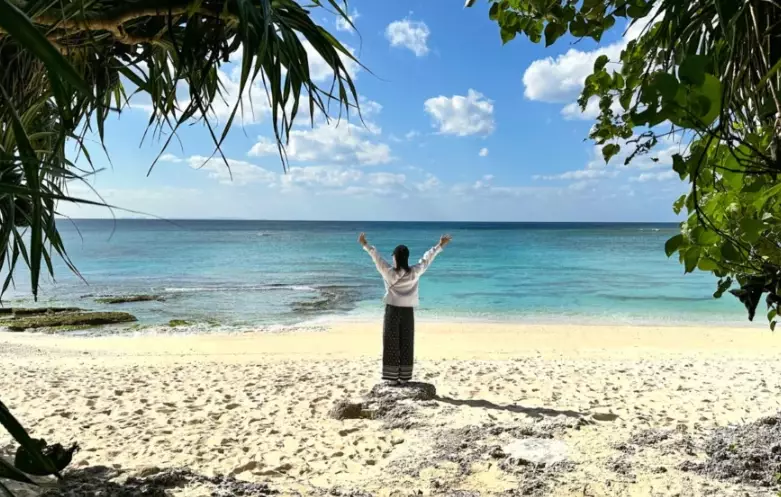
More Than Just Water: The Air Temperature and "Feels Like" Factor
You don't experience a beach in a vacuum. The water temperature is only half the equation. That "Are Okinawa beaches warm?" feeling is a combination of the sea, the air, the sun, and the wind.
Imagine 25°C (77°F) water. If the air is a cool 18°C (64°F) with a strong wind, getting out of the water will feel chilly, even if the swim itself was fine. Conversely, if the air is a humid 32°C (90°F), that same 25°C water will feel refreshingly cool.
Summer (June - August)
Air temperatures soar into the high 20s and low 30s Celsius (80s-90s°F) with intense humidity. The sun is fierce. In this context, the ocean isn't just warm; it's a necessary relief. You'll want to get in to cool off. The beaches feel intensely hot and tropical. Sun protection is non-negotiable.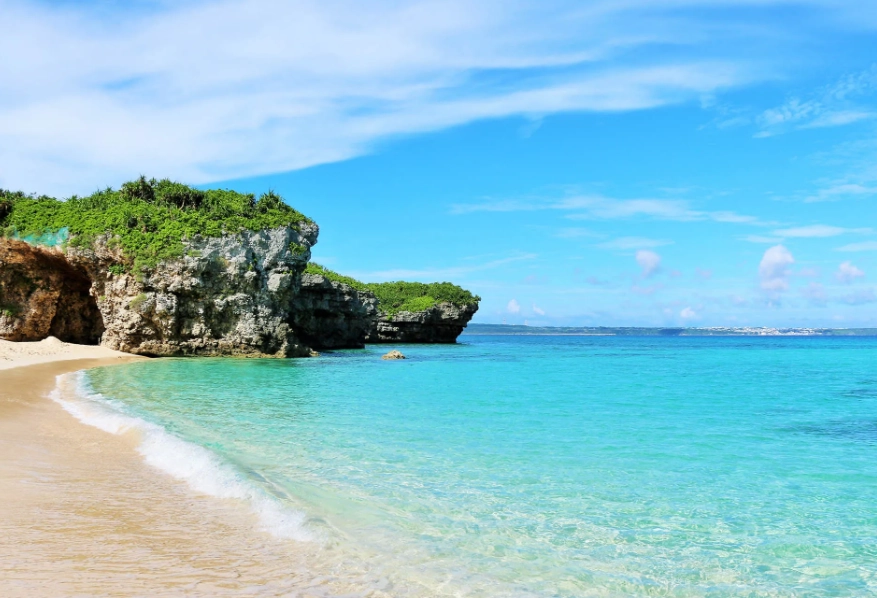
Shoulder Seasons (April-May, October-November)
This is the sweet spot for many. Air temps are in the pleasant mid-20s°C (70s°F). Humidity is lower. The sun is warm but not scorching. The water is warm but not the only escape from the heat. This balance is why seasoned travelers often prefer these months. The beach experience feels more actively enjoyable rather than a survival tactic against the heat.
Winter (December - March)
Air temperatures can drop to around 15-20°C (59-68°F), and it can be quite windy, especially on the east coast. This is the crucial context. While the water might still be 22°C (72°F), a brisk wind can make the beach feel decidedly non-tropical. Sunbathing is still possible on calm, sunny days, but swimming becomes a brief, bracing activity rather than a languid float. This is why the official Okinawa Tourist Information site often highlights spring and autumn as the prime seasons for all-around comfort.
Not All Warmth is Created Equal: A Beach-by-Beach Comparison
Believe it or not, the answer to "Are Okinawa beaches warm?" can change depending on which beach you visit. Geography matters.
Main Island Okinawa vs. The Remote Islands (Yaeyama, Miyako)
The further south and west you go, the warmer it generally gets. Islands like Ishigaki and Iriomote (part of the Yaeyama archipelago) are closer to Taiwan and often experience slightly warmer water and air temperatures year-round compared to Naha on the main island. Miyakojima is also renowned for its consistently clear and warm waters. If your sole mission is to find the absolute warmest beaches in Japan, set your sights on these outer islands.
Let's compare some popular spots in terms of their "warmth profile":
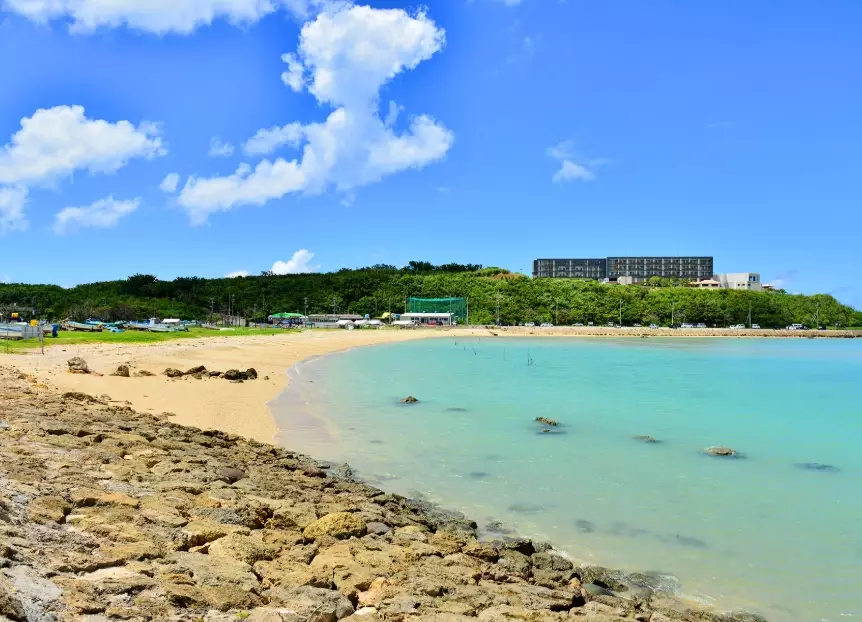
- Manza Beach (Onna Village, West Coast): A resort area with beautiful coves. The water is typically calm and clear. Because it's on the more sheltered west coast, it can feel slightly warmer and less windy than east coast beaches in the winter. Great for families seeking predictable conditions.
- Sunset Beach (Chatan, West Coast): As the name suggests, famous for sunsets. It's a popular, easily accessible beach. The water is reliably warm in season, but it can get crowded, which, in a way, makes it feel "hotter." The sandy bottom heats up nicely.
- Emerald Beach (Ocean Expo Park, North Coast): Man-made but stunningly beautiful, with sections divided by rock walls. The enclosed design might mean slightly less water circulation. On a hot summer day, the water in the shallow areas can feel incredibly—almost overly—warm, like a giant, natural wading pool.
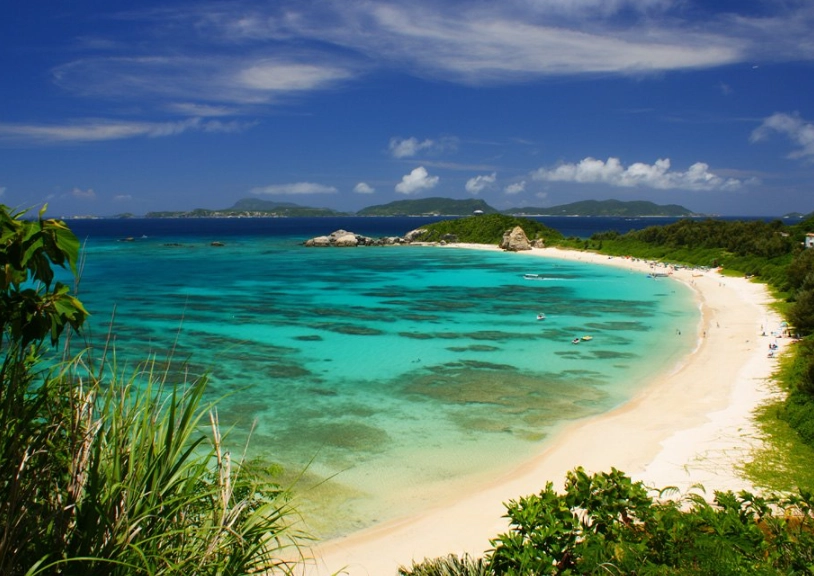
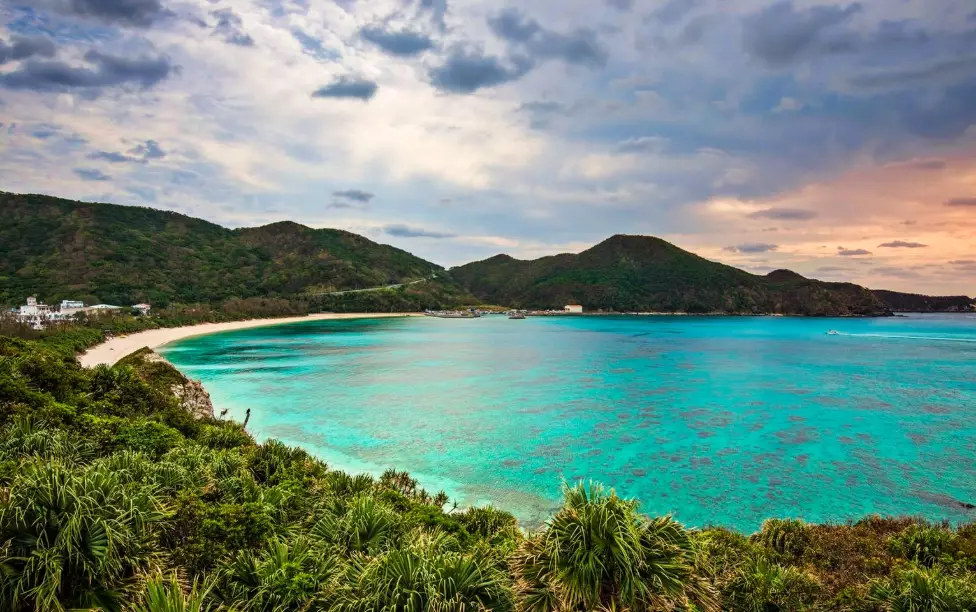
- Aharen Beach (Tokashiki Island, Kerama Islands): A ferry ride away, the Keramas are known for insane clarity. The water might feel a tiny bit cooler than the main island due to depth and currents, but the trade-off is visibility that makes you forget all about temperature. You're too busy staring at fish.
So, are Okinawa beaches warm? On the outer islands, you can often say they're even warmer. On the main island, west coast beaches often feel subjectively warmer in the off-season due to wind protection.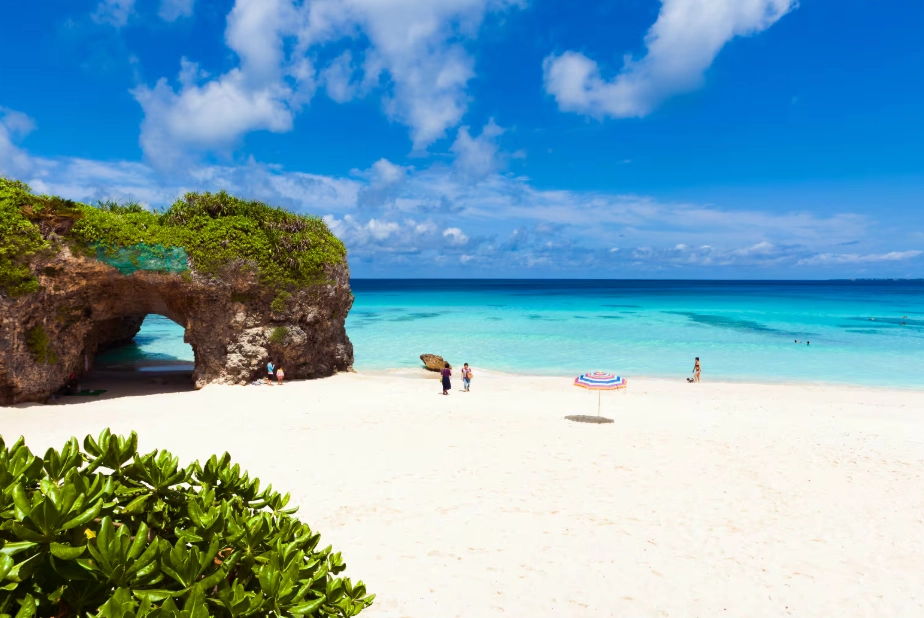
The Best Time to Go for Warm Water (And a Great Overall Experience)
Based on everything—water temp, air temp, humidity, crowds, and weather risks—here’s my personal ranking for tackling that "Are Okinawa beaches warm?" desire with maximum success.
- Late April through Early June: This is the gold standard. The water has warmed up beautifully (mid-70s to low 80s °F). The rainy season hasn't fully kicked in. The humidity is manageable. The crowds are thinner than in peak summer. You get warm beaches without the extreme heat or typhoon anxiety.
- October through Mid-November: A very close second. The summer heat and humidity break, but the ocean retains its warmth for weeks. Typhoon risk decreases significantly as October progresses. The water and air are in perfect harmony. It's sublime.
- July & August: The undisputed champions for sheer, guaranteed heat. The water is as warm as it gets. It's the classic tropical beach experience. The major downsides are intense crowds, high prices, blistering sun, high humidity, and the ever-present threat of typhoons disrupting your plans.
- March & December: The shoulder-shoulder seasons. You're rolling the dice a bit more with cooler days, but you can hit jackpot weather. The water is on the cooler side but swimmable for many, especially on a sunny day. You'll have the beaches largely to yourself.
Answering Your Burning Questions (The FAQ Section)
Final Thoughts: So, Are They Warm?
Look, if you're coming from a place with proper winters, Okinawa's beaches will feel gloriously, amazingly warm for most of the year. The period from late spring to late autumn offers a beach experience that's hard to beat in terms of water temperature. The sea is a friendly, welcoming presence.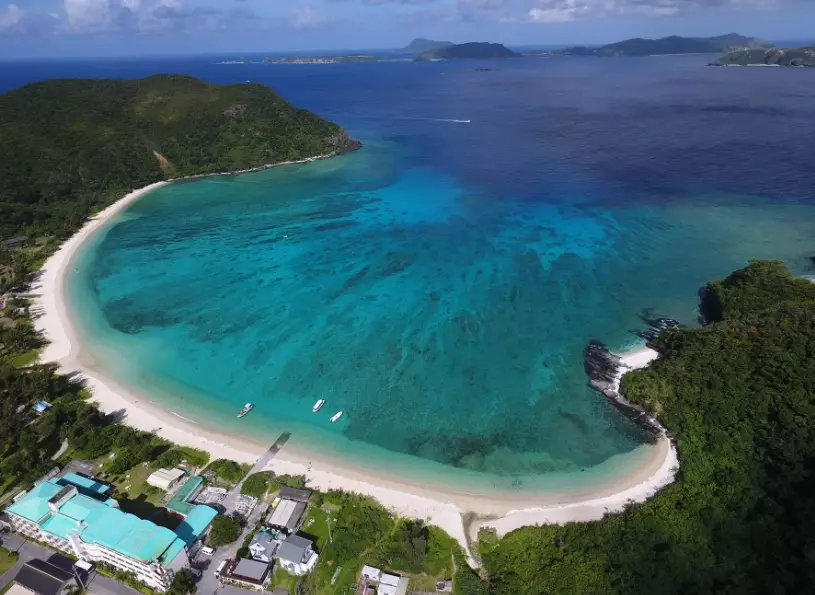
But if you're dreaming of that *perfect* tropical float—where the air is so balmy you never get a chill and the water feels like a soothing blanket—you need to time your visit. Avoid the heart of winter and the peak of the storm season.
Plan for April-June or October-November, and you will answer the question "Are Okinawa beaches warm?" with a huge, resounding, satisfied yes. You'll walk off the beach wondering how anywhere else could possibly compare.
Just remember your sunscreen. That sun is no joke, no matter how warm the water is.



Share Your Thoughts