Forget crowded temples and neon cities for a moment. The real magic of Japan often lies in its vertical landscapes—the soaring peaks of the Japanese Alps, the volcanic ridges of Hokkaido. And the best way to truly immerse yourself in this wilderness? Hut-to-hut hiking. It's not just a trek; it's a unique cultural experience, sleeping in rustic mountain lodges (山小屋, yamagoya) managed by locals, sharing meals with fellow hikers, and waking up above the clouds. This guide cuts through the confusion and gives you the exact trails, booking strategies, and packing know-how you need to plan your adventure.
Your Trail Map to This Guide
What is Hut-to-Hut Hiking in Japan?
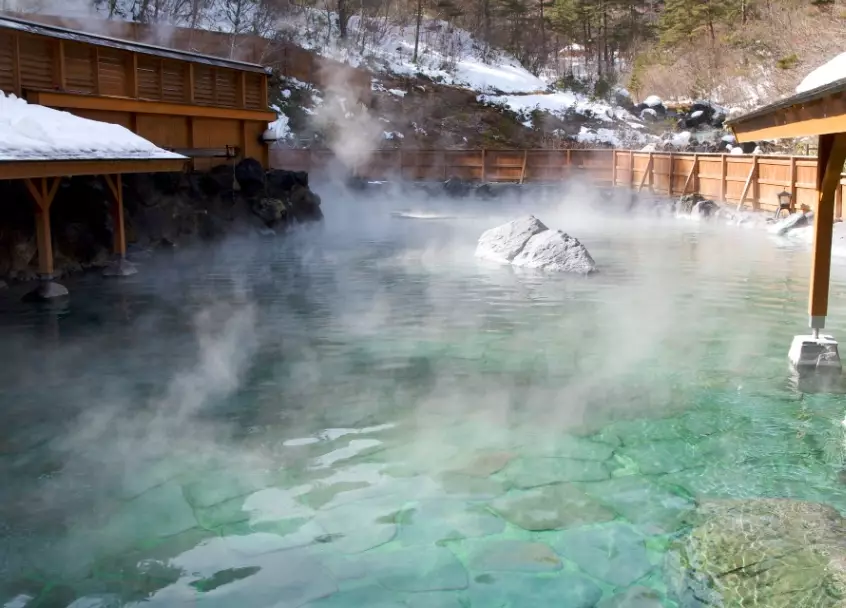
It's backpacking, but with a Japanese twist. Unlike camping or remote wilderness shelters, Japanese mountain huts are often full-service lodges. You get a reserved sleeping space (usually a futon on a shared tatami mat), two hearty meals (dinner and breakfast), and access to basic facilities—sometimes even a paid hot shower or an onsen (hot spring). The huts are lifelines in often severe mountain weather, allowing you to hike lighter and connect with the hiking community. The Japan Alps are the epicenter, with a dense network of huts making multi-day traverses possible without ever descending to a town.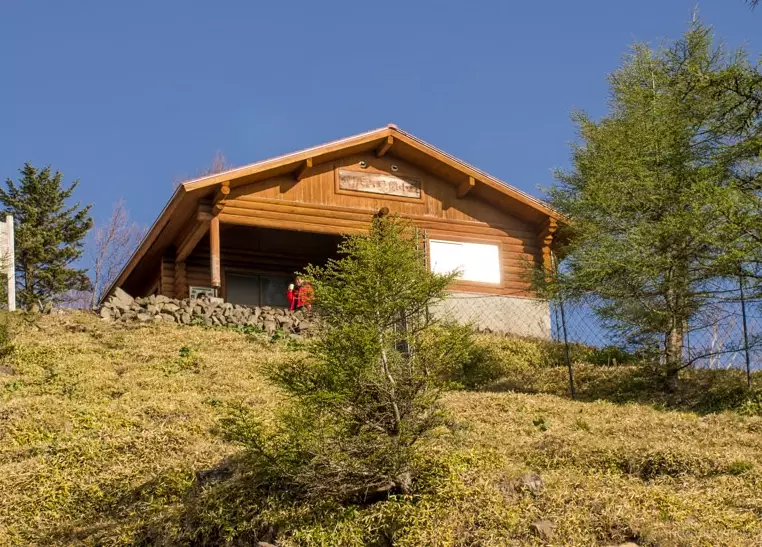
Here's the thing most blogs don't stress enough: it's a social experience. Dinner is served at a set time for everyone. You'll be sitting elbow-to-elbow with Japanese salarymen, university hiking clubs, and international trekkers. It's fantastic, but if you're expecting a private wilderness retreat, you might be surprised by the camaraderie (and the occasional snoring).
Top Hut-to-Hut Hiking Regions in Japan
Focus on three major areas. Each has a distinct character, season, and difficulty level.
The Japanese Alps (Honshu)
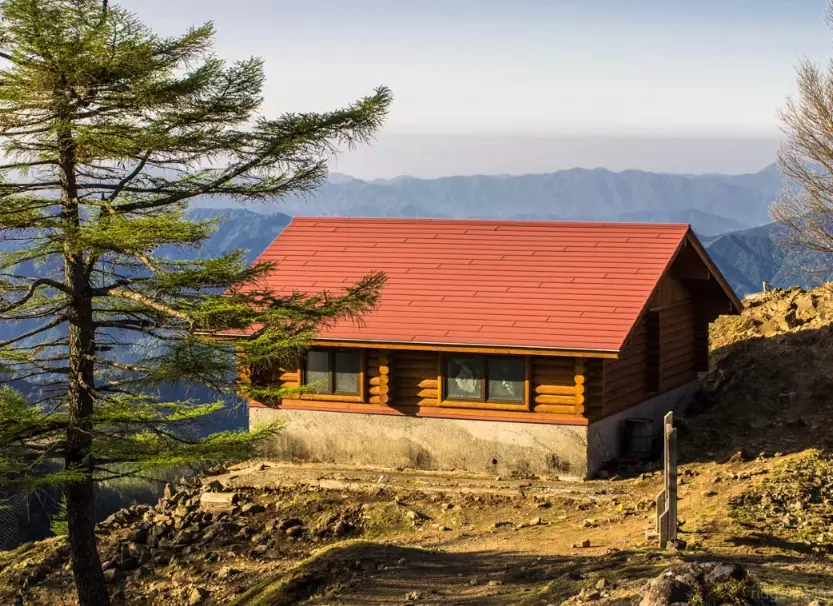
This is the classic. Split into the North, Central, and South Alps (Kita, Chuo, Minami Alps), they offer the most extensive hut networks. The trails are well-marked but serious. Weather changes fast.
- Northern Alps (Kita Alps): Home to iconic peaks like Mt. Hotaka and Mt. Yari. The Kamikochi - Mt. Hotaka - Mt. Yari - Mt. Tateyama traverse is a bucket-list trip. Access via Kamikochi or Tateyama. Huts here are numerous and range from basic to quite comfortable. Best season: July to early October.
- Southern Alps (Minami Alps): More remote and rugged, with fewer people. The trek along the Akaishi Mountains feels wilder. Huts are more basic and farther apart. Best for experienced hikers seeking solitude. Season: Late June to September.
Hokkaido
A different world. Volcanic landscapes, vast flower fields in summer, and no bears? Wrong—Hokkaido has brown bears, so bear bells/canisters are non-negotiable. The Daisetsuzan National Park circuit is the premier hut-to-hut route, connecting peaks like Asahidake and Kurodake. Huts are more Spartan, and the season is brutally short: mid-July to late September. The payoff is raw, untouched beauty.
Central Honshu & Other Areas
Don't overlook smaller ranges. The Mt. Fuji climbing route (with huts on the Yoshida trail) is a unique, if crowded, experience in July/August. The Japan Sea side mountains like the Tateyama Kurobe Alpine Route offer hut stays with a more tourist-friendly infrastructure.
| Region | Classic Route Example | Start/End Points | Distance/Duration | Difficulty | Best Season |
|---|---|---|---|---|---|
| Northern Alps | Kamikochi to Mt. Hotaka to Mt. Yari | Kamikochi Bus Terminal / Shin-Hotaka Onsen | ~30km, 3-4 days | Challenging (exposed ridges, chains/ladders) | July - Early Oct |
| Southern Alps | Hirogawara to Mt. Kita to Mt. Aino | Hirogawara Trailhead / Sawarajima Trailhead | ~25km, 3 days | Strenuous (steep climbs, remote) | Late June - Sept |
| Hokkaido (Daisetsuzan) | Asahidake to Kurodake Traverse | Asahidake Ropeway / Kurodake Ropeway | ~20km, 2-3 days | Moderate-Challenging (weather volatile) | Mid-July - Late Sept |
My Personal Take: For a first-timer, the Northern Alps around Kamikochi are unbeatable. The infrastructure is reliable, the scenery is dramatic, and the hut culture is in full swing. I made the mistake of underestimating the altitude gain on my first trip—even "moderate" days can involve 1000m+ of climbing. Train for stairs.
How to Book Japanese Mountain Huts
This is the biggest hurdle and where most people get stuck. You cannot just show up. Huts have limited space, and during peak season (Obon week in mid-August, weekends in September), they book solid months ahead.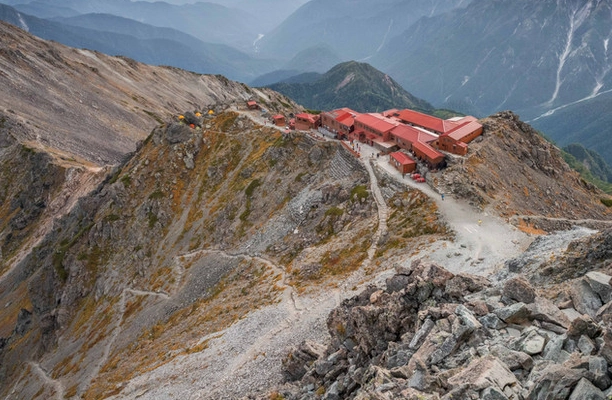
The Booking Process, Step-by-Step
1. Research and List Your Huts: Use maps from the Japan National Tourism Organization and guidebooks. Each hut has a name (e.g., Yarigatake Sanso). Note their phone numbers and websites.
2. Contact Huts Directly (The Old-School Way): Many smaller huts only take bookings by phone. If you don't speak Japanese, this is tough. Have your dates, number of people, and meal requests (standard is two meals) written in simple Japanese or use a hotel concierge service.
3. Use Online Booking Platforms (Easier): Some huts are on Japanese sites like Yamareco or Booking.com (yes, really). Also, specialized agencies like Japan Alps Trekking can arrange multi-hut itineraries for a fee. It's worth the cost for peace of mind.
4. Confirm and Pay: Most require a bank transfer for a deposit. You'll pay the balance in cash at the hut. Keep all confirmation details.
A common mistake? Assuming huts have 24/7 reception. They don't. The keeper is often busy cooking. Arrive before 5 PM.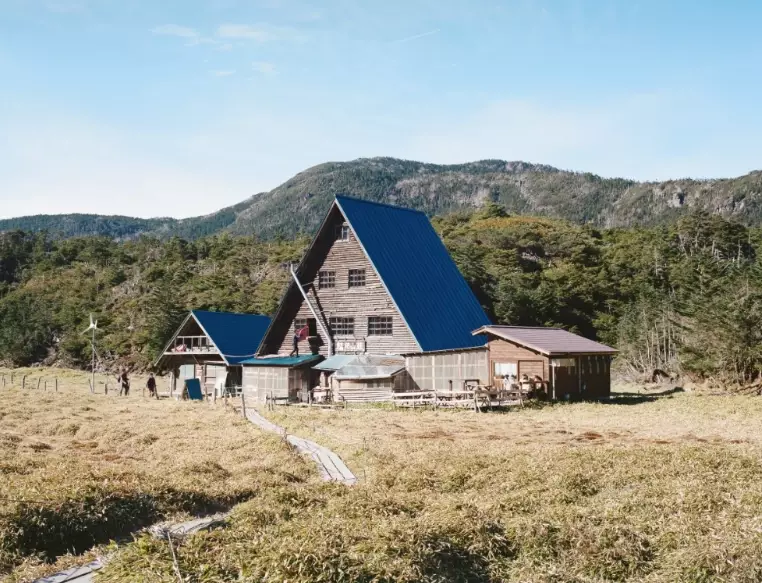
What to Pack for a Hut-to-Hut Hike in Japan
Pack light, but smart. You're carrying everything, but remember, you don't need a tent, sleeping bag (huts provide a futon and blanket, but a lightweight sleep sheet is recommended), or much food.
The Non-Negotiable Essentials:
- Footwear: Sturdy, broken-in hiking boots. Trail runners are risky on rocky, wet terrain.
- Rain Gear: A high-quality, breathable rain jacket AND rain pants. Mountain storms are sudden and cold.
- Layers: Merino wool or synthetic base layers, a fleece, a puffy jacket for evenings at altitude.
- Headlamp: Essential for early starts or hut bathroom trips.
- Cash: Huts, onsen, and bus rides are cash-only. Carry at least ¥20,000 per person.
- Hut Slippers: Most huts provide them, but they're often worn out. Bring lightweight indoor shoes or clean socks.
- Toiletries & Quick-Dry Towel: Soap, toothbrush. Showers cost extra (¥500-¥700) and may be timed.
- Earplugs and Eye Mask: Trust me on this. Shared dormitories can be noisy.
Leave behind: Jeans (they're dangerous when wet), heavy cotton hoodies, a full-sized towel, and unnecessary electronics. A power bank for your phone is more useful than a heavy camera for most.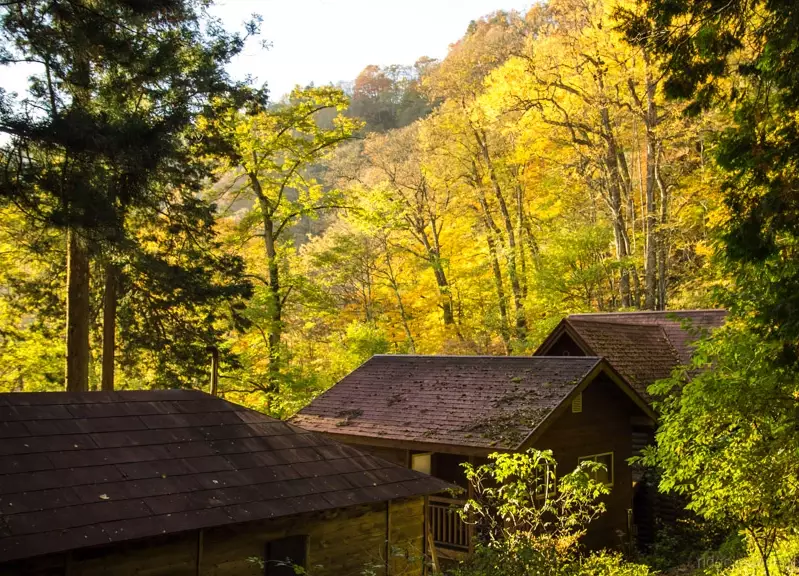
Sample 3-Day Hut-to-Hut Itinerary: Northern Alps
Let's make it concrete. Here's a classic loop starting from Kamikochi, suitable for fit beginners.
Day 1: Kamikochi to Yokoo Sanso Hut. Take the early bus from Matsumoto or Takayama to Kamikochi (reserve seats!). Hike the beautiful Azusa River valley to Tokusawa (2 hrs), then climb steadily to Yokoo Sanso (approx. 5 hrs total). This hut has a fantastic onsen with a view. Acclimatize here.
Day 2: Yokoo Sanso to Hotaka-dake via Karasawa Cirque. A tougher day. Hike up to the spectacular Karasawa Cirque, a giant bowl surrounded by peaks. Then tackle the steep climb to Mt. Hotaka (3,190m), the third highest in Japan. Descend to Hotaka-dake Sanso hut right near the summit for an unforgettable sunset. (Hiking: 6-7 hrs).
Day 3: Hotaka-dake to Shin-Hotaka Onsen. Early start for the famous Daikiretto bypass (or take the longer, safer route if weather is bad—always ask the hut staff). Descend past Dakesawa Hut to the Shin-Hotaka Ropeway. Soak your tired muscles in the glorious Shin-Hotaka Onsen at the base. (Hiking: 5-6 hrs). Bus back to Takayama.
This route requires hut bookings at Yokoo and Hotaka-dake Sanso well in advance. Check bus timetables for the last descent of the ropeway.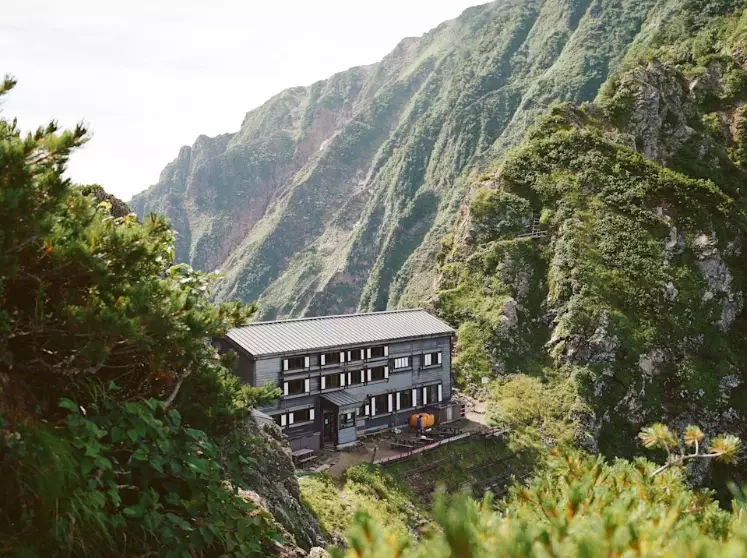
Your Hut Hiking Questions, Answered
Hut-to-hut hiking in Japan strips away the familiar and throws you into the heart of its alpine world. It's challenging, deeply rewarding, and operates on its own rhythm. Plan meticulously, pack thoughtfully, and embrace the unique culture of the yamagoya. Your stories won't be about the crowded observation deck, but about the shared bowl of curry at 2,500 meters as the sun sets over a sea of peaks.

Share Your Thoughts