Let's be honest. The first thing that comes to mind when you think of Tokyo food isn't a vibrant salad bowl. It's ramen with pork broth, sushi with fish, and tonkatsu. For years, traveling to Tokyo as a vegan felt like a culinary obstacle course. I remember my first trip over a decade ago, surviving on plain rice, edamame, and the occasional sad-looking vegetable side dish from convenience stores. It was bleak.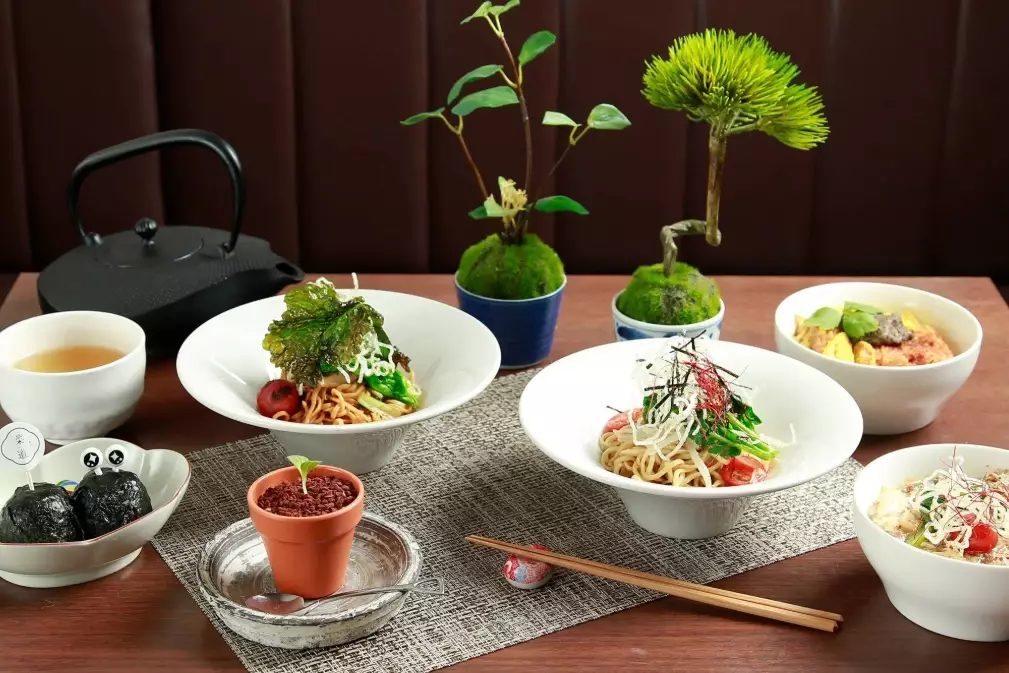
Fast forward to today, and the scene has transformed. Tokyo's vegan landscape has exploded, moving far beyond just a few dedicated temples of tofu. We're talking about ramen shops with rich, savory plant-based broths, izakayas serving vegan yakitori, and even high-end kaiseki restaurants crafting multi-course plant-based feasts. This guide isn't just a list of places. It's the playbook I wish I had—born from years of trial, error, and countless delicious meals. We'll map out the best spots, decode the cultural nuances, and give you the tools to eat incredibly well, from a quick konbini bite to a splurge-worthy dinner.
What's Inside: Your Tokyo Vegan Journey at a Glance
Your Tokyo Vegan Restaurant Map by Neighborhood
Tokyo is massive. Wandering aimlessly is a recipe for hangry disaster. Here’s a breakdown of key areas and their vegan highlights. I'm focusing on places that are either 100% vegan or have a robust, clearly marked vegan menu—because nothing kills a vibe like having to interrogate the waiter.
Shibuya & Harajuku: The Trendy Heart
This area is ground zero for the modern vegan movement in Tokyo. It's fast-paced, trendy, and packed with options.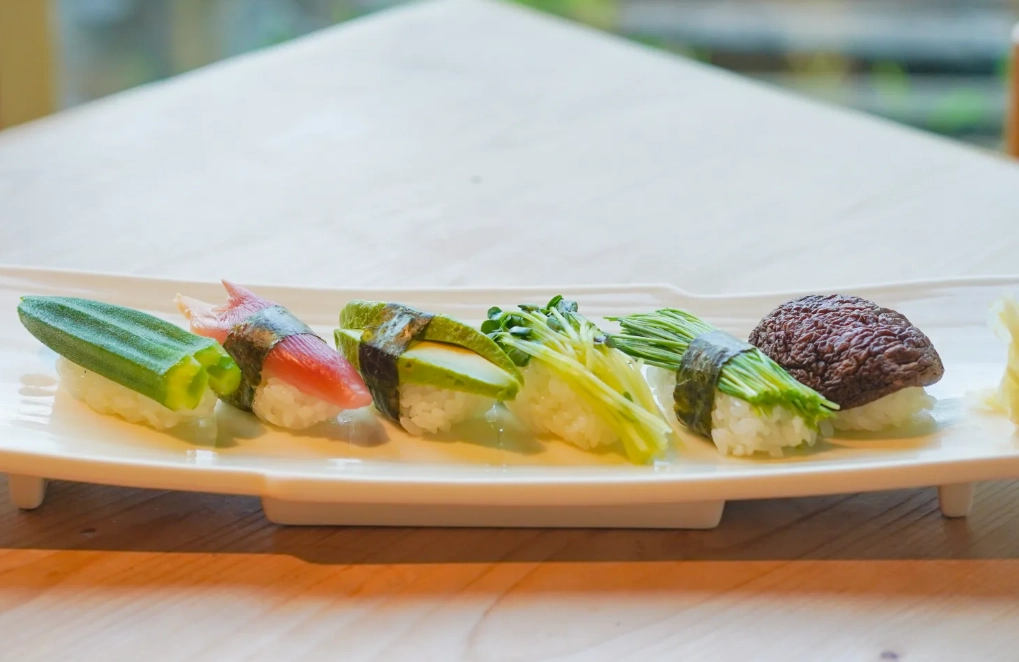
| Restaurant | Specialty / Must-Try | Address & Notes | Price Range | Hours (approx.) |
|---|---|---|---|---|
| T's TanTan (Tokyo Station & Jiyugaoka) | Vegan ramen (Soy Milk, Spicy TanTan), gyoza. The Gold Broth ramen is legendary. | Inside Tokyo Station's Keiyo Street (1st floor). Perfect for arrival/departure. Often has a queue. | ¥1,000 - ¥1,500 | 11:00 - 23:00 |
| Ain Soph. Journey (Shinjuku) | Hearty Western-style plates. Their vegan “chicken” karaage and pancakes are famous. | 3-8-9 Shinjuku, Shinjuku-ku. A cozy, sit-down spot with an extensive menu. | ¥1,500 - ¥2,500 | 11:30 - 22:00 (LO 21:00) |
| Falafel Brothers | Fresh, filling falafel wraps and plates. A reliable, quick, and satisfying option. | Multiple locations including Shibuya. Counter service, great for takeaway. | ¥800 - ¥1,200 | 11:00 - 22:00 |
Harajuku's Takeshita Street is a sensory overload, but tucked away on a side street, you'll find places like MR. FARMER (not fully vegan but has great marked options) offering salads and plant-based burgers. It's a welcome oasis from the crepe stands.
Asakusa & Ueno: Traditional Vibes
This is old Tokyo. While the area is famous for street food like ningyo-yaki (which contains dairy/egg), there are gems for the plant-based traveler.
Sasa-no-Yuki (笹の雪) is an institution. This 300-year-old tofu restaurant near Ueno serves exquisite, multi-course tofu kaiseki. It's not advertised as vegan (they use bonito in some dipping sauces unless requested), but if you inform them you are vegan (begetarian), they can prepare a stunning, traditional entirely plant-based meal. It's an experience, priced around ¥4,000-¥7,000. Address: 2-15-10 Negishi, Taito-ku.
In Asakusa, Vegetable Sushi Kennedys offers creative vegan sushi rolls and bowls right near Senso-ji Temple. It's a lifesaver when you're temple-hopping.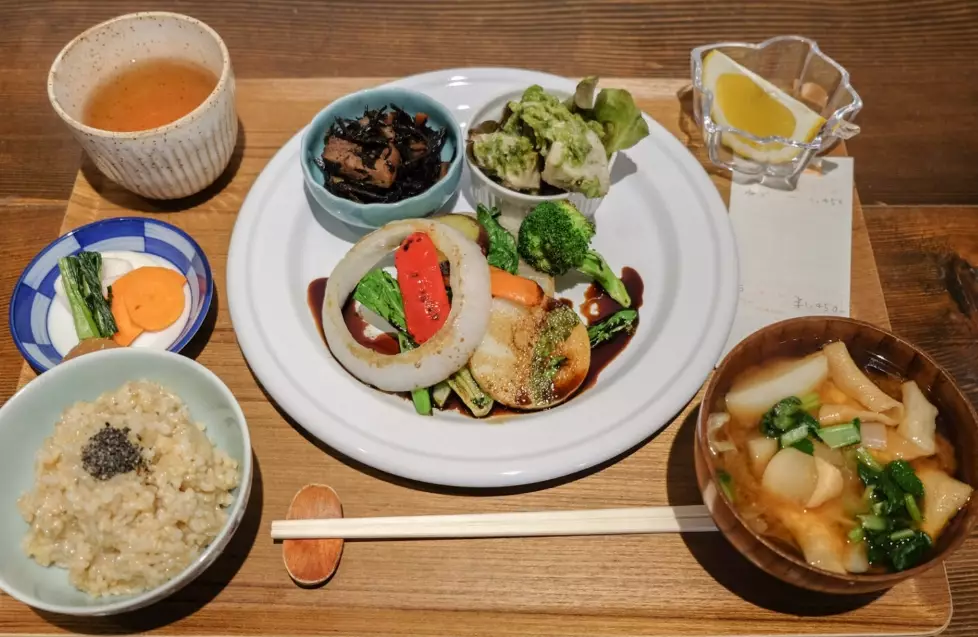
Jiyugaoka & Daikanyama: The Chic, Slow Life
These neighborhoods are less hectic, full of boutiques and cafes. Jiyugaoka is sometimes called "Little Europe" and has a high concentration of vegan-friendly spots.
Mothers Organic in Jiyugaoka is a tiny, no-frills lunch spot run by a lovely older couple. The daily set meal (teishoku) is vegan, macrobiotic, and feels like a home-cooked, nourishing hug. It's cash-only and closes early. Address: 2-14-14 Jiyugaoka, Meguro-ku.
Daikanyama's Issen is a higher-end vegan izakaya. Think small, beautifully crafted plates—vegan eel (made from eggplant), tofu steaks, seasonal vegetables. The ambiance is sophisticated, and it's perfect for a special night out.
My Personal Favorite Hidden Spot: In a quiet part of Setagaya, there's a tiny place called Tamana. It's not on most tourist lists. The owner, a former salaryman, cooks a daily-changing vegan curry that is, without exaggeration, the best I've had in my life. He sources obscure heirloom vegetables. You have to reserve via a slightly confusing Twitter DM system. It's this level of discovery that makes Tokyo's vegan scene so rewarding now.
Practical Tips for Enjoying Vegan Food in Tokyo
Knowing the restaurants is half the battle. The other half is navigating the day-to-day. Here’s what I've learned the hard way.
Master the Konbini (Convenience Store). 7-Eleven, FamilyMart, and Lawson are your allies. Look for:
- Onigiri (Rice Balls): The ones with ume (pickled plum), yaki onigiri (plain grilled), or konbu (seaweed) are usually safe. Warning: Many, like salmon or tuna, contain fish. The packaging often has an ingredients list in English.
- Salads: The plain green salads or wakame seaweed salads. Avoid dressings; they often contain fish sauce or dairy.
- Steamed Buns: Some manju (sweet bean paste buns) are vegan. Savory ones almost always contain meat.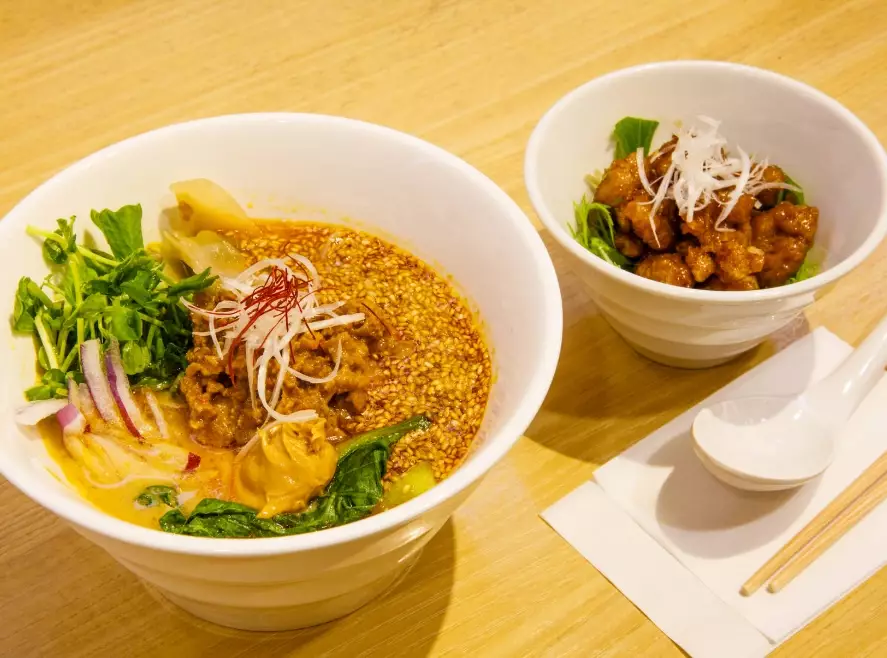
It's not gourmet, but it's a cheap, reliable backup.
Communication is Key, But Do It Right. Saying "I am vegan" often draws a blank stare or a polite nod that means "I have no idea." Be specific and visual.
Carry a phrase card or use your phone. A good one says: "Watashi wa begetarian desu. Niku, sakana, tamago, gyunyuu, gyuunyuuseihin, dashi (katsuo) nado wa taberaremasen. Daizu, yasai, kome, men wa daijoubu desu. Arigatou gozaimasu." (I am vegetarian. I cannot eat meat, fish, egg, milk, dairy products, dashi [bonito]. Soybeans, vegetables, rice, noodles are okay. Thank you very much.)
Showing this before you sit down saves everyone time and stress.
Embrace Shojin Ryori. This is the traditional Buddhist temple cuisine, inherently vegan and seasonal. It's a profound cultural and culinary experience. You can find it in temples in Kyoto, but in Tokyo, places like Itosho in Minato ward offer it by reservation. It's pricey (¥10,000+) but unforgettable.
Understanding Japanese Vegan & Vegetarian Culture
To navigate successfully, you need to understand the context. The concept of strict ethical veganism is still relatively new in mainstream Japan. Here’s the crucial part most guides miss:
Dashi is the invisible hurdle. Dashi, a foundational stock, is in everything—soups, sauces, simmered vegetables, even some pickles. The most common type is katsuo dashi, made from bonito (fish) flakes. Restaurant staff may tell you a dish is "vegetable" but not realize the simmering liquid contains dashi. This is the single biggest point of confusion. When in doubt, ask: "Kore ni dashi (katsuo dashi) ga haitteimasu ka?" (Does this contain dashi/bonito stock?).
Why is it so challenging? Historically, vegetarianism was tied to Buddhism and was ascetic. Modern veganism, seen as a health or ethical choice, is different. There's also a strong cultural emphasis on not inconveniencing others (meiwaku). This is why being prepared and polite with your requests goes such a long way.
The growth is undeniable, though. The 2020 Olympics acted as a major catalyst, forcing the hospitality industry to up its game. Now, you see "vegan" and "plant-based" labels with increasing frequency.
Your Vegan Tokyo Questions, Answered
 What's a common mistake new vegan travelers make in Tokyo?
The bottom line? Tokyo is now a fantastic destination for vegan travelers. It requires a bit more preparation and cultural insight than some cities, but the reward is immense. You get to experience the precision, seasonality, and artistry of Japanese cuisine through a plant-based lens. From a steaming bowl of ramen at T's TanTan to a serene shojin ryori meal, the depth and variety will surprise you. Pack your phrase card, download the HappyCow app, and get ready to eat incredibly well.
Share Your Thoughts