Forget the glossy department stores for a minute. If you want to understand Tokyo's energy, its history, and how locals really live, you need to hit the street markets. These are not just places to shop; they're living, breathing communities where you can taste, touch, and feel the pulse of the city. From post-war black markets turned culinary havens to hipster vintage paradises, each market has its own DNA. I've spent years getting lost in these alleys, and here’s my no-nonsense guide to the best ones.
Your Quick Guide to Tokyo's Market Scene
Ameyoko: The Sensory Overload Champion
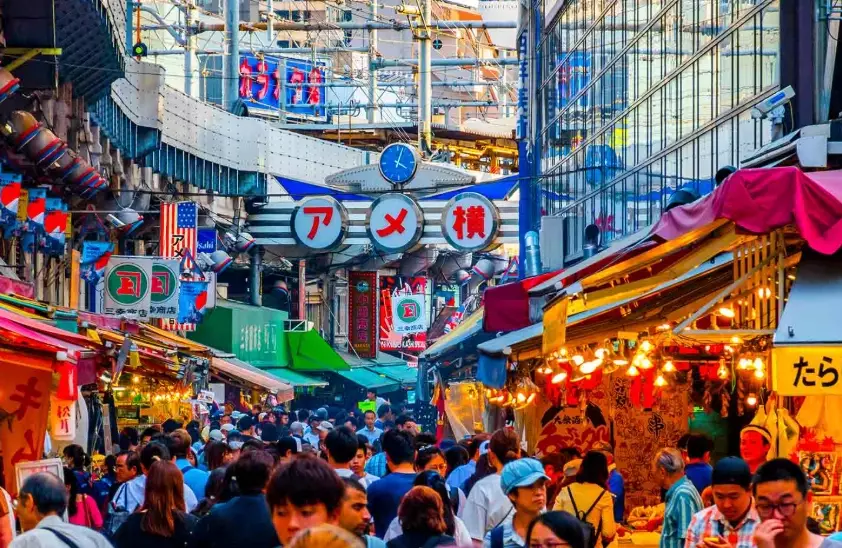
Stretching under the JR Yamanote Line tracks between Ueno and Okachimachi stations, Ameyoko (short for "Ameya Yokocho") is pure, unadulterated chaos in the best way possible. Its roots are in the post-WWII black market ("ameya" means candy store, but also hints at "America" from the G.I. goods sold), and that hustling spirit remains. This is where Tokyo comes to buy in bulk, bargain, and feast.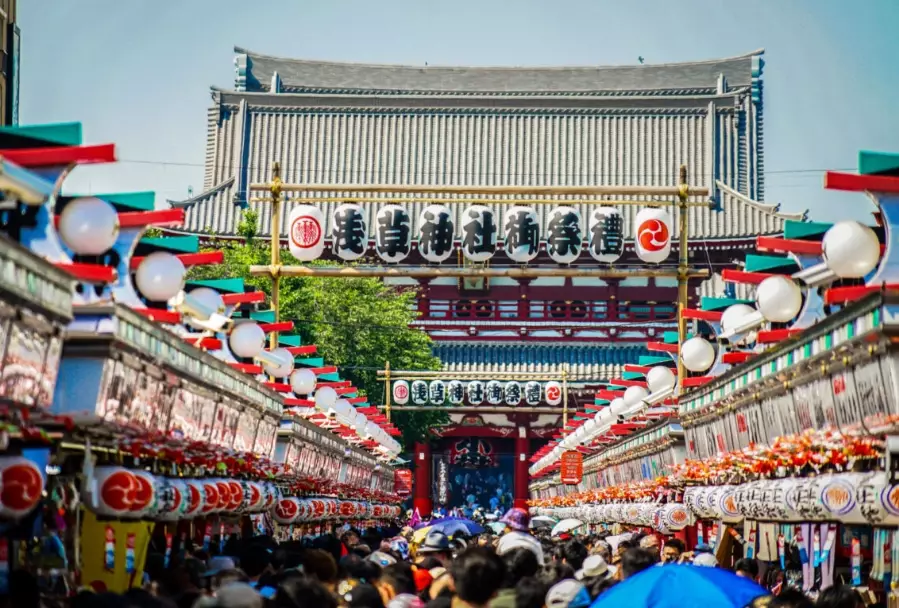
What You'll Find (And Why It's Special)
The northern end near Ueno is a seafood wonderland. You'll see giant tuna being carved, rows of glistening uni (sea urchin), and oysters shucked to order. A few hundred yen gets you a fresh scallop on a stick, grilled right in front of you. Further south, it transitions into dried fish, nuts, spices, and then a dizzying array of cosmetics, bags, and clothes at shockingly low prices.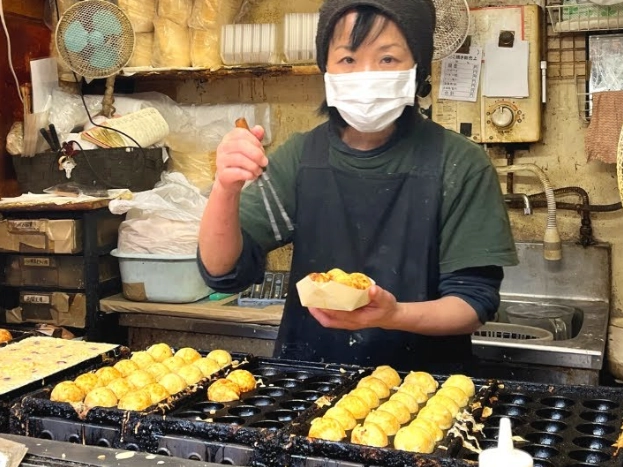
Here's the insider move most blogs miss: The real magic isn't just the street stalls. Duck into the tiny, standing-only izakayas squeezed between shops. For ¥500, you can have a beer and a plate of grilled chicken skewers shoulder-to-shoulder with salarymen. It's the most authentic—and cheapest—pub crawl in Tokyo.
Shimokitazawa: The Vintage & Indie Treasure Trove
Take a short train ride from Shibuya and you'll land in Shimokitazawa, a district that feels like a separate, cooler universe. It's not a single market street but an entire neighborhood that functions as a market for subculture. Severely damaged in WWII and later rebuilt as a counter-cultural hub, it's now the epicenter of Tokyo's vintage fashion and indie arts scene.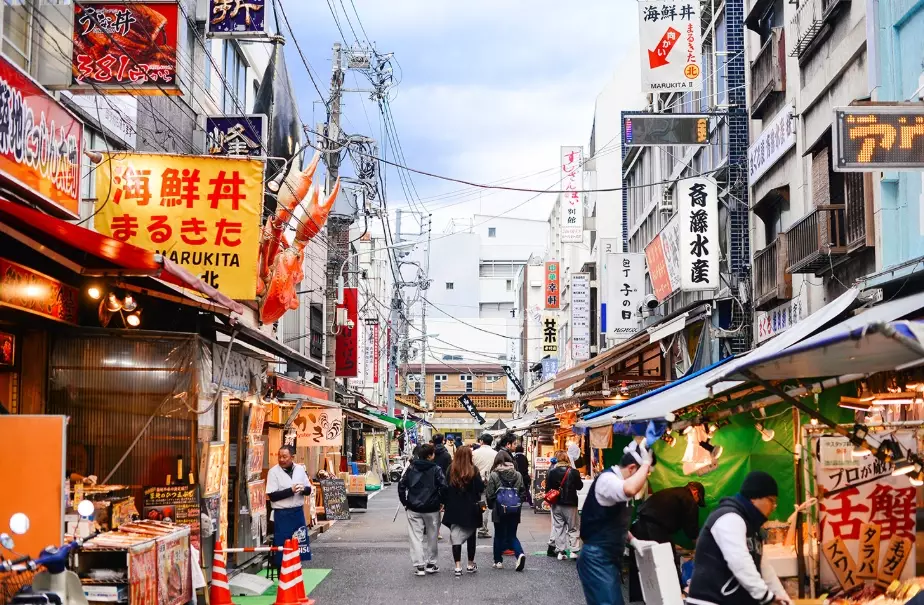
Navigating the Maze of Style
Forget maps. The joy is getting lost in the narrow, car-free alleys radiating from the station's north and south exits.
- North Exit: Ground zero for vintage clothing. Stores like New York Joe Exchange and Haight & Ashbury offer meticulously curated second-hand fashion, from 90s band tees to pristine designer coats. Prices are fair, not thrift-store cheap, but the quality is vetted.
- South Exit: Leans into live music venues, tiny theaters, and independent cafes. You'll find vinyl record shops, artisan leather stores, and hole-in-the-wall bars that feel like someone's living room.
My personal ritual? Hitting a used bookstore, then taking my find to a hidden coffee roastery. You're not just shopping; you're participating in a lifestyle.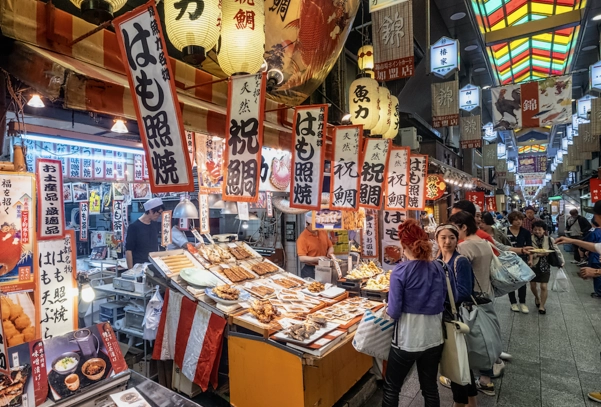
Kichijoji: The Balanced Local's Favorite
Consistently voted one of Tokyo's most desirable places to live, Kichijoji offers a more relaxed, well-rounded market experience. It seamlessly blends a classic Japanese shotengai (shopping arcade) with trendy boutiques and the incredible oasis of Inokashira Park. It's less about screaming deals and more about quality of life.
The Harmonious Blend
Start at the Sunroad and Harmonica shotengai covered arcades near the station's north exit. This is everyday Tokyo: fishmongers, pickles (tsukemono) shops where you can sample a dozen varieties, traditional sweets vendors, and practical household goods. Then, wander into the network of streets behind them, like Nakamichi-dori, where you'll find independent craft shops, modern Japanese ceramics stores, and fantastic little bakeries.
The killer combo? Do your market browsing in the morning, grab a famous menchikatsu (minced meat cutlet) from Satou (expect a line), and take it for a picnic in Inokashira Park. You've just experienced the perfect local Saturday.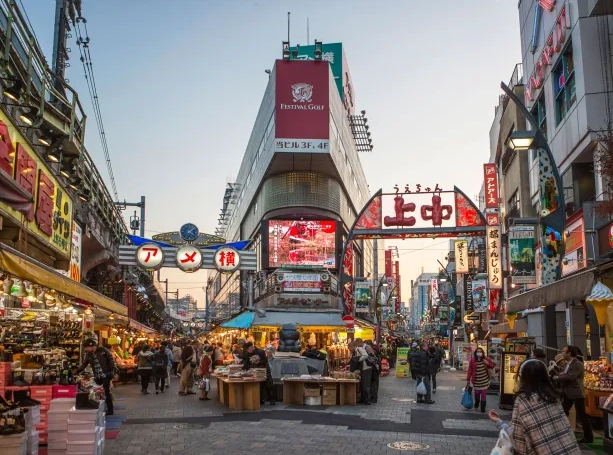
How to Plan Your Tokyo Market Visit Like a Pro
To make the most of your time, here’s a quick comparison to help you choose or sequence your visits.
| Market | Best For | Vibe & Crowds | Price Range | Can't-Miss Experience |
|---|---|---|---|---|
| Ameyoko | Street food, fresh seafood, bargain hunting, loud energy. | Chaotic, crowded, exhilarating. Peak on weekends. | ¥ (Very affordable) | Grilled scallop on a stick; a beer at a standing bar. |
| Shimokitazawa | Vintage fashion, indie culture, vinyl records, unique cafes. | Hip, creative, leisurely maze. Steady crowd. | ¥¥ (Moderate) | Finding a unique vintage jacket; seeing a tiny live show. |
| Kichijoji | Local life, quality food shops, crafts, combining with nature. | Relaxed, family-friendly, integrated with the neighborhood. | ¥ to ¥¥ (Fair) | Satou's menchikatsu; a stroll in Inokashira Park. |
That table gives you the snapshot, but the real planning involves logistics. A common mistake is trying to do Ameyoko and Tsukiji Outer Market on the same morning. They're both intense, food-centric, and you'll be exhausted. Pair a high-energy market with a chill afternoon in a park or museum.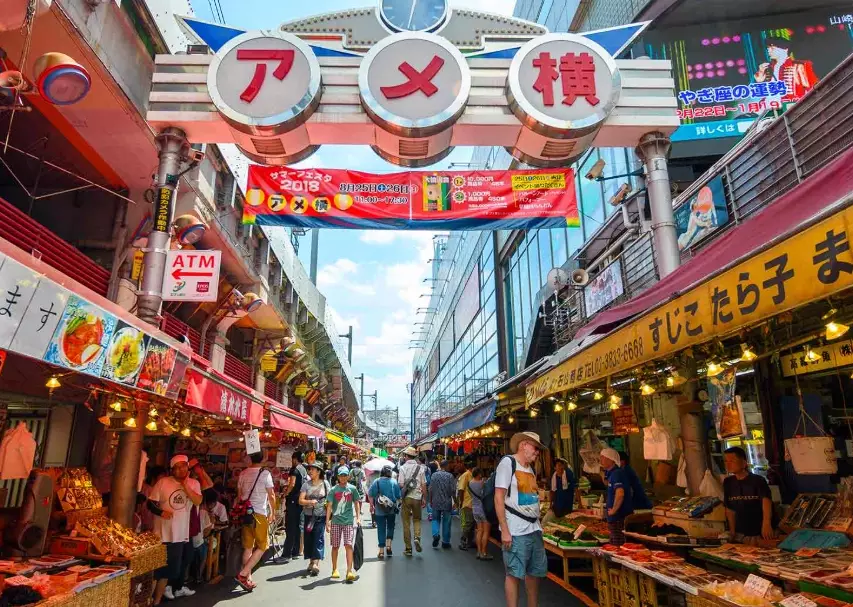
Tokyo Market FAQs: Your Questions, Answered
The real Tokyo isn't just in its serene temples or towering digital billboards. It's in the shouted greetings between a fishmonger and a regular, the thrill of finding a perfect second-hand find, and the simple joy of eating something delicious bought from a stall you'll never find on a map. These markets are where the city feels most alive and most human. Pick one that matches your rhythm, go with cash and curiosity, and dive right in.

Share Your Thoughts