Blossom Journey Map
- The Heavy Hitters: World-Famous Cherry Blossom Destinations
- Beyond the Classics: Hidden Gems and Unique Experiences
- When to Go: The Delicate Dance with Peak Bloom
- How to Have a Great Experience: More Than Just Showing Up
- Frequently Asked Questions (The Stuff You Actually Want to Know)
- Making Your Decision: A Simple Checklist
- Final Thoughts: It's About the Moment
Let's be honest. When spring whispers its arrival, there's one image that pops into almost everyone's mind: a cloud of delicate pink cherry blossoms. That fleeting, beautiful moment when trees explode in color is a global obsession. But then comes the big question, the one you're probably asking right now: where is a good place to see cherry blossoms? The answer isn't as simple as naming a city. It depends on what you're looking for. A bustling festival with street food? A quiet, contemplative garden path? A stunning mountain backdrop?
I've chased sakura (that's the Japanese word for cherry blossoms, and we'll use it a lot) across several countries now. Some trips were magical, others... well, let's just say I learned the hard way about checking peak bloom forecasts. This guide is everything I wish I'd known before my first blossom hunt. We're going to move beyond the obvious postcard spots and dig into the real details—when to go, what to expect, and how to actually enjoy it without getting swept away in a crowd.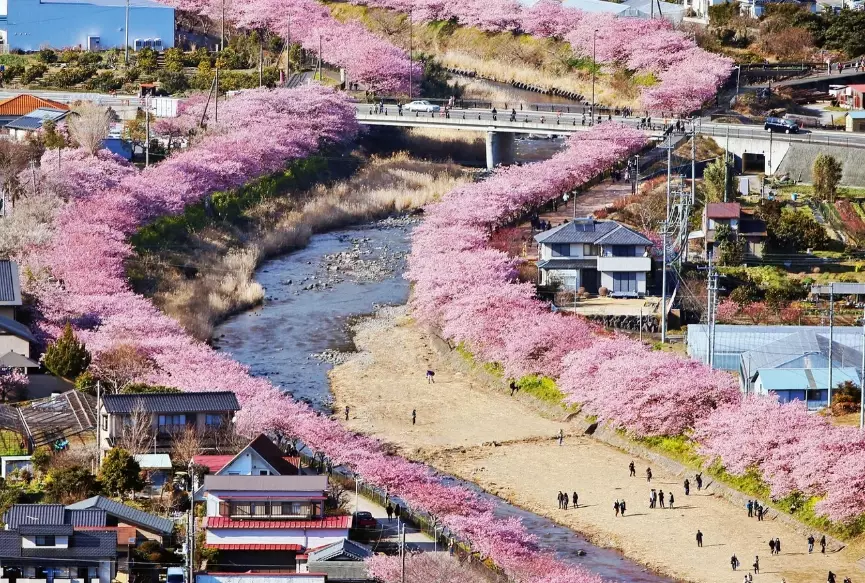
The Core Idea: A "good" place is a combination of reliable blooms, beautiful setting, accessible viewing, and an experience that matches your travel style. We'll break down all of that.
The Heavy Hitters: World-Famous Cherry Blossom Destinations
These are the classics for a reason. They have vast numbers of trees, deep cultural integration, and are generally reliable for a spectacular show. If you're asking where is a good place to see cherry blossoms for the first time, start here.
Japan: The Spiritual Home of Sakura
No list is complete without Japan. The sakura is deeply woven into the national identity, symbolizing the beauty and transience of life. The whole country turns pink, but some spots are legendary.
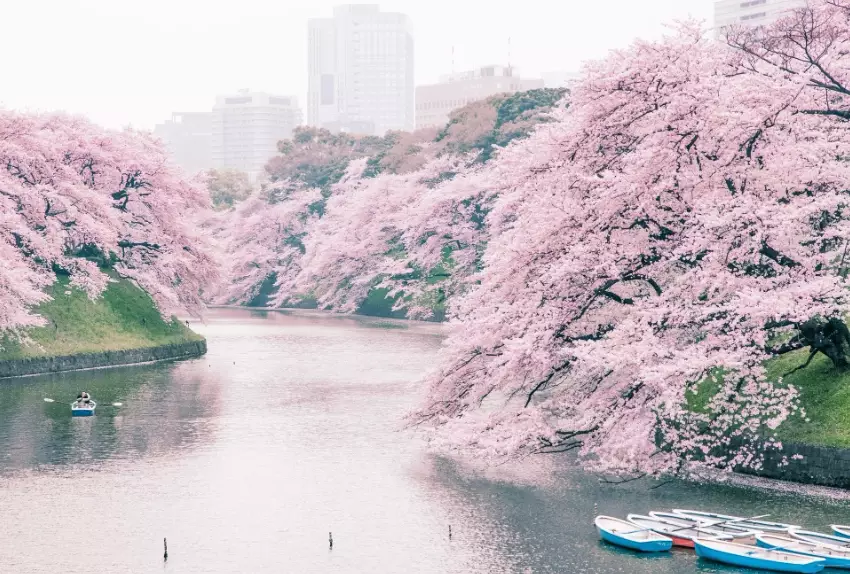
Tokyo's Powerhouses: Shinjuku Gyoen is a personal favorite because it has over a thousand trees of both early and late-blooming varieties, stretching the viewing window. Ueno Park is the epicenter of hanami (flower-viewing parties) – it's energetic, crowded, and feels like a massive picnic under a pink canopy. For a more refined feel, Chidorigafuchi Moat, where you can rent a boat, is stunning. But be warned, the lines for boats are no joke.
Kyoto's Timeless Beauty: The historic backdrop of temples and shrines makes Kyoto uniquely magical. The Philosopher's Path is a serene canal-side walk. Maruyama Park, with its iconic weeping cherry tree lit up at night, is a must-see. However, Kyoto gets extremely crowded. I mean, shoulder-to-shoulder in some alleys. Plan for very early mornings if you want photos without a hundred people in them.
The Japanese Meteorological Corporation releases detailed sakura forecasts every year. Bookmark this site. Your trip lives and dies by this forecast.
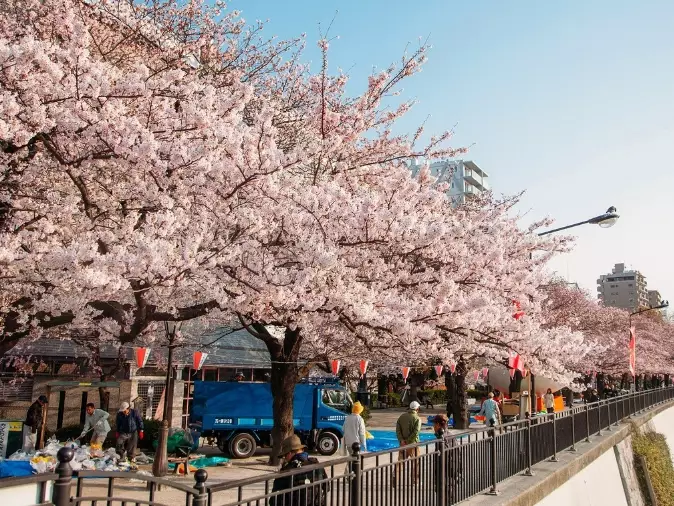
Washington, D.C., USA: A Gift That Became a Tradition
The story is great: in 1912, Japan gifted 3,000 cherry trees as a symbol of friendship. Now, the National Cherry Blossom Festival draws over a million people. The Tidal Basin, with the Jefferson Memorial reflecting in the water, is the iconic shot.
It's magnificent, truly. But it's also a logistical exercise. Parking is a nightmare. The Metro is packed. My advice? Stay in a nearby neighborhood like Southwest or Navy Yard and walk or bike. Don't drive. Just don't. The festival events are fun, but the sheer volume of people can be overwhelming. For a slightly quieter moment, explore the blossoms around the Washington Monument or in East Potomac Park (Hains Point).
You can track the bloom stage via the National Park Service's Bloom Watch page. It's incredibly accurate.
Vancouver, Canada: A Burst of Color in the Pacific Northwest
Vancouver might be one of the most underrated major cities for cherry blossoms. It has over 40,000 trees, thanks in part to a gift from Japan in the 1930s. The season is long here, with different varieties blooming from March to April.
Queen Elizabeth Park and Stanley Park offer classic, sprawling park views. But the real charm is in the neighborhoods. The streets of the West End, especially around Graveley Street, become pink tunnels. It feels less like a formal festival and more like a beautiful surprise around every corner. The VanDusen Botanical Garden also has a fantastic collection if you want to learn about different species.
So, if someone asks where is a good place to see cherry blossoms that feels integrated into a livable city, Vancouver is a top contender.
Beyond the Classics: Hidden Gems and Unique Experiences
Maybe crowds aren't your thing. Or you want a different backdrop. These spots offer incredible sakura experiences without the intensity of the world capitals.
| Destination | Country/Region | Key Feature & Vibe | Best For |
|---|---|---|---|
| Jinhae | South Korea | Home to the Jinhae Gunhangje Festival, one of Korea's largest. A naval port city transformed by over 300,000 trees. | Festival lovers, photographers (famous Romance Bridge shot). |
| Matsumae Park | Hokkaido, Japan | Over 10,000 trees of 250+ varieties bloom from late April to late May—Japan's longest season in one place. | Escaping main-island crowds, seeing a castle amid blossoms. |
| Bonn | Germany | The Heerstraße tunnel of blossoms in the old town became an Instagram sensation. It's a short, stunning urban tunnel. | A quick European city break with a magical, concentrated view. |
| Jerte Valley | Spain | Over 2 million cherry trees blanket a dramatic valley. The "white sea" of blossoms is a unique, rural spectacle. | Nature lovers, hiking, a completely different (non-pink) blossom scene. |
| Branch Brook Park | New Jersey, USA | Has more cherry trees (5,000+) than Washington D.C. Often called the "best kept secret" in the U.S. Northeast. | Avoiding D.C. crowds, a more relaxed park atmosphere. |
I visited Branch Brook Park on a whim once, and it was a revelation. Just a short train ride from Manhattan, it felt like a local secret. Families were grilling, kids playing, and the rows of trees around the lake were breathtaking. It's a perfect example that you don't always need to cross an ocean. Sometimes, the answer to where is a good place to see cherry blossoms is closer than you think.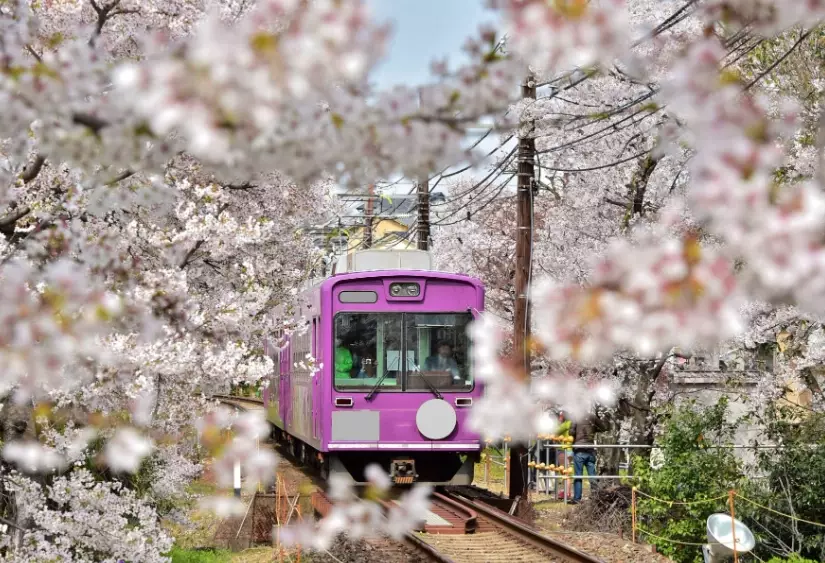
When to Go: The Delicate Dance with Peak Bloom
This is the most critical factor. A "good place" is useless if you're two weeks early or late. Bloom times shift yearly based on winter temps and spring weather.
Golden Rule: Plan your trip for the estimated peak bloom week, but be flexible. Book refundable accommodations if you can. Aim to arrive a few days before the predicted peak to catch the "kaika" (opening) and stay a few days after to see the "mankai" (full bloom) and maybe even the falling petals, or "hanafubuki" (flower blizzard).
Here's a rough, non-guaranteed guide based on typical years:
- Late March: Tokyo, Kyoto, Washington D.C., Vancouver (early varieties), Seoul.
- Early to Mid-April: Full bloom for many of the above. Also, Philadelphia, New York City, Paris.
- Late April to May: Northern Japan (Hokkaido like Matsumae), Toronto, Boston, parts of the UK.
See how it moves north? You can literally chase the bloom if you have the time and budget.
I learned my lesson in Kyoto. I went based on an "average" year and arrived to see mostly tight buds. The full bloom happened three days after I left. Heartbreaking. Now, I obsessively check the official forecast sites in the 6 weeks leading up to my trip.
How to Have a Great Experience: More Than Just Showing Up
Knowing where is a good place to see cherry blossoms is half the battle. The other half is knowing how to see them.
Embrace (or Avoid) the Hanami Party
In Japan, hanami is a big social event. Groups reserve spots with blue tarps early in the day. There's food, drink, and laughter. It's joyous. If you want to participate, get to a popular park by 9 AM at the latest to claim a small spot. Bring a picnic mat, some convenience store snacks (ekiben!), and join in. If the crowd feels like too much, seek out smaller, local parks or temple gardens that charge a small entry fee—they filter the crowds.
Think Beyond Mid-Day
The best light for photography is early morning (golden hour) and just before dusk. The crowds are thinner, and the light is soft and warm. Many parks in Japan have special night-time illuminations called "yozakura." The trees are lit up, creating an ethereal, completely different atmosphere. It's my absolute favorite way to see them.
Photo Tip: Get low. Shoot upward through branches to the sky. Use a polarizing filter to deepen the blue sky against the pink. And include context—a pagoda, a lantern, a slice of everyday life—to tell a story beyond just a close-up of flowers.
Respect the Culture and the Trees
Don't shake the branches to make petals fall. Don't climb the trees. Don't break off branches. It sounds obvious, but you'd be surprised. In public parks, be mindful of your noise level if you're near people having a quiet contemplation. It's a shared, cherished moment for many.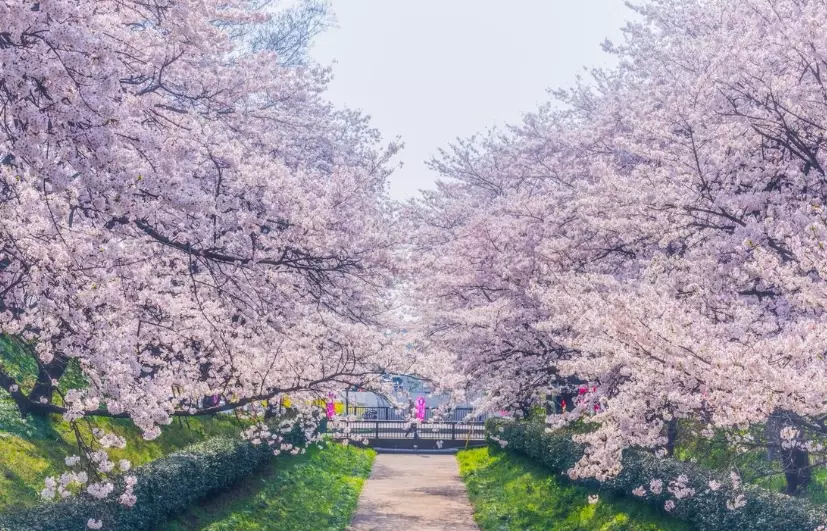
Be Prepared: Spring weather is fickle. Pack layers. A warm, waterproof jacket is essential. Comfortable walking shoes are non-negotiable. You will walk miles.
Frequently Asked Questions (The Stuff You Actually Want to Know)
Let's tackle those nagging questions that pop up when you're planning.
If you pair it with other cultural or tourist activities in the region, absolutely. Making it the sole focus of a long-haul international trip is risky due to weather. Build a broader itinerary around the predicted bloom window.
Don't despair! The period when the petals start to fall, carpeting the ground in pink snow, is incredibly beautiful in its own right. Some people prefer it. Also, look for late-blooming varieties like the shidare-zakura (weeping cherry) or kanzan trees, which bloom after the classic somei-yoshino.
Yes! Focus on:
- Secondary Cities: Instead of Kyoto, consider Kanazawa or Sendai. Instead of Washington D.C., consider Portland, Oregon or Seattle.
- Weekdays vs. Weekends: This makes a massive difference.
- Early Mornings on Weekdays: This is the holy grail for peace and photos.
Finding a good place to see cherry blossoms often means trading a fraction of the fame for a lot more peace.
- A compact, sturdy picnic blanket (the ground can be damp).
- Hand warmers (spring mornings are chilly).
- A zoom lens for your camera (to isolate details from a distance).
- Allergy medicine! The pollen can be intense.
Making Your Decision: A Simple Checklist
So, to finally answer that question—where is a good place to see cherry blossoms for you? Run through this:
1. Vibe Check: Do you want a festive party (Tokyo's Ueno Park), a serene cultural experience (Kyoto temple garden), or a relaxed picnic (local botanical garden)?
2. Crowd Tolerance: Be honest. Can you handle immense crowds with grace? If not, pick a hidden gem.
3. Travel Style: Are you combining it with a bigger trip? Match the blossom destination to your other interests.
4. Budget & Timing: Flights and hotels are most expensive right at peak bloom. Can you go slightly off-peak (a week before or after the predicted peak)?
5. Backup Plan: What will you do if it rains heavily or the blossoms are early/late? Have other attractions in mind.
For me, the sweet spot is a blend. I love one or two days in the epicenter of the frenzy to feel the energy, followed by time in a quieter, lesser-known spot to actually breathe and absorb the beauty.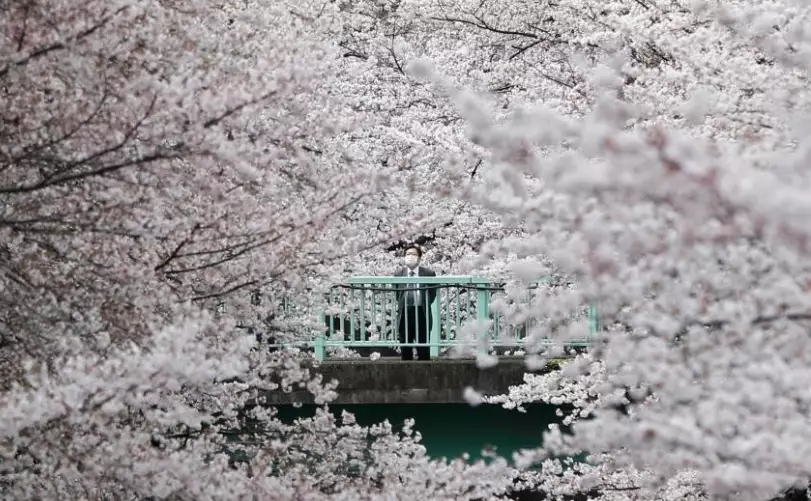
Final Thoughts: It's About the Moment
We can list places all day. The best place, in the end, is the one where you can be present. The magic of cherry blossoms isn't just in their color, but in their impermanence. They force you to be there, right then. Whether that's under a famous tree in Japan or on a quiet street in your own country, the feeling is the same: a shared, quiet awe at a spectacularly beautiful, fleeting natural event.
So use this guide to narrow down where is a good place to see cherry blossoms. Check those official forecasts. Book your trip. And then, once you're there, put the phone down for a minute. Just look up. Watch the petals drift on the breeze. That's the whole point.
Happy blossom hunting.
Share Your Thoughts