Your Quick Navigation Guide
- The Big One: The Fastest Bullet Trains (Nozomi & Mizuho)
- Almost All Private Railways and Subways
- Buses, Trams, and Ferries (With a Few Exceptions)
- Seat Reservations: Free, But Not Guaranteed
- Green Car (First Class) Travel
- Travel on the NON-JR Lines to Airports
- Common Mistakes and Hidden Costs
- So, Is the JR Pass Still Worth It?
- Frequently Asked Questions (The Stuff You're Actually Wondering)
So, you're planning the epic Japan trip. You've seen the videos, read the blogs, and everyone keeps talking about the legendary Japan Rail Pass (JR Pass) as the ultimate key to unlocking the country. It's a fantastic deal, no argument there. But here's the thing nobody shouts about loudly enough: the JR Pass isn't a golden ticket to everything on rails (or roads, or water).
I learned this the slightly annoying way on my first trip. I had my shiny pass in hand, feeling like a transport king, only to be politely told to pay extra at a ticket gate. Not a huge deal, but it breaks the rhythm, you know? That moment of fumbling for coins when you thought you were covered.
That's why we need to talk frankly about what is not included in the Japan Rail Pass. This isn't to scare you off—it's to make you smarter. Knowing the limits lets you budget accurately, avoid surprise fees, and plan an itinerary that actually works. Think of it as reading the fine print before signing up for a great deal. Let's dive into the details most guides just gloss over.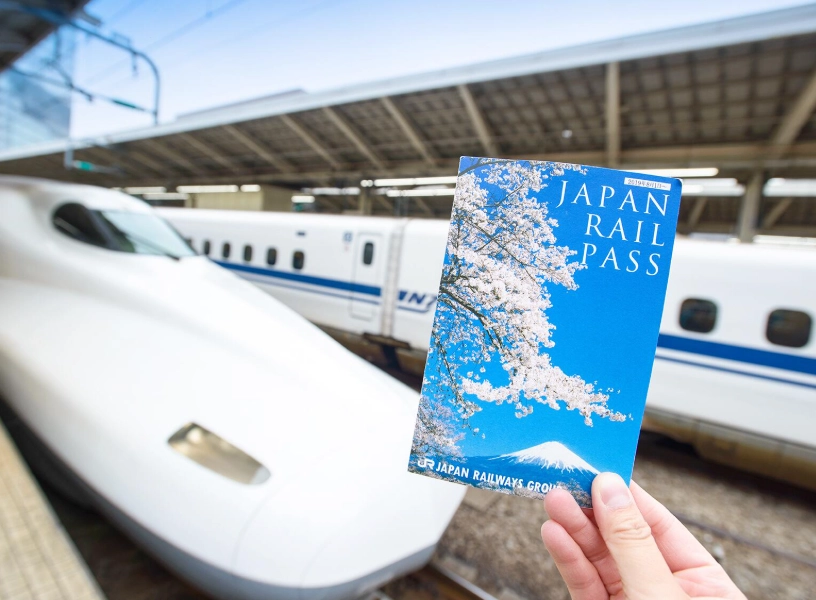
The Big One: The Fastest Bullet Trains (Nozomi & Mizuho)
This is the most famous exclusion, and for good reason. Japan's Shinkansen (bullet train) network is a marvel, but it has different "models" running on the same tracks. The JR Pass gives you access to the fantastic Hikari and Kodama services on the Tokaido and Sanyo lines (the ones connecting Tokyo, Kyoto, Osaka, Hiroshima).
But the absolute fastest, the ones with the fewest stops? Those are the Nozomi (Tokyo to Hakata) and Mizuho (Osaka to Kagoshima) trains. Your JR Pass is not valid on these. The conductor will check and you will be charged the full fare plus a hefty supplement if you board one by mistake.
Why does this matter? A Nozomi train from Tokyo to Kyoto takes about 2 hours and 15 minutes. A Hikari train, which you can use, takes about 2 hours and 40 minutes. It's a difference of 25-30 minutes. For many travelers, the slightly slower Hikari is perfectly fine—you still get there incredibly fast. But if you're on a tightly scheduled business trip or just hate waiting, this limitation is real.
You'll see the train names clearly on the departure boards and platform signs. Just look for Hikari or Sakura (the equivalent on the Kyushu lines) and you're golden. Boarding a Nozomi is the classic JR Pass mistake.
Almost All Private Railways and Subways
This is where the confusion really sets in. "Japan Rail" Pass implies national coverage, but Japan's rail network is a mix of Japan Railways (JR) Group companies and dozens of private railway companies. The pass only covers the JR Group lines.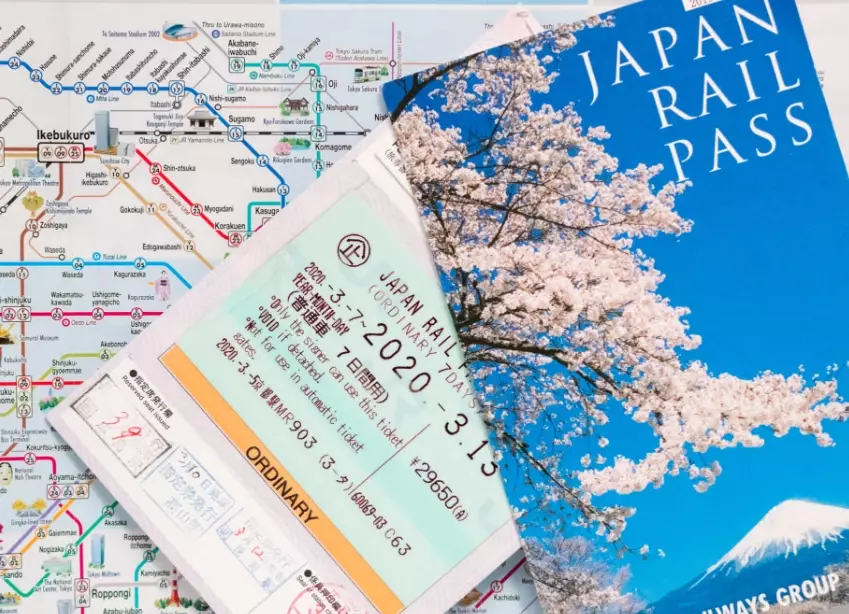
In major cities, this means your JR Pass is not valid on the vast majority of local subway and private commuter lines. This is a critical point to understand for your daily city travel.
| City / Area | Major Networks NOT Covered by JR Pass | What You Need Instead |
|---|---|---|
| Tokyo | Tokyo Metro (9 lines), Toei Subway (4 lines), Odakyu Line (to Hakone), Keio Line, Tobu Line (to Nikko), Tokyo Monorail (to Haneda Airport)* | Suica/Pasmo IC card, or a Tokyo Subway Ticket. |
| Osaka/Kyoto/Kobe | Osaka Metro, Hankyu Railway, Hanshin Railway, Keihan Railway, Kintetsu Railway (to Nara), Nankai Railway (to Kansai Airport). | ICOCA/PiTaPa IC card, or regional passes like the Kansai Thru Pass. |
| Hokkaido | Sapporo Municipal Subway, Streetcars. | Sapica IC card or single tickets. |
| Local Travel Everywhere | Almost all buses, trams, and ferries run by non-JR entities. | Exact change or local IC cards. |
*The Tokyo Monorail to Haneda IS covered by the JR Pass, which is a notable and useful exception!
My own blunder: I arrived in Osaka and confidently walked past the Nankai Railway ticket counters at Kansai Airport, heading for the JR station. It was only later I realized the Nankai line gets you to Namba station (central Osaka) faster and sometimes cheaper than the JR alternative. The JR Pass got me there, but it wasn't the most efficient choice. Lesson: always check all your options, even with a pass.
So, when asking "what is not included in the Japan Rail Pass?", the honest answer is: most of the intricate urban transit web you'll need for daily sightseeing. You'll rely heavily on reloadable IC cards (Suica, Pasmo, ICOCA) for these gaps.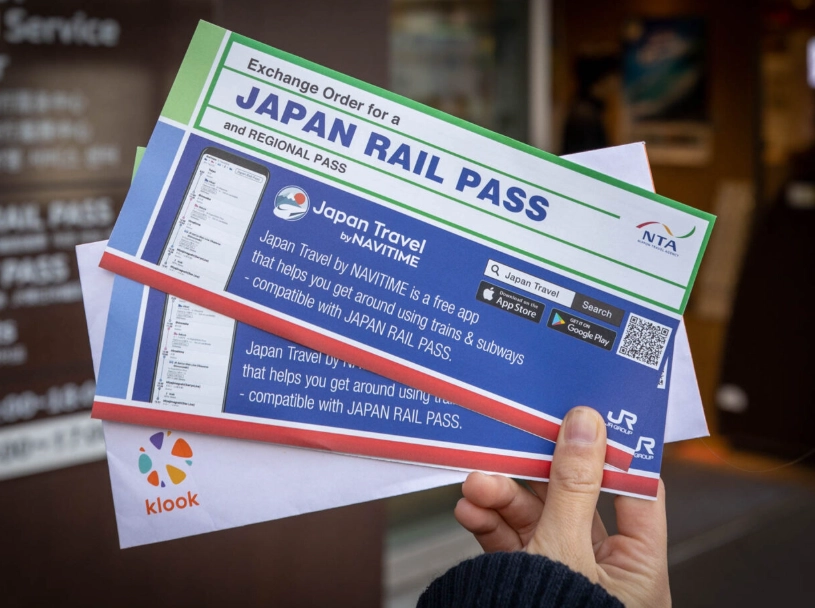
Buses, Trams, and Ferries (With a Few Exceptions)
This one catches people off guard. The JR Pass is primarily for trains. With a few specific and useful exceptions, it does not cover highway buses, local city buses, or ferries.
What's NOT Covered:
- Almost all local city buses: In Kyoto, the famous city bus network is not JR. In most towns, the local bus to a specific temple or attraction is not JR.
- Long-distance highway buses: Companies like Willer Express are separate. These are often a budget alternative to trains for long journeys, but your pass won't help here.
- Ferries: Want to take the ferry from Hiroshima to Miyajima? That's a JR ferry and it IS covered (a fantastic perk!). But the ferry from Otaru to somewhere? Or most scenic boat rides? Not included.
- Streetcars/Trams: Except for the JR-operated ones in places like Hiroshima (which are covered), most trams (like in Hakodate or parts of Nagasaki) are separate.
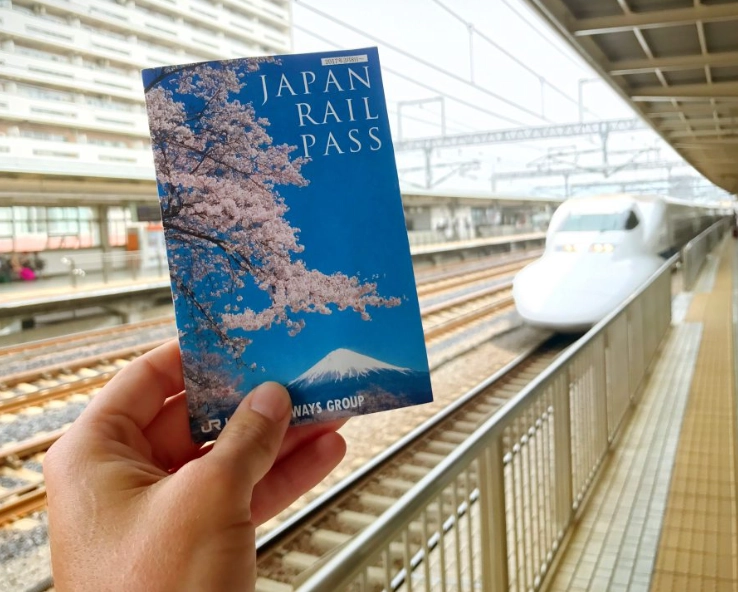
The Precious Exceptions (The Ones You Want):
- JR Miyajima Ferry: As mentioned, this is a huge benefit when visiting the iconic Itsukushima Shrine.
- Some JR local buses: In remote areas served primarily by JR, like parts of Hokkaido or around the Ise-Shima region, you might find JR buses that accept the pass. These are the exception, not the rule. Always look for the JR logo on the bus.
- JR West's Miyakoji Rapid Bus: This specific bus between Kyoto Station and Nara (via Hanshin Expressway) is covered, which is awesome.
Seat Reservations: Free, But Not Guaranteed
Okay, this is technically included, but with a giant asterisk that causes stress. You can make seat reservations for Shinkansen and limited express trains for free at any JR ticket office (Midori-no-madoguchi). This is a great benefit to secure a window seat on the Mount Fuji side.
However, what is not included is a guarantee that a reserved seat will be available. During peak seasons (Golden Week, Obon, New Year), popular routes can be fully booked days in advance. If all reserved seats are gone, you must travel in the non-reserved (jitōsha) cars and hope to find a seat.
It's a first-come, first-served system for those free reservations. My advice? Make your major long-distance reservations as soon as you exchange your pass voucher for the actual pass. Don't wait until the day of travel.
Green Car (First Class) Travel
The standard Japan Rail Pass is for Ordinary Car travel only. The more spacious, comfortable Green Car (first class) seats are not included. If you want to ride in the Green Car, you must purchase a Green Car JR Pass, which is significantly more expensive.
Be careful at the gate! The Green Car entrances are usually separate or marked. If you walk into a Green Car with an ordinary pass, you'll be charged the Green Car upgrade fee on the spot. The conductors are very diligent about checking.
Is the Green Car worth it? For most tourists on a busy schedule, probably not. The ordinary cars are already extremely clean, comfortable, and punctual. The Green Car offers more legroom, quieter atmosphere, and occasionally a complimentary wet towel (oshibori). It's a nice luxury, but far from essential.
Travel on the NON-JR Lines to Airports
Getting to and from the airport is a primary concern. Here's the breakdown, which perfectly illustrates what is and isn't included:
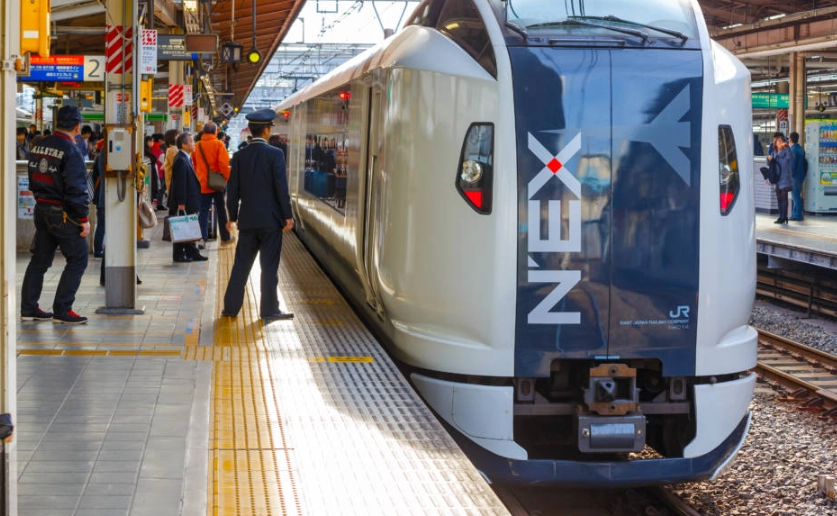
- Narita Airport (Tokyo): The JR Pass covers the JR Narita Express (N'EX) perfectly. This is a major win. It does NOT cover the Keisei Skyliner or Access Express, which are private lines.
- Haneda Airport (Tokyo): The JR Pass covers the Tokyo Monorail from Hamamatsucho Station. Another win!
- Kansai Airport (Osaka): The JR Pass covers the Haruka Limited Express to Tennoji and Shin-Osaka stations. It does NOT cover the faster and sometimes more convenient Nankai Railway Rapi:t trains to Namba.
- Chubu Centrair Airport (Nagoya): The JR Pass covers the JR Central μ-SKY (Mu-Sky) limited express on the Meitetsu Line? No, it doesn't. That's a Meitetsu (private) train. The JR Pass is not valid. You'd need to take a slower JR local train from a different station.
See the pattern? Always check if the airport line is operated by JR. If it's not, then it's not included in your Japan Rail Pass.
Common Mistakes and Hidden Costs
Beyond the official list, here are the practical, on-the-ground things people get wrong. These are the true hidden costs of assuming the pass covers everything.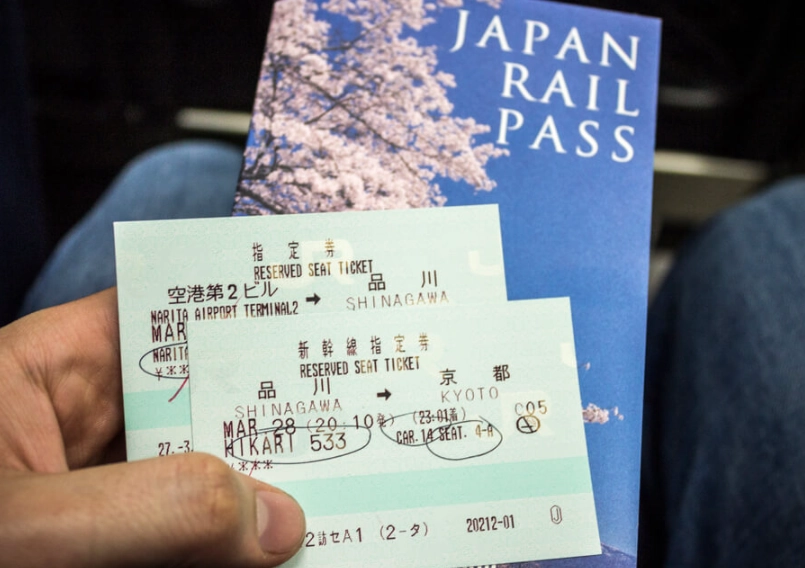
The "Last Mile" Problem
Your JR Pass gets you to the JR station in a small town. But your beautiful ryokan or the trailhead for that hike is 3 kilometers away, serviced only by a local bus. That bus is almost certainly not JR. Budget a few hundred yen for these final legs.
Overestimating City Coverage
In Tokyo, the JR Yamanote Line (the green loop line) is a godsend and fully covered. But it doesn't go everywhere. Asakusa? Not directly on the Yamanote. The Tokyo Metro Ginza Line does. That's an extra fare.
Pro-Tip: Use your JR Pass for the long hauls between cities and for JR lines within cities (like the Yamanote in Tokyo, the Osaka Loop Line, or the JR lines in Kyoto). Then, use a prepaid IC card (Suica/Pasmo) for all the non-JR subways, buses, and private lines. This two-card system is how savvy travelers navigate the exclusion list.
Assuming All "JR" Means Free
Some local JR lines, particularly in rural areas, might be operated by third-party companies under the JR brand but are designated as "non-JR Pass" lines. They are rare, but they exist (e.g., the Aoimori Railway section in Aomori, which was once JR). Always check the map that comes with your pass—it shows the valid network.
So, Is the JR Pass Still Worth It?
Absolutely, yes—if your itinerary is right. Understanding what is not included in the Japan Rail Pass doesn't make it a bad deal; it makes you a prepared traveler. The pass's value is astronomical for covering those long Shinkansen hops between Tokyo, Kyoto, Osaka, and Hiroshima. A one-way Tokyo-Kyoto Shinkansen ticket costs around ¥14,000. A 7-day Ordinary Pass is about ¥50,000. Two of those trips already justify the cost.
The key is to run the math. List your planned long-distance trips on a calculator, then add the cost of a Suica card loaded with maybe ¥3,000-¥5,000 for all the non-JR travel. Compare that total to the cost of the JR Pass. For a classic Golden Route itinerary, the pass wins every time, even with the exclusions.
For a trip focused solely on Tokyo, or on a single region like Kansai where private railways are king, the nationwide JR Pass might be a waste. Regional JR passes (like the JR West Kansai Pass) might be better suited.
Frequently Asked Questions (The Stuff You're Actually Wondering)
For the most definitive, official list of covered lines, always refer to the Japan Railways Group website. They provide the authoritative network map that is the final word on where your pass works: Japan Rail Pass Official Site.
So, there you have it. The full, unvarnished truth about what is not included in the Japan Rail Pass. It's not a magic wand, but it's still an incredibly powerful tool. By knowing its boundaries, you can plan a seamless, budget-friendly trip across Japan without any of those annoying little surprises at the ticket gate. Now go build that amazing itinerary with confidence.




Share Your Thoughts