You've seen the iconic scenes on screen—the crowded crosswalk, the serene shrine staircase, the quaint rural train station. Then you see a photo online, a real-life snapshot of that very spot. That's the magic of anime pilgrimage, or seichi junrei (聖地巡礼). It's more than tourism; it's a physical connection to the stories and characters you love. But planning one can feel overwhelming. Where do you even start? This guide cuts through the noise. I've been doing this for over a decade, and I'm here to give you the real, practical details—not just a list of names—to build your perfect anime travel adventure.
Your Quick Guide to Anime Pilgrimage
What Exactly Are Anime Pilgrimage Sites?
Think of them as real-world coordinates for your favorite fictional moments. When anime studios use actual locations for background art—a practice that adds immense authenticity—fans naturally want to visit. It started small but exploded with shows like The Melancholy of Haruhi Suzumiya (2006), which meticulously depicted suburban Nishinomiya, Hyogo. The local tourism board noticed the visitor surge and actively embraced it. Now, it's a cultural phenomenon.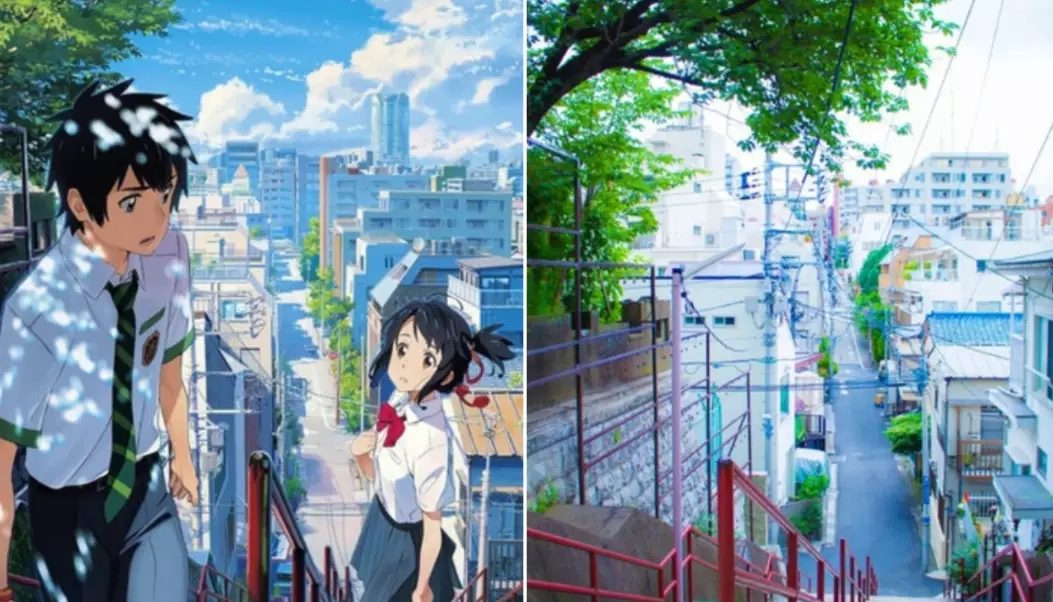
But here's the non-consensus bit most guides miss: the best pilgrimages aren't just about snapping the perfect replica photo. The magic happens in the spaces between the famous spots. It's the smell of the bakery next to the anime cafe, the sound of the local train not in the show, the feel of the town. Your goal is immersion, not just a checklist.
Top Regions & Must-Visit Spots
Japan is covered in these sites, but they cluster in key areas. Don't try to hit them all in one go. Pick a region based on your favorite anime.
The Kanto Powerhouses: Tokyo & Kanagawa
This is the most accessible zone, packed with iconic sites from blockbuster anime.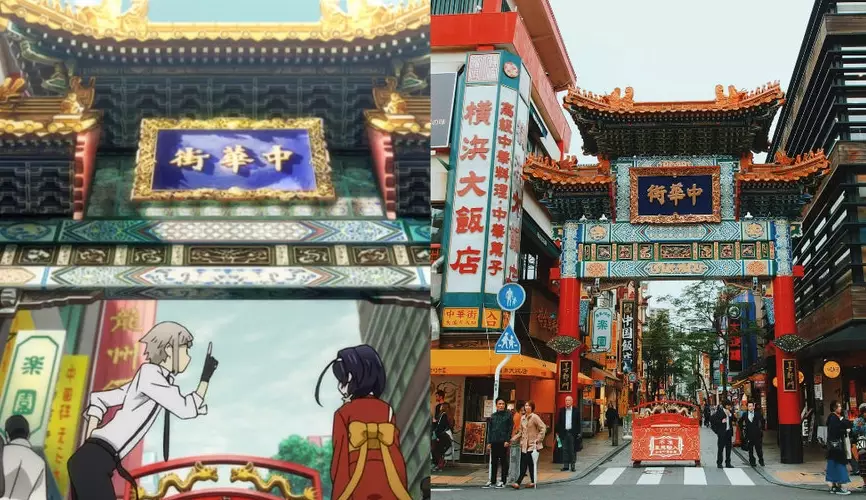
| Anime / Spot | Real Location & Address | Key Details & How to Get There |
|---|---|---|
| Your Name. (Kimi no Na wa.) Suga Shrine Stairs |
Suga Shrine, 5 Suga-chō, Shinjuku City, Tokyo. The stairs are a public street. | Free access. Always busy. Go at sunrise on a weekday for a clear shot. Nearest station: Yotsuya-sanchōme (Tokyo Metro). |
| Slam Dunk Kamakurakōkōmae Station Crossing |
Kamakurakōkōmae Station, Kotsubo, Kamakura, Kanagawa. The crossing is right outside. | The crowds are insane. Respect traffic and pedestrians. Take the Enoden Line from Fujisawa or Kamakura stations (Enoshima-Kamakura Free Pass is great value). |
| Weathering With You Various Tokyo Scenes |
Shinjuku's streets, Yoyogi Park, the Rainbow Bridge. | A scattered, urban hunt. Use a fan-made map. The Jingu Bridge in Shinjuku (where Hina prays for sunshine) is a specific, photogenic spot. |
Tokyo is convenient, but that's the problem. Everyone goes there. The Shibuya scramble crossing might be in Persona 5, but you're just one of thousands. For a deeper experience, you need to look further.
Going Deeper: Chichibu & The Tohoku Region
This is where pilgrimage feels more personal. Chichibu, Saitama, is the hallowed ground for fans of AnoHana (Ano Hi Mita Hana no Namae o Bokutachi wa Mada Shiranai). The entire city is part of the story. You can get a dedicated pilgrimage map at the station, visit the real Kashiyagura sweet shop, and walk across the Bamba Bridge. It's a complete, walkable experience far from the Tokyo rush.
Chichibu Practicals: Take the Seibu Line from Ikebukuro (about 80-90 mins). The Seibu 1-Day Pass is cost-effective. The local tourism site has an excellent AnoHana guide.
Further north, the Tohoku region offers stunning rural backdrops. Sound! Euphonium is set in Uji, Kyoto, but for a similar serene, small-town school feel with fewer tourists, look to shows like Silver Spoon (set in Hokkaido's agricultural college towns) or the films of Studio Ghibli, which often draw from places like the forests of Yakushima.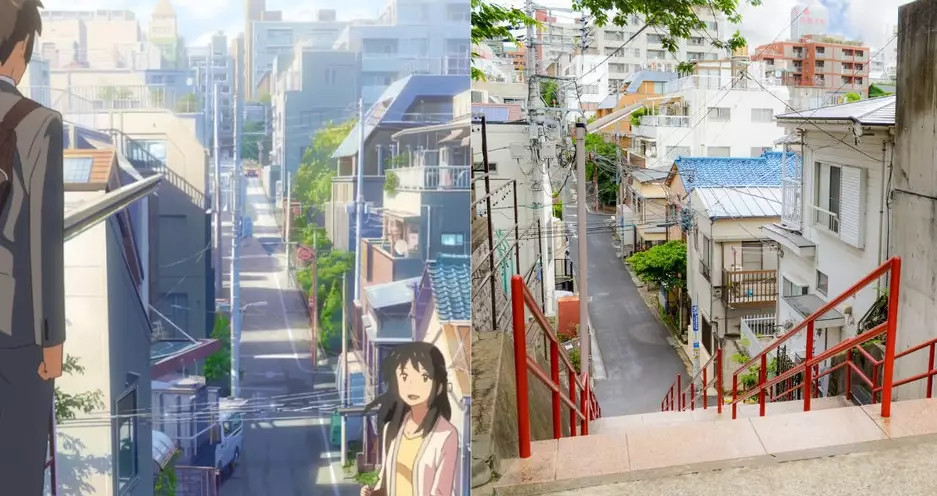
How to Plan Your Anime Pilgrimage Trip
This is where most people stumble. They see a list of 20 sites and think they can do it in three days. You can't. Here's a realistic framework.
Step 1: Choose Your Anchor Anime. Pick one or two series set in the same general area. Is it the urban jungle of Durarara!!'s Ikebukuro? Or the temple-filled streets of Kyōkai no Kanata's Kyoto? Build your trip around that.
Step 2: Logistics are King. Use Google Maps to plot every spot. You'll quickly see travel times. A site that's a 90-minute train ride plus a 30-minute bus trip is a half-day commitment, not a quick stop.
Step 3: The Local Research. Don't just rely on English blogs. Search the anime's Japanese title + "聖地" (seichi) or "ロケ地" (location). Use image search. Japanese fans often document exact angles and even the time of day for the best light. Check the website of the local city or town—many now have dedicated pilgrimage pages.
Step 4: Build in Slack & Serendipity. Schedule one major pilgrimage location per half-day. Use the remaining time to explore the area naturally. That random shrine you pass might be in another anime. The local konbini (convenience store) is part of the experience.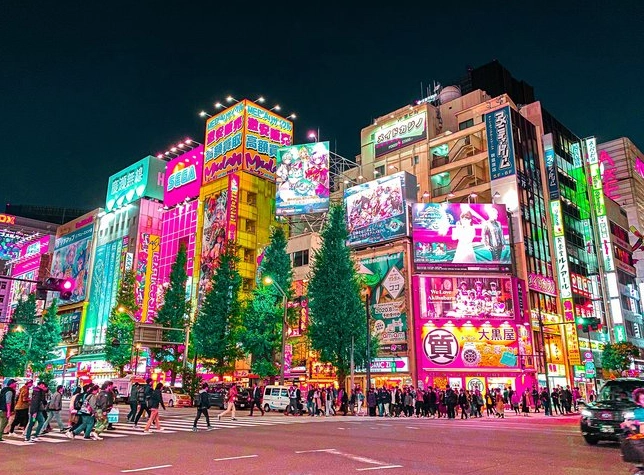
Expert Tips & Common Mistakes to Avoid
After ten years, you see patterns. Here’s what most beginners get wrong and how to do it right.
The Crowd Mistake: Everyone heads to the #1 spot from the #1 anime. If you hate crowds, you'll hate Kamakura's crossing on a weekend. Solution: Go for the second or third most popular show in a region. Love K-On!? Instead of just the school in Toyosato, explore the quieter Azusa-chan hill in Tottori. The photos will be better, the feeling more intimate.
The Transportation Oversight: Rural sites have infrequent buses. You might wait an hour for the next one. I once missed the last bus from a remote Your Name. location in Hida-Furukawa and had to pay for a very expensive taxi. Solution: Photograph the bus/train timetable the moment you arrive. Plan your return trip before you start exploring.
The Respect Factor: This isn't a theme park. It's someone's neighborhood. I've seen fans yelling anime quotes at a quiet temple. It's cringeworthy. Be discreet, take your photos quickly without blocking paths, and always spend money locally. Buy a drink from the vending machine featured in the show, eat at the depicted restaurant. It's how these communities benefit from and continue to welcome pilgrims.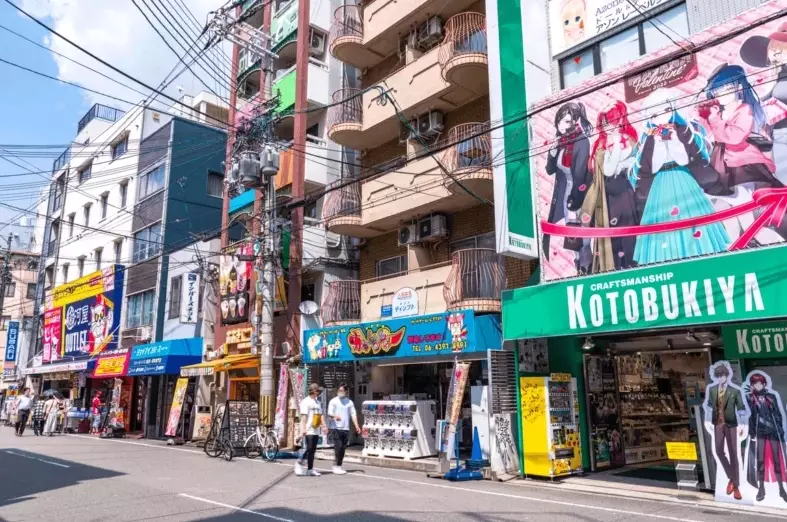
Your Anime Pilgrimage Questions Answered
The final piece of advice? Let the trip breathe. Your favorite moment might not be the perfect photo. It might be sitting on a bench in a quiet Chichibu park, listening to the AnoHana soundtrack, and just feeling present in that space. That's the real pilgrimage.
Share Your Thoughts