Your Guide to Japan Rail Passes
Okay, let's be real. Figuring out which rail pass is best for Japan can feel like trying to solve a puzzle while blindfolded. You've probably seen the ads for the famous JR Pass, heard whispers about regional passes, and maybe you're just wondering if you should bother with any pass at all.
I was in your shoes a few years ago. Staring at maps, adding up hypothetical train fares on a calculator, and getting a headache from all the options. I've made the mistake of buying a pass I didn't need (a costly one-week JR Pass for a trip mostly in Kyoto and Osaka – ouch), and I've also had the triumph of saving a small fortune with a perfectly chosen regional pass.
So, let's skip the fluff and marketing. This isn't about promoting one product. It's a practical, step-by-step breakdown to answer the core question: which rail pass is genuinely best for Japan, for your specific trip? We'll look at the big national pass, the smaller regional ones, and even when it's smarter to skip passes altogether.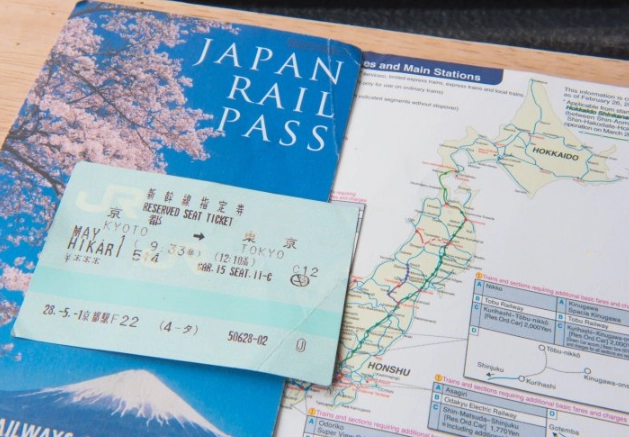
The Heavyweight Champion: The Japan Rail Pass (JR Pass)
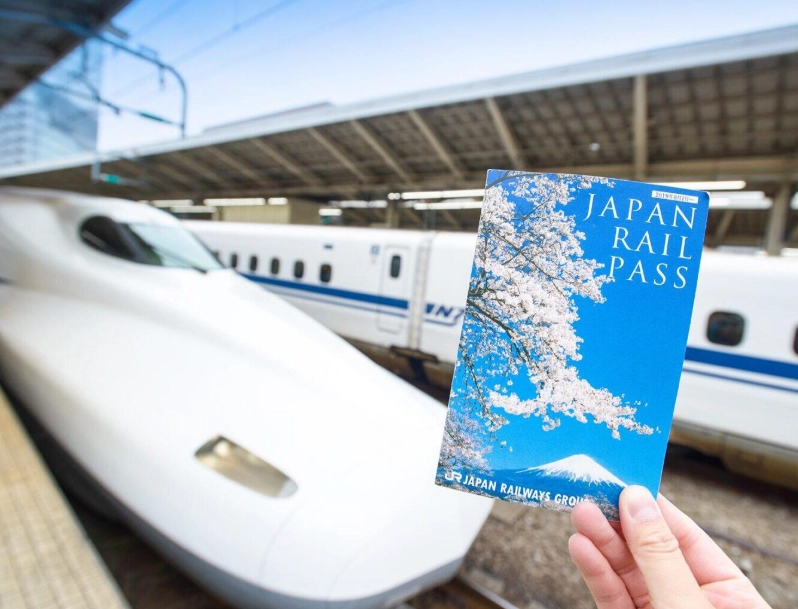
This is the one everyone knows. The JR Pass gives you unlimited travel on most Japan Railways (JR) trains nationwide, including the famous Shinkansen bullet trains (with a few exceptions like the super-fast Nozomi and Mizuho trains on the Tokaido/Sanyo lines).
It sounds like a dream, right? Hop on any bullet train, any time. But the price tag is steep. The key is knowing if your planned travel justifies the cost.
When the JR Pass is Actually the Best Rail Pass for Japan
It shines in one specific scenario: a classic, long-distance, multi-city itinerary across Japan. Think Tokyo -> Kyoto -> Hiroshima -> back to Tokyo within 7 days. That single round trip on the Shinkansen between Tokyo and Kyoto already costs a fortune. Adding Hiroshima into the mix makes the pass a no-brainer.
Here’s a quick mental checklist. The JR Pass is likely your winner if:
- You're doing a multi-city tour covering long distances (e.g., spanning from Kanto to Kansai to Kyushu).
- Your trip is time-limited (7, 14, or 21 days), and you need to cover ground fast.
- You love the flexibility of jumping on trains without buying individual tickets.
The Not-So-Fine Print (Things They Don't Always Highlight)
The JR Pass isn't a golden ticket to every train. You can't just waltz onto the Nozomi Shinkansen (the fastest one on the Tokaido line). You have to take the slightly slower Hikari or Kodama trains. In practice, this often means just an extra 15-30 minutes between Tokyo and Kyoto, but it's a limitation to be aware of.
Also, it mostly covers JR lines. In mega-cities like Tokyo and Osaka, the subway networks are run by other private companies (like Tokyo Metro, Toei). Your JR Pass is useless on those. You'll need a separate IC card (like Suica or Pasmo) or subway ticket for a lot of inner-city travel.
So, is the JR Pass the best rail pass for Japan? For the classic long-distance sprint, often yes. But let's look at the alternatives, because for many travelers, they are the real money-savers.
The Underdog Heroes: Regional & Local Rail Passes
This is where the magic happens for most travelers. Japan's regional railways offer their own passes, and they are frequently a better fit and better value than the national JR Pass. They are the answer to "which rail pass is best for Japan" if you're focusing on one area.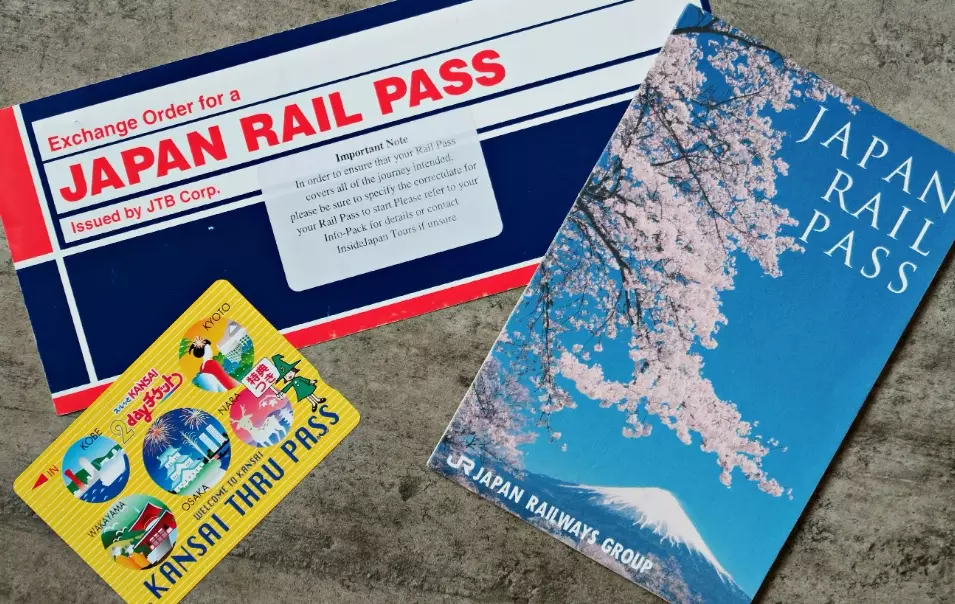
Think about it. Are you spending a week eating your way through Osaka, exploring the temples of Kyoto, and taking day trips to Nara and Kobe? Buying a nationwide pass for that is overkill. A Kansai-area pass is what you need.
| Regional Pass Name | Best For Itineraries Like... | Key Coverage | Approx. Price (Adult) |
|---|---|---|---|
| JR Kansai Area Pass | Osaka, Kyoto, Nara, Kobe, Himeji Castle. | Unlimited JR trains in the Kansai region, including rapid services and some limited expresses. | 1-Day: ~$20 | 4-Day: ~$60 |
| JR Kansai WIDE Area Pass | The above + trips to Kansai Airport, Wakayama, Kinosaki Onsen, or Okayama/Kurashiki. | Broader Kansai region, includes the Haruka airport express and trains to the coast. | 5-Day: ~$100 |
| JR Tokyo Wide Pass | Tokyo + day trips to Nikko, Karuizawa, the Fuji Five Lakes (Kawaguchiko), and Hitachi Seaside Park. | Covers a large area around Tokyo, including Narita Airport access and some Shinkansen lines. | 3-Day: ~$100 |
| JR Hokkaido Rail Pass | Exploring the vast landscapes of Hokkaido (Sapporo, Otaru, Furano, Biei, Asahikawa). | Unlimited travel on JR trains in Hokkaido, essential for covering long distances on the island. | 5-Day: ~$180 | 7-Day: ~$240 |
| JR Kyushu Rail Pass | Circuit trips around Kyushu (Fukuoka, Nagasaki, Kumamoto, Kagoshima, Beppu). | Covers JR trains in Kyushu, including the fantastic Kyushu Shinkansen and scenic limited expresses. | 3-Day: ~$150 | 5-Day: ~$180 |
See the pattern? The value is immense if your travel is concentrated. A 4-day Kansai Area Pass costs less than a single one-way Shinkansen ticket from Tokyo to Kyoto. It's a no-brainer for regional travel.
I used the JR Kansai WIDE Area Pass to get from Kansai Airport to Kyoto, then to Kinosaki Onsen (a gorgeous onsen town on the coast), and back to Osaka. The pass paid for itself on just the airport transfer and the long trip to Kinosaki. Everything else was bonus travel.
The Dark Horse: When No Pass is the Best Pass
This is a crucial chapter. Sometimes, the best financial decision is to buy no rail pass at all. The idea that you must have a pass to travel Japan efficiently is a myth.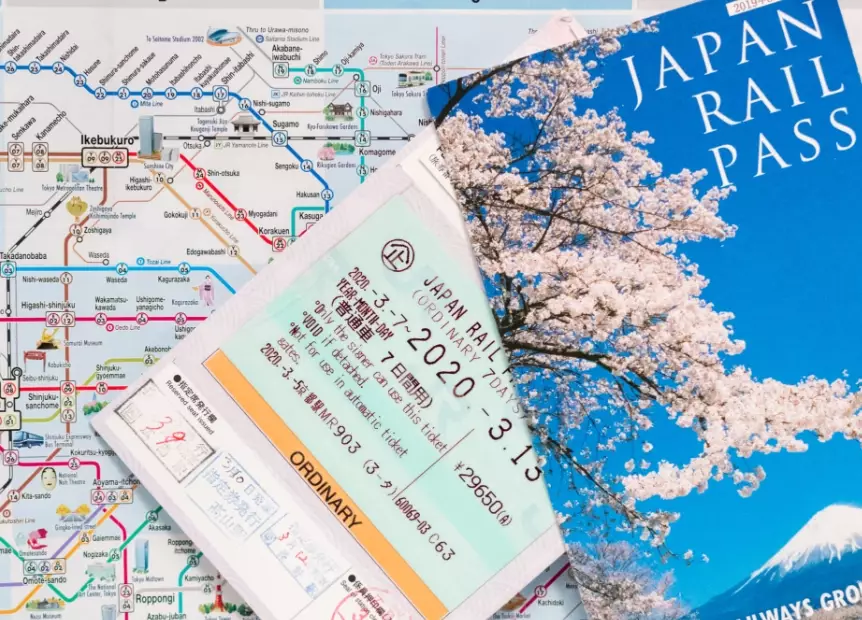
Consider this: If you're basing yourself in one or two cities and taking only a couple of day trips, individual tickets might be cheaper. Or if your travel is a mix of Shinkansen and lots of non-JR subways, the math can get messy.
Enter the IC Card: Your Pay-As-You-Go Workhorse
For all local travel, an IC card is non-negotiable. Suica (JR East), Pasmo (Tokyo private lines), Icoca (JR West), or any of the others. They all work interchangeably across most of Japan (except some very remote areas).
You tap on, tap off. It works on almost all trains, subways, and buses in major cities. You can even use it at convenience stores and vending machines. It's effortless.
So, a hybrid strategy often wins: Use an IC card for all your within-city travel and short regional hops. Then, for your one or two big Shinkansen trips, buy discounted advance tickets known as "Tokkyu Ken" or look for "Puratto Kodama" tickets (discounted tickets for the slower Kodama Shinkansen) if your timing is flexible. Websites like JR East's Eki-Net and JR West's Odekake (both in Japanese but navigable with browser translation) sometimes offer these advance online discounts.
Your Step-by-Step Decision Guide
Enough theory. Let's build your itinerary. Grab a notepad or open a spreadsheet.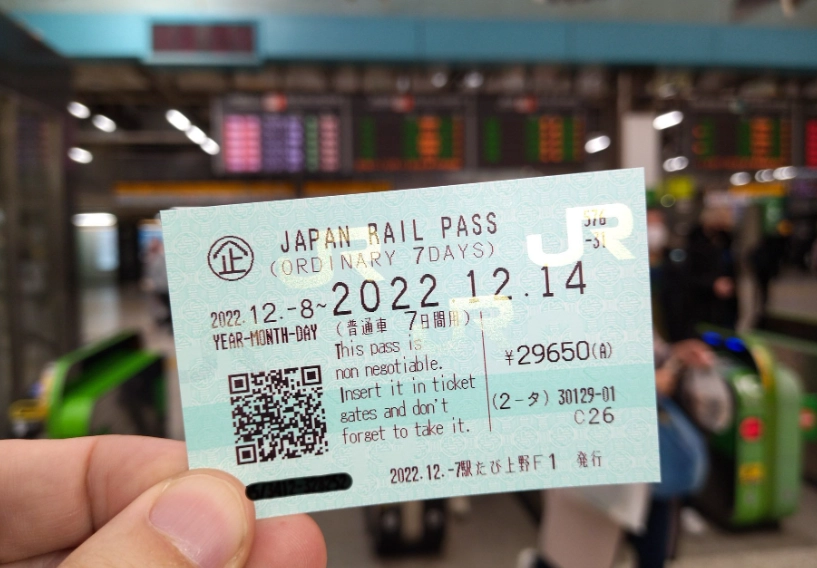
Step 1: Map Your Must-Visit Places
List every city and town you plan to sleep in and every day trip you want to take. Be specific. "Day trip from Kyoto" becomes "Nara" or "Arashiyama."
Step 2: Connect the Dots with Transport
Use a fare calculator. The website Jorudan or the app "Japan Travel by Navitime" is perfect for this. Input your route (e.g., Tokyo to Kyoto) and note the full fare for the Shinkansen (not the pass price, the actual ticket price). Do this for every long-distance leg.
Step 3: The Math Test
Add up all those full fares. Now, compare the total to the price of the rail passes you're considering.
- Is your total close to or exceeding the cost of a 7-day JR Pass? Then the JR Pass might be your best rail pass for Japan.
- Is most of your travel clustered in one region (e.g., all your fares are in Kansai)? Compare your total to the relevant regional pass.
- Is your total significantly lower than any pass? Congratulations, you should probably pay as you go.
Step 4: Factor in the Intangibles
Math isn't everything. Value convenience and flexibility. Does the thought of buying a ticket for every journey stress you out? The peace of mind of a pass might be worth a small premium. Do you love spontaneity? A pass lets you change your mind and hop on a train to a new town on a whim.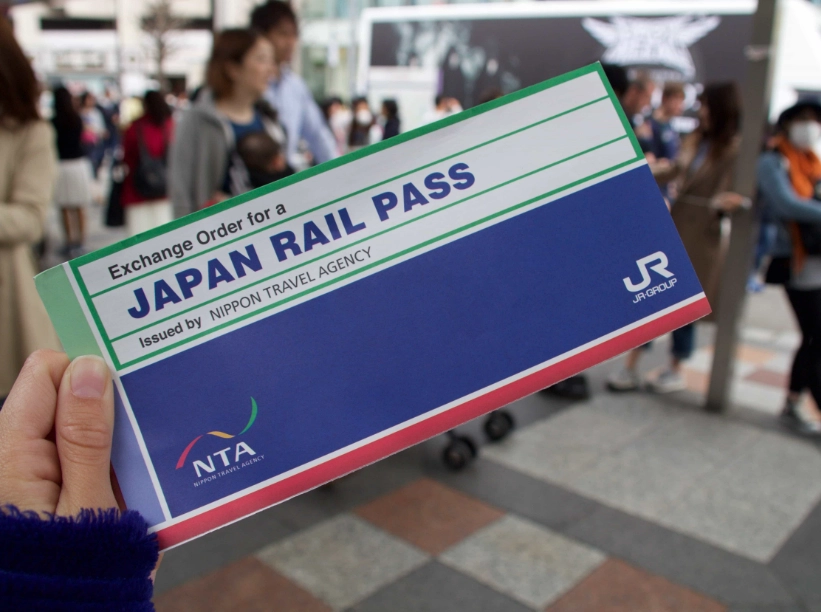
Common Questions (Stuff You're Probably Wondering)
The Final Verdict: So, Which Rail Pass is Best for Japan?
Let's bring it all home.
If your trip is the grand tour—zooming from one end of the country to another in a short time—the national Japan Rail Pass is likely your champion, even after the price hike. It offers unmatched freedom for that style of travel.
If your trip is a deep dive into one or two regions—like a week in Kansai or touring around Kyushu—then a regional rail pass is almost certainly the best rail pass for Japan for you. It's where the most value hides.
And if your trip is a city-focused stay with a couple of targeted excursions—like Tokyo with trips to Nikko and Hakone—then the winner is often no pass at all, combined with an IC card and specific discounted tickets for your day trips.
The truth is, Japan's train system is so good that there's a cost-effective solution for every type of traveler. You don't need to force your trip to fit a pass. Do the homework, run the numbers for your specific plans, and you'll find the answer to "which rail pass is best for Japan" is perfectly clear. And your wallet will thank you.
Now, go plan that amazing trip.




Share Your Thoughts