Quick Guide
- The Four Official Trails: Your Starting Point Dictates Everything
- What Actually Eats Up Your Time on the Mountain?
- A Realistic Hour-by-Hour Schedule (Yoshida Trail Example)
- Your Fitness & Preparation: The Controllable Factor
- Gear: The Difference Between Miserable and Memorable
- Frequently Asked Questions (The Stuff You're Actually Wondering)
- Final Thoughts: Planning Your Answer to "How Long Does It Take?"
Let's cut to the chase. When you type "how long does it take to hike Mount Fuji?" into Google, you're probably hoping for a simple number. Maybe you've seen answers like "6-10 hours" and thought, "Great, I can do that in a day." Well, hold on. The real answer is a classic case of "it depends," and if you don't understand what it depends on, you might be setting yourself up for a miserable—or even dangerous—experience.
I learned this the hard way on my first attempt. I looked at the average time, packed a light bag, and figured my decent fitness would carry me through. I hadn't accounted for the insane queues during the peak Obon holiday, the altitude headache that hit me at the 8th station, or the fact that the "estimated time" on the signposts felt like they were written for mountain goats. I turned back before the summit, defeated by poor planning.
So, based on that failure and a subsequent successful climb, let's break this down properly. We're not just talking about walking time. We're talking about total elapsed time from your bus drop-off to your triumphant (or exhausted) return, including all the sneaky factors most guides gloss over.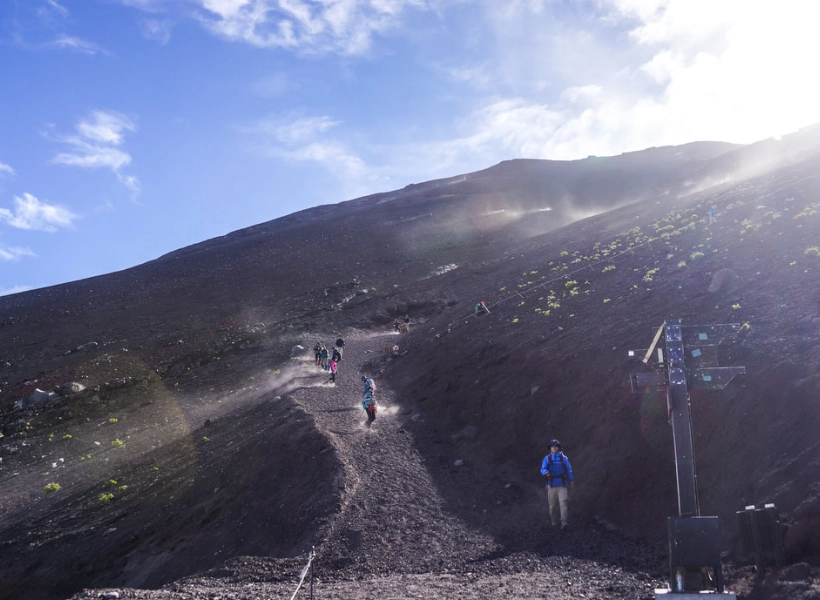
The Four Official Trails: Your Starting Point Dictates Everything
This is the most critical factor. Mount Fuji has four main trails—Yoshida, Subashiri, Gotemba, and Fujinomiya—each starting at a different 5th Station altitude. The higher you start, the less vertical climbing you have to do. It's simple math, but it dramatically changes the answer to "how long does it take to hike Mount Fuji?".
| Trail | 5th Station Altitude | Ascent Distance | Vertical Gain | Typical Ascent Time | Typical Descent Time | Best For |
|---|---|---|---|---|---|---|
| Yoshida Trail | 2,305m | ~14.5 km round trip | ~1,475m | 5-7 hours | 3-5 hours | First-timers; most facilities & mountain huts |
| Subashiri Trail | 2,000m | ~17 km round trip | ~1,780m | 6-8 hours | 3-4 hours (via separate, sandy descent) | Those wanting less crowd; scenic forest start |
| Gotemba Trail | 1,450m | ~19 km round trip | ~2,335m | 7-9+ hours | 3-4 hours (long, sandy scree slope) | Experienced hikers seeking a challenge |
| Fujinomiya Trail | 2,380m | ~11 km round trip | ~1,392m | 4-6 hours | 2.5-3.5 hours | Those short on time; steepest, most direct route |
See the range? The Gotemba Trail, starting much lower, can take almost twice as long to ascend as the Fujinomiya Trail. Most first-timers pick the Yoshida Trail because it's well-serviced and has the clearest infrastructure. Those times—5-7 hours up—are what you'll commonly see. But "typical" doesn't mean "guaranteed for you."
I personally found the Subashiri Trail more enjoyable than Yoshida. The initial hike through the forest was a peaceful start, though it does add a bit more time. The descent down the separate Subashiri descending path was a blast—literally running down volcanic scree. It was faster than walking, but you need good knees and balance!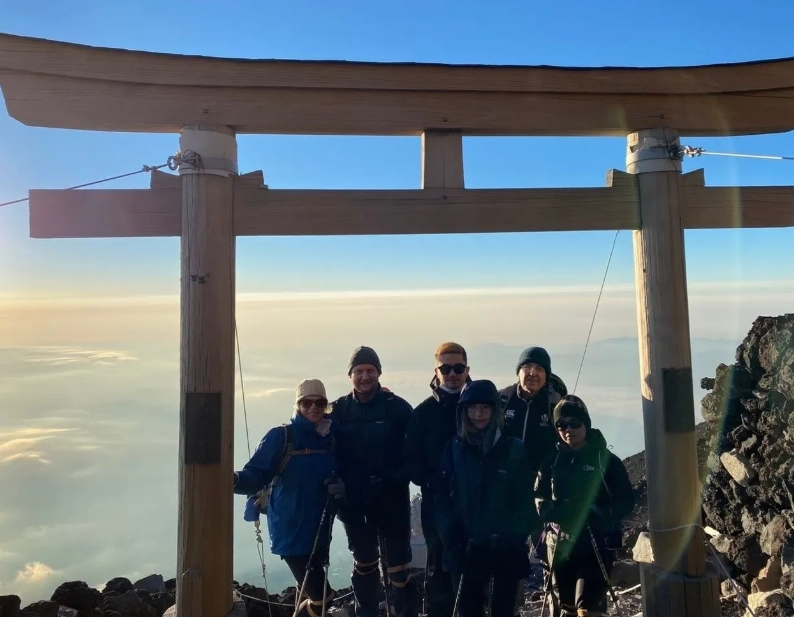
What Actually Eats Up Your Time on the Mountain?
If hiking was just walking on a flat path, calculating how long it takes to hike Mount Fuji would be easy. It's not. Here’s what slows you down, often unexpectedly.
1. Altitude and Fitness: The Great Slower-Downers
Above 2,500 meters, the air gets thin. Your heart and lungs work harder for less oxygen. You might get a headache, feel nauseous, or just become incredibly tired. The standard advice is to climb slowly, but "slowly" is subjective. A fit trail runner might still slow to a crawl. An average person might need to stop for 5 minutes every 20. This is the single biggest variable after your chosen trail.
2. Crowds and "Traffic Jams"
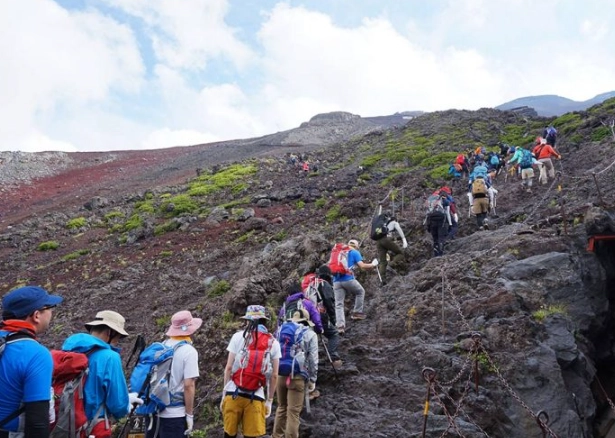
On a sunny summer weekend, especially in late July or during Obon (mid-August), the Yoshida Trail can resemble a conga line near the summit. I'm not exaggerating. You can be stuck in a literal queue on a mountainside, inching forward for over an hour. This can easily add 1-2 hours to your ascent time. Climbing on a weekday, or starting your ascent very late at night/very early in the morning, can help avoid this.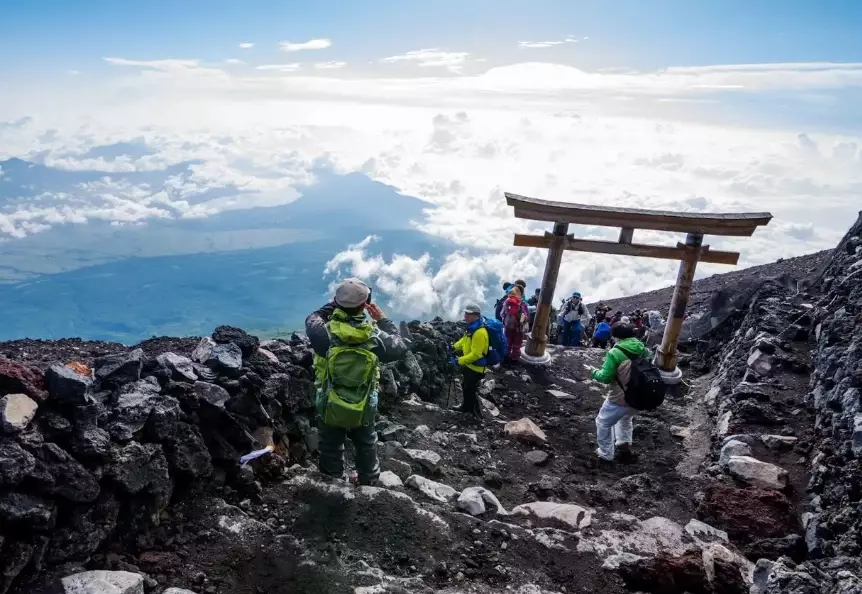
3. Weather: The Ultimate Boss
Wind, rain, and cold are brutal. Strong winds can force you to stop and hold onto ropes. Rain makes the rocky paths slippery and dangerous, slowing progress to a cautious shuffle. Good weather might let you maintain a steady pace. Bad weather can double your time and make you question all your life choices. Always, always check the Japan Meteorological Agency forecast for the specific summit area.
4. Breaks, Hut Stops, and Summit Activities
You will take breaks. You might buy a drink at a hut (a can of Coke costs like 500 yen up there, by the way). You'll stop to put on layers. If you reach the summit for sunrise, you'll linger for photos. Then you might walk around the crater rim (about an hour loop). You might get your hiking stick branded (a popular souvenir). All this "non-hiking" time is part of the real-world calculation of how long the whole experience takes.
A Realistic Hour-by-Hour Schedule (Yoshida Trail Example)
Let's make this concrete. Here’s a common and realistic timeline for a first-timer doing the classic overnight hike for sunrise via the Yoshida Trail. This assumes a moderate pace, some crowds, and a mountain hut stay.
- Day 1 - Afternoon: Arrive at Fuji Subaru Line 5th Station (Yoshida) by bus. Spend an hour acclimatizing, buying last-minute supplies, and getting your stamp.
- ~1:00 PM: Start the ascent. Hike steadily, taking short breaks.
- ~6:00 PM (5 hours later): Arrive at your reserved mountain hut near the 8th Station. Eat the provided simple meal, try to sleep (it's noisy and cramped).
- Day 2 - ~1:30 AM: Wake up, pack, and join the line of headlamps continuing upwards.
- ~4:15 AM (2.5-3 hours later): Reach the summit. Find a spot and wait for sunrise (~4:30-5:00 AM in summer).
- 5:00 AM - 7:00 AM: Enjoy sunrise, take photos, visit the highest post office, maybe get some hot food from a summit hut.
- ~7:30 AM: Begin descent via the Yoshida descending path (separate from the ascent trail).
- ~10:30 AM (3 hours later): Arrive back at the 5th Station. Collapse onto the bus.
If you're doing a day hike (starting very early and aiming to be back down by afternoon), you'd compress this drastically, but you'd miss the sunrise and battle more heat and potential afternoon storms.
Your Fitness & Preparation: The Controllable Factor
You can't control the weather or the crowds, but you can control your legs and lungs. Fuji is not a technical climb, but it's a long, sustained uphill grind. The best training? Stair climbing, hill repeats, and long walks with a loaded backpack. If you can comfortably hike 6-8 hours with elevation gain in your home country, you'll have a much better time. Being fit means you can go slower for the altitude without feeling rushed, and your descent will be less punishing on your knees.
My failed climb was partly due to underestimating this. I was "gym fit" but not "hiking fit." There's a difference.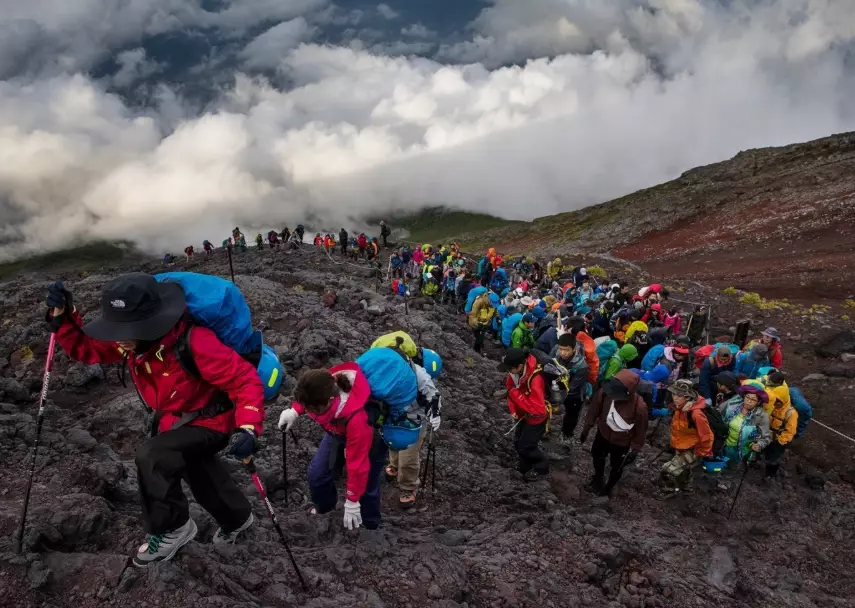
Gear: The Difference Between Miserable and Memorable
Wrong gear will slow you down and make you miserable. Here’s the non-negotiable list that directly impacts your speed and safety:
- Sturdy Hiking Boots: Ankle support is crucial for the uneven, rocky terrain. No sneakers.
- Layered Clothing: Summit at sunrise can be at or below freezing with wind chill. The 5th Station can be mild. You need a moisture-wicking base layer, insulating mid-layer (fleece/puffy), and a waterproof/windproof outer shell.
- Headlamp: Essential for the night hike section. Hands-free is key.
- Gloves & Beanie: Your extremities get cold first.
- Water & Snacks: More than you think. At least 2 liters of water. High-energy snacks like nuts, chocolate, and onigiri (rice balls).
- Trekking Poles: A lifesaver for knees on the descent. Collapsible ones are best for travel.
Frequently Asked Questions (The Stuff You're Actually Wondering)
Can I really hike Mount Fuji in one day?
Yes, it's possible as a day hike if you're very fit, start very early (like 5-6 AM from the 5th Station), pick a shorter trail like Fujinomiya, and have perfect weather. You'd aim to summit by early afternoon and descend quickly. But you'd miss the iconic sunrise, face a higher risk of afternoon thunderstorms, and it's a physically demanding sprint. The overnight hut stay is the recommended and more culturally immersive experience. The official Mount Fuji Climbing official website generally promotes the safer, more managed approach which aligns with an overnight climb.
Is the descent really faster?
Yes, almost always. You're going downhill, gravity helps, and you're (hopefully) acclimatized. But it's a different kind of hard. The Yoshida and Subashiri descent paths are often loose volcanic sand and scree. You can almost "ski" down them, which is fast but tough on your quad muscles and knees. Descent times are usually about half to two-thirds of the ascent time.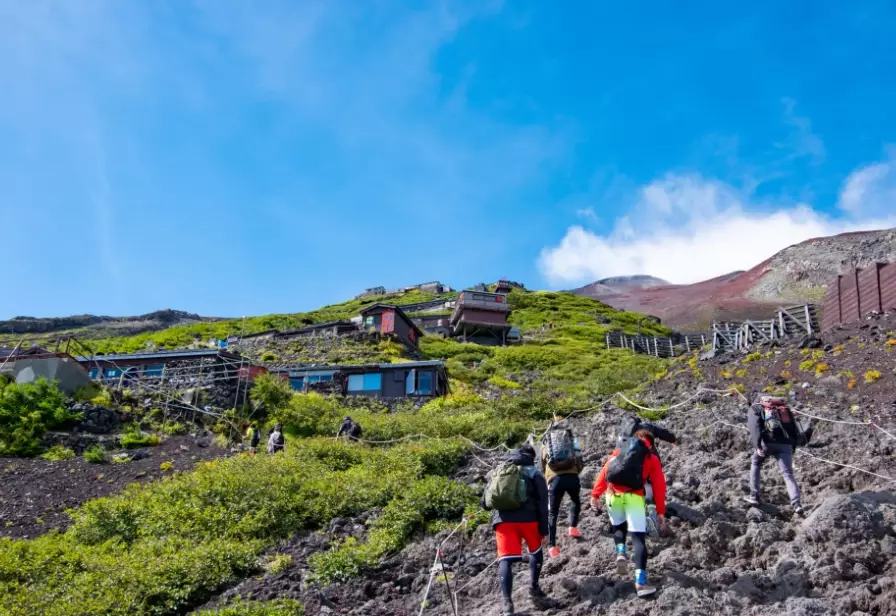
How do mountain huts affect the timing?
They split the climb, which is good for acclimatization and managing fatigue. But they don't reduce the total active hiking time; they spread it over a longer period with a rest break. You still need to hike 5-7 hours to the hut, then another 2-4 hours from hut to summit. The advantage is you do the final push in the cool, dark hours when you're fresh(ish). Booking is essential. Check sites like Japan National Tourism Organization (JNTO) for general planning, but book huts through specific hut websites or aggregators.
What if I'm a slow hiker?
Then you simply need to plan for it. Start your ascent earlier in the day. Give yourself the full upper range of the time estimates (e.g., 8 hours for Yoshida ascent instead of 5). The mountain doesn't close. The key is to ensure you have enough daylight/weather window and that you've communicated your plans if you have a hut booking (they might worry if you're very late). Listen to your body; going slow is the best way to prevent altitude sickness.
When is the best time to start climbing to avoid crowds?
Against common logic, starting later at night can sometimes mean fewer crowds at the summit queue. While everyone else leaves huts at 1-2 AM, starting from the 5th Station at 10-11 PM might mean you hit the summit just after the main sunrise rush. Alternatively, start your ascent very early in the morning (5 AM) for a day hike, avoiding the overnight crowd entirely. Weekdays (Tuesday-Thursday) are always less busy than weekends.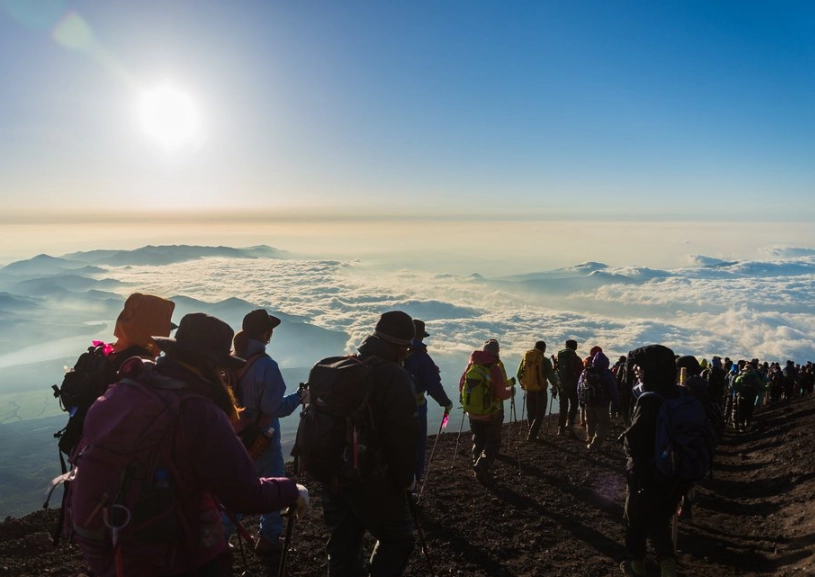
Final Thoughts: Planning Your Answer to "How Long Does It Take?"
So, after all this, how long does it take to hike Mount Fuji? Don't think in hours. Think in a plan.
- Pick your trail based on your time, fitness, and desire for crowds/scenery.
- Add 2-3 hours to the standard ascent time you find online. This buffer is for crowds, altitude, and breaks.
- Decide on a sunrise (overnight) or day hike. This frames your entire schedule.
- Book transportation and huts WELL in advance. The bus to the 5th Station and mountain huts fill up.
- Check the weather religiously in the days leading up and be prepared to cancel. A summit in clouds and rain is not worth the risk.
The goal isn't to set a speed record. It's to stand on that iconic summit, safe and satisfied, having answered the call of the mountain. Whether it takes you 10 hours or 15, that's your Fuji story. Plan for the longer estimate, hope for the shorter one, and you'll be just fine.
And remember, the official climbing season is short for a reason—usually early July to early September. Outside of that, the trails are closed, facilities are shut, and conditions are dangerously icy. Stick to the season, respect the mountain, and you'll understand why asking how long does it take to hike Mount Fuji is just the beginning of a much bigger adventure.


Share Your Thoughts