You're planning a trip to Japan. Kyoto's temples, Tokyo's neon, Osaka's food – they're all on the list. Then you get to Hiroshima. A city with a name that echoes through history. You know you should visit the Hiroshima Peace Memorial Museum. But a quiet voice asks: is it worth it? Will it be too depressing? Is it just a tourist stop, or something more?
Let's cut to the chase. Yes, the Hiroshima Peace Museum is absolutely worth visiting. It's not an "attraction" in the traditional sense. It's a necessary, profound, and ultimately humanizing experience that will reshape your understanding of war, peace, and resilience. But going in unprepared is the biggest mistake most visitors make.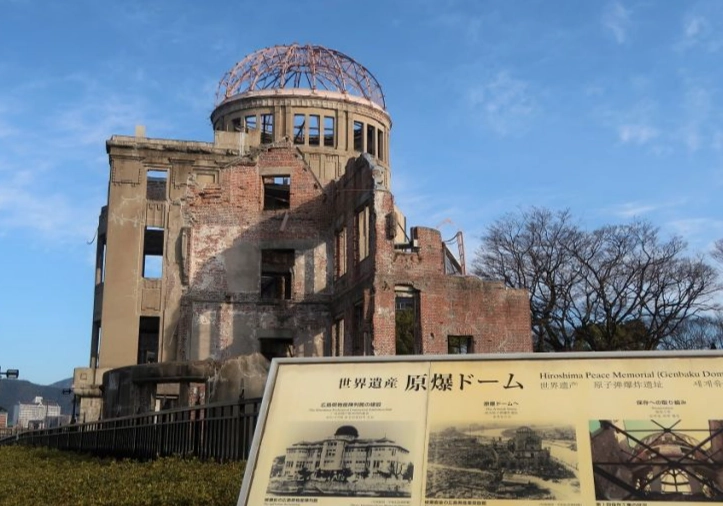
What's in this guide?
- What Exactly Will You See at the Hiroshima Peace Museum?
- The Practical Stuff: Tickets, Hours, and Getting There
- How to Plan Your Visit for Maximum Impact (and Minimum Overwhelm)
- Common Mistakes First-Time Visitors Make
Beyond the Museum: Other Perspectives in Hiroshima - The Final Verdict: Who Should Go and Why
What Exactly Will You See at the Hiroshima Peace Museum?
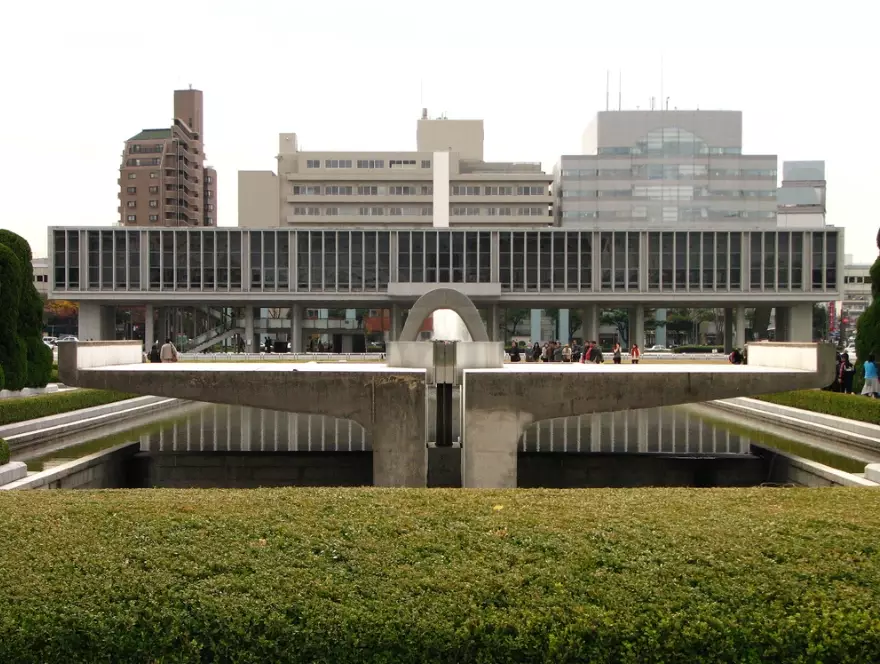
The museum isn't a single building. It's a core part of the Hiroshima Peace Memorial Park, built on the open field created by the blast. The museum complex has two main buildings: the East Building and the Main Building.
The East Building focuses on the context. It uses models, timelines, and personal accounts to explain Hiroshima before the bomb, the development of nuclear weapons, and the immediate aftermath on August 6, 1945. This is where you get the facts. One display that often stops people is a large, step-by-step model showing the city at the moment of detonation, 600 meters above ground, and the concentric circles of destruction that followed in milliseconds.
The Main Building is where the abstract becomes painfully personal. This is the section many find most challenging. It displays artifacts recovered from the ashes. A child's charred lunch box. A watch stopped at 8:15. Fused glass bottles. The stone steps with the haunting shadow of a person who was sitting there, vaporized by the heat. The descriptions are matter-of-fact, which somehow makes them more powerful.
But here's a nuance most summaries miss: the museum isn't just about horror. The later sections, often rushed by visitors reeling from the earlier displays, are dedicated to the survivors (hibakusha) and the city's incredible story of recovery. You hear about the doctors and nurses who worked without supplies, the citizens who rebuilt their lives from nothing, and the decades-long movement for nuclear abolition that started here. This arc – from destruction to hope – is the museum's true message, and skipping the ending means you only get half the story.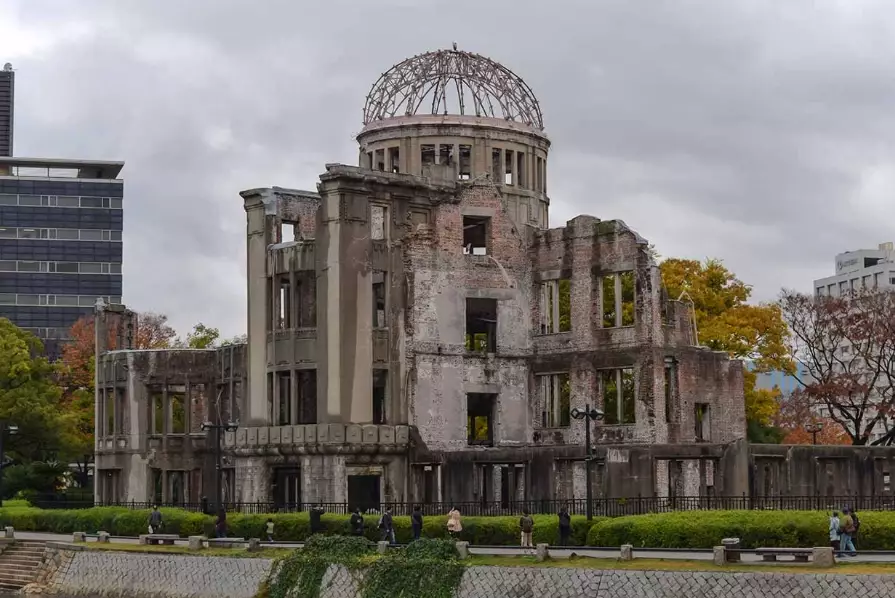
The Practical Stuff: Tickets, Hours, and Getting There
Address: 1-2 Nakajimacho, Naka Ward, Hiroshima, 730-0811
Admission Fee: 200 yen (about $1.30 USD). That's it. This symbolic fee helps with maintenance. It's arguably the most impactful $1.30 you'll spend in Japan.
Opening Hours:
March to July: 8:30 AM - 6:00 PM (until 7:00 PM in August, 6:00 PM in September-November)
December to February: 8:30 AM - 5:00 PM
Last entry is 30 minutes before closing. Closed December 30-31.
Getting There: From Hiroshima Station, take the Hiroden tram (streetcar) Line 2 or 6 towards Miyajima-guchi. Get off at the Genbaku Dome-mae stop. The ride takes 25 minutes and costs 190 yen. You literally step off the tram and the Peace Park is in front of you. The museum is at the south end of the park.
How to Plan Your Visit for Maximum Impact (and Minimum Overwhelm)
Most people walk in, pay their 200 yen, and start with the closest exhibit. This is a mistake that can lead to emotional fatigue before you've even understood the context.
My Recommended Route (The 3-Hour Visit)
Start in the East Building. Give yourself 45 minutes here. Understand the "why" and "how" before you see the "what." Pay attention to the videos of survivor testimonies. They provide a human voice that prepares you for the artifacts.
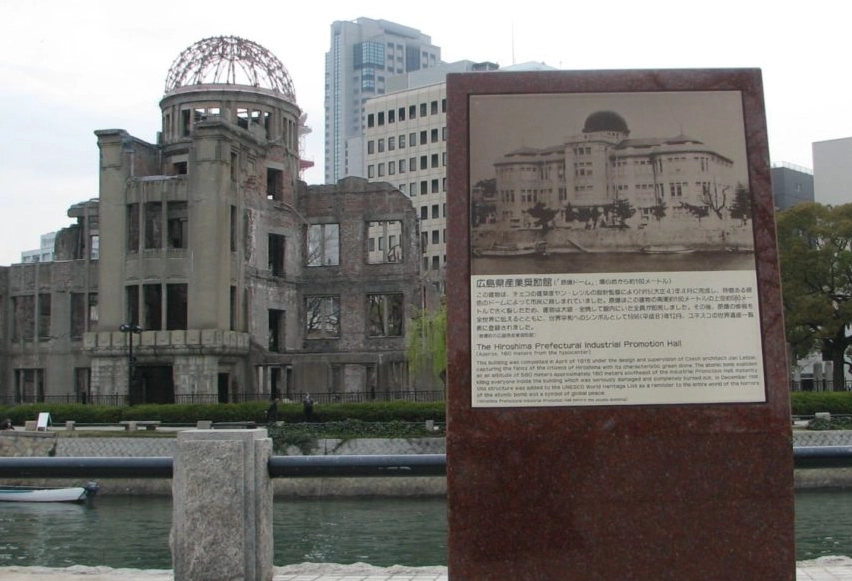
Walk through the Park. Before entering the Main Building, take a 15-minute walk. See the A-Bomb Dome up close. Stand by the Pond of Peace and look towards the Memorial Cenotaph, which frames the Dome. This outdoor space provides a crucial mental buffer.
Enter the Main Building. Allocate 60-75 minutes. You know what's here. Don't feel you need to scrutinize every single item. Let your attention guide you. If something is too much, move on. The section on radiation sickness and the long-term effects is particularly sobering.
End at the International Conference Center Hiroshima. Just west of the main museum, this building often hosts rotating special exhibitions that delve deeper into specific themes—art by survivors, the history of the peace movement, etc. It's usually less crowded and offers a more contemplative end to the visit.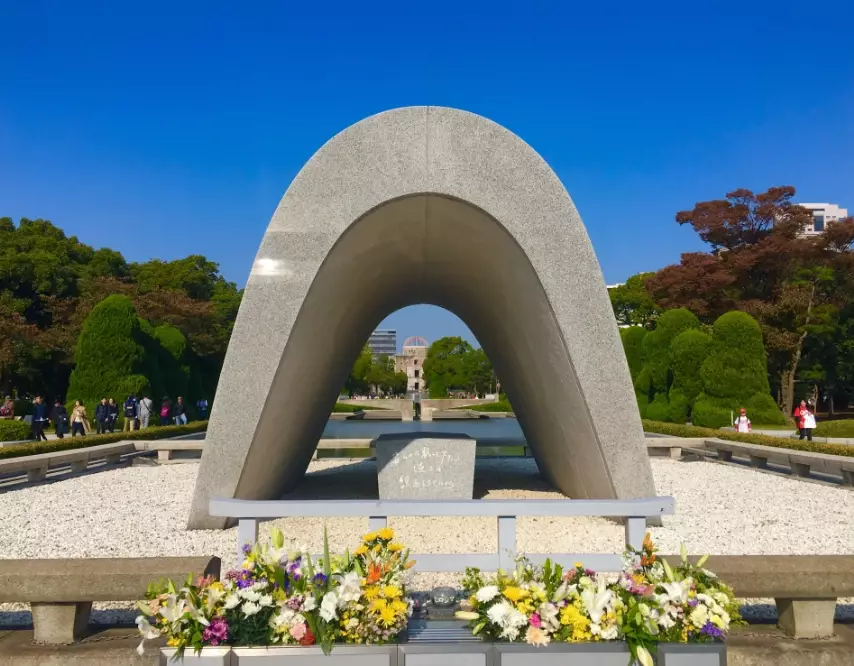
Common Mistakes First-Time Visitors Make
I've seen these happen again and again.
Mistake 1: Not budgeting enough time. Rushing through in an hour to tick it off the list. You'll leave feeling disturbed but not necessarily educated or moved in a meaningful way. 2.5 hours is the sweet spot.
Mistake 2: Going in blind with young children. This isn't a judgment, but a practical concern. The visuals are graphic. For kids under 10, it can be confusing and frightening without careful preparation. The outdoor park and the Children's Peace Monument are more appropriate starting points.
Mistake 3: Treating it like a standard museum. People talk in hushed tones. It's okay to cry. It's okay to need to sit down. It's not okay to take selfies with the displays (yes, I've seen it). Respect the space and the memory it holds.
Mistake 4: Skipping the survivor guides. Sometimes, volunteer hibakusha or their trained interpreters are available to share their stories directly (check the museum website for schedules). This is a vanishing opportunity and adds a layer of connection no exhibit can match.
Beyond the Museum: Other Perspectives in Hiroshima
If the main museum feels like too much, or if you want a more complete picture, Hiroshima offers other sites.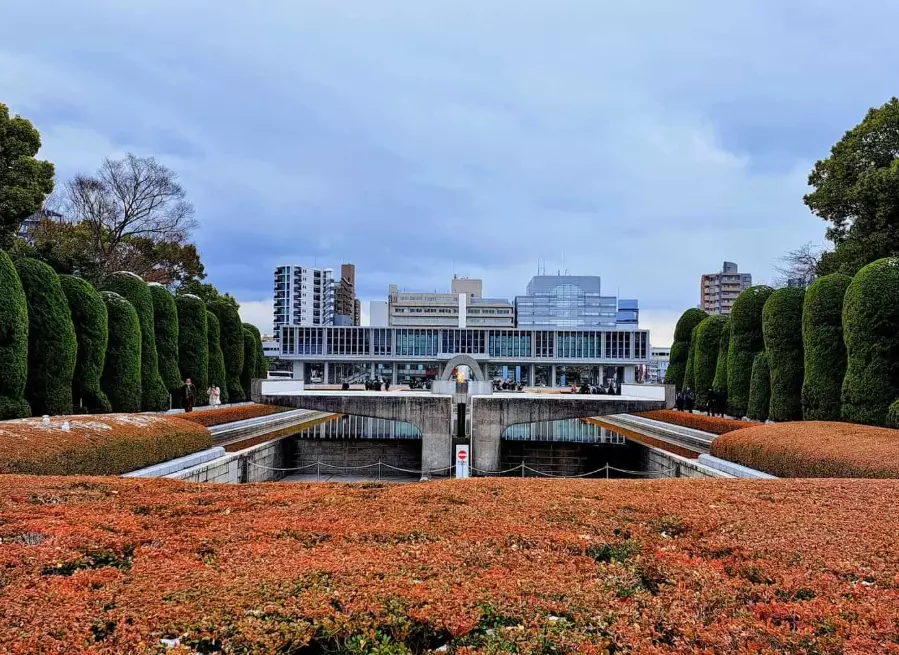
The Hiroshima National Peace Memorial Hall for the Atomic Bomb Victims is a short walk from the museum. It's a solemn, quiet space dedicated solely to remembering the victims. Its underground hall features a panoramic view of the names of the known dead, and a library of survivor testimonies. It's more about reflection than education.
For a view from the periphery, visit Fukuro-machi Elementary School, about 1.5 km from the hypocenter. It survived mostly intact and now serves as a museum showing the blast's effects on a specific community. It's smaller, less crowded, and offers a different, localized angle.
And remember, Hiroshima is more than its past. After your visit, take the tram out to Miyajima, eat the city's famous okonomiyaki (a savory pancake), and see a city that chose peace and life. This balance is key to the experience.
The Final Verdict: Who Should Go and Why
So, is the Hiroshima Peace Museum worth it?
For history travelers, for anyone interested in global politics, for parents wanting to teach their kids about the real cost of war – it's essential.
For the casual tourist who just wants pretty photos and light fun? It might not be for you, and that's okay. Hiroshima has those things too.
But if you're on the fence, I urge you to go. Go with respect, with time, and with an open heart. You won't be "entertained." You'll be changed. And in a world that often feels on the brink, that kind of change, born of understanding and empathy, is not just worth it – it's necessary.
You leave not with a sense of despair, but with a clarified understanding of what we must protect. That's the museum's quiet, powerful gift.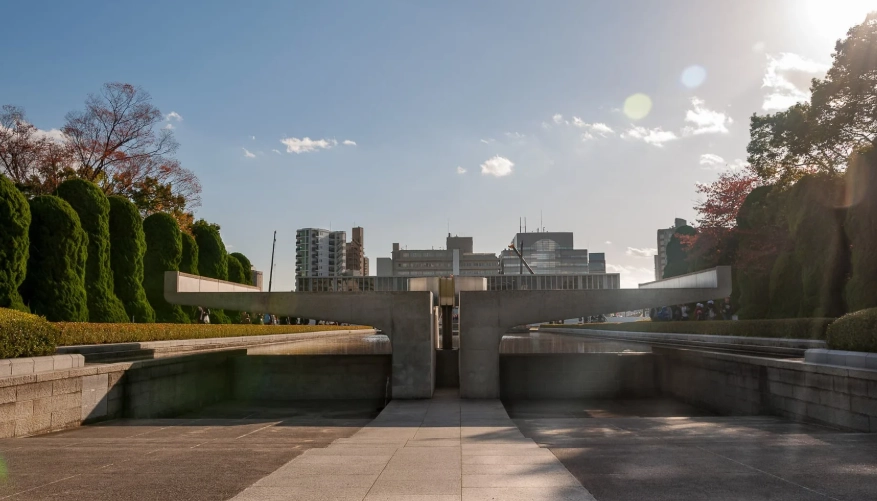
Your Hiroshima Peace Museum Questions, Answered
 What is the best way to get to the Hiroshima Peace Memorial Museum?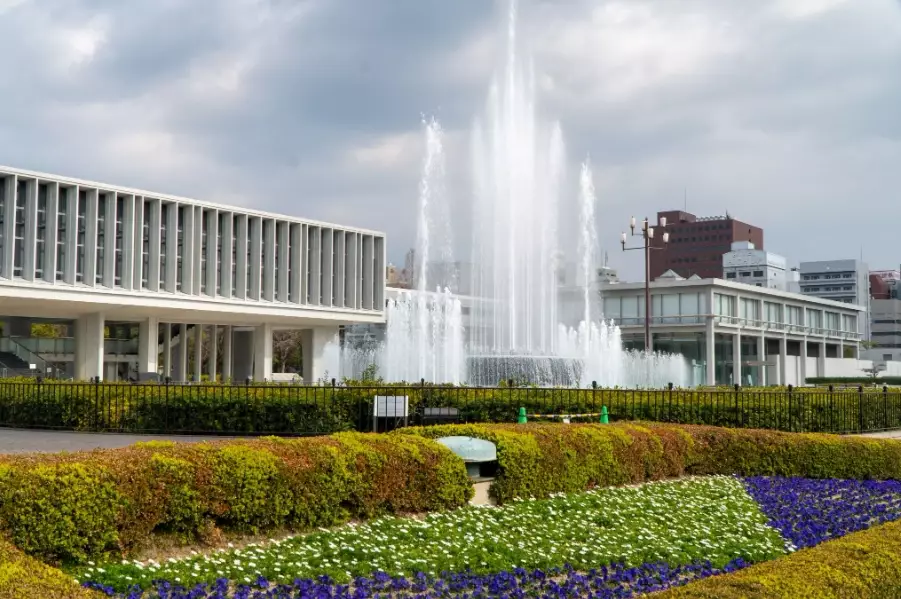

Share Your Thoughts