So you've decided to visit Japan in autumn. Smart move. You're avoiding the sweltering summer humidity and the spring crowds fighting for a cherry blossom selfie, but you're walking right into the country's most visually stunning season. Crimson maples, golden ginkgos, and crisp air that makes every bowl of ramen taste better. But planning a 10-day Japan autumn itinerary can feel overwhelming. Do you chase leaves in Kyoto? Get lost in Tokyo's neon? What about the crowds? I've done this trip multiple times, made every mistake, and refined it into what I think is the perfect balance. This isn't just a list of places; it's a battle-tested plan that maximizes your time, money, and that magical autumn feeling.
Your 10-Day Autumn Japan Journey at a Glance
- Days 1-3: Tokyo - Urban Autumn & Modern Wonders
- Days 4-5: Hakone - Mt. Fuji & Onsen Relaxation
- Days 6-9: Kyoto - The Cultural Heart of Autumn
- Day 10: Osaka - The Food Finale
- Where to Stay: Autumn Edition Hotel Picks
- How to Avoid the Autumn Crowds in Japan?
- What to Pack for a Japan Autumn Trip?
- Japan Autumn Travel: Your Questions Answered
Days 1-3: Tokyo - Urban Autumn & Modern Wonders
Start in Tokyo. The energy hits you first. Your autumn color journey begins subtly here, not in ancient temples, but woven into the city's fabric.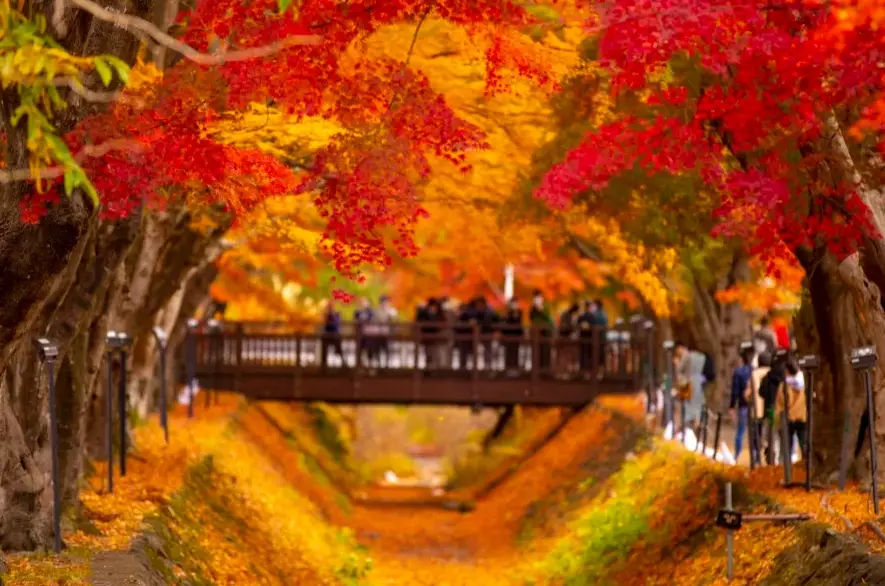
Day 1: Shinjuku & Shibuya Pulse
Land at Narita (NRT) or Haneda (HND). Grab a Suica card and take the Narita Express or Keikyu Line to the city. Check into your hotel—I suggest staying in Shinjuku for transport links. Don't nap. Fight the jet lag by diving into Shinjuku Gyoen National Garden. This is your first foliage hit. It's 58.3 hectares of Japanese, French, and English gardens. The maple trees here turn early, often from late October. Admission is 500 yen, and it's open 9:00 AM to 4:30 PM (last entry 4:00 PM).
Evening? Head to the chaotic, wonderful scramble crossing in Shibuya. For dinner, skip the big chains. Find a tiny yakitori alley like Nonbei Yokocho. Point at what you want on the grill.
Day 2: Asakusa Tradition & Ueno Park
Morning at Senso-ji Temple in Asakusa. Go early, like 8 AM. By 10 AM, it's a human river. The temple grounds have nice colors, but the main show is the atmosphere. Grab a ningyo-yaki (small cake) from a stall.
Afternoon at Ueno Park. This is a major Tokyo foliage spot. The central path lined with ginkgo trees turns a brilliant yellow in mid-to-late November. It's free, always open, and has museums if you need a break. I find the Tokyo National Museum's Japanese gallery a perfect complement.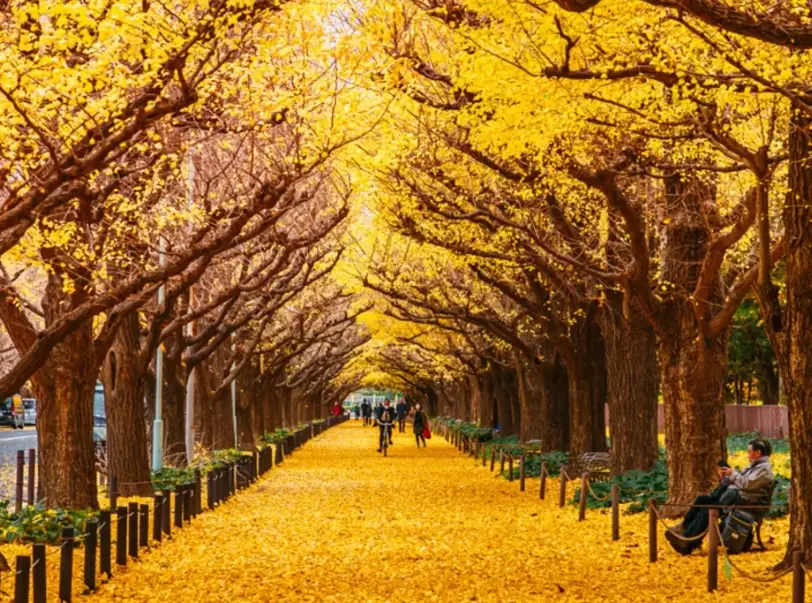
Day 3: Harajuku & Roppongi Views
Walk from Harajuku Station to Meiji Jingu Shrine. The forest path is serene. Then, contrast it with the madness of Takeshita Street. For lunch, try a savory pancake (okonomiyaki) at Sakura Tei in nearby Omotesando.
Late afternoon, head to Roppongi Hills Mori Tower or Shibuya Sky for sunset city views. Seeing Tokyo's sprawl under the soft autumn light is unforgettable. Book tickets online in advance.
Days 4-5: Hakone - Mt. Fuji & Onsen Relaxation
Take a 90-minute Romancecar train from Shinjuku to Hakone-Yumoto. Buy the Hakone Free Pass—it covers all local transport and gives discounts. This is your scenic and relaxing interlude.
Use the classic loop: Train to Gora, cable car up to Owakudani (the "Great Boiling Valley"), where you can eat black eggs boiled in sulfuric waters. Then, take the pirate ship across Lake Ashi to Moto-Hakone. If the weather is clear, you'll get that iconic view of Mt. Fuji over the lake. The autumn colors along the lakeshore, especially at the Hakone Checkpoint area, are stunning in early November.
Stay at a ryokan (traditional inn) with an onsen. Soaking in a hot spring while cool autumn air hits your face is a top-tier experience. Book one with a private outdoor bath if you're shy about public bathing. Dinner is usually a multi-course kaiseki meal served in your room.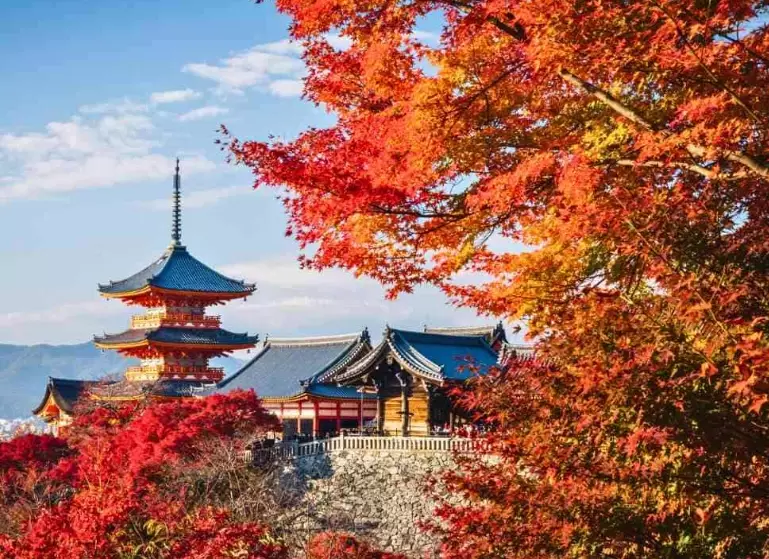
Days 6-9: Kyoto - The Cultural Heart of Autumn
From Hakone, take a train to Odawara, then the Shinkansen (bullet train) to Kyoto. This is where your autumn Japan itinerary reaches its peak. Kyoto in November is busy. Let's be strategic.
Day 6: Arashiyama's Bamboo & Maples
Go to Arashiyama, but not just for the bamboo grove. Get there by 7:30 AM to have the path somewhat to yourself. Then, head to the star: Tenryu-ji Temple and its garden. The backdrop of Arashiyama's mountains painted in red and yellow is breathtaking. Admission: 500 yen (garden only) or 800 yen (garden + temple building). Open 8:30 AM to 5:30 PM.
Walk up to the Okochi Sanso Villa (1,000 yen). Fewer people, immaculate gardens, and a matcha tea set included with entry. A hidden gem most rush past.
Day 7: Philosopher's Path & Higashiyama
Start at Nanzen-ji Temple. Its massive Sanmon gate and brick aqueduct are unique. The subtemple, Hojo, has a superb dry landscape garden (500 yen). Then, walk the Philosopher's Path. The canal is lined with hundreds of maple trees. It's packed midday, so go early or late afternoon.
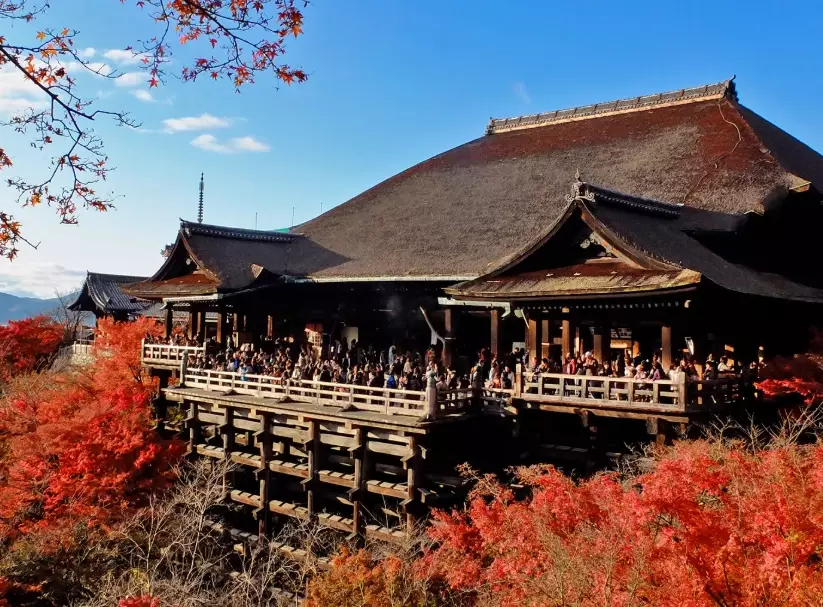
Continue to Kiyomizu-dera. Yes, it's crowded. But the view from the stage over a sea of autumn foliage is iconic. They have special night illuminations in autumn—highly recommended. Go for the illumination slot, not the daytime.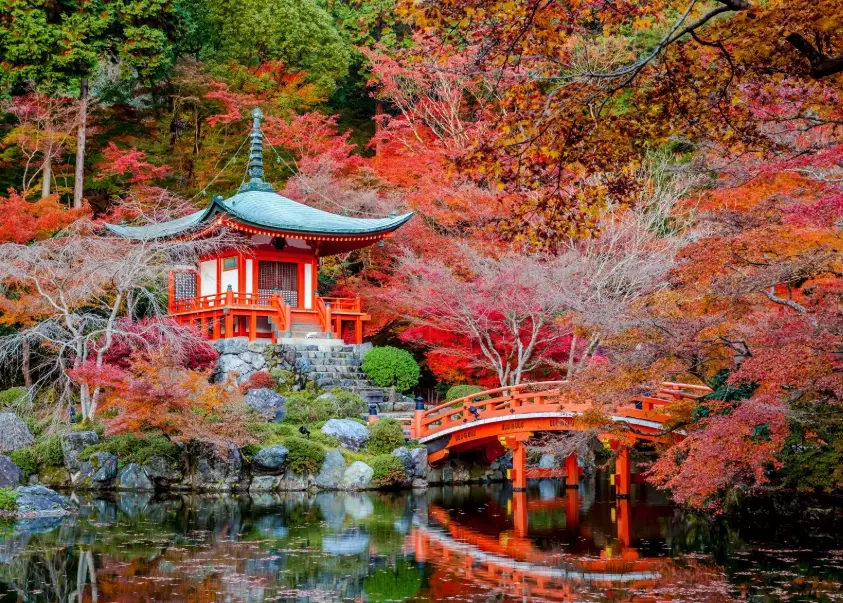
Day 8: Fushimi Inari & Downtown
Fushimi Inari Shrine, with its thousands of red torii gates. To escape crowds, you need to hike. Most people stop after the first dense section. Keep going. The higher paths are quiet, and the autumn colors mix with the vermilion gates beautifully. It's free and open 24/7.
Spend the afternoon in downtown Kyoto (Kawaramachi). Explore Nishiki Market for snacks. For dinner, try Kichi Kichi Omurice (reserve months ahead) or find a good katsu place like Katsukura.
Day 9: Day Trip to Nara
A 45-minute train ride from Kyoto. Nara Park is filled with friendly (and hungry) deer. The real autumn show is at Todai-ji Temple (home to the giant Buddha) and the surrounding Nikko-do Hall area. The ancient trees in the park turn glorious colors. It's a more relaxed pace than Kyoto.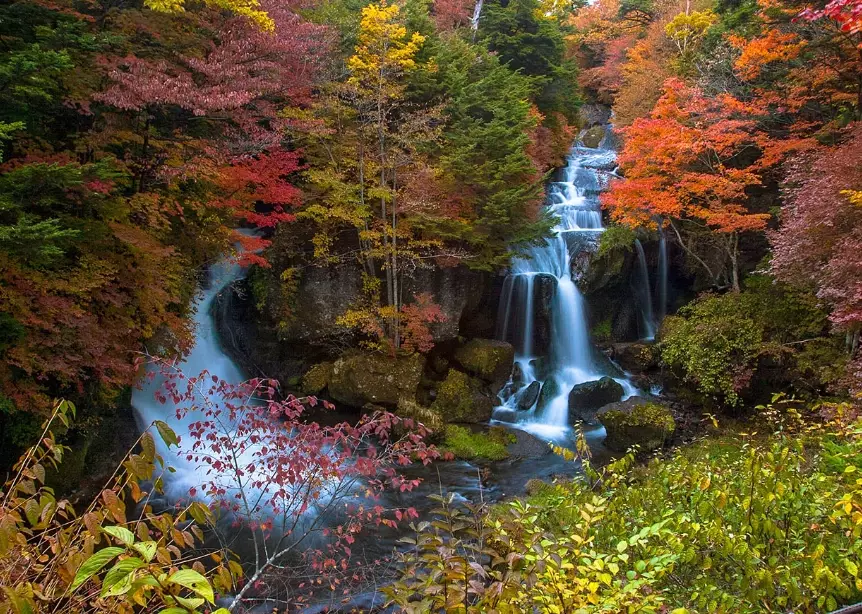
Day 10: Osaka - The Food Finale
A short 30-minute train from Kyoto to Osaka. This day is about food and last-minute thrills. Drop your bags at a locker in Osaka Station.
Head to Kuromon Ichiba Market ("Osaka's Kitchen"). Try fresh tuna sashimi, grilled scallops, and fugu (pufferfish) if you're feeling brave. Then, walk to Dotonbori. Soak in the chaotic, gluttonous atmosphere. Must-eats: Takoyaki from Wanaka (long queue, but moves fast), okonomiyaki from Mizuno, and ramen from anywhere that looks busy.
If you have time and energy, a quick trip up Umeda Sky Building for a final city view. Then, it's off to Kansai International Airport (KIX) for your flight home, or back to Tokyo if you're flying out from there.
Where to Stay: Autumn Edition Hotel Picks
Location is everything in autumn. You want to minimize transit time to beat the crowds. Here are my curated picks across budgets.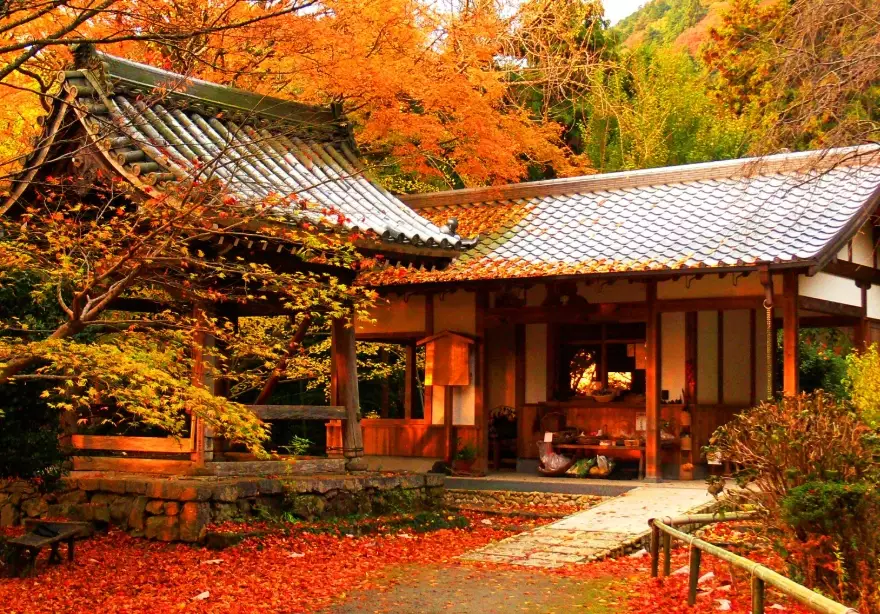
| City | Hotel Recommendation | Why It's Good for Autumn | Price Range (Per Night) |
|---|---|---|---|
| Tokyo | Hotel Gracery Shinjuku | Direct access to Shinjuku Station (for Hakone/airport trains). Close to Shinjuku Gyoen for early morning walks. | $$$ |
| Tokyo | The Gate Hotel Asakusa Kaminarimon | Right next to Senso-ji. You can be at the temple before any tour bus arrives. Rooftop bar with views. | $$ |
| Hakone | Gora Kadan | Luxury ryokan with exceptional kaiseki meals and private onsens. The ultimate autumn relaxation splurge. | $$$$ |
| Hakone | Yama no Chaya | Traditional riverside ryokan with a more intimate feel. Great value for the onsen experience. | $$$ |
| Kyoto | Hotel The Mitsui Kyoto | Luxury hotel with its own historic garden. Walking distance to Nijo Castle. A serene oasis from the crowds. | $$$$ |
| Kyoto | Sakura Terrace The Gallery | Modern, stylish hotel a 5-min walk from Kyoto Station. Fantastic for day trips. Has a public bath. | $$ |
How to Avoid the Autumn Crowds in Japan?
Everyone says "go early," but that's not the whole story. Here's what most blogs don't tell you.
Embrace the Shoulder Weeks. Peak foliage in Kyoto is around mid-to-late November. If you go in the last week of October or first week of December, you'll miss the absolute peak color but also 40% of the people. The leaves are still spectacular, and hotels are cheaper.
Visit Temples Backwards. At places like Kiyomizu-dera, the main entrance is a long, crowded uphill street. Look for a side or rear entrance on Google Maps. You often enter quieter garden areas first.
Book Everything in Advance. I mean everything. Shinkansen seats (get a Japan Rail Pass beforehand), popular restaurants, hotel rooms with a view, and special illumination event tickets. In autumn, spontaneity leads to disappointment.
Explore Lesser-Known Spots. Instead of just the Philosopher's Path, try Bishamon-do in eastern Kyoto. Stunning maples, almost no foreign tourists. In Tokyo, Koishikawa Korakuen Garden is a classic Japanese garden with brilliant colors and far fewer people than Shinjuku Gyoen.
What to Pack for a Japan Autumn Trip?
Layering is your mantra. Mornings can be chilly (5-10°C / 41-50°F), afternoons warm (15-20°C / 59-68°F), and evenings cold again.
Core Layers: Lightweight merino wool or thermal tops, a fleece or sweater, and a packable down jacket or a waterproof windbreaker. A scarf and gloves for early mornings.
Footwear: Comfortable walking shoes with good grip. You'll be on your feet 8-10 hours a day, on stone paths, temple stairs, and uneven ground. I made the mistake of wearing new boots once. Blisters ruined two days.
Essentials: Portable power bank (you'll use your phone for maps and photos all day), a small backpack, cash (many small places and temples only take yen), and a plug adapter (Japan uses Type A/B, 100V).
Leave room in your suitcase. You will buy souvenirs.
Share Your Thoughts