You've seen Senso-ji, crossed Shibuya Scramble, and felt the energy of Shinjuku. Now what? The real secret is that some of Japan's most authentic moments lie just beyond the Tokyo city limits, in places most tourists never think to go. I'm talking about mountain trails where the only sound is your footsteps, coastal towns where fishermen outnumber visitors, and spiritual sites that feel untouched by time. These aren't "secret" spots locals will hate you for sharing, but they are genuine alternatives that deliver a deeper, quieter experience of Japan.
Your Quick Guide to Tokyo's Hidden Edges
Why Choose an Offbeat Path Near Tokyo?
It's simple: space, pace, and authenticity. A 90-minute train ride can swap dense crowds for forest silence. You get to interact with a Japan that isn't performing for tourism. Shopkeepers have time to chat. You can sit on a rock by a river without a timetable. The value isn't just in seeing something different, but in feeling a different rhythm. Your money also goes further supporting smaller local businesses—that family-run soba shop, the tiny museum kept alive by volunteers.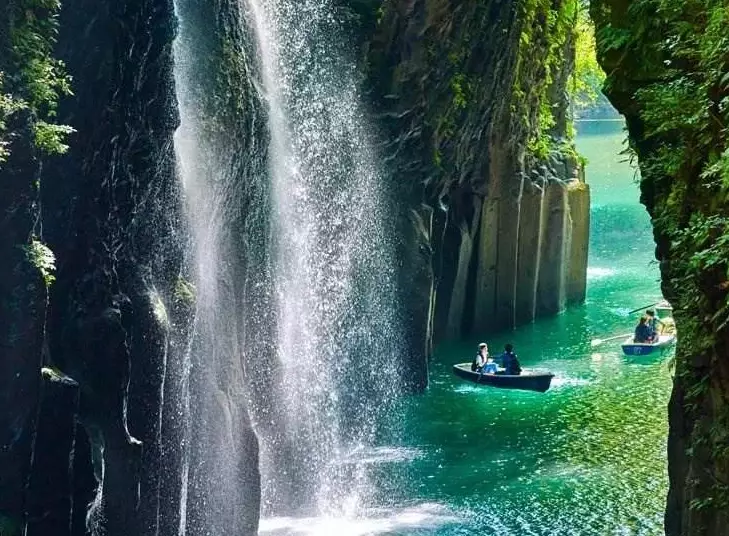
I made the mistake early on of trying to cram too many famous spots into one trip. The fatigue was real. Now, I'd rather spend a whole day in one lesser-known valley than tick off three major sights. The memories are sharper.
Into the Wild: Okutama's Mountain Escapes
Head west on the JR Chuo Line, and the city melts away into deep valleys and rugged peaks. Okutama is part of Chichibu-Tama-Kai National Park, Tokyo's backyard wilderness. This isn't a manicured garden; it's proper hiking territory.
Top Experiences in Okutama
The Mukashi Michi Trail: This old post road is the perfect introduction. It's a relatively flat, well-maintained path following the Tama River. The highlight is the Hikawa Suspension Bridge, a long, bouncy bridge with fantastic views of the river gorge. You can do a short loop from Okutama Station in about 2 hours.
Mount Mitake: For a more substantial hike, take the bus from Mitake Station to the cable car. The cable car whisks you up to the sacred Mount Mitake village. Wander past old lodges (shukubo) to the summit shrine, Musashi-Mitake Jinja. The atmosphere up here, especially on a misty morning, is profound. Allow 4-5 hours for a good exploration.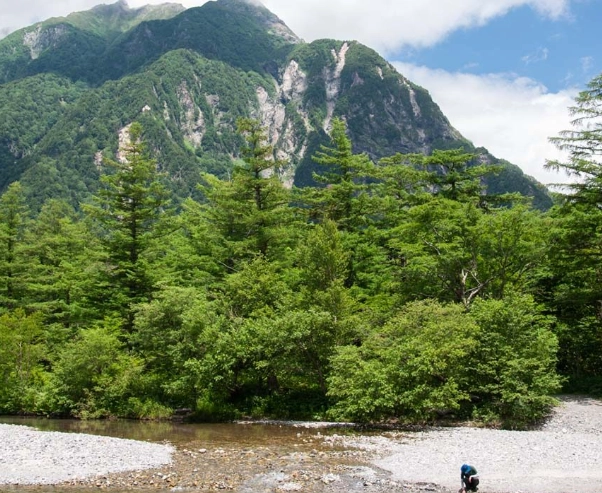
Nippara Limestone Caves: A change of pace. These extensive caves are cool (literally, around 11°C/52°F year-round) and filled with dramatic stalactites and stalagmites. It feels like a journey into the earth's core. A 20-minute bus ride from Okutama Station.
Okutama Trip Snapshot
Getting There: JR Chuo Line Limited Express from Shinjuku to Ome, then transfer to the JR Ome Line to Okutama Station. About 2 hours, covered by the Japan Rail Pass. The journey itself through the mountains is stunning.
Key Tip: Wear proper shoes. I've seen too many people in flimsy sneakers struggling on the rocky trails. The mountains deserve respect. Also, buy lunch (a bento box) before you get on the train at Shinjuku—options at the station are very basic.
The Forgotten Coast: Miura Peninsula's Charms
While everyone flocks to Kamakura and Enoshima, the Miura Peninsula dangles south, offering a raw, working coastline. This is where Tokyo gets its fish.
The anchor town is Misaki, one of Japan's top tuna fishing ports. The morning auction is a spectacle, but the real joy is the Misaki Port Market (Misaki Gyogyo Kyod Kumiai). Forget fancy sushi restaurants; here, you buy incredibly fresh sashimi or grilled fish on a stick from stalls and eat it right on the pier. The taste is unbeatable.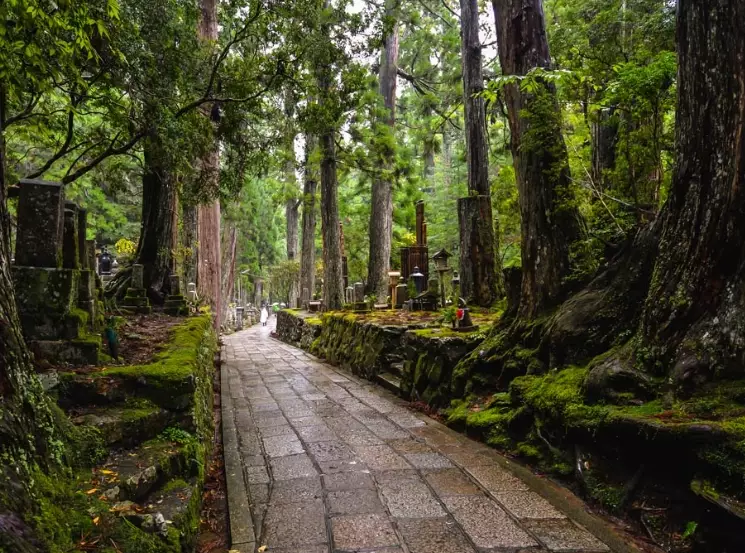
From Misaki, a short bus ride takes you to Jogashima Island, connected by a bridge. It's a low-lying island of volcanic rock with walking trails, a lighthouse, and fantastic views of Mount Fuji on clear days. The wind can be fierce, but it blows away any lingering city stress.
For something unique, visit Aburatsubo. This cove is home to the Aburatsubo Marine Park, but more interestingly, the waters are so clear and calm that you can see tropical fish from the shore. It's surreal.
| Spot | Main Attraction | Access from Keikyu Misakiguchi Station | Budget Note |
|---|---|---|---|
| Misaki Port | Tuna auctions, fresh seafood stalls | 10-min walk | Lunch from ¥1000-¥2000 |
| Jogashima Island | Coastal walks, lighthouse, Fuji views | 15-min bus ride | Free to explore |
| Aburatsubo Marine Park | Clear water, tropical fish viewing | 20-min bus ride + short walk | Park entry ~¥1000 |
Spiritual Heart: Chichibu's Mountains & Culture
Northwest of Tokyo, Chichibu feels a world apart. It's a spiritual nexus with deep folk traditions, known for its majestic night sky and powerful shrines.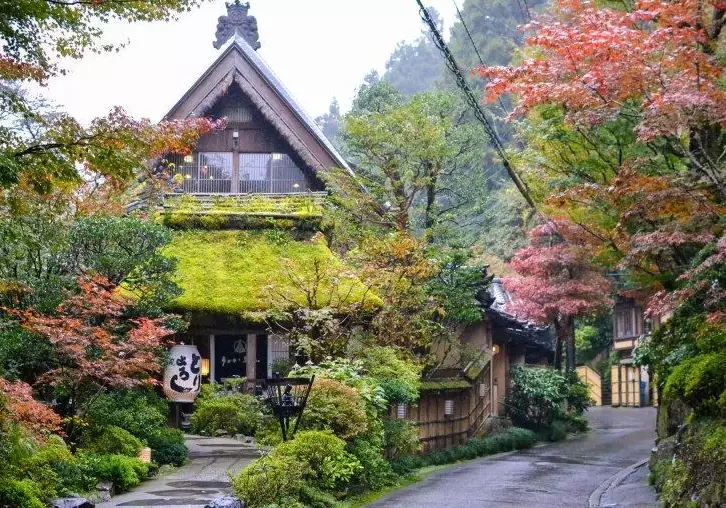
The must-see is Mitsumine Shrine (official site). Perched high in the mountains, accessed by a long, winding bus ride or cable car, the shrine is guarded by unique wolf statues (okami), revered as messengers of the gods. The architecture and the misty atmosphere are breathtaking. Stay overnight at one of the shrine's lodgings if you can.
Down in the valley, Chichibu City itself is charming. Visit the Chichibu Shrine and wander the old streets. Time your visit for early December to witness the incredible Chichibu Night Festival, a UNESCO intangible cultural heritage event with massive floats.
A hidden geological wonder is the Nihon Christ Kyokai (Church of Japan) Cave, also known as the Chichibu Shonyudo. It's a massive limestone cave with a chapel inside—a bizarre and fascinating fusion of nature and religion.
Getting here is part of the fun on the vintage Seibu "Red Arrow" limited express from Ikebukuro. The Seibu Railway offers a 2-Day Chichibu Pass which is phenomenal value, covering the round-trip from Ikebukuro and unlimited local buses. This is the kind of tip that makes exploring easy and affordable.
How to Plan Your Offbeat Day Trip: Practical Tips
Making these trips work is easy if you follow a few rules.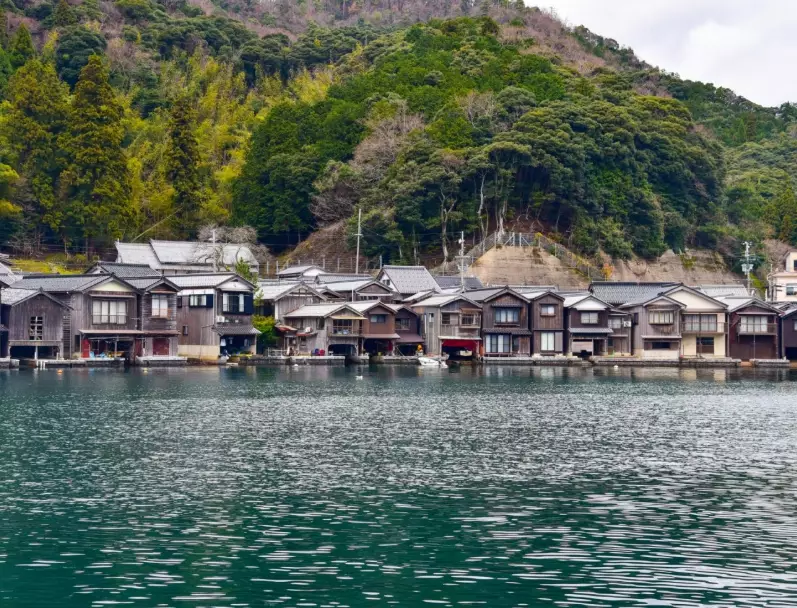
Transport is Key: Always check the last train or bus back. Rural schedules are infrequent, especially on weekends when hikers fill up buses. For Okutama and Chichibu, morning departures from Tokyo (by 8 AM) are non-negotiable for a relaxed day.
Cash is King: Many small shops, stalls, and even some bus lines in these areas do not accept credit cards. Carry more yen than you think you'll need.
Pack Smart: Layers. The mountains and coast can be significantly cooler or windier than Tokyo. A rain jacket, sunscreen, water bottle, and portable charger are essentials. And again, good footwear.
Manage Expectations: "Off the beaten path" doesn't mean you'll be completely alone, especially on a sunny weekend. It means you'll share the space with Japanese hikers, families, and pilgrims, not with large international tour groups. The vibe is entirely different.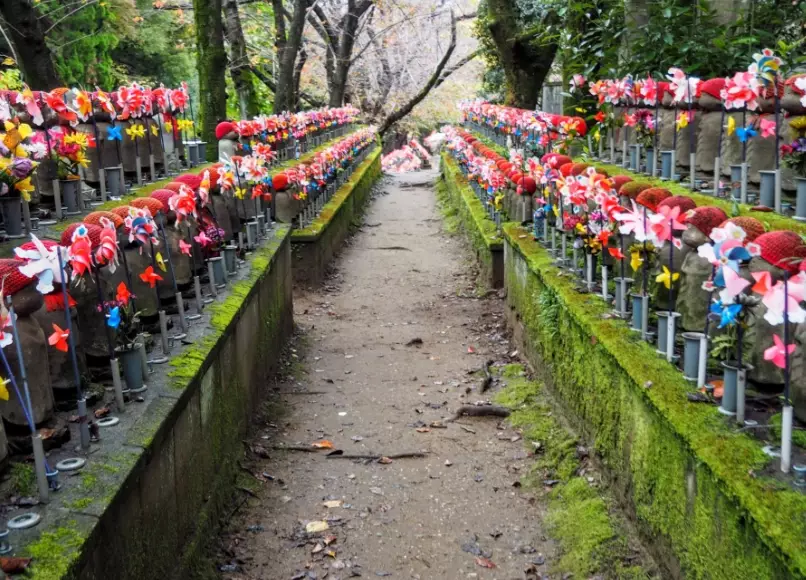
Your Questions Answered
The true magic of Japan often whispers, it doesn't shout. By stepping just outside Tokyo's well-trodden circuits, you're not just visiting places—you're giving yourself the chance to have slower, more meaningful encounters. Pack your sense of adventure, a good map app, and leave some space in your itinerary for the unexpected. That's where the best stories are found.

Share Your Thoughts