Let's cut to the chase. You're planning a trip to Japan and the big question hits: should you spend more time in Kyoto or Tokyo? The internet is full of poetic waxing about Kyoto's temples and Tokyo's neon, but that doesn't help you book hotels. After over a decade of visiting and living in both cities, I can tell you the answer is never a simple 50/50 split. It depends entirely on you—your pace, your interests, and what you want to remember when you get home.
Most first-timers make one critical mistake: they treat them as interchangeable stops on a checklist. They're not. Kyoto is a deep, slow sip of green tea. Tokyo is a shot of espresso followed by a chaser of something you've never tasted before. Trying to do both at the same speed leads to burnout. I've seen it happen—friends trying to cram Fushimi Inari at 7am before a noon Shinkansen to Tokyo, looking more exhausted than enlightened.
The real goal isn't to pick a winner. It's to design an itinerary where the contrast between these two places becomes the highlight of your trip.
Your Quick Trip Planner
The Core Differences: Vibe, Pace, and Cost
Forget "old vs. new." That's too simplistic. The difference is in the rhythm of daily life and what demands your attention.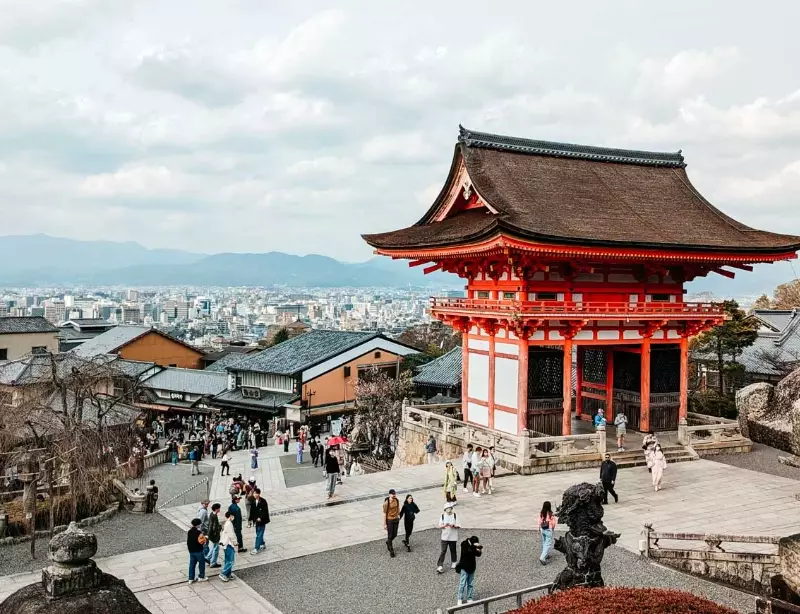
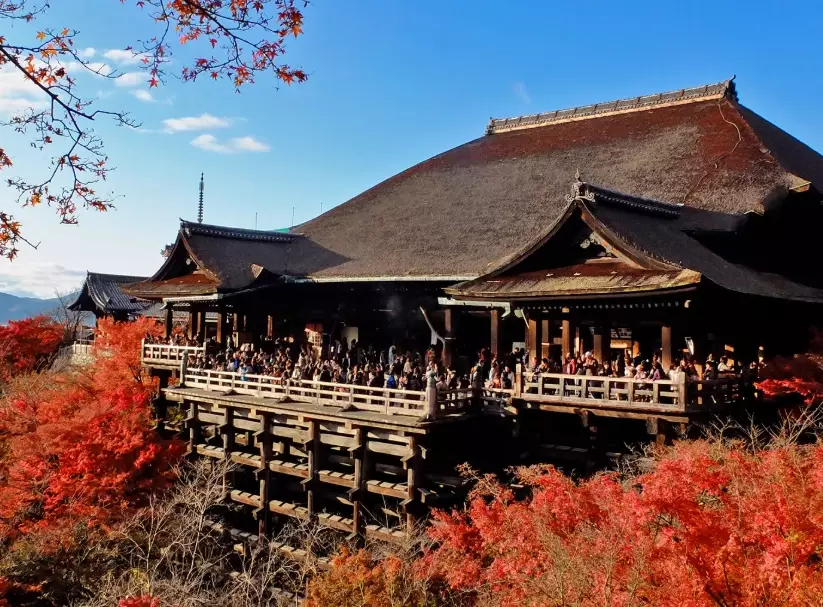
In Kyoto, the attractions are the destinations. Your day is built around visiting specific, often historic, sites: Kinkaku-ji (the Golden Pavilion), Arashiyama's bamboo grove, Kiyomizu-dera Temple. You walk a lot, often on hills or stone paths. The city feels more spread out, and public transport, while good, often involves buses that get stuck in traffic. A typical day might involve visiting two major temples and one garden, with a lot of travel time in between. The pace is dictated by opening hours (many temples close by 5 pm) and the need to arrive early to beat the crowds.
In Tokyo, the city itself is the attraction. Sure, you have destinations like Senso-ji or the Tokyo Skytree, but the magic is in the neighborhoods and the interstitial moments. You might plan to go to Shibuya, but the experience is the scramble crossing, the side-alley izakayas, the multi-story electronics shops, and the curated fashion boutiques all rolled into one. The subway system is a marvel of efficiency that lets you hop between vastly different worlds in minutes. Your day feels more fluid, and you can easily pivot based on the weather or your energy.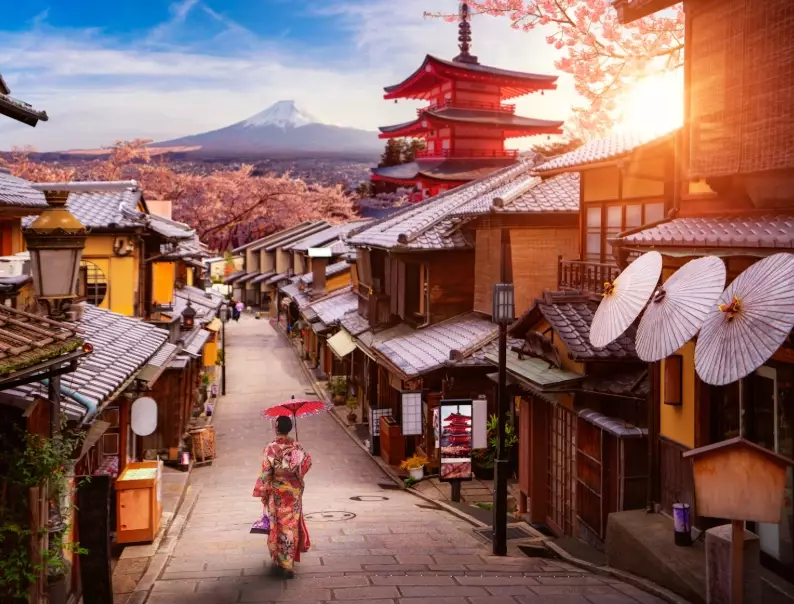
| Aspect | Kyoto | Tokyo |
|---|---|---|
| Primary Vibe | Serene, historical, contemplative. Focus on preserved beauty and tradition. | Energetic, futuristic, diverse. Focus on contemporary culture and constant change. |
| Daily Pace | Slower, destination-oriented. Requires more planning around specific site logistics. | Faster, neighborhood-oriented. Allows for more spontaneity and easy pivoting. |
| Walking Intensity | High. Sites are spread out, involve hills and uneven paths (e.g., Fushimi Inari's 10,000 torii gates). | Moderate to High, but mostly flat and interspersed with frequent subway rides. |
| Cost (Mid-range) | Accommodation can be pricier for authentic ryokan. Food costs similar, but major temples have entry fees (300-1000 yen each). | Wider range of accommodation. More cheap eating options (conveyor belt sushi, ramen). Many attractions are free. |
| Crowds | Extremely concentrated at top sites. Can feel overwhelming unless you visit at dawn or near closing. | Diffused across the vast metropolis. Feels crowded but not always tourist-centric. |
On cost: Kyoto's famous ryokan (traditional inns) with kaiseki dinners are a premium experience, easily $300+ per night per person. A comparable business hotel in Tokyo might be half that. But you can find budget options in both. The bigger financial hit in Kyoto is the cumulative cost of temple entry fees. If you visit five temples in a day, that's another $25-$30 gone.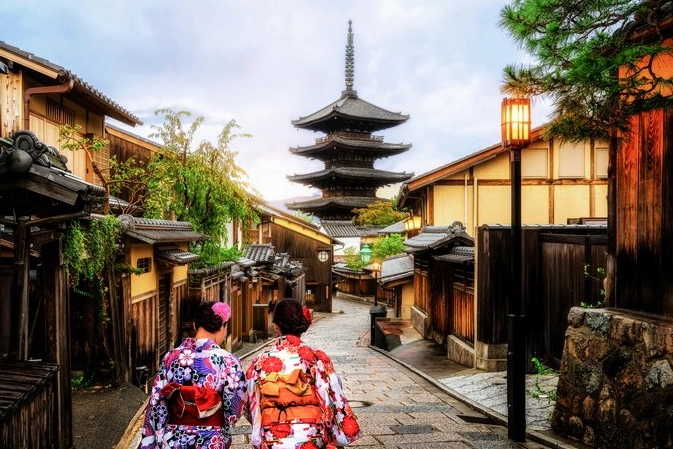
Who Should Favor Kyoto, and Who Should Lean Towards Tokyo?
This is where personal travel style trumps any generic advice.
Spend More Time in Kyoto If:
- You are a photographer, painter, or someone who finds deep satisfaction in landscapes, gardens, and architecture.
- Your ideal vacation involves quiet reflection, journaling, or simply sitting in a beautiful place.
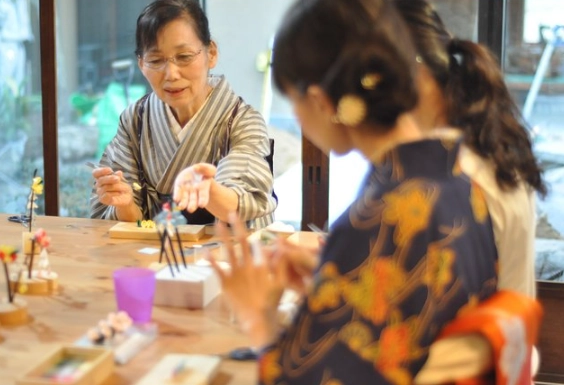
- You have a serious interest in Buddhism, Shinto, or traditional Japanese arts (tea ceremony, pottery, textiles).
- You are okay with slower, sometimes less efficient public transport (buses).
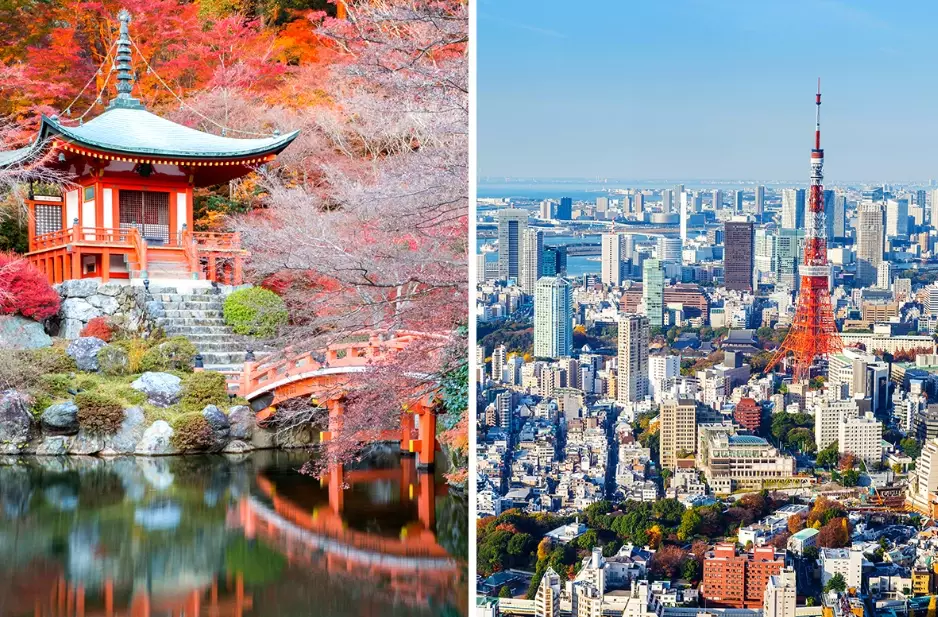
- You're visiting during spring (cherry blossoms) or autumn (foliage). Kyoto's natural settings amplify these seasons spectacularly. A rainy day in June? The moss gardens at Saiho-ji (Kokedera) are transcendent.
Spend More Time in Tokyo If:
- You thrive on urban energy, people-watching, and the buzz of a 24-hour city.
- Your interests are eclectic: anime, cutting-edge technology, fashion, jazz bars, underground music, weird themed cafes.
- You are a foodie who wants incredible variety at every price point, from $10 Michelin-starred ramen to the world's best tempura.
- You get restless visiting multiple temples in a row (a condition I call "temple fatigue").
- You prioritize convenience and efficiency in transportation.
- You're traveling with older kids or teens who might find more constant stimulation in Tokyo's districts.
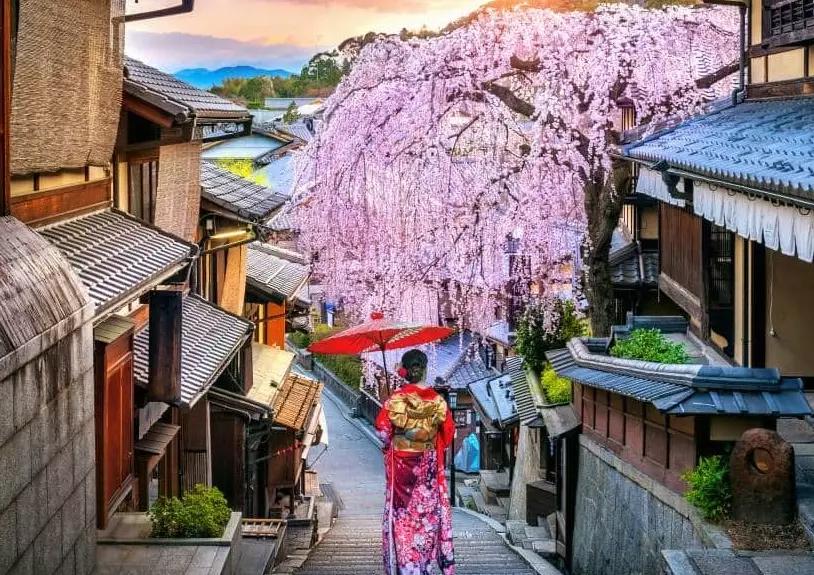
The Non-Consensus View: Most guides tell you to stay in a ryokan in Kyoto. I'll add a twist: if you're doing a split trip, stay in a ryokan in Kyoto for the traditional experience, but in Tokyo, consider a modern business hotel or a serviced apartment in a neighborhood like Shinjuku or Ginza. The contrast in accommodations will mirror the contrast between the cities and is far more memorable than staying in similar hotels in both places.
Practical Sample Itineraries (7, 10, 14 Days)
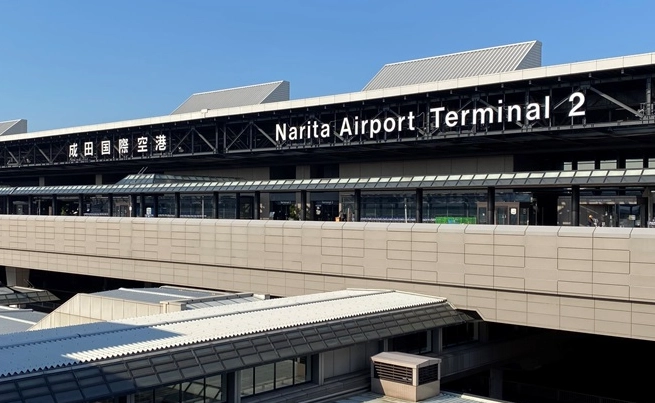
Here’s how I’d split the time based on total trip length. These assume a first-time visit flying into Tokyo (Narita/Haneda).
The 7-Day Blitz (The Compromise Trip)
Split: 2 Nights Kyoto, 4 Nights Tokyo
This is tight, but doable if you're efficient. Fly into Tokyo, but immediately take the Shinkansen to Kyoto (about 2.5 hours). You lose half a day traveling, but it puts you in the slower-paced city first.
Kyoto (2 days): Focus on two core areas. Day 1: Southern Higashiyama (Kiyomizu-dera, Sannen-zaka). Day 2: Arashiyama (bamboo grove, Tenryu-ji) OR Fushimi Inari (go at 7 am) + Uji for matcha. Stay near Kyoto Station for easy arrival/departure.
Tokyo (4 days): One day for Central Tokyo (Imperial Palace East Garden, Ginza). One day for Old Tokyo (Asakusa, Ueno Park). One day for Modern Tokyo (Shibuya, Harajuku, Shinjuku at night). Final day for your personal deep dive (Akihabara, Odaiba, or a food tour).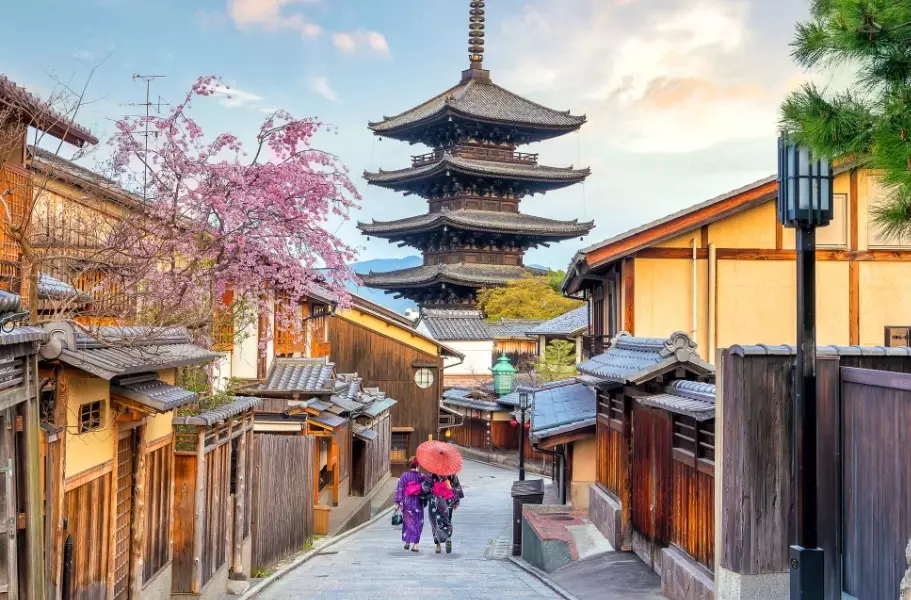
The 10-Day Standard (The Balanced Trip)
Split: 4 Nights Kyoto, 5 Nights Tokyo
This is the sweet spot for most people, allowing depth without rush.
Kyoto (4 days): You can explore at a humane pace. Add a day trip to Nara (Todai-ji Temple, Nara Park deer) – it's closer to Kyoto than Tokyo and fits the historical theme perfectly. Explore less crowded gems like the Philosopher's Path or take a cooking class.
Tokyo (5 days): With the extra day, you can add a day trip of your own. Most people opt for Hakone (for Mt. Fuji views and onsens) or Kamakura (coastal town with a giant Buddha). The extra night in Tokyo also lets you experience its famous nightlife without worrying about an early temple start the next day.
The 14-Day Explorer (The Deep Dive)
Split: 5-6 Nights Kyoto Region, 7-8 Nights Tokyo Region
With two weeks, you're not just visiting cities; you're exploring regions.
Kyoto Region (5-6 days): Use Kyoto as a base for 4 full days. Then, spend 1-2 nights in a nearby onsen town like Kinosaki or Kurama. This gives you the quintessential ryokan/onsen experience without the day-trip time crunch. You could also do an overnight in Osaka (30 mins from Kyoto) for a different, more food-and-fun-focused city vibe.
Tokyo Region (7-8 days): Dedicate 5 days to Tokyo's neighborhoods. Use the remaining 2-3 days for two separate day/overnight trips: one cultural (e.g., Nikko for stunning shrines and nature) and one scenic (e.g., Hakone or the Fuji Five Lakes area).
A Deep Dive into Kyoto's Can't-Miss Spots
To help you plan those Kyoto days, here’s what a day focused on Southern Higashiyama looks like with the gritty details most blogs skip.
Morning (8:30 AM): Start at Kiyomizu-dera Temple. Address: 1-294 Kiyomizu, Higashiyama Ward. Opens at 6 AM (summer)/6:30 AM (rest of year). Get there by 8:30 to avoid the worst crowds. Entry: 400 yen. The main hall is under renovation until 2024/2025, but the platform view is still open and stunning. The real magic is the Otawa Waterfall and the smaller sub-temples.
Late Morning: Walk down the Sannen-zaka and Ninen-zaka preserved streets. This is where you'll want to buy souvenirs and try matcha soft serve. Don't rush. Pop into a tea shop.
Lunch (1 PM): Look for a small soba or udon place on a side street. Menbakaichidai for fire ramen is a gimmicky but fun option if there's no line.
Afternoon (2:30 PM): Walk to Kodai-ji Temple (entry: 600 yen). Its bamboo grove and rock gardens are often less crowded and just as beautiful as Arashiyama's. If you have energy, continue to Maruyama Park and Yasaka Shrine (free).
Key Tip: Wear your most comfortable walking shoes with good grip. The stone paths are slippery, especially in rain.
Navigating Tokyo's Best Neighborhoods
In Tokyo, plan by district, not by single attraction. Here’s how to approach three core areas.
Asakusa & Ueno (Old Tokyo / Shitamachi):
Start at Senso-ji Temple (free, always crowded). Go early. Nakamise-dori is the approach street with snacks. Personally, I find Senso-ji a bit too commercialized, but it's historic. Then, walk west along the Sumida River for great skyline views. Head to Ueno Park (free) which houses several major museums (Tokyo National Museum is world-class, entry ~1000 yen). Ameyokocho market street is chaotic and great for cheap eats and people-watching.
Shibuya, Harajuku, Shinjuku (Modern Core):
This is a full, exhausting, and amazing day. Start at Meiji Jingu (free) in Harajuku for a serene forest shrine—the contrast with what's next is jarring. Exit into Takeshita Street (Harajuku) for teen fashion and crepes—it's an experience, even if you don't buy anything. Walk to Omotesando for high-end architecture and shopping. Take the train one stop to Shibuya. Do the scramble crossing. For the best free view, go to the Shibuya Sky building's outdoor observatory (advance booking required, ~2000 yen) or the free viewing lobby on the top floor of the Shibuya Scramble Square building. End the day in Shinjuku for dinner in Omoide Yokocho ("Piss Alley") or a drink in the Golden Gai area.
A Non-Consensus Tokyo Tip: Skip the Robot Restaurant in Shinjuku. It's expensive, loud, and feels like a tired tourist trap. Instead, for a uniquely Tokyo night, find a tiny, specialized bar in an unassuming building. Look for a bar that only serves shochu from one island, or a jazz kissa (jazz cafe) where old men listen to vinyl records in silence.
Your Japan Trip Dilemmas Solved
I'm traveling with young children. Should I bias towards Tokyo or Kyoto?
Is the Japan Rail Pass worth it for a Kyoto-Tokyo split trip?
I only have 5 days total in Japan. Should I even try to do both cities?
What's the biggest mistake people make when trying to see both cities?
I'm a foodie. Which city has better food?
Share Your Thoughts