Tokyo in winter is a different beast. The summer humidity is gone, replaced by a crisp, dry cold that makes wandering the streets a pleasure. The city transforms into a glittering wonderland of Christmas illuminations that last well into February, and there's a cozy, festive energy in the air that you just don't get other times of the year. A 5-day winter trip lets you soak it all in without rushing. This isn't just a list of places; it's a battle-tested plan that balances iconic sights, seasonal specialties, and practical realities like short daylight hours and the need to warm up.
Your 5-Day Winter Tokyo Journey at a Glance
- Day 1: Imperial Grandeur & Ginza Glitter
- Day 2: Temples, Towers & Traditional Bites
- Day 3: Harajuku Hustle, Shibuya Scramble & Shinjuku Nights
- Day 4: Choose Your Adventure – Fuji or Kamakura
- Day 5: Art, Gardens & A Tower Farewell
- Essential Winter-Specific Tokyo Tips
- Your Tokyo Winter Trip Questions Answered
Day 1: Imperial Grandeur & Ginza Glitter
Land, check in, and hit the ground running. We're starting in central Tokyo to beat jet lag with easy walks and stunning visuals.
Morning (10 AM onwards): Tokyo Station & Imperial Palace East Gardens. Don't just pass through Tokyo Station. Dive into Tokyo Station Ichibangai and Character Street underground. It's a warm, chaotic intro to Japan's snack and pop culture. Grab a quick lunch here – the ramen street has great options. Then, it's a 10-minute walk to the Imperial Palace East Gardens. They're free, open from 9 AM to 4:30 PM (last entry 4 PM), and in winter, the stark beauty of the stone walls against evergreen pines is quietly powerful. The crowds are thinner too.
Afternoon (3 PM): Ginza. Stroll up to Ginza. Window-shop at Uniqlo's flagship (12 floors!) or Itoya stationery paradise. But here's the winter pivot: as dusk falls around 4:30 PM, head to the Ginza Six building. Their rooftop garden is a surprisingly peaceful (and free) escape with nice views, open until 11 PM.
Evening (5:30 PM): The Main Event - Illuminations. Winter in Tokyo means lights. From Ginza, walk towards Marunouchi district. From late November to late February, the avenue between Tokyo Station and the palace is lined with over a million champagne-gold LEDs. It's classy, not kitschy. For dinner, try Ginza Kimuraya (4-5-1 Ginza). It's famous for *anpan* (red bean buns), but their sit-down café serves light meals. A cozy, historical spot.
Day 2: Temples, Towers & Traditional Bites
Today contrasts old and new Tokyo. Pack comfortable shoes.
Morning (9 AM): Senso-ji Temple. Get to Asakusa early. Senso-ji, Tokyo's oldest temple, gets packed. Seeing the Kaminarimon Gate in the cool, quiet morning air is special. The Nakamise shopping street opens around 10 AM. Try a fresh *ningyo-yaki* (small cake) from one of the stalls – they're piping hot and perfect for winter hands. Address: 2-3-1 Asakusa, Taito-ku. Always open, grounds free.
Late Morning (11:30 AM): Asakusa Culture & Lunch. Wander the side streets. For a legendary *tempura* bowl, head to Daikokuya (1-38-10 Asakusa). Expect a line. It's worth it – crispy, not greasy, and the tentacle broth is deeply warming. Budget: ¥1,500-¥2,000 per person. Opens 11:30 AM.
Afternoon (1:30 PM): Tokyo Skytree. A 20-minute walk or short train ride away. Yes, it's touristy, but on a clear winter day, the view is breathtaking—you can see all the way to Mount Fuji. Book tickets online to skip the ticket queue (you'll still queue for the elevator, but it's shorter). Tembo Deck ticket: ¥2,100. Open 10 AM-9 PM.
Evening (6 PM): Sumida River & Oshino Hakkai. At the base of Skytree, the Solamachi complex has an indoor replica of the famous Oshino Hakkai ponds from Mt. Fuji. It's a quirky, warm indoor spot. For dinner, the complex has dozens of restaurants. I prefer heading back to Asakusa for a *chanko-nabe* (sumo wrestler hot pot) at a place like Chanko Tomoegata (2-17-6 Ryogoku). It's a hearty, communal meal made for winter.
Day 3: Harajuku Hustle, Shibuya Scramble & Shinjuku Nights
Energy day. We're hitting Tokyo's pulse points.
Morning (10 AM): Meiji Jingu & Harajuku. Start at Meiji Jingu shrine. The forest path is serene in winter, the air sharp and clean. It's a huge contrast to what's next. Exit and dive into Takeshita Street. It's a sensory overload. Grab a famous Marion Crepe (1-6-15 Jingumae) – a warm, handheld treat.
Afternoon (1 PM): Omotesando & Shibuya. Walk down Omotesando, Tokyo's Champs-Élysées, to Shibuya. See the Hachiko statue and the famous scramble crossing. For lunch, avoid the crowded chain ramen places near the crossing. Duck into Uobei Shibuya Dogenzaka (2-29-16 Dogenzaka) for fun, conveyor-belt sushi at great prices.
Evening (6 PM): Shinjuku. Take the train to Shinjuku. Head to the Tokyo Metropolitan Government Building observatory. It's completely free and open until 11 PM. The night view of Shinjuku's skyscraper district is iconic. For dinner, explore the tiny bars and eateries of Omoide Yokocho ("Memory Lane") for yakitori, or for a proper *tonkatsu* (pork cutlet), try Tonkatsu Shinjuku Saboten in the MyLord building near the station.
Day 4: Choose Your Adventure – Fuji or Kamakura
Escape the urban sprawl. Winter offers unique advantages for both options.
| Option | Why in Winter? | How To Get There | Key Winter Activity |
|---|---|---|---|
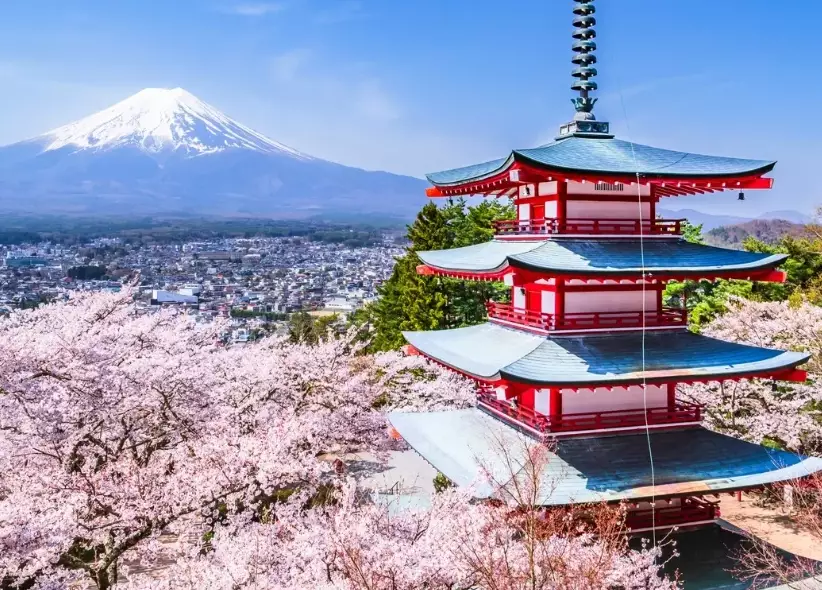
| Hakone & Mount Fuji View | Clearer air, higher chance of seeing Fuji unobscured. Snow-capped peak is stunning. Crowds are smaller than in spring/summer. | Odakyu Romancecar from Shinjuku Station to Hakone-Yumoto (approx 85 mins). Use the Hakone Free Pass for unlimited transport on trains, buses, cable cars, and pirate ships in the area. | Soak in an outdoor onsen (hot spring) with a view. Visit the Open-Air Museum (sculptures in snow are magical). The "pirate ship" cruise on Lake Ashi offers fantastic Fuji views. |
| Kamakura | Temperate coastal climate, often milder than Tokyo. Temples feel more contemplative without the crowds. Great for a relaxed day. | JR Yokosuka Line from Tokyo Station or Shinagawa Station to Kamakura Station (approx 55-60 mins). | Visit the Great Buddha at Kotoku-in. Walk the Komachi-dori shopping street for hot *mitarashi dango* (sweet rice dumplings). Hase-dera Temple has beautiful seasonal views. |
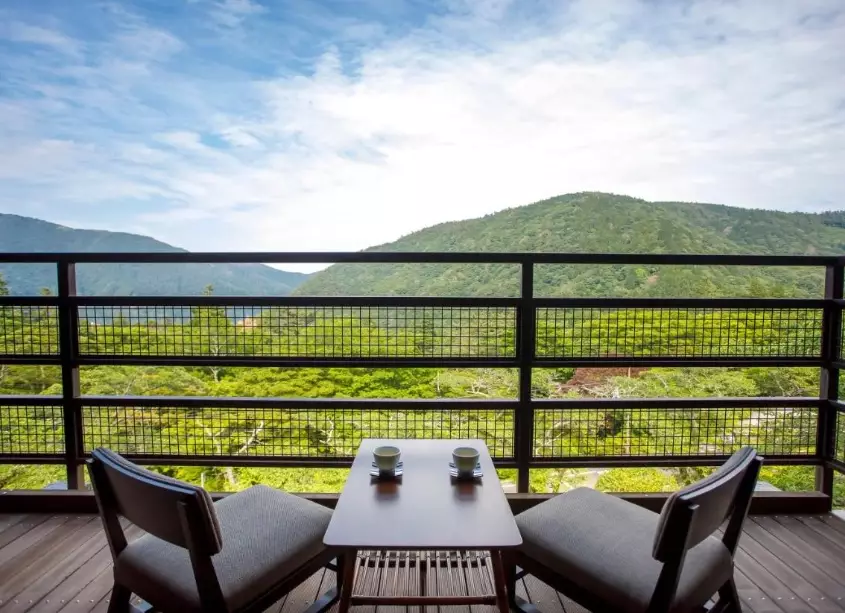
My pick for a first-timer in winter? Hakone. The combination of potential Fuji views, the scenic loop, and ending the day in a hot spring is unbeatable for a winter trip. Book an onsen ryokan with a private bath if you're shy about public bathing.
Day 5: Art, Gardens & A Tower Farewell
A more refined, slower-paced final day.
Morning (10 AM): Roppongi Art Triangle. Choose one major museum. The Mori Art Museum (in Roppongi Hills) often has fantastic contemporary exhibitions, and the ticket includes the Tokyo City View observatory. Open 10 AM-10 PM (Tue until 5 PM). Ticket: ~¥2,200. Alternatively, the National Art Center, Tokyo (7-22-2 Roppongi) is a stunning building with multiple exhibitions. Check their schedule.
Afternoon (1 PM): Roppongi Hills & Tokyo Midtown. Have lunch in one of the complexes. Then, walk to Tokyo Midtown. In winter, their illuminations are some of Tokyo's best, featuring millions of LEDs and often a light show synchronized to music. It starts in the afternoon, so you can see it even before dark.
Late Afternoon (4 PM): Hamarikyu Gardens. A short subway ride to Shiodome. This is a classic Japanese garden with a seawater pond that changes with the tides. In winter, the black pines and teahouse on the island look beautifully stark. It closes at 5 PM, so this is a short, peaceful visit. Entrance: ¥300.
Evening (6 PM): Finale at Tokyo Tower or Zojo-ji. Walk from Hamarikyu to Zojo-ji Temple at the foot of Tokyo Tower. The sight of the ancient temple gate with the modern red tower behind it is a perfect farewell photo op. For a last dinner, the Tokyo Tower Foot Town has several restaurants, or head back to Shimbashi station area for a lively *izakaya* (pub) experience with salarymen.
Essential Winter-Specific Tokyo Tips
This isn't generic advice. These are the things that make or break a winter trip.
Layer Like a Pro: Indoor heating is aggressive. You'll boil in a heavy sweater inside. Use thermal undershirts, a fleece or sweater, and a windproof/waterproof outer shell. A scarf, gloves, and a beanie are non-negotiable.
Footwear is Critical: You will walk miles. Waterproof or water-resistant shoes with good grip are essential. It rarely gets slushy, but rainy days are common. I learned the hard way with sneakers – cold, damp feet ruin a day.
Master the Art of the Daytime Warm-Up: Plan indoor activities between 2-4 PM when you need a break from the cold. Department store food basements (depachika), cafes in big bookstores (like Tsutaya in Daikanyama), or museums are perfect.
Illumination Timing: Most major illuminations start lighting up around 5 PM and turn off between 10-11 PM. Plan your evening walks accordingly. Weeknights are less crowded.
New Year's Note (Jan 1-3): Many shops, restaurants, and museums close for the New Year holiday. However, temples are incredibly lively with Hatsumode (first shrine visit). It's a unique cultural experience but not ideal for standard sightseeing. Early December or late January/February are smoother.
Your Tokyo Winter Trip Questions Answered
Is 5 days in Tokyo during winter enough to see everything?
How should I pack for Tokyo in December/January to handle the cold and indoor heating?
What's the biggest mistake first-timers make on a winter Tokyo itinerary?
Are the Christmas illuminations still worth seeing in early January or February?
What's a good backup plan for a rainy or very cold day in Tokyo?
Share Your Thoughts