Spending a week in Japan feels like a sprint through a living museum, a futuristic theme park, and the world's best food hall all at once. You can't see everything, but you can craft an unforgettable experience that balances iconic sights with local flavor. Forget trying to cram in both Hiroshima and Hokkaido. This 7-day Japan itinerary is built on a simple, expert-approved principle: focus on the classic Tokyo-Kyoto-Osaka golden route, with a relaxing dip into Hakone's hot springs. It's the most efficient way to get a profound taste of Japan's contrasts within a limited timeframe.
I've lost count of how many times I've traveled this route, both guiding friends and for my own work. The biggest mistake I see? People treating their Japan 7 day itinerary like a military checklist, sprinting from temple to shrine without ever sitting down in a local izakaya. This guide is different. It gives you the structure to hit the highlights while leaving room for you to breathe, wander, and discover your own favorite ramen spot.
Your 7-Day Japan Jumpstart
- The Smart 7-Day Japan Route: An Overview
- Days 1 & 2: Tokyo's Electric Pulse
- Day 3: Hakone's Hot Spring Reset
- Days 4 & 5: Kyoto's Timeless Grace
- Day 6: Osaka's Kitchen & Neon Lights
- Day 7: Final Bites & Flights Home
- How to Get Around Japan in 7 Days
- Realistic Budget Breakdown for a Week in Japan
- Your Japan Travel Questions, Answered
The Smart 7-Day Japan Route: An Overview
Logistics first. This one week in Japan plan assumes you're flying into Tokyo's Narita (NRT) or Haneda (HND) airports and flying out of Kansai International Airport (KIX) near Osaka. An open-jaw ticket saves you a costly and time-consuming backtrack to Tokyo. Trust me, the slight premium on the airfare is worth the five hours and $120 you save on a return Shinkansen ticket.
Here's the flow: Tokyo (arrival) → Hakone → Kyoto → Osaka (departure). You'll need a 7-day Japan Rail Pass if you follow this exact route. Do the math: a one-way Shinkansen from Tokyo to Kyoto costs around ¥13,000, and the pass is about ¥50,000. With the Hakone round-trip and local trains covered, it pays for itself. But if you're only doing Tokyo and Kyoto, a pass might not be worth it. Use the official Japan Rail Pass calculator to be sure.
Days 1 & 2: Tokyo's Electric Pulse
Jet lag is real. Don't fight it. Plan a light first afternoon. Stay in a well-connected area like Shinjuku, Shibuya, or Ginza. I'm partial to Shinjuku for its sheer energy and train hub status.
Day 1: Arrival & Shinjuku Immersion
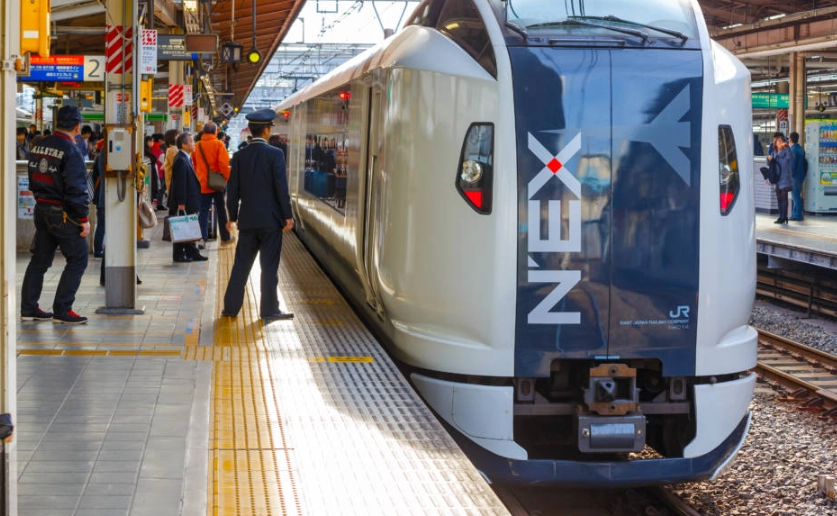
After clearing customs, grab a Pocket WiFi or SIM card at the airport. Take the Narita Express (N'EX) or Keikyu Line into the city. Check into your hotel, then just walk. Head to the Tokyo Metropolitan Government Building in Shinjuku. It's free, open until 11 PM, and offers a stunning panoramic view of the city sprawling to Mount Fuji on a clear day. No ticket queues like at Tokyo Skytree.
Dinner? Dive into the labyrinth of Omoide Yokocho ("Memory Lane") or the more tourist-friendly but still atmospheric Golden Gai. Tiny bars, grilled skewers, and cold beer. Don't be shy; point at what looks good. A meal here costs ¥2,000-¥4,000 per person.
Day 2: Shibuya, Harajuku & Shinjuku Gyoen
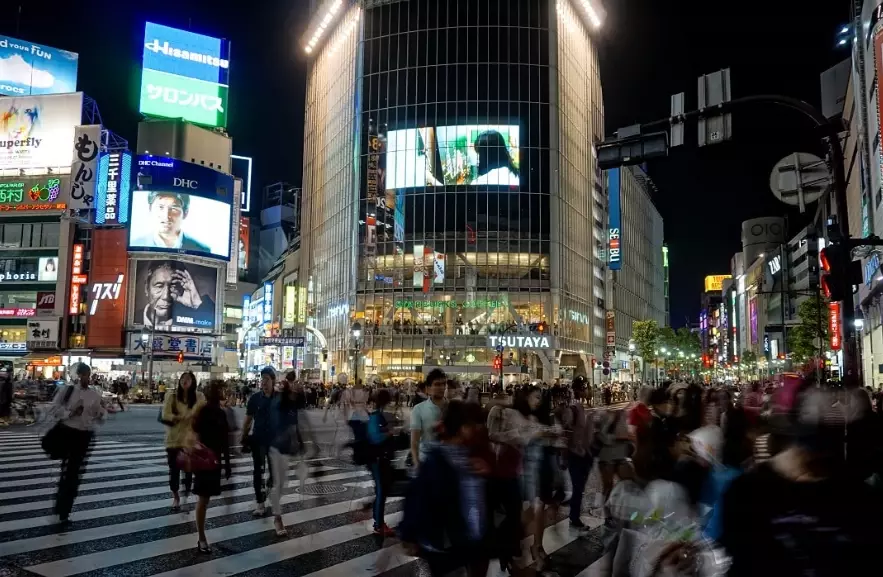
Start at the Shibuya Scramble Crossing. For the best view, get a window seat at the Starbucks in the Tsutaya building (it opens at 7 AM, go early). Then walk to Harajuku. Skip the crowded Takeshita Street on weekends if you hate crowds. Instead, explore the serene Meiji Jingu Shrine right next door—a massive forest in the city center. Entrance is free.
Afternoon option A: Fashion and people-watching in Harajuku's backstreets (Cat Street). Option B: The stunning Shinjuku Gyoen National Garden (¥500 entry), a perfect blend of Japanese, French, and English landscaping. It's my favorite urban escape.
For dinner, head to Ichiran Ramen (multiple locations). It's a chain, yes, but the solo-booth, focus-on-the-noodles experience is uniquely Japanese. A bowl is about ¥1,000. Or, for a splurge, book a conveyor-belt sushi spot like Sushi Zanmai in Tsukiji.
Day 3: Hakone's Hot Spring Reset
Take an early train from Shinjuku Station to Hakone-Yumoto using the Romancecar (reserved seats, about 85 minutes) or a local train covered by the JR Pass. Buy the Hakone Free Pass at Odawara Station. This covers all the local transport you'll need: cable cars, pirate ships (yes), and buses.
The classic Hakone Loop is: Train to Gora → Cable car to Sounzan → Ropeway over the sulfurous Owakudani valley (try the black eggs) → Lake Ashi pirate ship → Bus back to your ryokan (traditional inn).
The real magic of Hakone is your accommodation. Book a ryokan with a private onsen bath in your room if you're shy, or enjoy the public baths. A kaiseki dinner served in your room is included. Expect to pay ¥25,000-¥40,000 per person per night with meals. It's worth every yen for the cultural immersion and relaxation. Try Gora Kadan for luxury or search for smaller family-run places in Hakone-Yumoto for better value.
Days 4 & 5: Kyoto's Timeless Grace
From Hakone, take a train to Odawara, then catch the Shinkansen to Kyoto (about 2 hours). Drop your bags at a hotel near Kyoto Station or in the Gion district. Kyoto's buses are the main way to get around; get a one-day bus pass (¥700).
Day 4: Arashiyama & Kinkaku-ji
Go to Arashiyama Bamboo Grove as early as possible—by 8 AM. By 9:30, it's a pedestrian highway. After the grove, visit the nearby Tenryu-ji Temple (¥500) for its stunning garden. Then, a 10-minute walk to the Iwatayama Monkey Park (¥550) for city views and monkeys.
In the afternoon, take a bus across town to Kinkaku-ji, the Golden Pavilion (¥400). It's always crowded, but it's breathtaking. End your day wandering the quieter streets of Nishiki Market before it closes around 5 PM, sampling pickles, fish cakes, and matcha sweets.
Day 5: Fushimi Inari & Southern Higashiyama
Another early start for Fushimi Inari Shrine. It's open 24/7 and free. To escape the crowds, hike beyond the first few crowded gates. The higher you go, the quieter it gets. The full loop takes about 2-3 hours.
Afternoon: Explore the Southern Higashiyama district. Start at Kiyomizu-dera Temple (¥400), walk down the historic Sannen-zaka and Ninen-zaka stone lanes (avoid tripping on the cobblestones in socks if you've rented a kimono!), past Yasaka Pagoda, and end in Gion. You might spot a geiko or maiko in the evening. For dinner, try Gion Kyo-ryori Gion Mametora for a moderately priced Kyoto-style set meal (around ¥4,000). Reservations are a good idea.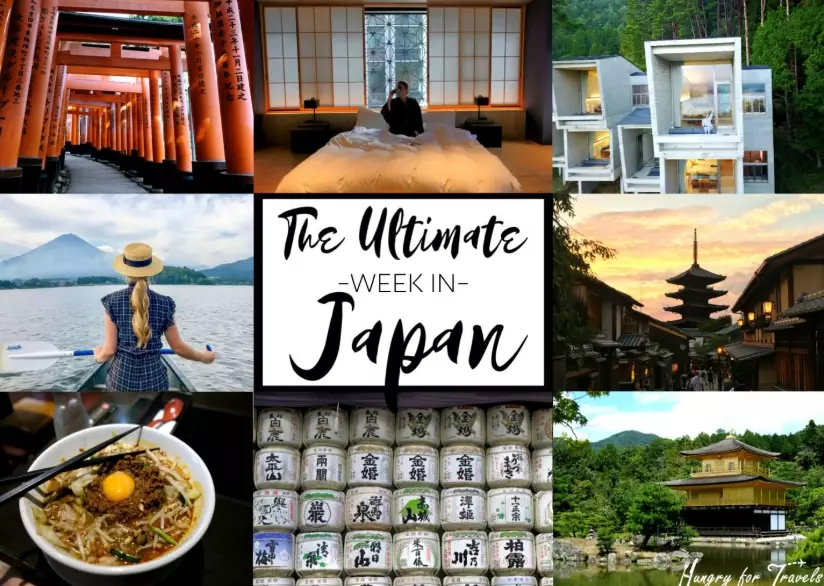
Day 6: Osaka's Kitchen & Neon Lights
A quick 30-minute train ride from Kyoto brings you to Osaka. Store your luggage in a station coin locker. Head straight to Osaka Castle. The park is nice, but skip the long line to go inside the modern museum reconstruction. Instead, get a great photo from the Nishinomaru Garden.
The real soul of Osaka is in Dotonbori at night. Go for the iconic running Glico Man sign, the dazzling neon, and the street food. You must try takoyaki (octopus balls) from a stall like Kukuru and okonomiyaki (savory pancake) at a sit-down restaurant like Chibo. For a view, ride the Tempōzan Ferris Wheel.
Stay near Namba station for easy access to the airport the next day. Hotel options range from business hotels like Dormy Inn Premium Namba (¥12,000/night, with a free late-night ramen service) to luxury at the St. Regis.
Day 7: Final Bites & Flights Home
If your flight is in the afternoon, make one last stop at Kuromon Ichiba Market ("Osaka's Kitchen") for fresh sushi, giant crab legs, and strawberries. Then, take the Nankai Line directly to Kansai Airport (KIX) from Namba Station (about 45 minutes, ¥920). Or take the faster but pricier Haruka Limited Express if you have a JR Pass.
How to Get Around Japan in 7 Days
Public transport is your best friend. Here’s a quick guide:
| Method | Best For | Key Tip / Cost |
|---|---|---|
| Japan Rail Pass (7-Day) | This Tokyo-Hakone-Kyoto-Osaka itinerary. | Order online BEFORE you arrive in Japan. ~¥50,000. |
| Suica / Pasmo IC Card | All local trains, buses, and convenience stores. | Charge at any station. The ultimate convenience tool. |
| Shinkansen (Bullet Train) | Long distances between cities. | Reserve seats (especially with JR Pass) during peak travel seasons. |
| Local Buses (Kyoto) | Getting to temples spread across Kyoto. | One-day bus pass (¥700) pays for itself after 3 rides. |
| Taxi | Short trips with luggage or late at night. | Expensive. Use only when necessary. Doors open/close automatically! |
Download the Japan Travel by Navitime or Google Maps app. They give perfect train schedules, platform numbers, and walking directions.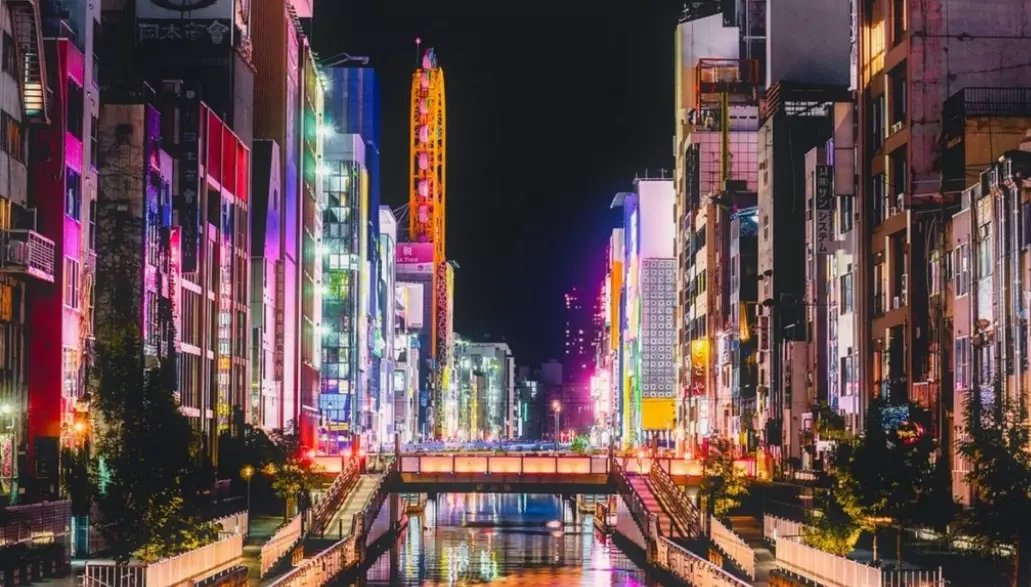
Realistic Budget Breakdown for a Week in Japan
Let's talk numbers for one person. This is a mid-range budget, not shoestring, not luxury.
| Category | Estimated Cost (¥) | Notes |
|---|---|---|
| Accommodation | 70,000 - 100,000 | Business hotels (¥8,000-12,000/night) + 1 night in a Hakone ryokan. |
| Food & Drink | 35,000 - 50,000 | ¥5,000-7,000 per day covers convenience store breakfasts, ramen lunches, nice dinners. |
| Transport (JR Pass + Local) | 55,000 - 60,000 | 7-Day JR Pass (~¥50,000) + Suica top-ups for local travel. |
| Attractions & Souvenirs | 15,000 - 20,000 | Temple entries, museum tickets, small gifts. |
| Pocket WiFi / SIM | 4,000 - 6,000 | Essential for navigation and translations. |
| Total (Approx.) | 180,000 - 236,000 | Roughly $1,200 - $1,600 USD. Flights not included. |
You can go cheaper with capsule hotels and more convenience store meals, or double it for 5-star stays. This range is comfortable and realistic.
Your Japan Travel Questions, Answered
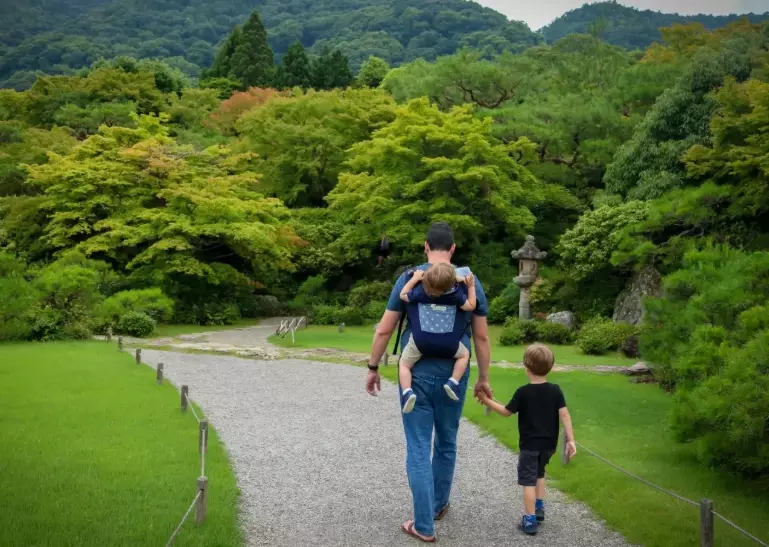
Is spending a week in Japan with young kids feasible?
What's the one thing most people forget to pack for a Japan trip?
 Spending a week in Japan with limited mobility?
Can I manage a 7-day Japan itinerary without speaking Japanese?
What's a common cultural faux pas I should avoid?
 Spending a week in Japan is a whirlwind, but it's a deeply rewarding one. This itinerary is your blueprint, not a prison. Miss a temple to linger in a bookstore in Jimbocho. Skip a planned meal because you found a tiny soba shop down an alley. That unexpected discovery is often the memory you'll cherish most. Japan rewards the curious traveler. Start planning, book your essentials early (especially that JR Pass and Ghibli tickets), and get ready for an adventure that perfectly blends the ancient and the utterly modern.

Share Your Thoughts