So, you're thinking about walking the Nakasendo. The first question that pops up is always the same: how long does it take? The short, honest answer is: it depends. It depends entirely on you. Are you a marathon hiker aiming to conquer the full historic route, or a casual traveler wanting to soak in the atmosphere of a few beautiful post towns? The time needed can swing from a long weekend to nearly two weeks. I've walked sections of it multiple times, and the biggest mistake I see is people trying to fit it into a rigid schedule without understanding what the trail actually offers. It's not a race. Let's break down exactly what you need to plan your trip.
Your Nakasendo Trail Quick Reference
What Exactly Is the Nakasendo Trail?
The Nakasendo, or "Central Mountain Route," was one of the five major highways of the Edo period, connecting Kyoto and Tokyo (then Edo) through the mountains. Unlike the coastal Tokaido route, this path wound through the heart of Japan. Today, you're not walking a single, continuous, perfectly preserved trail. You're walking a mix of restored historic paths, quiet rural roads, and the occasional modern street that connects a string of wonderfully preserved post towns (shukuba).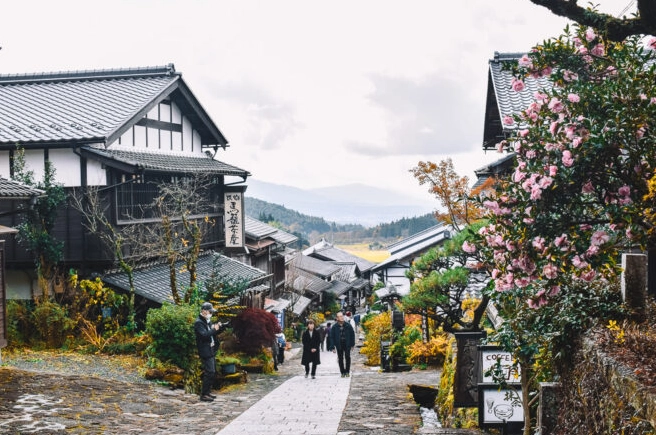
The most famous and accessible section runs through the Kiso Valley in Nagano Prefecture. This is where you'll find the iconic stretches between Magome, Tsumago, and Narai. The full historic route is roughly 534 kilometers (332 miles). Realistically, most walkers focus on the Kiso Valley section, which is about 70-80 km if you walk from Magome to Narai. This distinction is crucial for planning your time.
A Quick Reality Check: Walking the entire historic Nakasendo from Kyoto to Tokyo is a major undertaking of 12+ days, involving long stretches on modern roads. For 95% of visitors, the experience is about the beautifully preserved sections in the Kiso Valley. That's where the magic is, and that's what the itineraries below focus on.
What Determines Your Walking Time?
Forget just distance. These factors will shape your schedule more than a map.
Your Fitness & Pace: This is obvious but personal. Are you happy with 10-15 km (6-9 miles) a day, or can you comfortably handle 20-25 km? The terrain is often hilly, not flat.
Your Interest Level: This is the big one. The Nakasendo is a cultural walk. Rushing from Magome to Tsumago in 2.5 hours misses the point. Will you stop for tea at a 300-year-old shop? Pop into a local museum? Spend 30 minutes photographing a waterfall? I once spent an entire afternoon just chatting with a woodworker in Narai. That stuff adds hours—the best kind of hours.
The Season: Summer is hot and humid, demanding slower paces and more breaks. Autumn is perfect for long days. Spring can be rainy. Winter means shorter daylight hours and possible trail closures on higher passes.
Luggage Forwarding (Takkyubin): This service is a game-changer. For about ¥2,000 per bag, you can send your main suitcase ahead to your next inn. It means you walk with just a daypack. This directly affects your speed and enjoyment. Don't even consider carrying a full pack—it turns a pleasant hike into a slog.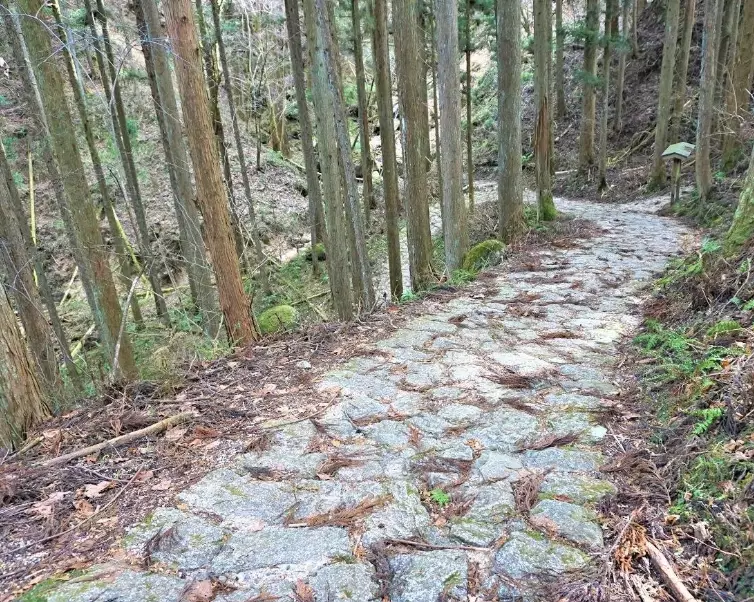
Detailed Nakasendo Itinerary Options
Here are concrete, bookable plans based on how much time you have. These focus on the classic Kiso Valley section, which offers the best balance of preserved trail and logistics.
| Itinerary Focus | Total Days | Daily Walking Distance (Avg.) | Key Sections Covered | Best For |
|---|---|---|---|---|
| The Classic Taster | 3 Days / 2 Nights | 8-12 km per day | Magome → Tsumago → Kiso-Fukushima | First-timers, weekend trips, families. |
| The Deep Dive | 5 Days / 4 Nights | 12-18 km per day | Nakatsugawa → Magome → Tsumago → Nojiri → Narai | Experienced walkers wanting the full Kiso Valley. |
| The Leisurely Explorer | 7 Days / 6 Nights | 8-15 km per day | Full Kiso Valley with extra nights in Tsumago & Narai. | Photographers, history buffs, slow travel. |
| The Ultimate Challenge | 12+ Days / 11+ Nights | 20-25 km per day | Kyoto to Tokyo (full historic route). | Ultra-hikers, history purists with ample time. |
The 3-Day Classic Taster: A Realistic Breakdown
This is the most popular option. You get the iconic post towns without a huge time commitment.
Day 1: Arrival & Magome to Tsumago. Take a morning train from Nagoya to Nakatsugawa Station, then a bus to Magome. Explore Magome's steep, stone-paved street (allow 1-2 hours). Then walk the famous 8 km trail to Tsumago. It's well-signed and takes 2.5 to 3.5 hours at a sightseeing pace. Stay in a ryokan (traditional inn) in Tsumago. I recommend Fujioto or Matsushiroya for an authentic experience (¥15,000-¥25,000 per person with dinner & breakfast). Book months ahead.
Day 2: Tsumago to Kiso-Fukushima. Walk from Tsumago to Nagiso Station (about 5 km, 1.5 hours). Take a local train to Kiso-Fukushima. This town is a larger base. Visit the Kiso Fukushima Checkpoint Museum (¥500, 9:00-17:00). Your luggage, forwarded from Magome, will be waiting at your hotel.
Day 3: Departure. Train back to Nagoya or onward to your next destination.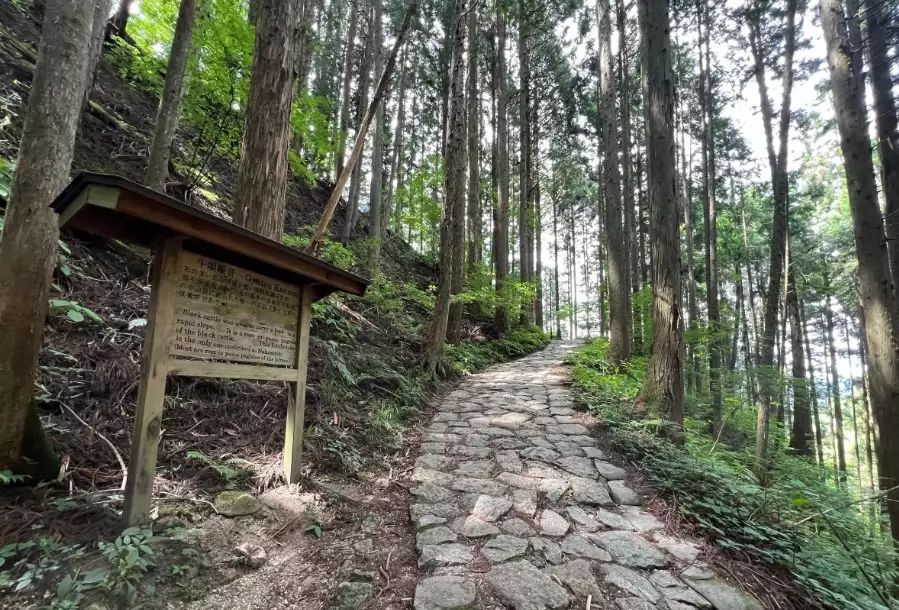
The 5-Day Deep Dive: Seeing the Whole Valley
This plan lets you walk the entire preserved core from Nakatsugawa to Narai.
You follow the 3-day plan, but after Kiso-Fukushima, you continue walking or take short train hops to cover the distance to Nojiri and finally Narai. The walk from Kiso-Fukushima to Narai is less trodden but beautiful. Narai, often called "Narai of a Thousand Houses," is incredibly preserved and feels like stepping back in time. Spend a night there at a place like Narai-shiokumi.
The advantage here is completeness. You see the evolution of the post towns and escape the crowds that thin out beyond Tsumago.
Practical Planning Tips for Your Walk
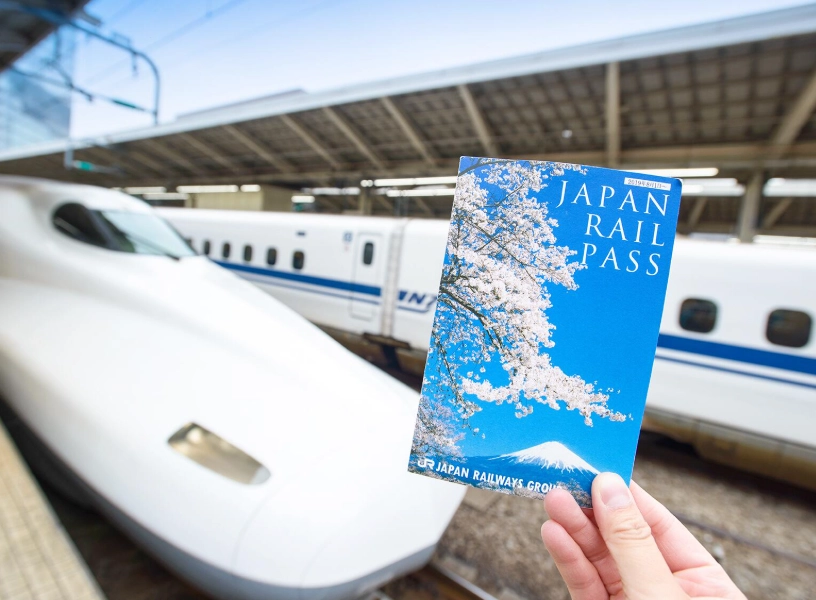
Transportation Access: The gateway is Nagoya Station. From there, take the JR Chuo Line Limited Express (Wide View) train to Nakatsugawa (about 50 minutes). A Japan Rail Pass covers this. Local buses connect stations to trailheads.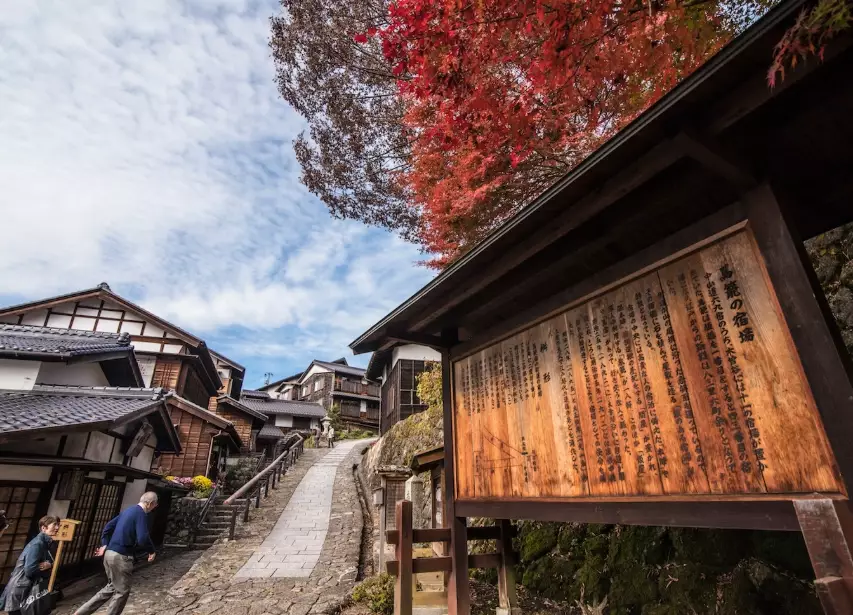
Accommodation Booking: This is critical, especially in Tsumago and Magome. Options are limited and ryokans fill up fast. Book 3-6 months in advance for peak seasons (October-November, April-May). Use websites like Japanican or direct ryokan websites. In Kiso-Fukushima and Narai, you have more choice, including business hotels.
What to Pack:
- Footwear: Broken-in hiking shoes or trail runners. No sneakers—the stone paths can be slippery.
- Clothing: Layers. Quick-dry fabrics. A waterproof jacket.
- Daypack Essentials: Water bottle (refill at public taps in towns), snacks, sun protection, a small first-aid kit, cash (many places don't take cards), and your camera.
When to Go: Late October to November for autumn colors. April to May for spring greenery. Avoid the humid summer (July-August) and the snowy winter unless you're prepared.
Use the official Kisoji Tourism Association website for the latest trail conditions and bus timetables. Schedules change seasonally.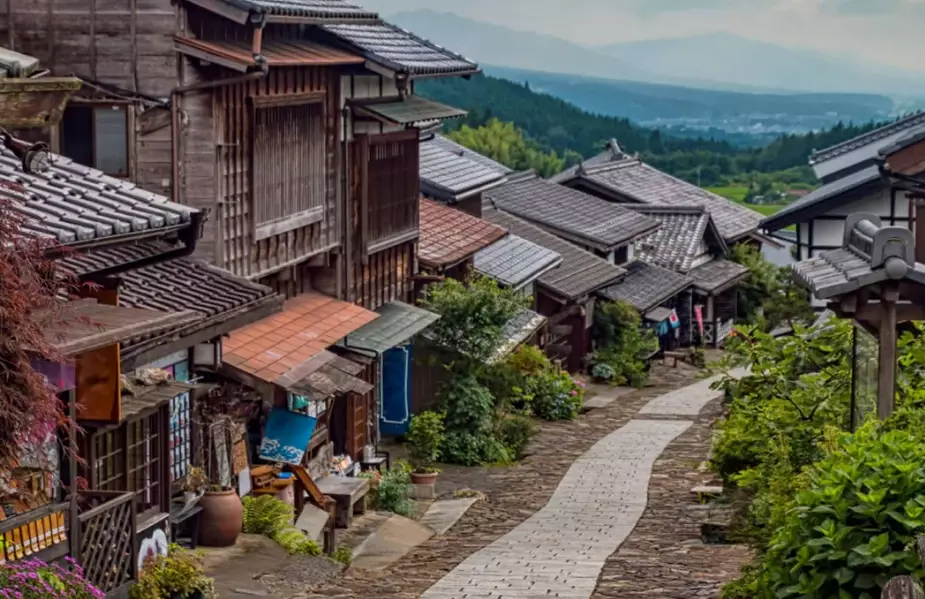

Share Your Thoughts