Most tourists flock to the Edo-Tokyo Museum in Ryogoku for its grand scale. But if you want to actually *feel* the texture of daily life in old Tokyo, you walk a little further east, to Koto Ward. The Fukagawa Edo Museum is different. It’s not a building full of artifacts behind glass. It’s a full-scale, walk-through reconstruction of a Fukagawa neighborhood circa the 1840s. You step off the modern street and directly onto the dirt path of a tenement alley, the sound of the city fading away. This isn't just looking at history; it's inhabiting it for an hour. I've been three times over the years, and it never fails to reset my understanding of Tokyo's roots.
Your Quick Guide to Navigating This Article
What Makes This Museum So Unique?
Forget the hushed tones of a typical museum. Here, you're encouraged to explore. You can take off your shoes, step up into a merchant's house, feel the tatami underfoot, and peer into the kitchen hearth. You can walk into a sentō (public bathhouse) and see the detailed tiles. The genius is in the mundane details—the wooden buckets, the farming tools hung on a wall, the simulated well. It portrays the lives of ordinary townspeople (chōnin), not the samurai elite. The lighting even simulates different times of day, from dawn to dusk, which is a subtle touch most people miss but adds immensely to the atmosphere.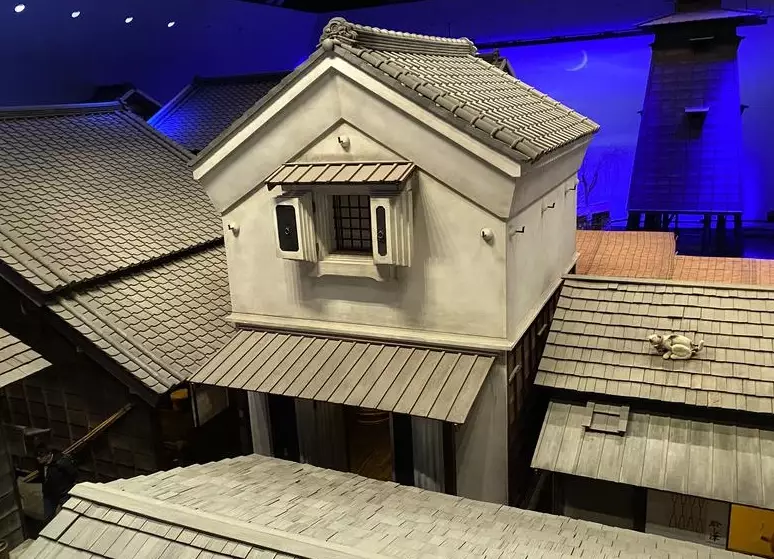
A common mistake first-timers make is rushing through. They see it's a single large room and think 20 minutes is enough. It's not. The depth is in the slowing down. Sit on the edge of the engawa (veranda) for a minute. Notice how the buildings are slightly crooked, how the alley isn't perfectly straight. That's intentional realism, not poor craftsmanship.
Planning Your Visit: Tickets, Hours & Location
Let's get the practicalities out of the way. This is the info you need to slot it into your Tokyo itinerary.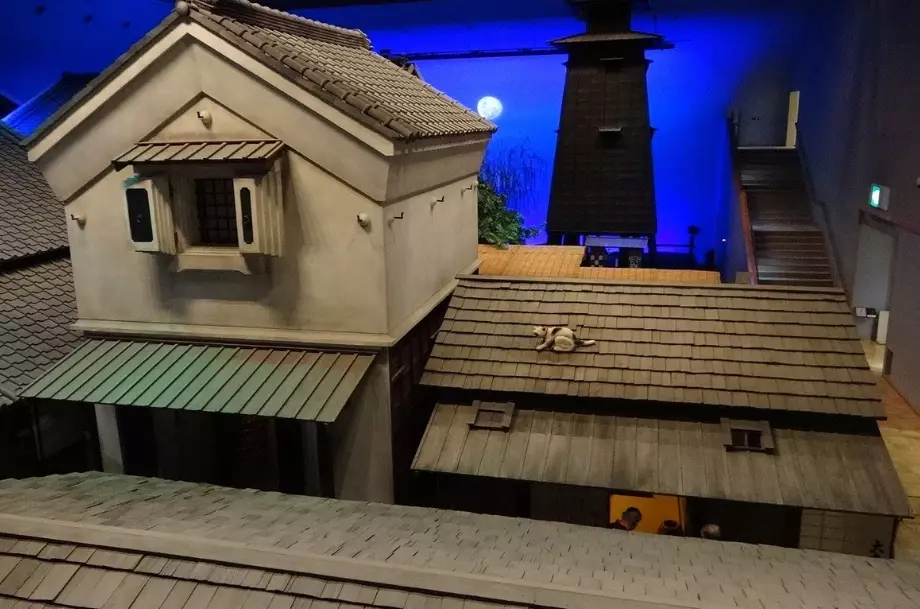
Address: 1-3-28 Shirakawa, Koto-ku, Tokyo 135-0021. It's tucked away in a quiet residential area, which adds to the time-travel effect.
Opening Hours: 9:30 AM to 5:00 PM (Last entry at 4:30 PM).
Closed: Every second and fourth Monday of the month. If Monday is a national holiday, it closes the following Tuesday. Also closed for the New Year holidays (Dec 29 – Jan 3). Always double-check on the official website or the Tokyo Metropolitan Government's tourism site for unexpected closures.
Admission Fee: A flat ¥400 for adults. High school and university students pay ¥300, while junior high students and younger get in for ¥50. It's arguably one of the best value-for-yen experiences in all of Tokyo.
You don't need to book in advance. Just show up, buy your ticket at the small counter, stash your shoes in the free lockers (this is mandatory), and you're in.
How to Get to Fukagawa Edo Museum
It's not right next to a major JR station, which keeps the crowds thin. The most straightforward route is via the Toei Subway Oedo Line.
From Tokyo Station / Central Tokyo
Take the Toei Oedo Line from Daimon Station (near Hamarikyu Gardens) or Tsukiji Station directly to Kiyosumi-shirakawa Station (Exit A3). The ride is about 10 minutes. From Exit A3, it's a 3-minute walk. You'll see signs pointing the way.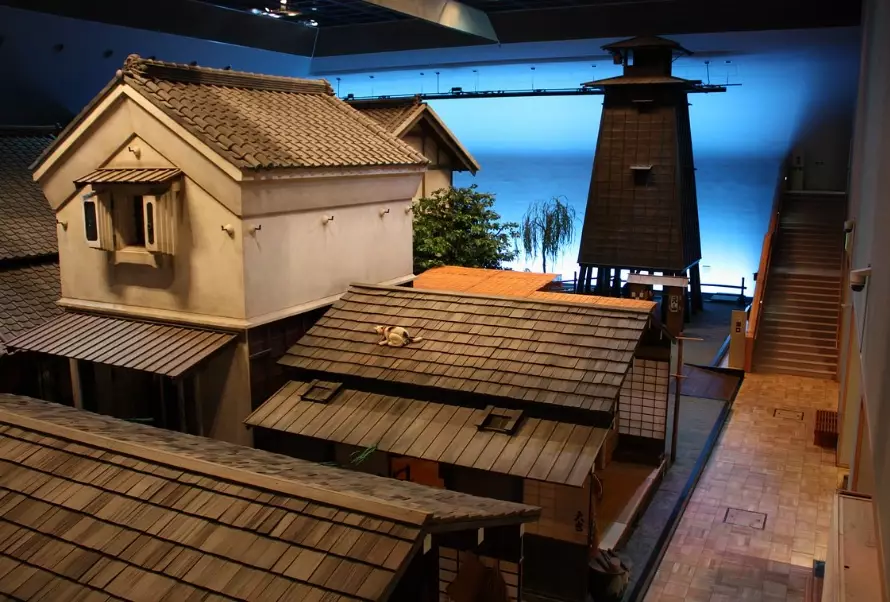
From Shinjuku / Shibuya
You can also take the Oedo Line from Shinjuku or Shibuya directly to Kiyosumi-shirakawa Station. The ride is longer (around 25-30 minutes) but requires no transfers.
A Perfect Half-Day Combination
Here’s a local’s tip: Pair your visit with the stunning Kiyosumi Garden, which is literally across the street from the museum’s nearest exit. Visit the traditional strolling garden first (it opens at 9:00 AM), then step into the Edo period at the museum. It creates a perfect thematic loop of historical Japanese aesthetics.
What Are the Must-See Exhibits at Fukagawa Edo Museum?
The space is one large diorama, but let's break down the key structures you shouldn't miss.
| Building / Area | What It Represents | Key Detail to Look For |
|---|---|---|
| Nagaya Tenement Row | Housing for the working class. Several small units connected. | The differences between each unit's interior—a fireman's home has different tools than a farmer's. |
| Yamamoto Soy Sauce Shop | A prosperous merchant's home and shop combined. | The zakkaya (general store) section in front and the finely furnished living quarters in the back. |
| Sentō (Public Bathhouse) | The community social hub. Men's and women's sides are shown. | The beautiful Kairo mosaic wall painting and the wood-fired boiler system. |
| Fire Watchtower & Bell | Critical for a city built of wood and paper. Fires were a constant threat. | You can see the entire "town" from its base. Imagine a lookout ringing this bell in panic. |
| Vegetable Garden & Well | Shows the self-sufficiency of the neighborhood. | The realistic (fake) vegetables. It reminds you this wasn't a sterile exhibit but a living space. |
My personal favorite is the tenement row. Peering into those cramped, dark living spaces really drives home how tough daily life was. The museum doesn't romanticize it. The ceiling is low, the space is tight. It’s a powerful contrast to the spacious, clean Kiyosumi Garden just outside, which was built by a wealthy merchant.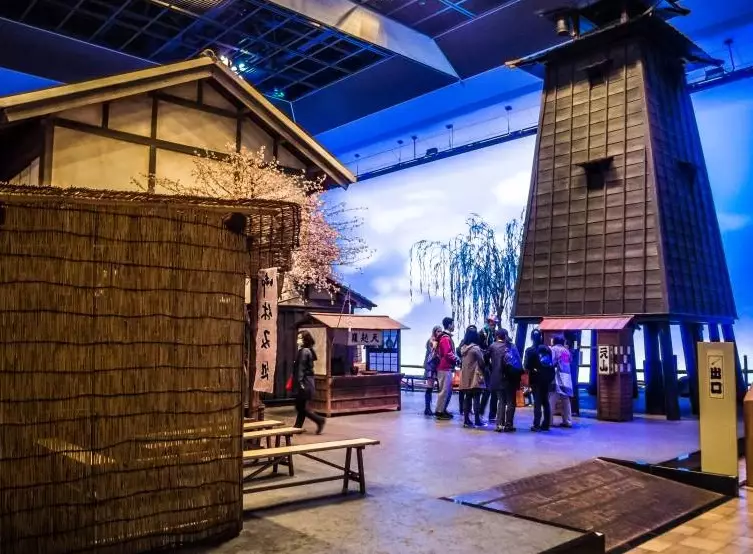
Expert Tips for the Best Experience
After multiple visits, here’s what I’ve learned that most guides won’t tell you.
Timing is Everything: Go on a weekday morning right at opening. You might have the whole place to yourself for a while. The afternoon, especially on weekends, can see small groups and school trips. The silence of an empty "town" is magical.
Footwear Fact: You must remove your shoes. Wear socks without holes! The floors are clean, but you'll be walking on tatami and wooden planks. Slip-on shoes make the process easier.
Photography Note: Photography for personal use is allowed, but tripods and flashes are prohibited. The lighting is low to simulate the time of day, so a phone camera or a good low-light lens helps. Be respectful and avoid photographing other visitors if possible.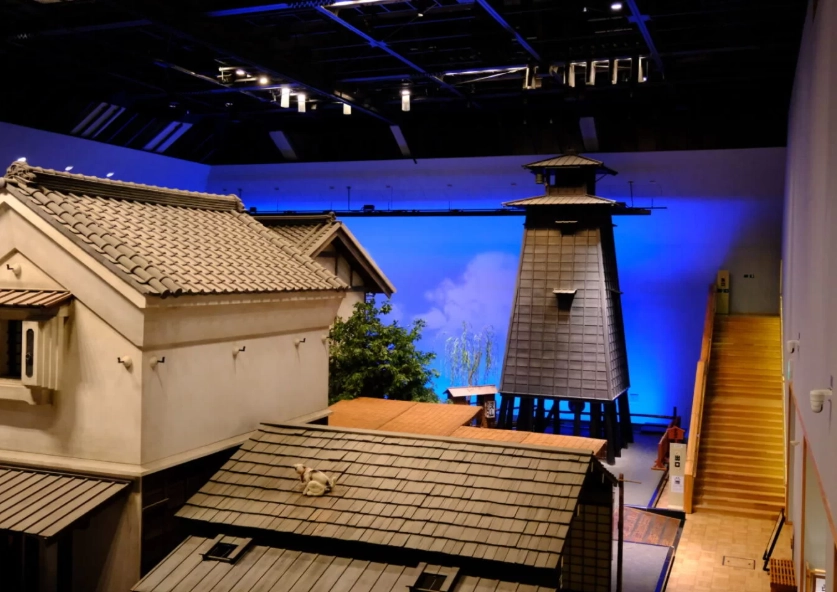
The Missing Piece: The museum has very limited English signage inside the exhibit itself. The brochure at the entrance has an English map and brief descriptions. For deeper understanding, consider using a translation app on your phone to read the Japanese plaques, or simply absorb the atmosphere visually. It’s more about feeling than reading.
Combine and Conquer: As mentioned, Kiyosumi Garden is the perfect partner. For food, the Kiyosumi-shirakawa area is now known for its boutique coffee shops. Grab a artisanal coffee after your historical journey. It’s a fantastic blend of old and new Tokyo in one compact neighborhood.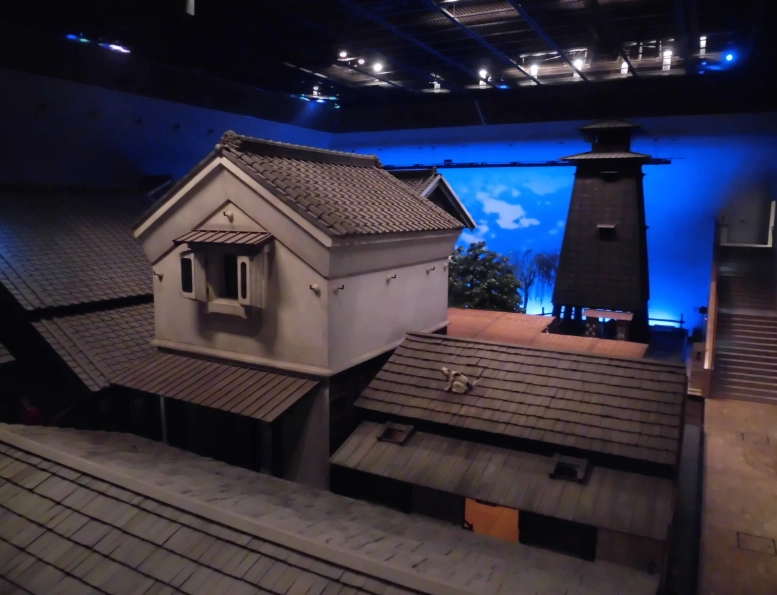
Your Questions Answered (FAQs)
Is the Fukagawa Edo Museum suitable for young children?
It can be, but with caveats. Young kids often love being able to walk into the houses and explore. However, there are no interactive buttons or flashy displays—it's a quiet, contemplative space. The low lighting and realistic (sometimes dim) interiors might be spooky for some toddlers. For kids over 6 or 7 who are curious about history, it's a great, tangible lesson. Just manage expectations: it's not a playground.
How much time should I budget for a visit?
The average visitor spends 45 to 60 minutes. If you're a history buff, a photographer, or someone who likes to soak in details, you can easily spend 90 minutes. Rushing through in less than 30 minutes means you'll miss the essence of the place.
Can I take photos inside the Fukagawa Edo Museum?
Yes, photography for personal, non-commercial use is permitted. This is a key advantage over many traditional museums in Japan. However, the use of tripods, monopods, and flash is strictly prohibited, as they can disrupt other visitors and potentially damage the delicate materials. The ambient lighting is part of the experience, so challenge yourself to shoot without a flash.
Is it worth visiting if I've already been to the Edo-Tokyo Museum?
Absolutely, and they complement each other perfectly. The Edo-Tokyo Museum is the macro view—the grand political, economic, and social history of the city, explained with models, documents, and artifacts. The Fukagawa Edo Museum is the micro view—the visceral, sensory experience of a single neighborhood. One gives you the facts; the other gives you the feeling. You leave the former informed; you leave the latter transported.
What's the one thing most visitors overlook?
The soundscape and the simulated time of day. Most people focus on the buildings. Stop for a moment and listen. You'll hear recorded sounds of chickens clucking, a distant hammer, wind chimes. Look at the "sky"—the lighting changes subtly to mimic dawn, midday, and evening light filtering through the paper screens. This attention to sensory detail is what makes the immersion so effective.
The Fukagawa Edo Museum isn't the biggest or most famous museum in Tokyo. But it might be the most memorable for those willing to engage with it. It asks you to use your imagination, to step into the past literally and figuratively. For ¥400, it offers a quiet, profound counterpoint to the neon and noise of modern Tokyo. It’s a hidden gem because it doesn’t shout for your attention; it waits for you to discover it.
Share Your Thoughts