Let's be honest. Ginza and "affordable" aren't words you usually see together. The image is all Michelin stars, private rooms, and omakase courses that cost more than a flight to Tokyo. But here's the thing most travel blogs miss: Ginza is a real neighborhood where real people work and eat lunch. Hidden among the flagship boutiques and towering department stores is a parallel universe of fantastic, high-quality sushi that won't vaporize your travel budget. You just need to know where to look, and more importantly, when to look.
I've spent years exploring these streets, both as a resident and a guide for visiting friends. The secret isn't about finding a "cheap" imitation. It's about understanding the systems—lunch specials, standing sushi bars, and specific conveyor belt chains that source fish from the same market as the big names. This guide cuts through the luxury fog to show you exactly where to get the best affordable sushi in Ginza.
What's Inside This Guide
What Does "Affordable Sushi" Mean in Ginza?
First, let's set expectations. "Affordable" here doesn't mean 100-yen plates. We're talking about outstanding value for money in one of the world's most expensive dining districts. You're paying for location, quality, and the Ginza name, but you're doing it smartly.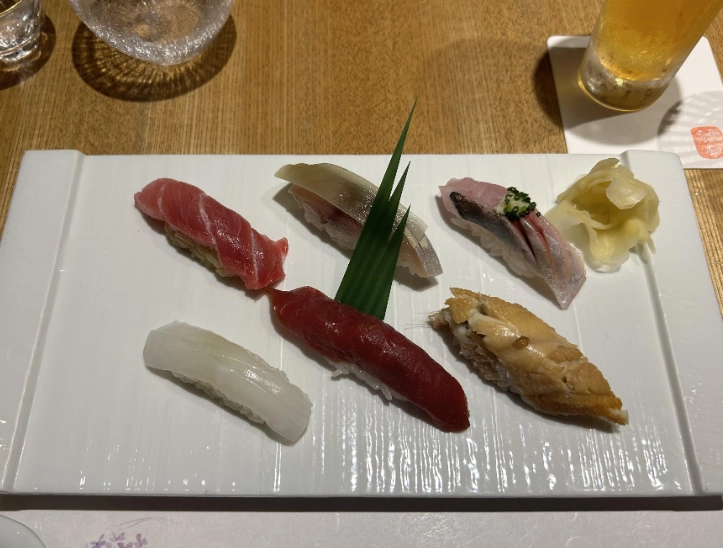
For this guide, "affordable" breaks down into three practical tiers:
- Budget-Friendly (Under 2000 JPY per person): This is the realm of excellent kaitenzushi (conveyor belt sushi) and standing sushi bars (tachigui). The focus is on fresh, fast, and satisfying. You'll get a great meal, often with tech-forward ordering.
- Great Value (2000 - 5000 JPY per person): This is the sweet spot. Here you'll find sit-down restaurants with lunch sets, some counter service, and even introductory omakase experiences. The quality-to-price ratio is exceptional.
- High-End Value (5000 - 10000 JPY): In Ginza, this is affordable for a premium experience. For dinner, this gets you into respected sushi-ya for a concise omakase. It's still an investment, but it's the difference between 30000 JPY and 8000 JPY for a memorable night.
The biggest mistake tourists make is walking into a random sit-down sushi place at dinner time and ordering a la carte. That's a guaranteed budget blowout. The strategies below are designed to avoid that.
Top Spots for Affordable Sushi in Ginza
These are my personal go-tos, categorized by style. I'm including specific details so you can plan.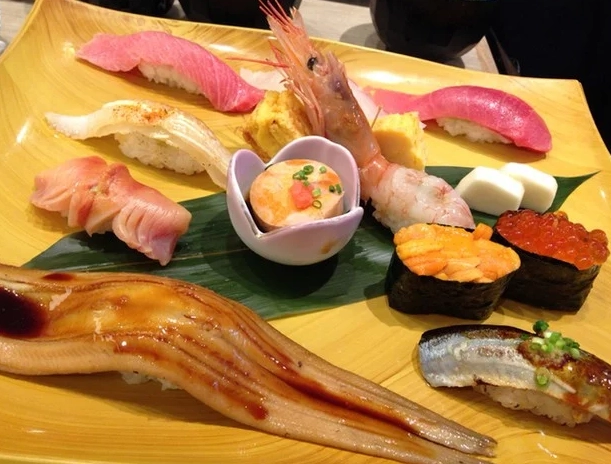
| Restaurant Name | Style & Vibe | Price Point (Per Person) | Must-Try / Tip | Address & Access |
|---|---|---|---|---|
| Nemuro Hanamaru (KITTE Marunouchi) | Kaitenzushi from Hokkaido | 1500 - 2500 JPY | The toro (fatty tuna) is famously good. Go for the seasonal specials. | KITTE Marunouchi 5F, near Tokyo Station (short walk from Ginza). 11:00-23:00. Expect a queue. |
| Sushi no Midori (Ginza) | Cult-following for massive value sets | 2000 - 4000 JPY (lunch) | The "Umi no Sachi" set. Queue early (30+ mins before opening). | Ginza 4-chome, inside a building. 11:00-22:00. Lunch is the prime time. |
| Sushi Aoki (Ginza Corridor) | Standing Sushi Bar (Tachigui) | 1000 - 2000 JPY | Quick, fresh, and social. Order the chef's recommended 5-piece set. | Basement of many Ginza buildings. Look for "立ち喰い" signs. Usually 11:00-21:00. |
| Kyubey (Ginza Main Shop) | Legendary sushi-ya lunch special | 4000 - 7000 JPY (lunch only) | This is your chance to experience a historic name. Book the lunch omakase. | Ginza 8-chome. Reservations essential for lunch. A splurge, but a legendary one. |
A note on Sushi no Midori: The hype is real. The portions are generous, the fish is excellent, and the lunch sets are arguably the best deal in central Tokyo. But the queue defines the experience. If you see a line snaking around a building in Ginza around 11 AM, it's probably for Midori. Is it worth a 90-minute wait? For a dedicated sushi lover on a budget, maybe once. For me, if the line is past 20 people, I head to a tachigui spot instead.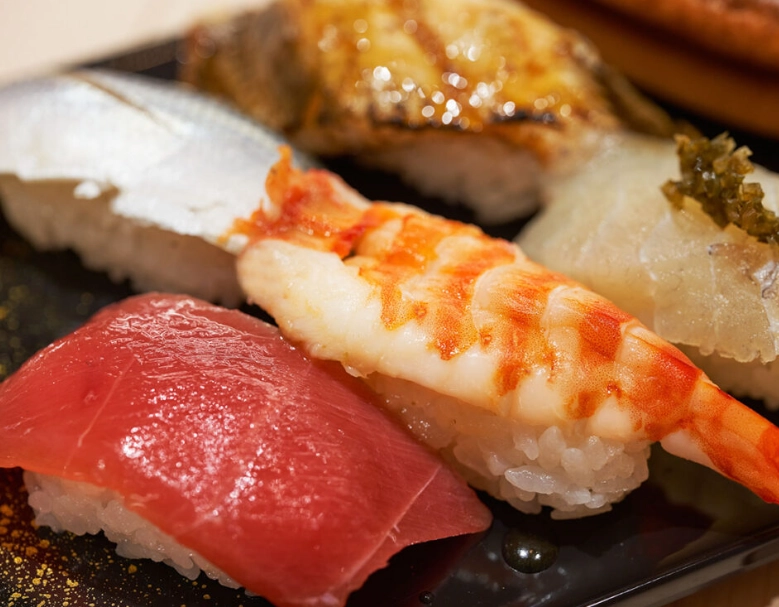
The Kaitenzushi (Conveyor Belt) Champions
Forget any preconceived notions about sad, dry fish on a belt. Modern kaitenzushi in Japan is a marvel of logistics and quality. In Ginza's vicinity, you want the chains that prioritize freshness.
Nemuro Hanamaru (mentioned above) is worth the trip to the KITTE building near Tokyo Station. It's not technically in Ginza, but it's a 5-minute walk and the quality from its Hokkaido supply chain is superior to many mid-range sit-down places.
Genki Sushi has a branch in the Ginza area. It's techy (you order via tablet) and reliable. The price is ultra-competitive, and it's a great choice if you're with kids or want a no-stress, predictable meal.
Here's a non-consensus tip most guides won't tell you: at a good kaitenzushi, don't just grab plates from the belt. Use the tablet or order directly from the chef for the very best, freshest cuts. The belt is for staples like cucumber rolls and tamago; the good stuff is made to order.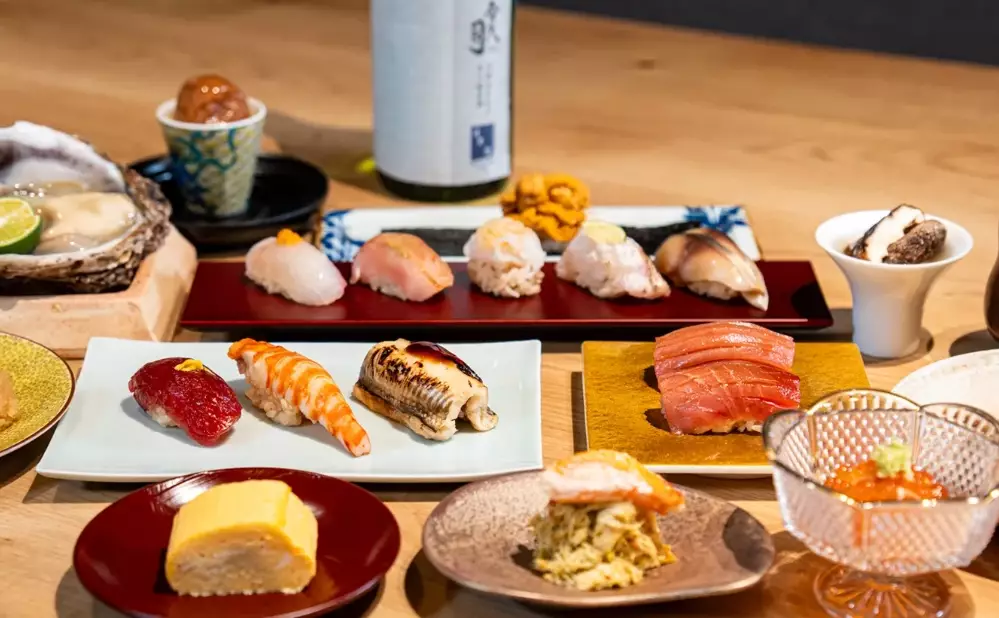
The Ultimate Hack: Ginza's Lunchtime Secrets
This is the master key. Many high-end sushi restaurants in Ginza operate on a two-tier system: astronomical dinner prices and surprisingly accessible lunch sets. The reasoning is simple—they fill seats during the day with office workers and savvy visitors.
The Lunch Strategy: Target the hours between 11:30 AM and 2:00 PM. Use Google Maps or Tabelog and search for sushi places, then look at their menus. You're hunting for "ランチセット" (lunch set) or "昼まかせ" (lunch omakase). A place charging 15,000 JPY for dinner might offer a sublime 8-piece set with soup and chawanmushi for 3,500 JPY at lunch.
Another lunch-specific venue is the depachika (department store basement food hall). Places like Mitsukoshi or Matsuya have small sushi counters where you can get beautifully presented, fresh sushi boxes (bento) for 1500-3000 JPY. Grab one and head to Hibiya Park for a sublime picnic.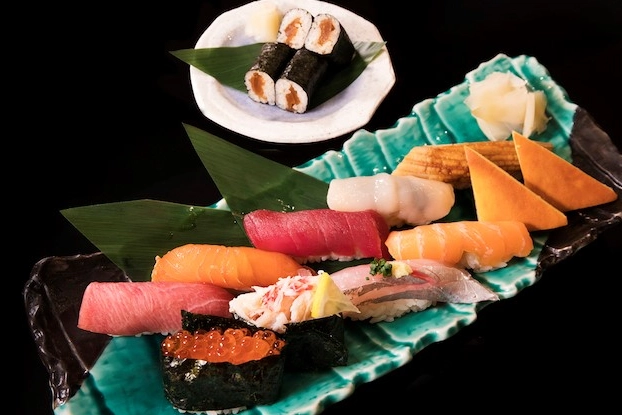
The Standing Sushi Bar (Tachigui) Culture
This is pure, unfiltered Tokyo dining. Tachigui sushi bars are tiny counters where you stand, eat quickly, and leave. They're fast, incredibly fresh (high turnover), and cheap. Sushi Aoki is a small chain with several outlets in Ginza's basement corridors.
The vibe is functional, not romantic. You'll be elbow-to-elbow with salarymen. But for 1000 yen, you can get a fantastic five-piece nigiri set that was made 30 seconds ago. It's an experience as authentic as any high-end omakase.
How to Find More Affordable Sushi Spots Yourself
Don't just rely on this list. Use these tools to become your own expert.
Tabelog is Japan's restaurant bible. A score above 3.5 is excellent. Use the filter to set your price range (予算) and look for the lunch menu photos. Reviews are in Japanese, but you can translate them or just look at the pictures and scores.
Google Maps is surprisingly effective. Search "sushi ginza," then click on places. Look at the photos users have uploaded—specifically, look for pictures of the lunch menu board. If you see a handwritten board with set prices, you've found a potential gem.
Location Hack: Move one or two blocks away from the main Ginza-dori avenue. The side streets and basements hold the real value. The ground-floor spots on the main strip are for luxury brands and flagship cafes.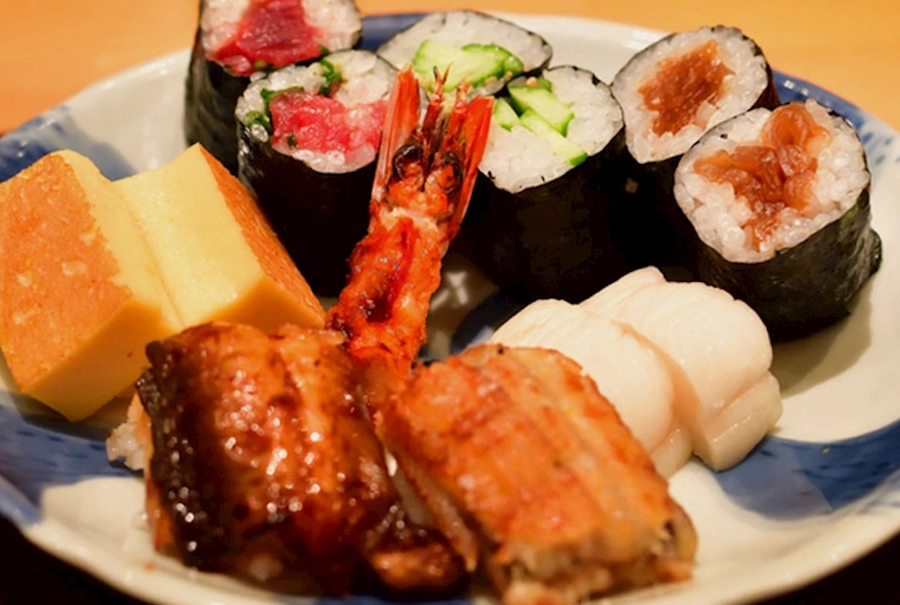
Share Your Thoughts