Your Quick Journey Guide
- Why Can't You Just Show Up at the Last Minute?
- The Golden Rule: It Depends on Your Situation
- The Station Makes a HUGE Difference
- What Are You Actually Doing With That Time?
- The Step-by-Step Process From Street to Seat
- Answers to Your Burning Questions (FAQ)
- Pro Tips From Someone Who's Learned the Hard Way
Let's be honest. That question pops into everyone's head when they're planning their first (or even fifth) trip on Japan's Shinkansen. You've heard the legends of its punctuality, seen the videos of it zipping past Mount Fuji, and now you're staring at your ticket wondering: "How early should I arrive for the Shinkansen?" Get it wrong, and you could be sweating through Tokyo Station in a panic. Get it right, and you're sipping a coffee, watching the world go by before a perfectly smooth departure.
I've been there. The first time I took the Shinkansen from Tokyo to Kyoto, I was a nervous wreck. I showed up a full hour early, paced around for 40 minutes, and then spent the last 20 in a mild panic trying to find Car 8. It was overkill, but it taught me a lot. Since then, I've taken dozens of bullet train rides, from the busy corridors of Shin-Osaka to the smaller platforms of Hakata. I've missed one (a story for later), and I've cut it way too close more times than I'd like to admit.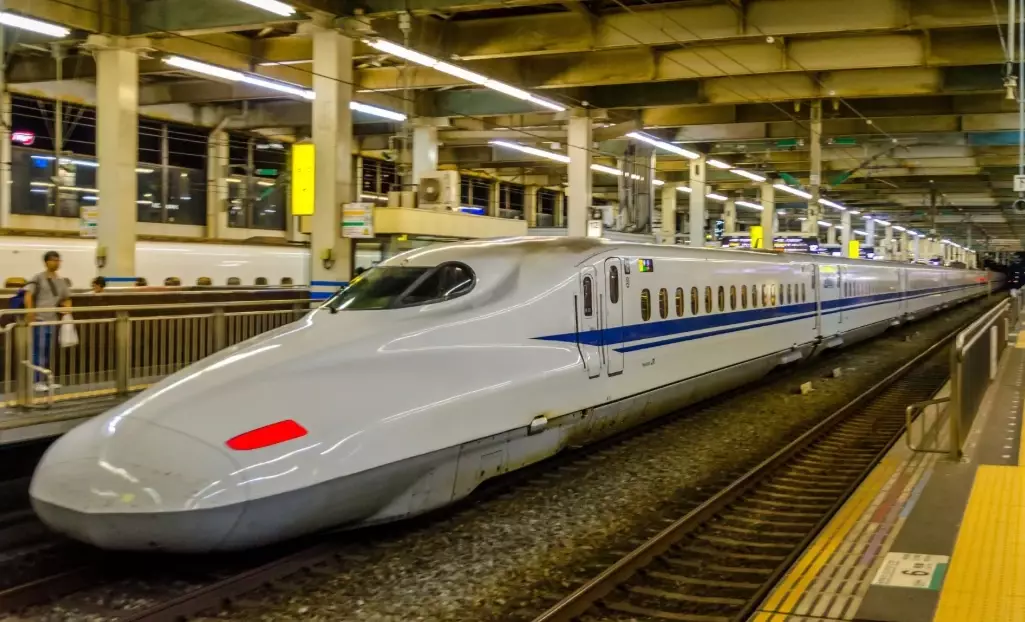
So, let's cut through the anxiety and get you the real, practical answer. This isn't just about a number of minutes. It's about understanding the process, knowing what kind of traveler you are, and making your journey start off on the right foot.
The Short Answer (But Please Keep Reading!): For a standard traveler with a pre-purchased ticket and regular luggage, arriving at the station 20 to 30 minutes before your Shinkansen departure time is perfectly adequate and stress-free. This gives you time to find your platform, locate your car, and board comfortably.
But wait. Are you traveling with kids? Do you have oversized luggage? Is it your first time in Japan? Are you departing from a massive station like Tokyo or Shin-Osaka? The answer to "how early should I arrive for Shinkansen" changes with each of these factors. A one-size-fits-all answer is worse than useless—it can set you up for failure.
Why Can't You Just Show Up at the Last Minute?
This isn't a commuter train where you hop on any door. The Shinkansen system, for all its efficiency, has a specific flow. Understanding this flow is the key to nailing your arrival time.
First, you're not just walking onto a platform. Large stations are multi-level mazes. You need to navigate from the street or subway to the Shinkansen ticket gates (often called the "Shinkansen口" or "Shinkansen-guchi"). These are separate from the local train gates. Then you need to find your specific track (番線, bansen), which could be one of many. At Tokyo Station, for example, the Shinkansen platforms are in their own wing, a good 5-10 minute walk from the Marunouchi exit.
Second, boarding is precise. Your ticket specifies a car number and a seat number. The train stops with remarkable accuracy, aligning the car markers on the platform with the doors. But if you arrive as the train is pulling in, you'll be fighting against the orderly queue of people already waiting in the right spot. It's chaotic and rude.
Finally, there's the buffer for the unexpected. What if the ticket machine line is long? What if you need to use the bathroom? What if you want to grab a famous ekiben (station lunch box) for the journey? These things eat into your time.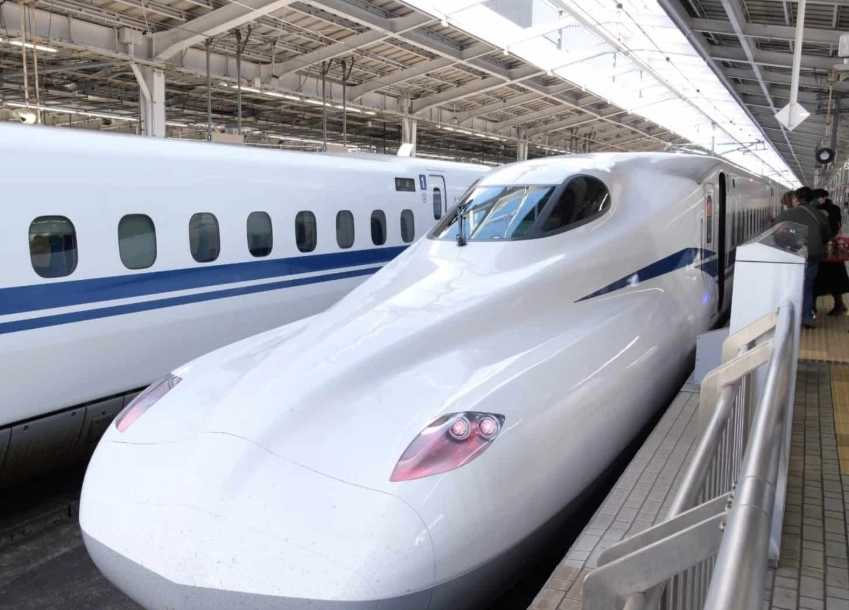
The Golden Rule: It Depends on Your Situation
So, how early should I arrive for Shinkansen? Let's break it down by traveler type. This table is your cheat sheet.
| Type of Traveler | Recommended Arrival Time Before Departure | Key Reasons & Notes |
|---|---|---|
| The Standard Tourist (Pre-booked ticket, carry-on suitcase/backpack) | 20 - 30 minutes | This is the sweet spot. Time to navigate the station, find your platform, maybe grab a drink, and board without rush. You're not trying to do anything fancy. |
| Traveler with Large/Oversized Luggage (Requiring a reserved luggage space) | 30 - 45 minutes | Since May 2020, luggage over 160cm (total dimensions) needs a reservation for the oversized luggage area. You must do this in advance. Arrive early to ensure you can board calmly, stow your bag correctly, and avoid the 1,000 yen fee/refusal of boarding if you didn't reserve. The official rule is on the JR Central website. |
| First-Time Rider in Japan | 40 - 50 minutes | Give yourself a grace period. Use the extra time to orient yourself, read signs (most are in English), watch how others flow, and ask station staff if needed. Reduce stress by exploring the station first. |
| Family with Young Children | 30 - 40 minutes | Everything takes longer. Bathroom breaks, wrangling strollers, keeping kids together. The extra time prevents pre-board meltdowns (yours and theirs). Also, more time to pick kid-friendly ekiben. |
| Business Traveler / Frequent Rider (With a Japan Rail Pass or Smart EX app) | 15 - 25 minutes | You know the drill. You can move fast, know the station layout, and have your digital ticket ready. You're just walking to your platform and boarding. |
| Passenger Needing to Buy a Ticket On-the-Spot | 45 - 60 minutes | This is risky and I don't recommend it for popular routes/times. But if you must, you need buffer time for lines at the ticket counter/machine, figuring out the schedule, and potentially finding only non-reserved seats are left. |
See? The magic number shifts. Asking "how early should I arrive for Shinkansen" without context is like asking how much salt to put in a dish without knowing what you're cooking.
The Station Makes a HUGE Difference
A major factor people forget is the station itself. Arriving at Shin-Yokohama is a completely different experience from arriving at Tokyo Station.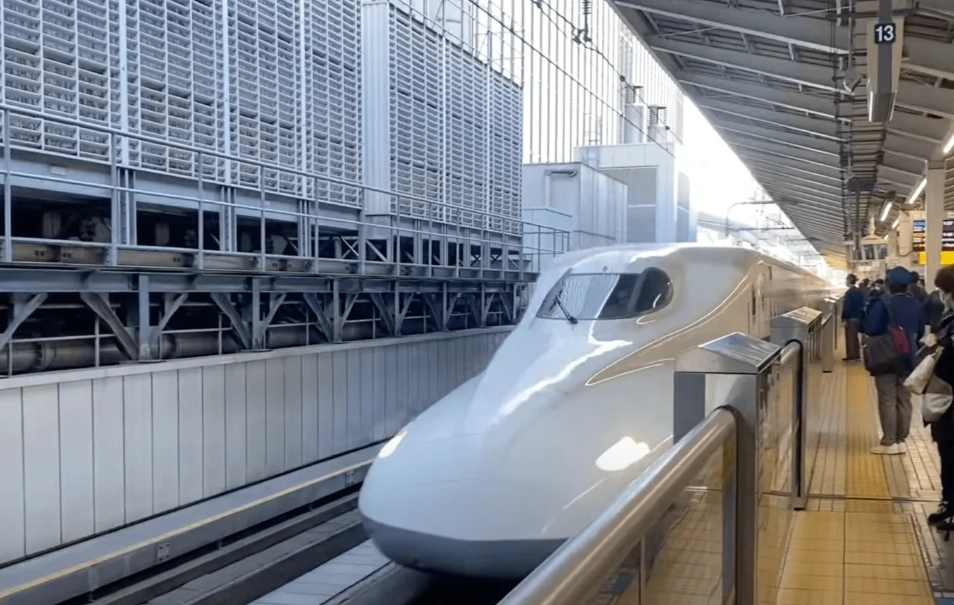
Major Hubs (Tokyo, Shin-Osaka, Kyoto, Nagoya)
These are beasts. They connect multiple Shinkansen lines (Tokkaido, Sanyo, Tohoku, etc.) and have dozens of platforms. Signage is excellent, but the sheer scale adds walking time. At Tokyo Station, the Shinkansen gates are a long concourse away from the Yaesu exit. Crowds are almost always present. For these, lean towards the upper end of your recommended time range. If you're a first-timer at Tokyo Station, 40 minutes is not unreasonable to feel comfortable.
Smaller or Terminal Stations (Hakata, Shin-Hakodate-Hokuto, Kagoshima-Chuo)
These are often simpler. Fewer lines, sometimes just a handful of Shinkansen platforms. Layouts tend to be more linear and easier to grasp. You can often see your train waiting from the ticket gates. For these, you can safely aim for the lower end of your range. 20 minutes at Hakata Station feels more relaxed than 20 minutes at Shin-Osaka.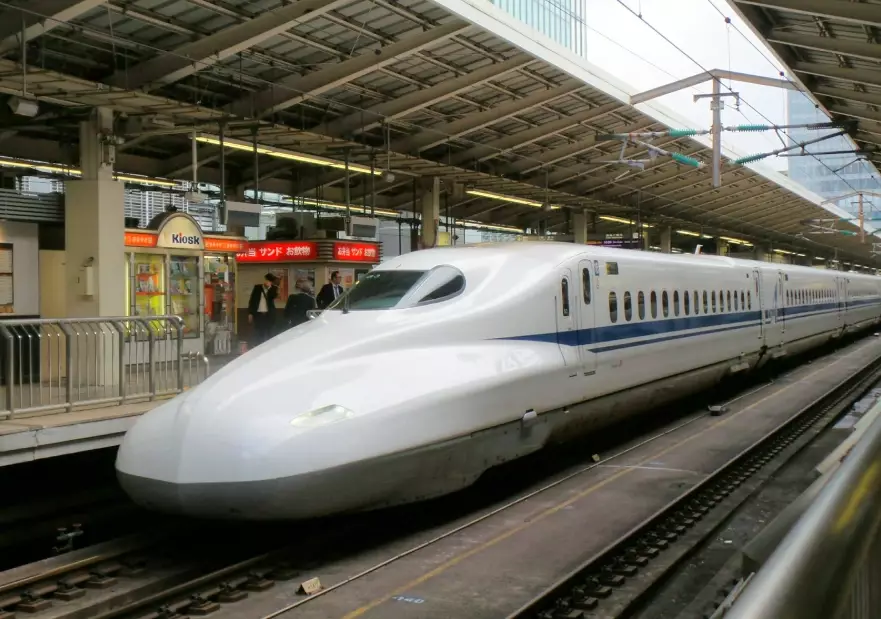
What Are You Actually Doing With That Time?
Arriving "early" isn't about standing on the platform staring at your watch. It's about efficiently using a buffer period to enhance your trip. Here’s what you can (and should) do with those precious minutes.
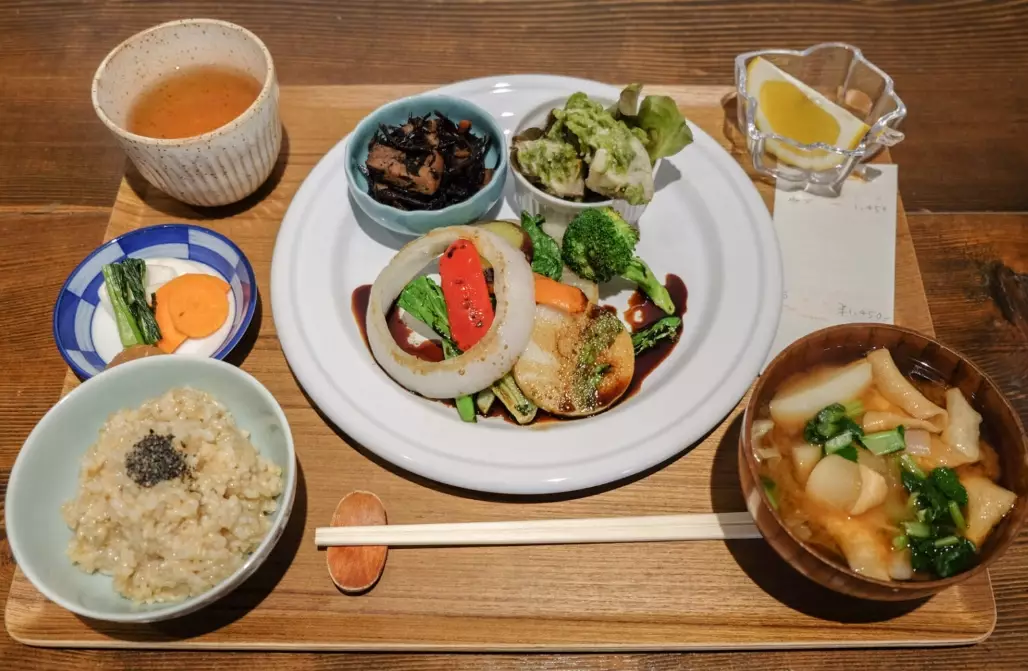
- Buy an Ekiben and a Drink: This is a core Shinkansen experience. The ekiben shops (ekiben-ya) are usually right before or after the ticket gates. They have incredible regional specialty lunch boxes. Picking one out takes time—don't rush it! The drink carts on the train have a limited selection, so grab your favorite tea or coffee from a kiosk too.
- Use the Restroom: The restrooms on the Shinkansen are clean but small and can have a line, especially after departure. Using the spacious station restrooms before boarding is a pro move.
- Find Your Exact Boarding Position: Platforms have clear markings showing where each car will stop (e.g., "Car 1-3," "Car 4-7"). Find your car number and wait there. There are often lines painted on the ground. This ensures a smooth, first-in flow when the train arrives.
- Validate Your Tickets/Pass: If you're using a Japan Rail Pass, you need to get it activated and get physical seat tickets from a ticket office before your first trip. This process can take 15-20 minutes if there's a line. Do this on a separate day if possible, or arrive a full hour early.
- Ask for Help: Station staff in uniforms or at information desks are incredibly helpful. If you're lost or unsure, ask. It's faster than wandering.
I love using my early arrival time for ekiben hunting. It turns a logistical task into a fun part of the journey. Last trip from Sendai, I spent a good 10 minutes deciding between beef tongue bento and a seafood bowl. No regrets.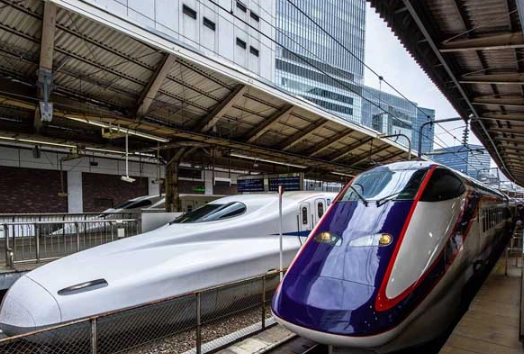
The Step-by-Step Process From Street to Seat
To really internalize how early you should arrive, let's walk through the journey minute-by-minute for our "Standard Tourist" arriving 30 minutes early at a major station.
T-30 Minutes: Enter the station main concourse. Look for signs pointing to the Shinkansen (新幹線). Follow them. This walk can take 3-8 minutes in a big station.
T-22 Minutes: Arrive at the Shinkansen ticket gate area. Have your ticket or IC card (if your ticket is loaded on it) ready. Insert ticket, walk through. (2 mins).
T-20 Minutes: You're now in the Shinkansen departure concourse. Look at the big departure board. Find your train number (e.g., Nozomi 123), destination, departure time, and platform number. Note it down. (3 mins).
T-17 Minutes: Optional but recommended: Detour to the ekiben and drink shops. Browse and purchase. (7 mins).
T-10 Minutes: Head to your designated platform. Go down the escalator/stairs. (2 mins).
T-8 Minutes: On the platform. Look for the floor markings for your car number. Walk to the correct spot. (2 mins).
T-6 Minutes: Use the platform restroom if needed. (4 mins).
T-2 Minutes: The train (usually cleaned and prepared) will likely already be at the platform. Staff will be finishing checks. You are now calmly waiting at your exact boarding spot, ekiben in hand.
Departure Time: Board smoothly as the doors open. Find your seat, stow your luggage, and relax.
Critical Warning for Non-Reserved Seat Passengers: If you're traveling on a non-reserved ticket (自由席, jiyūseki), especially on a busy holiday or weekend, you need to be much earlier. Popular trains can fill their non-reserved cars quickly. To get a seat, you may need to queue on the platform 20-30 minutes before departure. In this case, arriving 40-50 minutes early to be at the front of the non-reserved car queue is wise. Check the train's seat availability on the station boards—they show how crowded non-reserved cars are expected to be.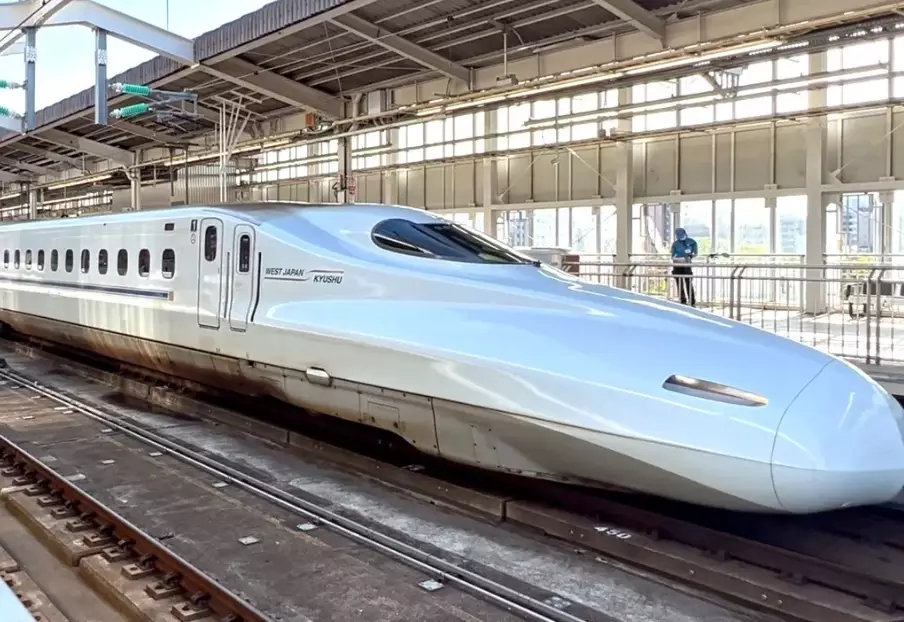
Answers to Your Burning Questions (FAQ)
Here are some specific questions that go beyond just "how early should I arrive for Shinkansen?"
Technically, some major stations have ticket machines on the Shinkansen concourse, after the main gates. But this is a high-risk strategy. Machines can have lines, you might struggle with the interface, and the train you want could be sold out. It turns a simple journey into a stressful gamble. Always buy in advance via the official SmartEX website/app, at a ticket office, or at a travel agency.
Don't panic. If you have a non-reserved seat ticket, you can just take the next train with non-reserved seating. If you have a reserved seat ticket, it's more complicated. Officially, your reserved ticket is only valid for that specific train. However, you can often go to the ticket office, explain you missed it (they might not charge a fee if it's not your fault, but they might), and they can re-book you on the next available train, possibly for a small fee or for free if seats are available. Your Japan Rail Pass reserved seat ticket is usually more flexible—head to the ticket office for re-issuance.
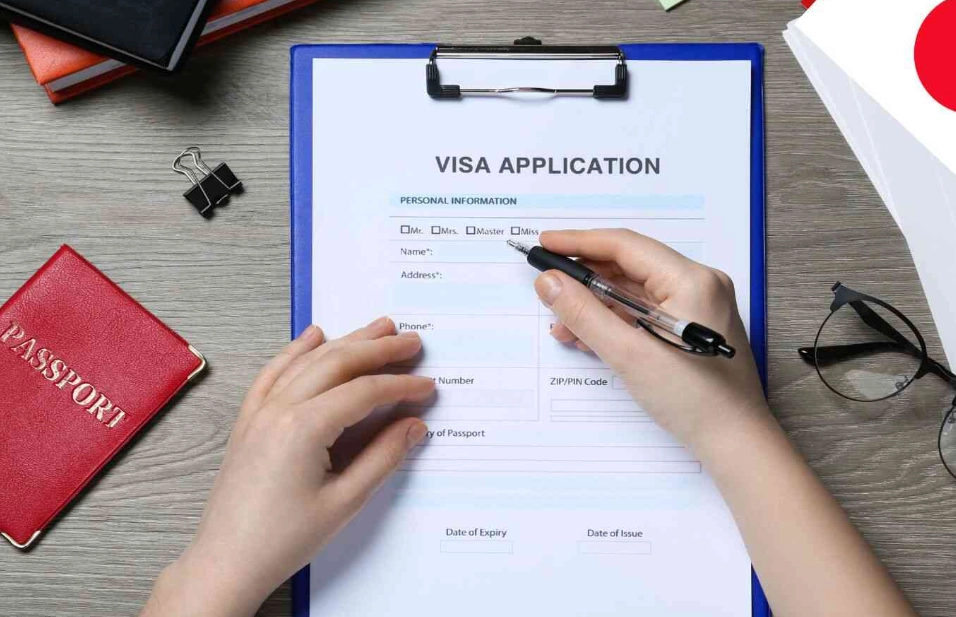
No, you do not need your passport to board the train itself. However, you absolutely need it if you are using a Japan Rail Pass. When you exchange your voucher for the actual pass at a JR ticket office, they will stamp it and link it to your passport. You may be asked to show your passport when picking up reserved seat tickets with the pass. Always carry your passport when traveling with a JR Pass.
No. There is no security screening, no X-ray machines, and no baggage check for the Shinkansen. You simply put your ticket in the gate and walk through. This is a key reason why you don't need to arrive hours early. The process is designed for speed and efficiency.
Pro Tips From Someone Who's Learned the Hard Way
Let's wrap up with some brass-tacks advice that you won't always find in guidebooks.
- Download Station Maps. For mega-stations like Tokyo or Osaka, find a PDF map online beforehand. Knowing that the Tohoku Shinkansen leaves from platforms 20-23 at Tokyo Station saves mental energy.
- Use Google Maps' "Depart At" Feature. When getting directions to the station, set the arrival time for 30-40 minutes before your train departs. It will tell you exactly when to leave your hotel.
- Platforms Can Be Long. If your ticket says Car 1, and you enter the platform at the sign for Car 10, you have a 200+ meter walk ahead of you. Factor that in.
- Listen for Jingles and Announcements. About 2-3 minutes before departure, a distinctive jingle will play, and doors will start closing. This is your final cue. If you hear it and you're not on board, run.
- Check the Train's Final Destination. A Shinkansen line (like Tokkaido) splits. A train might say "Hakata" on the board, but only the front cars go there, while the rear cars split off to another city. Make sure you're in the correct car section for your destination. The platform signs and train exterior markings will show this.
So, after all this, what's the final, definitive answer to "how early should I arrive for Shinkansen"?
For 90% of travelers, aiming for that 30-minute mark is the perfect balance of safety and efficiency. It's not so early that you're bored, and not so late that you're anxious. It accounts for normal station navigation, allows for a quick pitstop or snack purchase, and gets you to your boarding position with time to spare.
Adjust up if you're a first-timer, have big bags, or are in a monster station.
Adjust down if you're a pro in a small station.
The goal isn't just to catch the train. It's to start your journey relaxed and in control. The Shinkansen is one of the great travel experiences in the world. Don't let the pre-boarding logistics tarnish it. Show up with time, stroll to your platform, and step on board ready to enjoy the ride.



Share Your Thoughts