Quick Navigation
Let's be real. The idea of visiting Japan on a tight budget for just one week sounds almost impossible to most people. I thought so too before I went. Images of $300 sushi dinners, tiny but astronomically priced hotel rooms, and bullet trains that cost a fortune flash through your mind. I'm here to tell you, with a mix of relief and excitement, that it's totally doable. More than doable—it can be the trip of a lifetime without ending up with a lifetime of debt.
This isn't about roughing it or missing out. It's about traveling smart. A successful Japan on a budget 1 week trip is less about deprivation and more about knowing where to splurge and where to save. It's about embracing the incredible value that exists just beneath the surface of Japan's famously expensive reputation.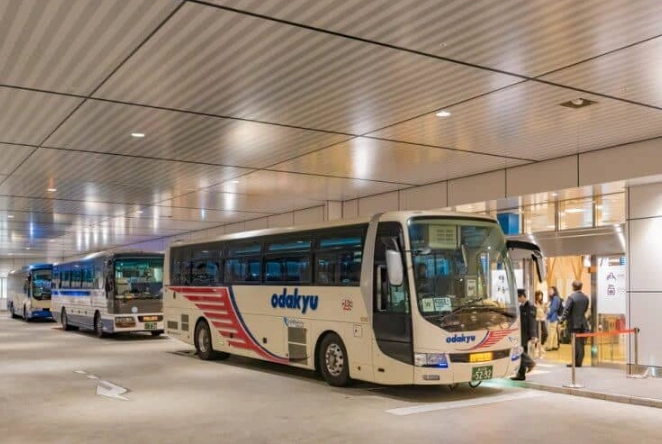
The Core Philosophy: Spend on experiences, save on logistics. Your money should go towards that mind-blowing bowl of ramen, the serene temple garden, or the unique souvenir, not on overpriced taxis or last-minute convenience.
Where to Go? The Classic 1-Week Budget Japan Itinerary
For a first-timer with only seven days, trying to see Tokyo, Kyoto, Osaka, and Hiroshima is a recipe for exhaustion and a blown budget (all those Shinkansen tickets add up!). I recommend a more focused approach that gives you a rich taste of both modern and traditional Japan.
The Tokyo & Hakone Combo
This is the golden formula for a cheap Japan one week itinerary. You get the electric energy of the world's greatest metropolis balanced with the natural beauty and hot springs of a classic Japanese resort town. The travel between them is straightforward and, with planning, affordable.
Focusing on this corridor lets you experience the iconic contrast Japan is famous for, all while keeping transport costs predictable and manageable. It’s the single best piece of advice for first-timers on a budget.
The Day-by-Day Breakdown: Your 7-Day Japan Budget Itinerary
Here’s a detailed, day-by-day plan for spending a week in Japan without spending a fortune. This itinerary is packed but realistic, built around efficient travel and maximizing your yen.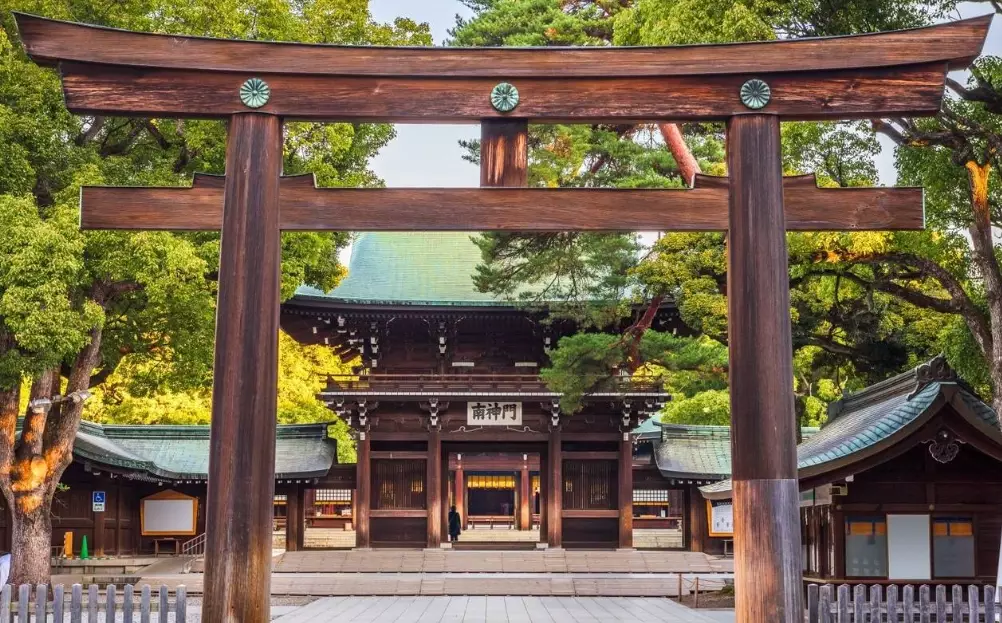
Day 1 & 2: Dive into Tokyo's Chaos & Culture
Fly into either Narita (NRT) or Haneda (HND). Haneda is closer and often has cheaper transit into the city, so it's worth checking flights there first. Upon arrival, head straight to your accommodation to drop your bags. Don't try to sightsee jet-lagged; it's a waste of precious time and energy.
Where to Stay in Tokyo on a Budget:
- Asakusa: My personal favorite for a first visit. It has an old-town feel, Senso-ji Temple is right there, and it's well-connected. Hostels and business hotels here offer great value.
- Ueno: Another fantastic, slightly grittier option. Ueno Park is a hub of museums (some with free days!), and the area is packed with affordable izakayas and eateries.
- Shinjuku/Shibuya: For those who want to be in the heart of the action. You'll pay a slight premium for location, but you can find decent capsule hotels or small business hotels if you book early.
I stayed in a small business hotel in Asakusa, a 5-minute walk from Senso-ji. Waking up early and visiting the temple grounds before the crowds was magical—and completely free. The hotel was basic but spotless, and the location saved me hours of transit time.
Day 1 Highlights (After settling in): Explore the **Asakusa** area. Wander down Nakamise-dori (look, don't buy much—it's touristy), visit **Senso-ji Temple**, and soak in the atmosphere. For dinner, find a standing sushi bar or a ramen shop in a side street. A bowl of incredible ramen will cost you between 800-1200 yen. That's your first budget win.
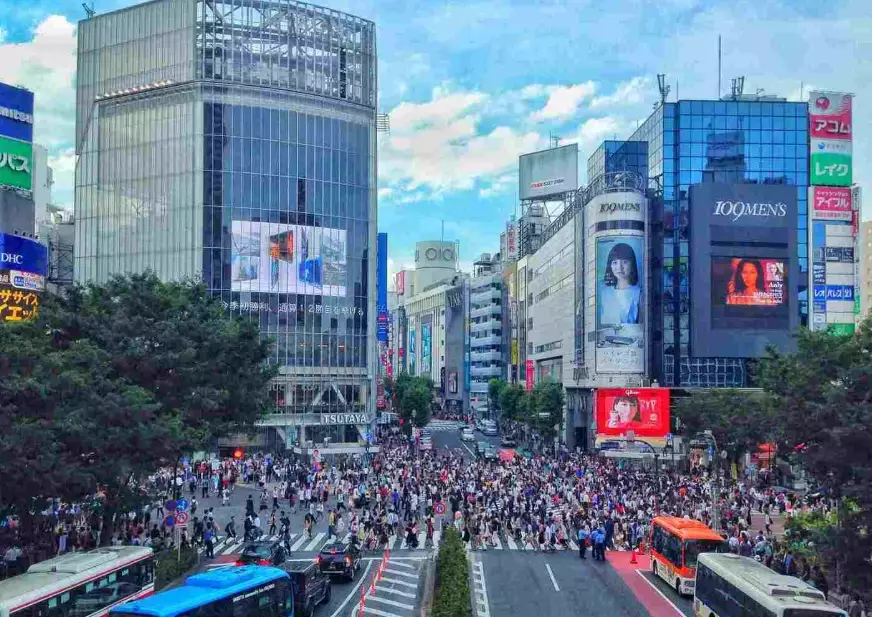
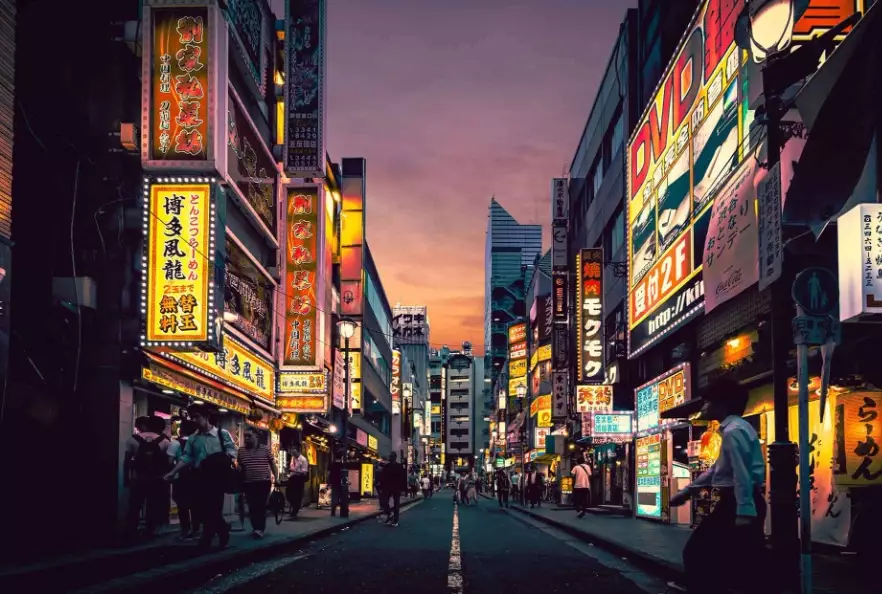
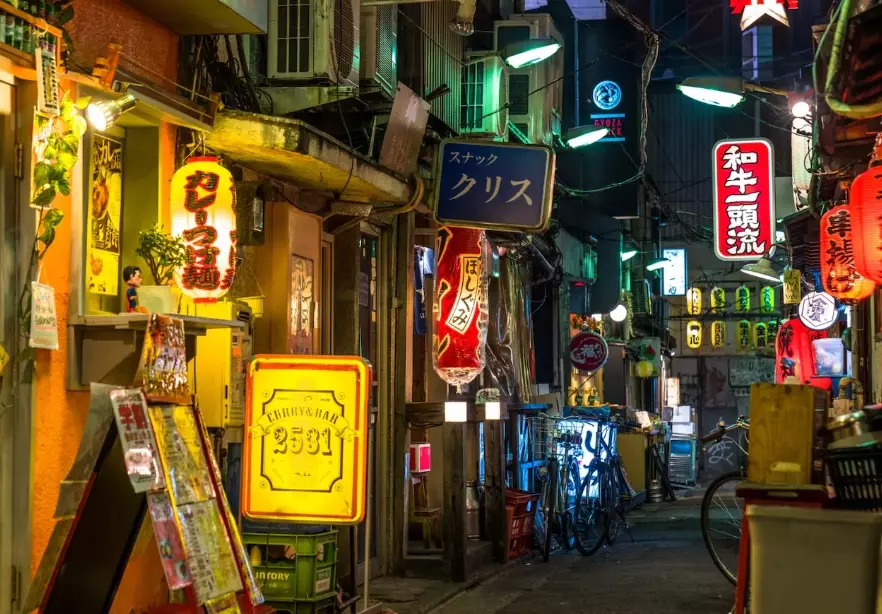
Day 2: The Modern Icons. Start at the **Meiji Jingu Shrine** in Harajuku (free entry). The forested path is a stunning contrast to the city. Exit into Takeshita Street for people-watching (again, look, don't shop). Walk to **Shibuya Crossing** and experience the scramble. For a free, iconic view, go to the rooftop of the **Shibuya Scramble Square** building (the "Sky Garden" is often free, but check current policies). In the afternoon, head to **Shinjuku**. Wander through the chaotic but fascinating alleys of Omoide Yokocho or Golden Gai (having one drink in a tiny bar is an experience, but it can be pricey—so just one!).
A word on the famous Robot Restaurant: It’s often cited as a “must-do”. I found it incredibly overpriced, loud, and cheesy in a not-so-charming way. The ticket price could fund two days of amazing meals. I’d skip it and put that money towards a good meal in a local izakaya instead.
Day 3: Tokyo's Quirky & Free Sides
Visit the **Tsukiji Outer Market** early for breakfast. Sample fresh seafood sticks, tamagoyaki (sweet omelet), and other snacks. It's a feast for the senses and you can eat very well for 1500-2000 yen. Then, take the Yurikamome line across the **Rainbow Bridge** to Odaiba (the ride itself is a cool experience). In Odaiba, you can see the giant Gundam statue, walk along the waterfront, and even visit the teamLab Borderless digital art museum (this is a splurge, but often considered worth it—book tickets online in advance!).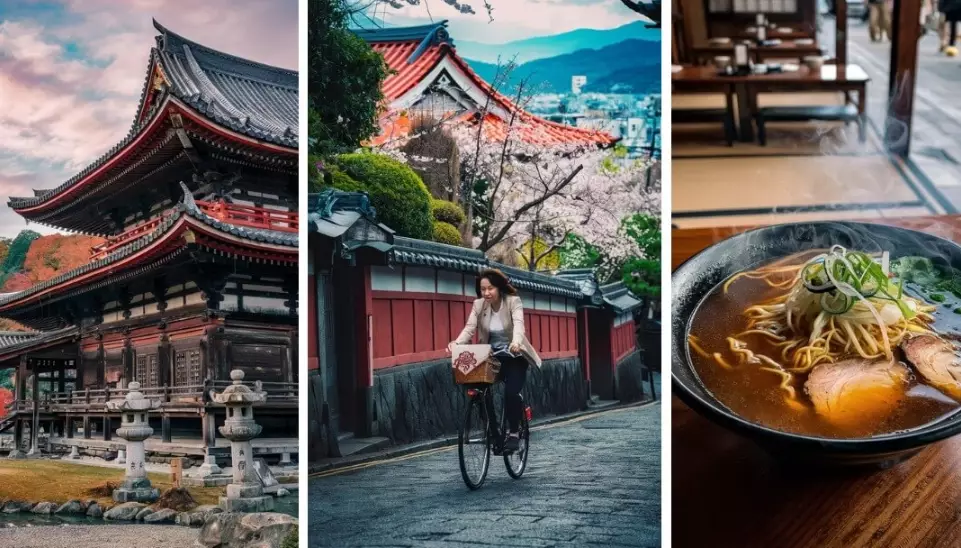
Alternatively, for a completely free day: Explore **Ueno Park** (visit the free temples and people-watch), then walk to **Ameya yold, etc. It's a vibrant, bustling area that feels very different from glitzy Ginza.
Day 4: Tokyo to Hakone – The Scenic Shift
Check out of your Tokyo hotel. This is where your transport planning pays off. The most cost-effective way to do Hakone is with the **Hakone Free Pass**. It covers round-trip travel from Shinjuku (on the Odakyu Romancecar, which is a direct, comfortable train) and unlimited use of virtually all transport in Hakone: trains, buses, the famous pirate ship on Lake Ashi, and the cable cars.
You can buy this pass at Odakyu Railway counters. The official Odakyu Railway website has the latest prices and details. It seems like a big upfront cost, but it saves you a ton versus buying individual tickets for each leg of the Hakone loop.
Where to Stay in Hakone on a Budget: Traditional ryokans with private onsens are expensive. For a budget traveler, look for:
- Guesthouses/Minshuku: Family-run lodgings, often with shared bathrooms but including dinner and breakfast. A fantastic cultural experience.
- Budget Ryokans: Some older ryokans offer rooms without private facilities at lower prices.
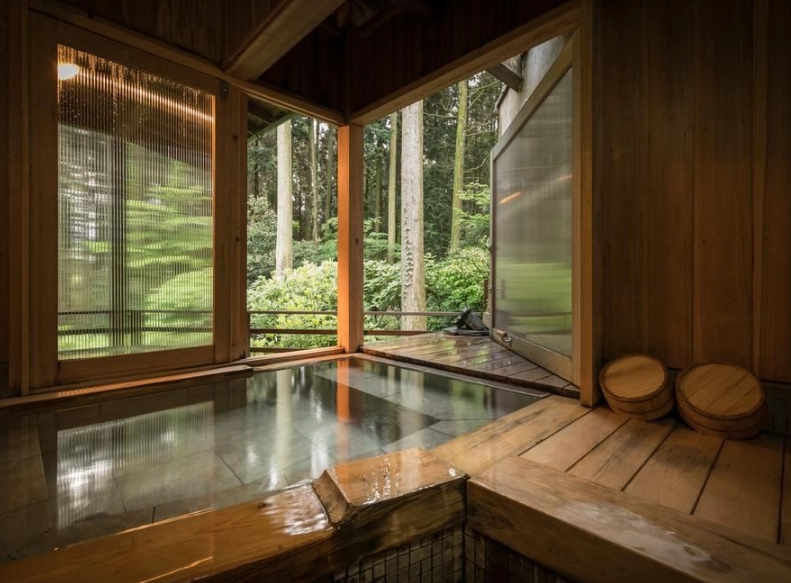
- Hostels: Hakone has some excellent, clean hostels that often have a communal onsens (bath). This is a great way to try the onsen experience.
Upon arrival, settle in, then start the famous **Hakone Round Course**. Take the cable car up to **Owakudani**, where you can see sulfuric vents and try the famous black eggs (which are said to add seven years to your life!). Then, take the cable car down to the lake, board the pirate ship for a cruise, and finally take a bus back to your accommodation.
Day 5: Explore Hakone & Return to Tokyo
Use the morning to visit anything you missed, like the **Hakone Open-Air Museum** (an art splurge, but a beautiful one) or simply relax in a public foot onsen. Check out of your lodging by 10 AM (standard in Japan) and store your bags at the station.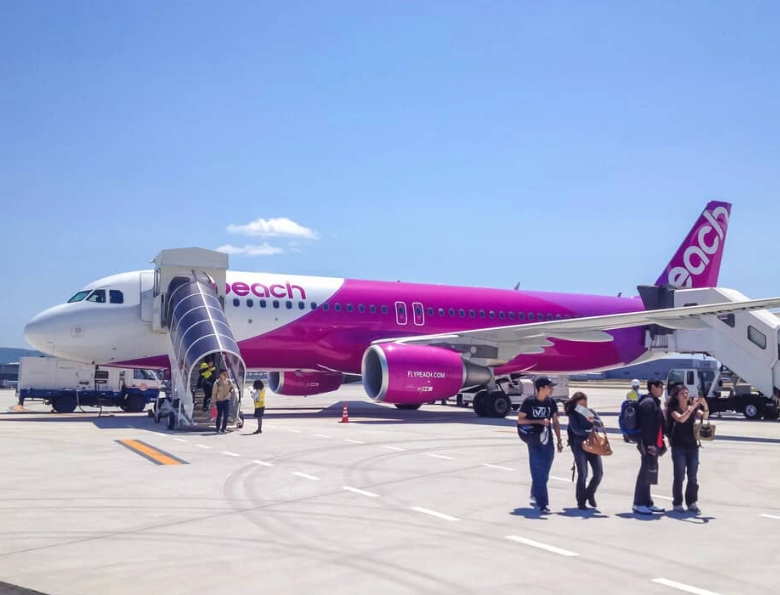
In the late afternoon, take the Odakyu train back to Tokyo. Check into a new hotel, perhaps in a different district like Ikebukuro or Ginza for a change of pace, or return to your original area if you left luggage there.
Day 6: A Deeper Tokyo Dive or Day Trip
You have options here based on your energy and interests.
Option A: Nikko Day Trip. If you bought a Japan Rail Pass (we'll discuss if you should later), a day trip to Nikko's stunning Tosho-gu Shrine and beautiful natural scenery is possible. It's a long day, but breathtaking.
Option B: Kamakura Day Trip. Closer, cheaper, and packed with history and giant Buddha statues. The Enoden train line along the coast is charming.
Option C: Tokyo Neighborhoods. Explore **Akihabara** for electronics and anime (even if you're not a fan, it's a spectacle). Visit **Koishikawa Korakuen**, one of Tokyo's oldest and most beautiful gardens (small fee). Go to **Shimokitazawa** for thrift shopping and a bohemian vibe.
Day 7: Last-Minute Souvenirs & Departure
Do any last-minute shopping. For souvenirs, skip the airport and tourist traps. Go to a **Don Quijote** (Donki) discount store—it's chaotic, overwhelming, and perfect for picking up kitschy and genuine Japanese snacks, cosmetics, and goods at good prices. **100-yen shops** like Daiso or Seria are also fantastic for quality, cheap souvenirs.
Have a final, memorable meal. Then, head to the airport with plenty of time (Narita especially requires a long train ride).
The Heart of the Matter: Your Japan Travel Budget for 1 Week
Let's talk numbers. This is the part everyone worries about. I'll break it down into a realistic, daily average. Remember, these are estimates for a budget-conscious traveler, not a shoestring backpacker eating only cup noodles.
| Category | Budget Tier (Per Person, Per Day) | Notes & Tips |
|---|---|---|
| Accommodation | ¥4,000 - ¥8,000 | Hostel dorms, capsule hotels, budget business hotels. Book early for the best prices. Location matters for saving on transport. |
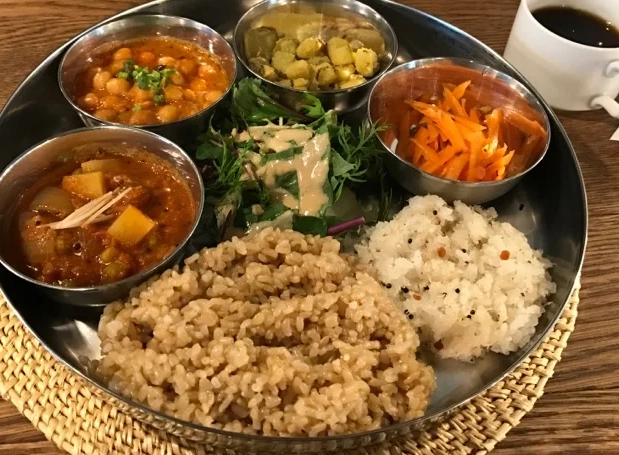
| Food & Drink | ¥3,000 - ¥5,000 | You can eat VERY well here. Convenience store breakfast, ramen/gyudon for lunch, casual dinner. Includes some drinks. |
| Local Transport | ¥1,000 - ¥1,500 | Using a prepaid IC card (Suica/Pasmo) and walking. Day passes (like Tokyo Subway Ticket) can reduce this. |
| Sights & Activities | ¥500 - ¥2,000 | Many temples, shrines, and parks are free. Budget for 1-2 paid attractions per day. |
| Miscellaneous | ¥500 - ¥1,000 | Souvenirs, drinks, snacks, locker rentals. |
| Daily Total (Approx.) | ¥9,000 - ¥17,500 | This is your core daily spending money. |
Now, for the Japan on a budget 1 week grand total, you need to add the big upfront costs:
- Hakone Free Pass (2-day): ~¥6,100 from Shinjuku.
- Japan Rail Pass (7-day?): This is a critical decision. For THIS specific Tokyo-Hakone itinerary, a nationwide JR Pass is not worth it. The break-even point is roughly one round-trip between Tokyo and Kyoto. Since you're not doing that, you'll lose money. Skip the nationwide JR Pass. Instead, use a Suica card and buy the Hakone Pass separately.
- Airport Transfer: ¥1,000 - ¥3,000 depending on airport and method (bus vs. train).
Realistic Total Budget for 1 Week: A comfortable, enjoyable Japan travel budget for 1 week, excluding international flights, falls between **¥80,000 to ¥130,000 per person** (roughly $500-$850 USD, depending on the exchange rate). On the lower end, you're in hostels and being frugal. On the higher end, you're in private rooms and not stressing over every meal cost.
Pro Tips to Stretch Your Yen Further
Transport Hacks
- Walk. Tokyo's neighborhoods are best explored on foot. You'll discover hidden gems between subway stations.
- Get a Pasmo/Suica IC card immediately. It's a rechargeable tap card for trains and buses. It saves time and sometimes gives tiny discounts versus paper tickets.
- Consider the Tokyo Subway Ticket (24/48/72-hour passes for tourists). If your day involves a lot of subway hopping (Tokyo Metro and Toei lines only), it can pay for itself. Do the math based on your plans.
- Night buses can be a cheap alternative to trains for long-distance travel, but for a 1-week trip, they eat up too much precious time. I don't recommend them for this short a timeframe.
Food & Drink Savings
- Convenience stores (7-Eleven, FamilyMart, Lawson) are your best friends. Their prepared food is fresh, delicious, and cheap. Perfect for breakfast, snacks, and even light meals.
- Look for lunch teishoku (set meals). Many restaurants offer incredible lunch deals that are significantly cheaper than dinner.
- Standing bars (tachinomi) and standing ramen/sushi shops are cheaper than sit-down places.
- Supermarkets discount prepared food (bento boxes, sushi, salads) heavily in the evening (around 7-8 PM). This is a great way to get a high-quality, cheap dinner.
Free & Cheap Attractions
Japan is full of them. Temples and shrines often have free grounds (some charge for inner gardens or specific halls). People-watching in districts like Harajuku, Shibuya, and Akihabara is a free activity. Many museums have free admission days—check the Japan National Tourism Organization website for current lists and events.
Frequently Asked Questions (FAQs)
Final Thoughts Before You Go
Planning a Japan on a budget 1 week trip requires a bit more homework than some destinations, but the payoff is immense. You learn to travel intentionally, seeking out value and authentic experiences over luxury and convenience. The skills you pick up—navigating complex transit systems, deciphering menus, finding beauty in simple things—stay with you long after the trip is over.
The real luxury in Japan isn't always the most expensive thing; it's often the most perfectly executed simple thing. A bowl of ramen, the tranquility of a shrine garden, the efficiency of a train system. That's what your budget will unlock.
So, book that flight, do your research, and get ready. Your affordable Japanese adventure is not just a fantasy—it's a very achievable, incredible reality waiting for you.
Share Your Thoughts