Quick Guide
Let's cut to the chase. You're staring at a calendar, flights are staring back at you, and the big question looms: how many days are enough for Tokyo? It's the puzzle every first-time (and even repeat) visitor to Japan tries to solve. The short, unsatisfying answer is "it depends." But you didn't come here for that. You want a real, actionable answer you can build a trip around.
I've been there, trying to cram everything into a long weekend and leaving exhausted, and I've also taken my sweet time, discovering hidden bars in Golden Gai and quiet gardens most tourists miss. The difference was night and day. So, based on messing it up and getting it right, let's break this down without the fluff.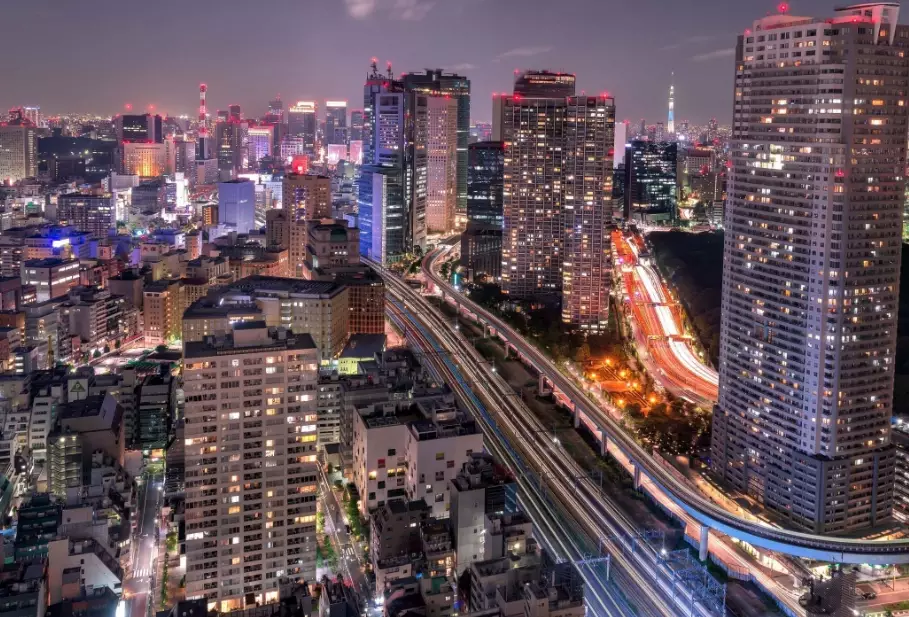
The Quick Answer: For most travelers aiming to see the iconic sights without a complete meltdown, 5 full days is the sweet spot. It allows you to cover the major districts at a human pace, have a day trip, and even get a little lost (which is often the best part). But let's get into the why and the how.
Breaking Down the Tokyo Trip: From Whirlwind to Deep Dive
Your ideal number of days hinges entirely on your travel style, interests, and stamina. Tokyo isn't a museum you walk through; it's a living, breathing, sprawling mega-city where the journey between neighborhoods is part of the experience.
The 3-Day Blitz (The Taste Tester)
Can you "do" Tokyo in 3 days? Technically, yes. Should you? Only if you have no other choice—like a long layover or a packed multi-city Japan itinerary. This is a sprint, not a vacation.
You'll be prioritizing the absolute top-tier, iconic spots. Think: Senso-ji Temple in Asakusa in the morning, the scramble crossing and shopping in Shibuya in the afternoon. Next day, Tsukiji Outer Market for breakfast, teamLab Planets or Borderless (check which is currently open), and Shinjuku's Metropolitan Government Building for a free skyline view at night. The third day might be a half-day in Harajuku (Takeshita Street and Meiji Shrine) before you head to the airport.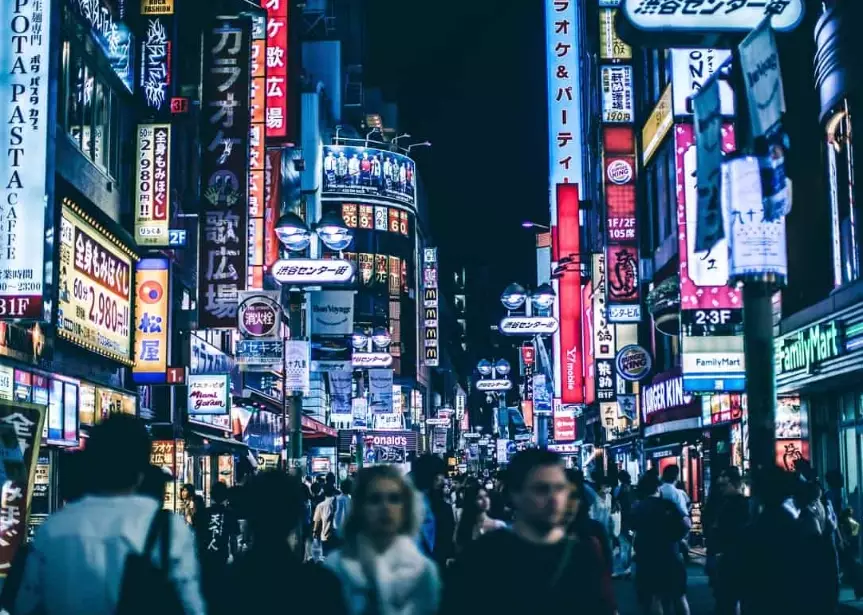
The Reality Check: A 3-day Tokyo itinerary is exhausting. You'll be constantly on the subway, you'll likely have to skip meals or eat conbini (convenience store) food on the go (which is delicious, to be fair), and you'll only scratch the surface. You'll see Tokyo, but you won't *feel* it. If this is your only option, focus on two adjacent districts per day to minimize transit hell.
The 5-Day Standard (The Balanced Explorer)
This is where the trip starts to feel good. Five days answers the question "how many days are enough for Tokyo?" for probably 70% of visitors. It provides breathing room.
You cover the classics—Shibuya, Shinjuku, Asakusa, maybe Ginza—but you can actually spend a proper afternoon in one place. You can queue for that famous ramen shop. You can spend two hours in a tiny record store in Shimokitazawa, a neighborhood most 3-day itineraries never mention. You can have a night where you just wander the izakaya alleys of Omoide Yokocho without a checklist.
Critically, a 5-day schedule allows for one major day trip. This is a game-changer. Kamakura for the giant Buddha and temple hikes, or Nikko for stunning world heritage shrines and nature, become possible. Alternatively, you could spend a full day at Tokyo DisneySea, which is arguably the best Disney park in the world.
You leave feeling like you had a substantial experience, not just a photo tour.
The 7+ Day Immersion (The Deep Diver)
A week or more? Now you're living, not just visiting. This length is perfect for foodies, pop culture fanatics, or those who just hate feeling rushed.
Beyond the must-sees, you can explore Tokyo's incredible diversity. Spend a day in the old-fashioned shitamachi (downtown) area of Yanaka, visit the Ghibli Museum (tickets secured well in advance, of course), take a sushi-making class, see a sumo practice (if in season), or take *two* day trips. You could do both Kamakura and Hakone (for onsens and Fuji views).
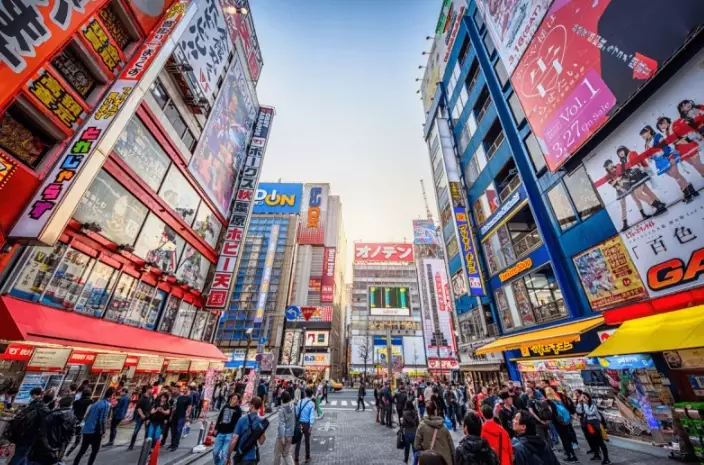
My Personal Take: On my last 10-day trip, some of my best memories were from the "empty" days I didn't plan. Getting lost in the massive electronics wonderland of Akihabara, finding a standing sake bar in a non-touristy area, and just sitting in Yoyogi Park people-watching. These moments are impossible on a tight schedule.
You also get to experience neighborhood rhythms. You find your favorite coffee shop, the stationmaster you nod to every morning. Tokyo starts to make sense as a city, not just a tourist destination. If you have the time, I can't recommend this enough.
What Really Determines How Many Days You Need?
Let's move beyond the calendar and look at the personal factors. Asking "how many days are enough for Tokyo?" is like asking how long a piece of string is. Here’s what actually defines that length.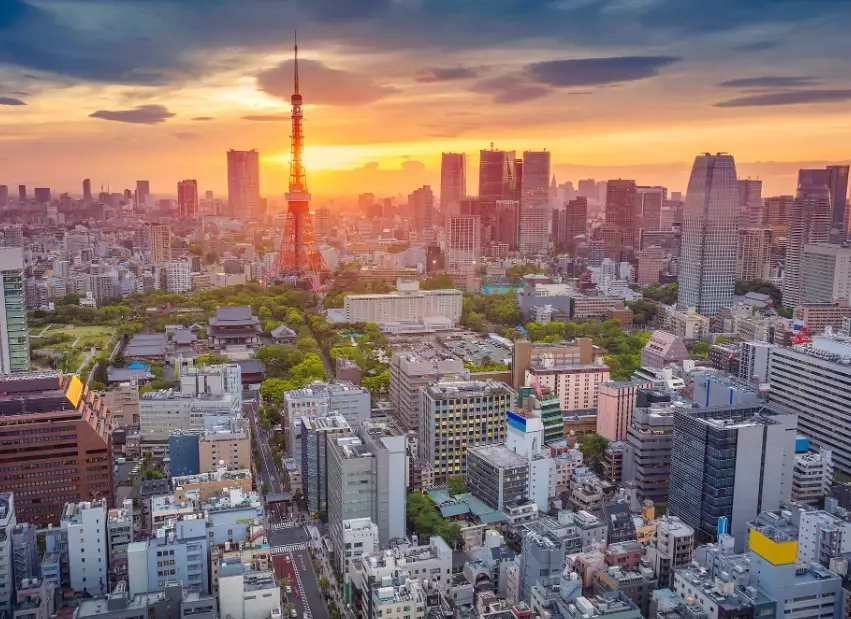
Your Travel Personality & Interests
Are you a checklist warrior or a meandering flaneur? A temple enthusiast or a shopping devotee? Be honest.
- The Shopper & Pop Culture Fan (Harajuku, Shibuya, Akihabara): You could easily spend 3 days just in these districts. Factor in more time for hunting vintage clothes, anime goods, and tech.
- The History & Culture Buff (Asakusa, Ueno, Imperial Palace): The major sites can be covered in 2-3 dedicated days, but museums like the Tokyo National Museum in Ueno can swallow a whole day themselves.
- The Foodie (Everywhere, but especially Tsukiji, Ginza, backstreets): You need time for reservations, queues, and food-centric explorations like a ramen tour in Shinjuku's Ramen Alley. Add extra days purely for eating.
- The Day Tripper: If exploring beyond Tokyo is a priority, each day trip requires a full day. Simply add your desired number of day trips to a 4-5 day Tokyo base.
Your Pace and Energy Levels
Tokyo is intense. The sensory overload is real—the lights, the crowds, the constant movement. Some people thrive on it; others need downtime.
I learned this the hard way.
My first trip was a 4-day marathon. By day 3, I was so overwhelmed I spent half a day hiding in my hotel room, which felt like a waste. Now, I deliberately schedule a slow morning or a casual afternoon in a park every couple of days. It makes the busy times more enjoyable. If you know you need breaks, add at least one buffer day to any itinerary you're considering.
Your Budget
More days, obviously, mean more money. But Tokyo has a fantastic range of accommodations. A longer trip might let you stay in a more affordable area slightly further out, as you won't be rushing to be in the center every single minute. Conversely, a short trip almost demands a central location to save time, which can be pricier.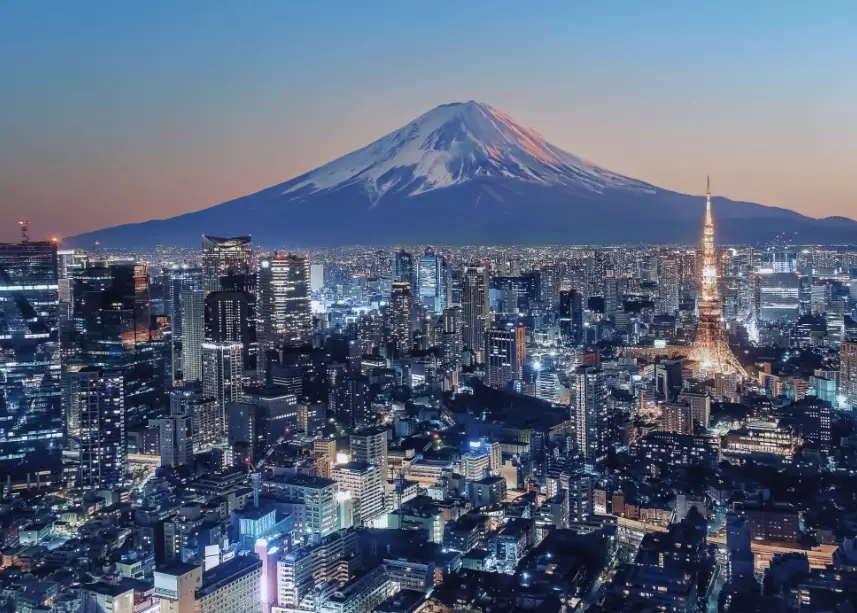
Sample Itinerary Breakdown: From 4 to 7 Days
Let's get practical. Here’s a look at what you can realistically achieve with different time frames. These aren't rigid schedules, but frameworks.
| Trip Length | Core Focus | Sample Day Breakdown | Best For... |
|---|---|---|---|
| 4 Days | Tokyo Essentials | Day 1: Shinjuku (gov't bldg, park, nightlife). Day 2: Shibuya/Harajuku (scramble, Meiji Shrine, shopping). Day 3: Asakusa/Ueno (Senso-ji, market, museums). Day 4: Tsukiji & Odaiba or Akihabara. | Travelers combining Tokyo with Kyoto/Osaka; those with limited time. |
| 5 Days | Balanced + 1 Day Trip | Days 1-3: As above, but slower. Day 4: Full day trip to Kamakura or Nikko. Day 5: Ginza/Roppongi (art, upscale vibe) or your missed favorites. | First-time visitors wanting a comprehensive feel. |
| 7 Days | Deep Dive + 2 Day Trips | Days 1-4: Explore Tokyo's core and offbeat neighborhoods (Shimokitazawa, Daikanyama). Day 5: Day trip to Hakone. Day 6: Day trip to Kamakura. Day 7: Final shopping, specific museums (Ghibli, teamLab), or relaxation. | Those with a full week for Kanto region; repeat visitors; slow travelers. |
A note on day trips: Don't underestimate how good they are. Kamakura feels like a different world from Tokyo—it's all temples and beaches and a slower pace. It's a fantastic way to break up the urban intensity and see more of Japan. The Japan National Tourism Organization (JNTO) website has excellent official guides for these nearby destinations.
The Seasonal Factor: When You Go Matters
Your trip duration can feel different based on the season. Crowds and weather significantly impact your daily pace.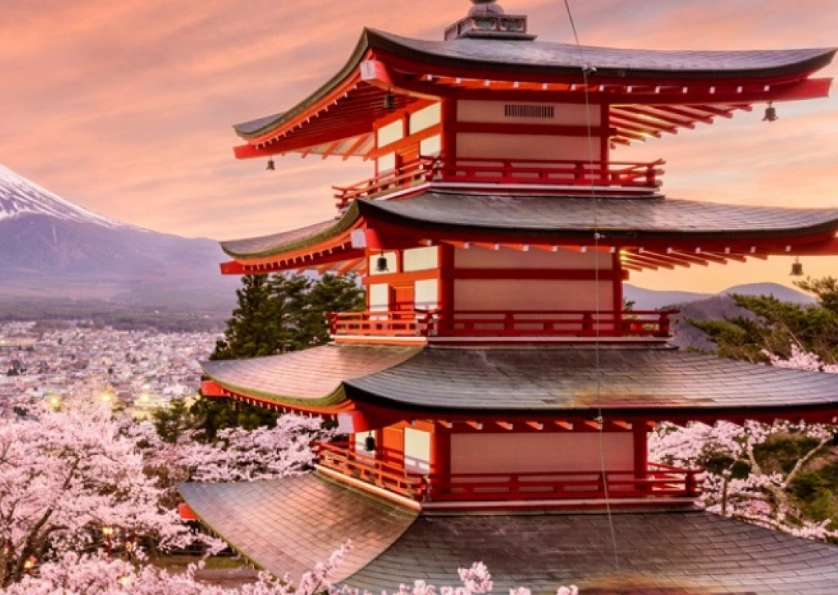
- Spring (March-May): Cherry blossom season (late March-early April) is magical but incredibly crowded and expensive. Everything takes longer—getting into parks, restaurants, trains. If you're visiting during sakura, add an extra day just for patience. The weather is perfect otherwise.
- Summer (June-August): Hot and humid, with a rainy season in June/July. You'll move slower, seek air conditioning, and might need afternoon breaks. A longer trip helps avoid heat exhaustion.
- Autumn (September-November): Similar to spring with pleasant weather and beautiful fall colors (November). Crowds are high but usually less frantic than cherry blossom season. Ideal for any itinerary length.
- Winter (December-February): Cold but sunny, with fewer tourists (except around New Year). It's a great time for museum days, onsens, and holiday illuminations. You can cover ground quickly, so a shorter trip might feel more productive.
For the most current weather forecasts and seasonal event information, checking the Japan Meteorological Agency site is a smart move before you finalize your packing.
Answers to Your Burning Questions (FAQs)
Let's tackle the specific stuff that keeps you up at night when planning.
Is Tokyo worth visiting if I only have 2 days?
For a standalone trip from far away, no, it's not worth the long flight for just 48 hours. The jet lag alone will eat one day. However, for a stopover on the way to elsewhere in Asia, absolutely! Focus on one or two districts you're most excited about. A 2-day Tokyo blitz is a fantastic bonus, not a main event.
How should I split my time between Tokyo and Kyoto?
The classic first-timer split is 5 days Tokyo, 4 days Kyoto (with day trips to Nara/Osaka). This gives you a taste of both modern and traditional Japan. If you prefer cities, lean towards Tokyo. If you love history and temples, lean towards Kyoto. Don't try to do both in a week—you'll spend too much time on the Shinkansen.
What's the biggest mistake people make when planning their Tokyo days?
Over-scheduling. People see a list of 20 "must-see" attractions and try to hit them all. Tokyo's charm is in the details—the quiet alley, the perfect bowl of noodles, the weird vending machine find. Schedule 2-3 key things per day and let the spaces in between fill themselves. Trust me on this.
Is a Japan Rail Pass worth it for just Tokyo?
Almost never. The JR Pass is for long-distance Shinkansen travel. For getting around Tokyo, you'll want a rechargeable IC card like Suica or Pasmo. They work on almost all trains, subways, and buses in the city, and you can even use them to buy drinks from vending machines. It's the ultimate convenience. You can learn about the latest transportation options from the official Tokyo Metro website.
Should I dedicate a full day to Tokyo Disney?
If you like Disney at all, yes. Tokyo DisneySea is unique in the world and is consistently rated as one of the best theme parks on the planet. It deserves a full day. Treat it as a major day trip. Just buy your tickets online well in advance—they can sell out.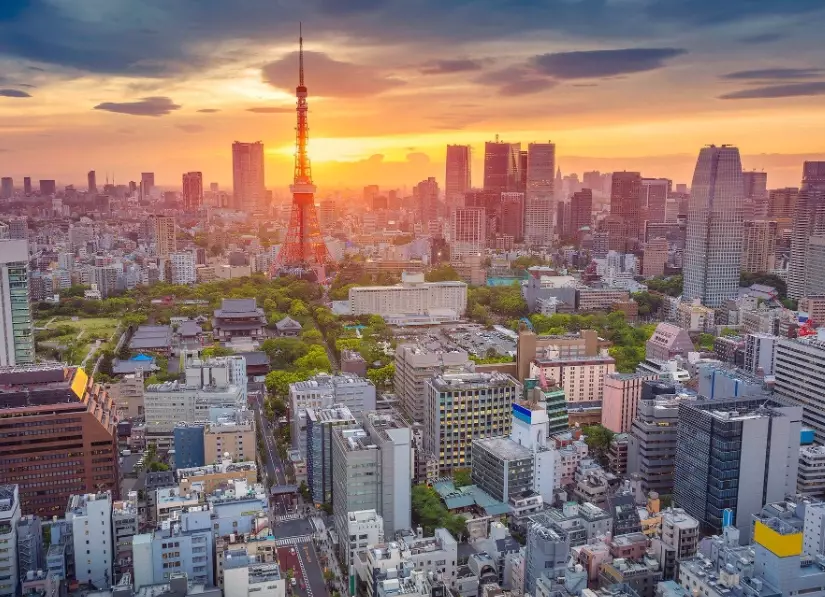
Final Verdict: Making Your Decision
So, after all this, how many days are enough for Tokyo?
If you're pinning me down for a single recommendation for a first-time visitor: aim for 5 to 7 full days on the ground.
With 5 days, you'll leave satisfied, having seen the highlights and gotten a real taste. With 7 days, you'll leave feeling like you truly explored, with room for serendipity and deeper discoveries. Anything less than 4 full days will feel like a frantic highlight reel. Anything more than 7 is a luxury that lets you see the city transform from a destination into a temporary home.
The Bottom Line: Your time is precious. It's better to see less of Tokyo at a pace where you can actually absorb it, than to see more of it through the window of a speeding train. Choose a duration that lets you put the map away sometimes, get a little lost, and create your own answer to the question of how many days are enough for Tokyo.
Start with your must-dos, be realistic about your energy, and build out from there. And remember, Tokyo isn't going anywhere. It'll be ready for your next visit, with a whole new set of neighborhoods to explore.

Share Your Thoughts