Quick Guide
- Why Japan's Trails Are Different (And What You Need to Know)
- The Crown Jewels: Top Japan Hiking Trails You Can't Miss
- When to Go: Decoding Japan's Hiking Seasons
- The Unwritten Rules: Hiking Culture & Etiquette in Japan
- Gearing Up & Staying Safe: A Realistic Packing List
- Planning Your Trip: Logistics Made Simple(ish)
- Answering Your Burning Questions (FAQ)
Let's be honest. When you think of Japan, hiking might not be the first thing that pops into your head. You probably picture neon cities, serene temples, or steaming bowls of ramen. I get it. I was the same. But after spending months with my boots on the ground, literally, exploring paths from Hokkaido to Kyushu, I can tell you this: Japan is a hiker's secret paradise, waiting to be discovered.
The beauty of hiking in Japan is the sheer variety. One day you're navigating an ancient pilgrimage route under a canopy of towering cedars, feeling the weight of centuries. The next, you're scrambling up a volcanic ridge with views that make your heart skip a beat. And then you finish the day soaking in a natural hot spring, muscles melting, with a perfectly crafted bento box waiting. It's that mix of challenge, culture, and sheer reward that makes it special.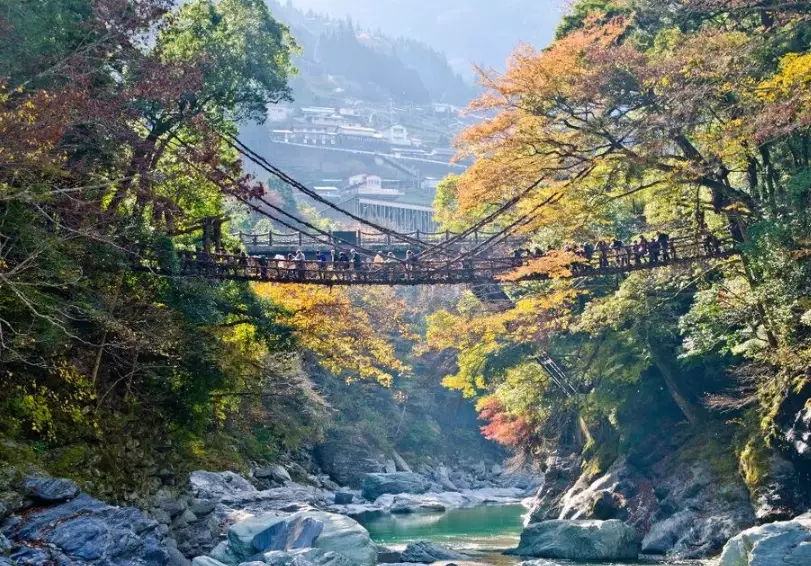
Why Japan's Trails Are Different (And What You Need to Know)
Before we dive into specific paths, let's talk about the vibe. Hiking here feels different from hiking in, say, the Rockies or the Alps. The trails are often engineered with a kind of thoughtful precision. You'll find stone steps on steep sections, rope handrails where needed, and signposts at regular intervals. It's accessible, but don't mistake that for easy. The weather can turn on a dime, and the vertical gain on some routes is no joke.
There's also an unspoken etiquette. You'll notice hikers greeting each other with a quiet "Konnichiwa." The trails are kept spotless—you are expected to carry out ALL your trash. And the concept of "yamabushi" (mountain ascetics) still lingers, reminding you that these mountains have long been considered sacred. It adds a layer of respect to your journey.
I remember once on a trail in the Japan Alps, I got caught in a sudden downpour. Out of nowhere, a fellow hiker, an older Japanese gentleman, offered me a spare plastic rain cover for my backpack. No big fuss, just a simple act of kindness that's common on these paths. It's that spirit that sticks with you.
The Crown Jewels: Top Japan Hiking Trails You Can't Miss
Alright, let's get to the good stuff. Picking the "best" hikes is tough because it depends so much on what you're after—dramatic alpine scenery, deep spiritual vibes, or remote wilderness. But based on my own blisters and awe-struck moments, here are the ones that truly deliver.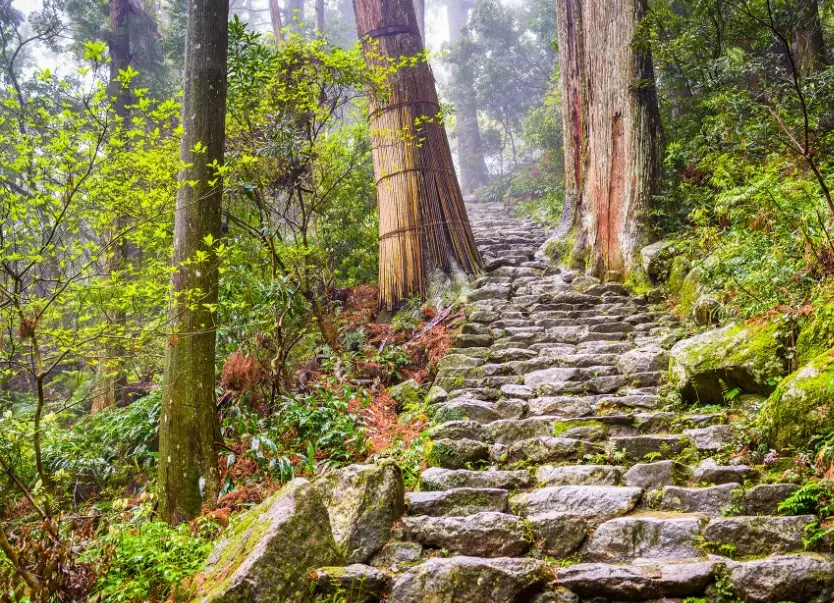
The Iconic: Mount Fuji (Yoshida Trail)
You can't talk about Japan hiking trails without mentioning Fuji-san. It's the poster child. Climbing it is a cultural rite of passage. The Yoshida Trail is the most popular and accessible, starting from the 5th Station.
Best for: Tickling the iconic box, surreal sunrise views.
Not for: Those seeking solitude or an easy stroll.
Key Info: Official climbing season is early July to early September. Outside of this, the trails are officially closed and extremely dangerous due to snow and ice. You need proper layers—it's freezing at the top even in summer. Book mountain huts (yama-goya) way in advance if you plan to stay overnight. The official Japan National Tourism Organization (JNTO) page on Mt. Fuji is an essential starting point for planning.
The Spiritual Journey: Kumano Kodo (Nakahechi Route)
If Fuji is about the summit, the Kumano Kodo is about the journey. This is a network of ancient pilgrimage routes in the Kii Peninsula, designated a UNESCO World Heritage site alongside Spain's Camino de Santiago. Walking the Nakahechi Route, you pass through dense forests, past towering waterfalls, and between grand shrines (Kumano Hongu Taisha, Hayatama Taisha, Nachi Taisha).
The atmosphere is thick with history. You're walking the same path emperors and samurai walked a thousand years ago. The physical demand is moderate, but the emotional and cultural payoff is immense. Staying in family-run guesthouses (minshuku) along the way is a huge part of the experience.
Best for: Cultural immersion, history buffs, forest bathing.
Not for: Hikers seeking only dramatic mountain panoramas.
Key Info: Can be hiked year-round, but spring (azaleas) and autumn (colors) are magical. The Tanabe City Kumano Tourism Bureau website is the absolute bible for maps, bus schedules, and lodging bookings. Don't wing this one.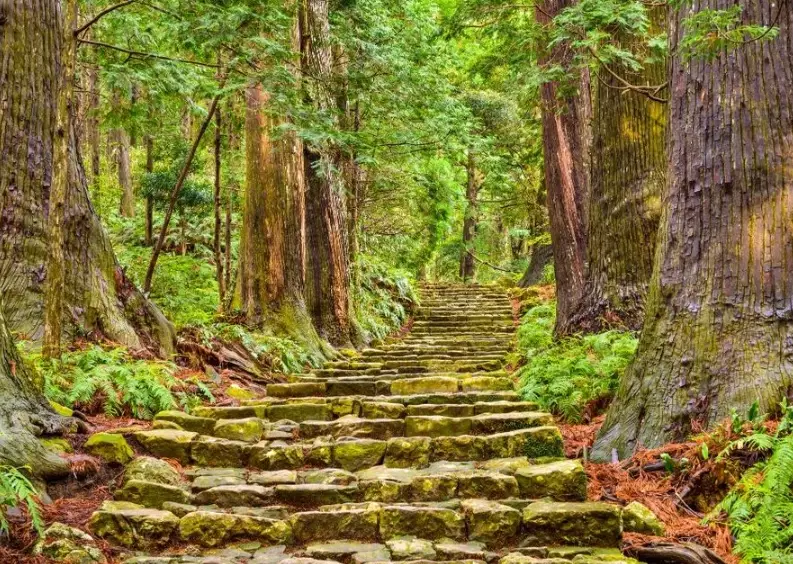
The Alpine Playground: Kamikochi & The Japanese Alps
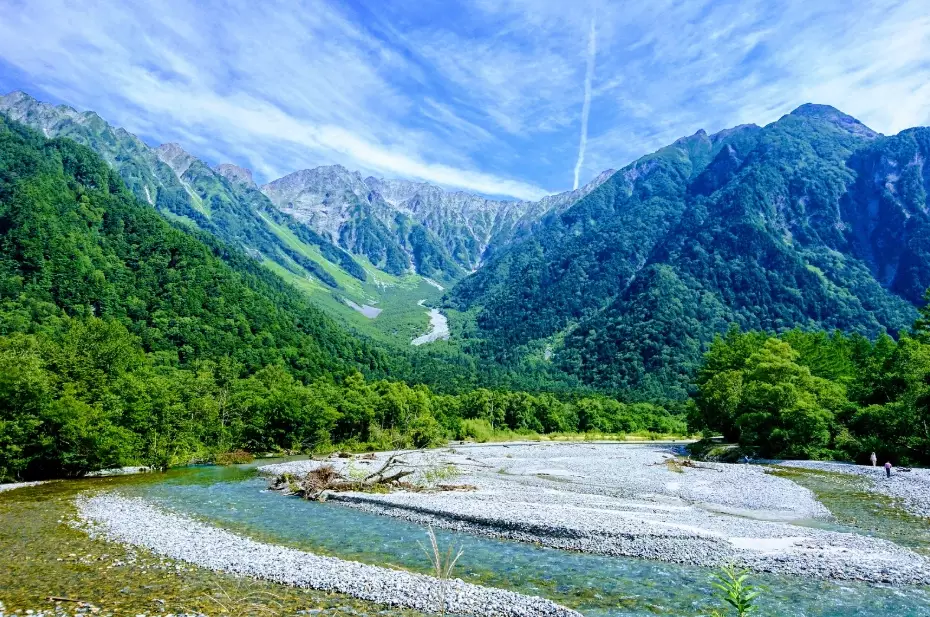
This is my personal favorite area for serious hiking. Kamikochi itself is a stunning highland river valley, more of a scenic walk. But it's the gateway to the wild, rugged peaks of the Northern Alps. Trails like the hike up to the summit of Yarigatake ("The Matterhorn of Japan") or the epic multi-day trek across the Daikiretto are world-class.
The scenery is pure drama: jagged granite peaks, emerald green cirque lakes, and vast alpine meadows. The hiking season is short (late June to early October), and the weather is notoriously fickle. You need to be self-sufficient and prepared for all conditions.
Best for: Experienced hikers craving alpine challenges, breathtaking scenery.
Not for: Beginners or those with limited time.
Key Info: Mountain huts (hoya) are plentiful but basic. Book early. A Japan Meteorological Agency (JMA) weather forecast is your best friend here—check it religiously.
The Volcanic Wonderland: Mount Aso (Kusasenri & Naka-dake Crater)
For something completely different, head to Kyushu. Mount Aso is one of the world's largest active volcanoes. Hiking here feels like visiting another planet. You can walk across the vast grassy plain of Kusasenri and then peer into the steaming, sulfurous cauldron of the Naka-dake crater.
The accessibility is amazing—you can get a taste of this dramatic landscape on relatively short walks. Just be prepared for the distinct smell of rotten eggs (volcanic gases) and for trails to be closed if volcanic activity is high. Always check the official Aso Volcano Disaster Prevention Council site for current alerts before you go.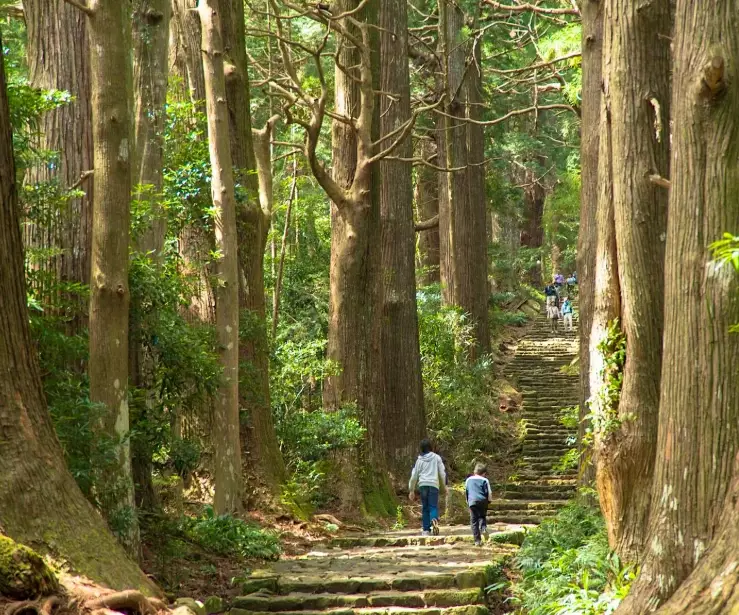
Best for: Unique geological landscapes, shorter accessible hikes.
Not for: Those sensitive to strong sulfur smells or looking for forested paths.
Key Info: Volcanic gas levels dictate access. The crater area is often off-limits, so have a flexible backup plan.
| Trail Name | Region | Best For | Difficulty | Best Season |
|---|---|---|---|---|
| Mount Fuji (Yoshida) | Chubu | Iconic summit, sunrise views | Strenuous | Jul-Sep (Official Season) |
| Kumano Kodo (Nakahechi) | Kansai | Cultural pilgrimage, forests | Moderate | Spring & Autumn |
| Kamikochi to Yarigatake | Japanese Alps | Alpine scenery, challenge | Very Strenuous | Late Jun - Early Oct |
| Mount Aso Crater Rim | Kyushu | Volcanic landscapes | Easy-Moderate | Spring-Autumn (check alerts) |
| Nakasendo Way (Magome-Tsumago) | Chubu | Historic post towns, easy walk | Easy | Year-round |
| Daisetsuzan National Park | Hokkaido | Wilderness, alpine flowers | Moderate-Strenuous | Jul-Sep (short summer) |
When to Go: Decoding Japan's Hiking Seasons
Timing is everything. Japan has four distinct seasons, and they dramatically change the hiking experience.
- Spring (March-May): Lovely, but can be muddy from melting snow (March-April). May is fantastic—fresh greenery, comfortable temps, and fewer bugs than summer. The famous "Golden Week" holidays (late Apr/early May) are a nightmare for crowding—avoid them like the plague.
- Summer (June-August): This is alpine season. High mountain trails in the Japan Alps and Hokkaido finally open. But it's also hot, humid, and rainy, especially in July. The rainy season (tsuyu) in June/early July can be a real slog. Fuji season is summer. Mosquitoes are vicious in forested lowlands.
- Autumn (September-November): My top pick. The humidity drops, skies clear, and the autumn colors (koyo) are spectacular, especially in the mountains. September can still have typhoons, but October and November are prime hiking months for most of the country.
- Winter (December-February): For most mountain trails in Japan, this means serious mountaineering with crampons and ice axes. However, lowland and coastal walks (like parts of the Kumano Kodo or the Nakasendo) can be beautiful, crisp, and crowd-free. Just be prepared for cold and shorter days.
The Unwritten Rules: Hiking Culture & Etiquette in Japan
This stuff matters. Following local customs isn't just polite; it helps you blend in and have a smoother trip.
- Pack It In, Pack It Out. Seriously. You will rarely find trash cans on trails. Bring a small bag for your wrappers, tissues, everything. Seeing a pristine trail littered with a foreign hiker's energy bar wrapper is a real downer.
- The Greeting. A simple nod and quiet "Konnichiwa" (Good day) to passing hikers is standard practice. It's a nice connection.
- Onsen After Hiking. This is non-negotiable bliss. But know the rules: wash thoroughly at the shower stations before entering the bath, no towels in the water, and (usually) no tattoos. Some modern or rural onsens are more relaxed about tattoos, but don't assume.
- Noise. Keep voices down. Blasting music from a speaker is considered incredibly rude. The soundscape is part of the experience—the wind, the birds, the silence.
- Trail Rights-of-Way. On narrow paths, uphill hikers generally have the right of way. Step aside carefully to let them pass.
Gearing Up & Staying Safe: A Realistic Packing List
You don't need the latest high-tech gear, but you do need the right gear. Japan's mountains demand respect.
Phone service can be spotty in the mountains. Consider downloading offline maps (Google Maps allows this) or using a dedicated hiking app like Yamap or YAMAREKO. A small power bank is a lifesaver.
For multi-day hut hikes, you'll need a sleeping bag liner (huts provide blankets), earplugs (huts are communal and can be noisy), and cash (most huts don't take cards).
Planning Your Trip: Logistics Made Simple(ish)
Figuring out transport and permits is easier than you think.
Getting to the Trailheads
Japan's public transport is legendary. You can reach most major trailheads by train and bus. A Japan Rail Pass can be great value if you're doing lots of long-distance travel, but calculate carefully—sometimes regional passes or highway buses are cheaper. Websites like Hyperdia (for trains) and local bus company sites are key for planning connections. Always build in buffer time—buses to remote trailheads can be infrequent.
Do I Need Permits?
For most day hikes and standard Japan mountain trails, no. But there are exceptions. Some popular areas institute advance booking or entry limits to protect the environment. For example, climbing Mt. Fuji now requires a mandatory donation (which acts like a fee) during the season, and some huts require reservations that effectively control numbers. The Shin-Hotaka Ropeway area or certain trails in Kamikochi might have quotas. Always check the official website for your specific destination in the months leading up to your trip. This is becoming more common.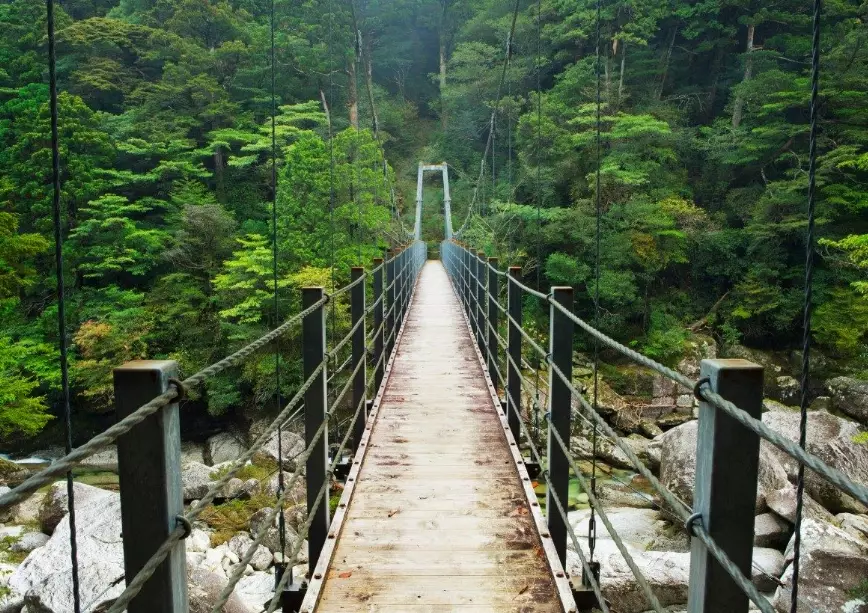
Answering Your Burning Questions (FAQ)
Let's tackle some of the specific questions I had (and you probably have too).
Are Japan's hiking trails well-marked?
Generally, yes, especially on major routes. Signposts are in Japanese and often English. Trail junctions usually have maps. However, on more remote or advanced alpine routes, markings can be minimal (just paint marks on rocks). Never rely on markings alone—always carry a map and know how to read it.
Can I hike alone in Japan?
Yes, many people do, especially on popular trails. Japan is a very safe country. However, the standard safety rules apply doubly for solo hiking: tell someone your plan, know your limits, and be extra cautious in remote areas or bad weather. For challenging alpine routes, a partner is highly recommended.
What about bears?
Yes, Japan has black bears (tsukinowaguma), particularly in Honshu and Hokkaido. Encounters are rare, but you should take precautions. In many areas, it's recommended or required to carry a bear bell (kuma suzu) to make noise as you hike. You can buy them at any outdoor shop near trailheads. Proper food storage is also crucial.
Is water safe to drink from streams?
I would not recommend it without treatment. While many mountain streams look pristine, giardia and other pathogens are present. Use a filter, purification tablets, or boil your water. Many mountain huts have potable water taps where you can refill.
I'm a beginner. Where should I start?
Fantastic! Japan has wonderful entry-level options. The historic Nakasendo Way walk between Magome and Tsumago is a perfect, well-graded half-day walk with amazing scenery and culture. The Hakone area offers various loop hikes with views of Fuji and onsens. The trails around Lake Ashi or in Nikko National Park are also gorgeous and manageable for newer hikers.
Look, planning a hiking trip to Japan might seem daunting with all the logistics and cultural nuances. But trust me, the effort is repaid a thousand times over. The moment you step onto a quiet forest path, the city noise fades away, and you're surrounded by ancient moss-covered stones and the sound of a distant waterfall, you'll know you've found something special. It's more than just a hike; it's a way to connect with the soul of Japan, one step at a time.
So lace up your boots, do your research, and get ready to explore some of the most rewarding hiking trails Japan has to offer. You won't regret it. And maybe I'll see you out there—I'll be the one quietly saying "Konnichiwa" and heading for the nearest onsen.

Share Your Thoughts