Planning a trip to Japan with mobility challenges isn't just possible; it can be incredibly fulfilling. The country has made significant strides in accessibility, but it operates on its own logic. This guide cuts through the generic advice. I've spent years navigating Japan with family members who use wheelchairs, and I'm here to share the on-the-ground details most blogs miss. Forget the glossy overviews. Let's talk about the width of specific train station gates, which historic sites have modern elevators tucked behind the scenes, and how to actually book the right room.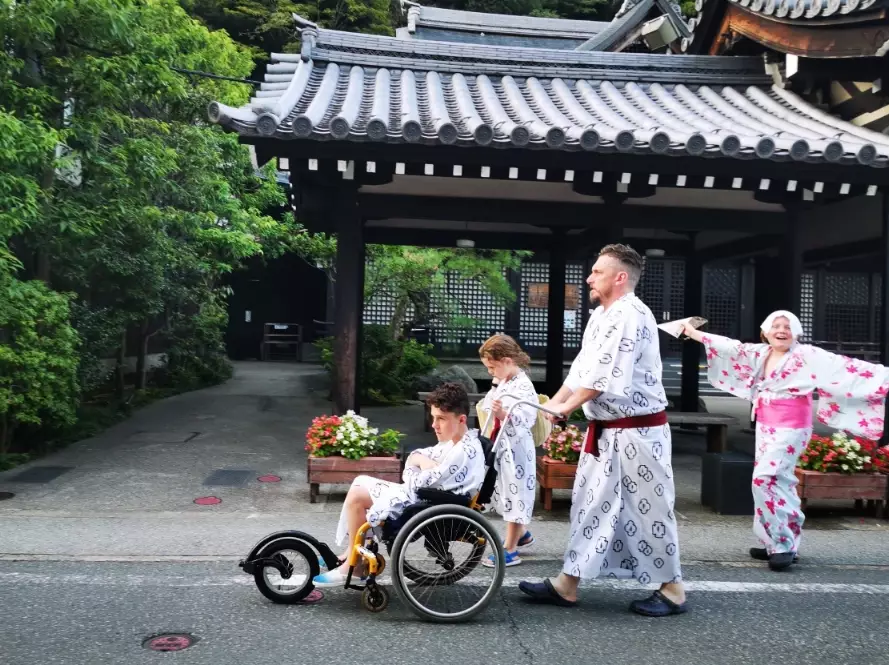
Your Accessible Japan Travel Quick Guide
Planning Essentials: What to Do Before You Book
Your Japan tour succeeds or fails in the planning stage. A common mistake is assuming "accessible" in Japan means the same as back home. It often involves more steps and proactive communication.
Documentation is key. Carry a note in Japanese explaining your needs. Have your doctor write a brief note about your equipment. For power wheelchairs, include battery specifications (e.g., "gel battery, non-spillable"). This helps immensely with airlines and unexpected questions.
Build a contact list. Save the numbers for Japan Accessible Tourism Center and the Tokyo Free Guide volunteer service (which has accessible tour guides) in your phone. Don't just rely on Google Maps live; have a backup.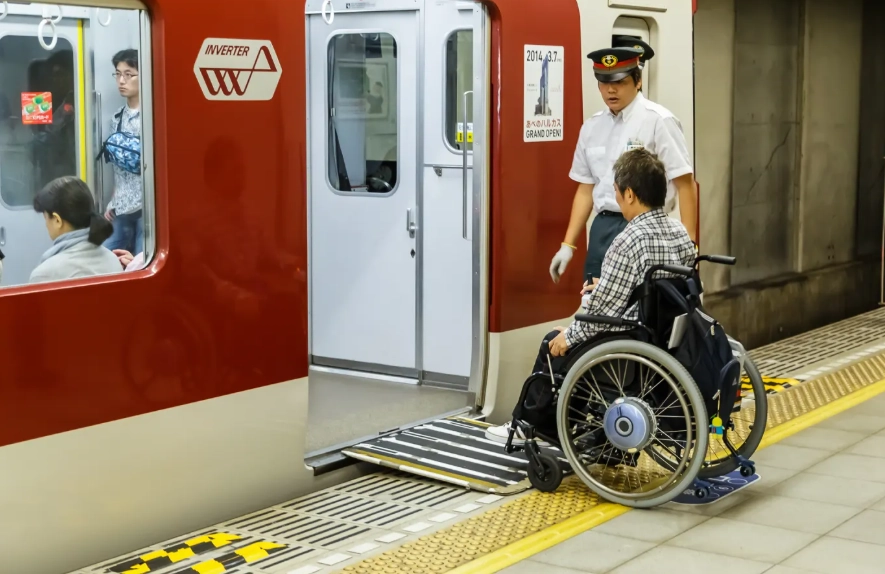
Navigating Transport: Trains, Taxis, and Beyond
Japan's train system is a marvel, but its accessibility is a patchwork. The JR East website and the official Japan National Tourism Organization (JNTO) accessibility page are your best friends.
Using Trains and Subways with a Wheelchair
Look for the universal access symbol on station maps. Major stations in Tokyo (Shinjuku, Tokyo, Ueno) and Kyoto are generally well-equipped. The trick is finding the specific accessible gate. It's often not the main entrance.
You must use the station office. Don't try to navigate the ticket gates alone. Go to the "Midori no Madoguchi" (green window) or station office. They will provide a portable ramp to bridge the gap between the platform and the train car. This service is free, but it requires staff assistance, so add 10-15 minutes to your travel time.
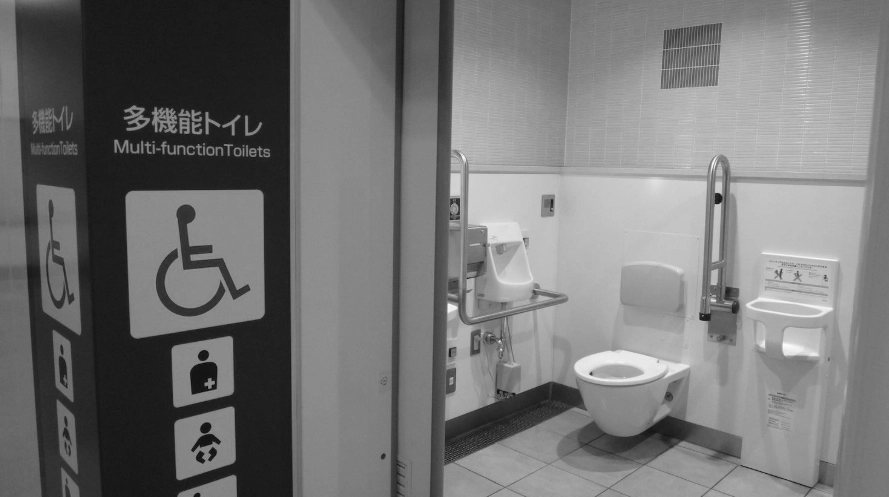
Shinkansen (bullet trains) have dedicated wheelchair spaces. You must book these when you buy your ticket. The space is in the first car or the last car. The nearby multi-purpose room is spacious and has a fold-down bed and an accessible toilet.
| Transport Type | Accessibility Level | Key Action Required | Cost Note |
|---|---|---|---|
| JR Trains / Shinkansen | High (Major Lines) | Book wheelchair space at ticket office. Notify staff at origin station. | No extra charge for assistance. |
| Tokyo Subway (Toei/Tokyo Metro) | Medium-High | Use station office for ramp. Check exit accessibility beforehand. | Included in fare. |
| Standard Taxi | Low | Folding wheelchair only. Driver will assist with storage. | Standard meter fare. |
| Wheelchair Accessible Taxi (福タク) | Very High | Must book in advance via app or phone. Scarce. | 20-50% surcharge common. |
| Intercity Buses (e.g., Willer Express) | Low | Limited routes with accessible buses. Must confirm when booking. | May cost more. |
The Taxi Situation
Standard taxis can only take folding wheelchairs. For non-folding or power wheelchairs, you need a "Fukutaku" (福祉タクシー). These have ramps or lifts. They are not hailed on the street. You must book them, often 30-60 minutes in advance, using a local app like "S.RIDE" (which has an accessible taxi option) or by calling a dispatch company like Nihon Kotsu. Expect a higher fare.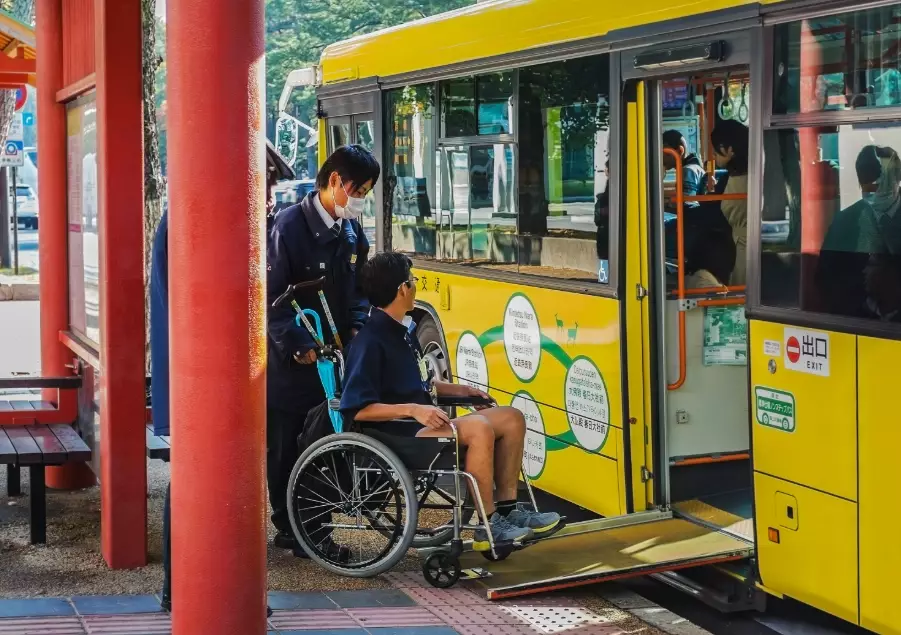
A 7-Day Accessible Tokyo & Kyoto Itinerary
This is a balanced mix of modern and traditional, with realistic travel times and built-in rest periods.
Day 1-3: Tokyo - The Modern Metropolis
- Day 1 (Arrival/Shinjuku): Arrive at Haneda (preferable to Narita for accessibility). Take an accessible taxi to your Shinjuku hotel. Evening at the Tokyo Metropolitan Government Building observatory (free, fully accessible).
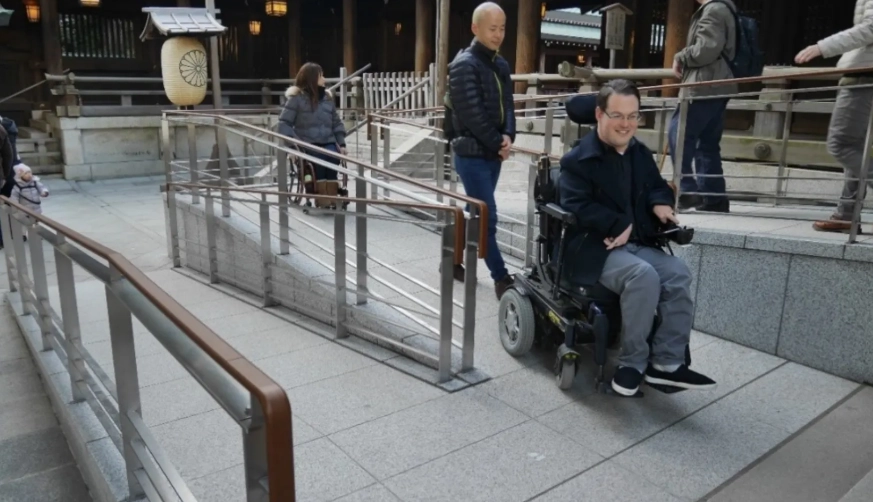
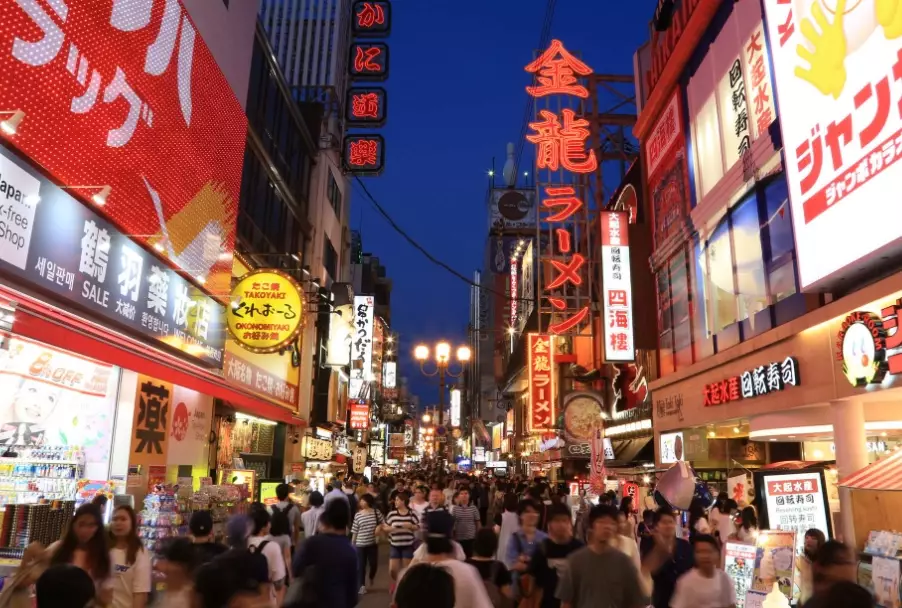
- Day 2 (Asakusa & Odaiba): Senso-ji Temple in Asakusa. The main approach (Nakamise) is crowded but step-free. Kaminarimon Gate has a ramp on the right side. Take the fully accessible Tobu Railway line to Odaiba. Explore teamLab Borderless (now in Toranomon, but new venue is designed with accessibility in mind - check latest info) or the Miraikan museum (excellent accessibility).
- Day 3 (Ueno & Ameyoko): Ueno Park. The Tokyo National Museum has elevators and accessible paths to major galleries. The park itself is hilly, so stick to the main paths. Lunch in the Ameyoko market area (crowded, but ground is flat).
Day 4: Travel to Kyoto via Shinkansen
Book wheelchair space on the Hikari train. From Tokyo Station, use the accessible taxi drop-off point. At Kyoto Station, use the spacious accessible taxi stand on the south side. The station itself is a masterpiece of accessibility.
Day 5-7: Kyoto - Historic Heart
- Day 5 (Arashiyama): Take the JR Sagano Line to Saga-Arashiyama Station (accessible). The famous bamboo grove path is compacted gravel – manageable for most power wheelchairs, tough for manual. Tenryu-ji Temple's garden is mostly accessible from the north entrance.
- Day 6 (Higashiyama): Kiyomizu-dera Temple. Here's the hard truth: the main hall is not accessible due to massive stairs. However, you can access the lower levels and get impressive views. A better bet is Kinkaku-ji (Golden Pavilion). The entire viewing path is paved and step-free. Nijo Castle is a home run – wide, smooth corridors and beautiful gardens.
- Day 7 (Fushimi Inari & Departure): Fushimi Inari Shrine. The initial courtyard and first few torii gates are accessible. The mountain trail is not. It's still worth visiting for the atmosphere. Depart from Kyoto Station or Osaka's Kansai Airport.
Top Accessible Attractions: From Tokyo to Kyoto
Let's get specific. Here are standout sites that genuinely work well.
Tokyo Skytree: Probably the best accessible attraction in Tokyo. Wide doors, spacious elevators, accessible toilets on every floor, and loaner wheelchairs. The viewing decks offer breathtaking, barrier-free views. Address: 1 Chome-1-2 Oshiage, Sumida City. Open 10:00-21:00. Tickets from ¥2,100. Direct access from Oshiage Station.
Miraikan (National Museum of Emerging Science): In Odaiba. Built modern, so everything is accessible. Interactive exhibits are at good heights. Address: 2 Chome-3-6 Aomi, Koto City. Open 10:00-17:00 (closed Tue/Wed). ¥630. A short walk from Tokyo Teleport Station.
Nijo Castle, Kyoto: The shogun's palace. The Ninomaru Palace features "Nightingale Floors" (they squeak) that you can roll over. The corridors are wide and smooth. The gardens are mostly flat gravel paths. A highlight. Address: 541 Nijojocho, Nakagyo Ward. Open 8:45-17:00. ¥800. Accessible from Nijojo-mae Station.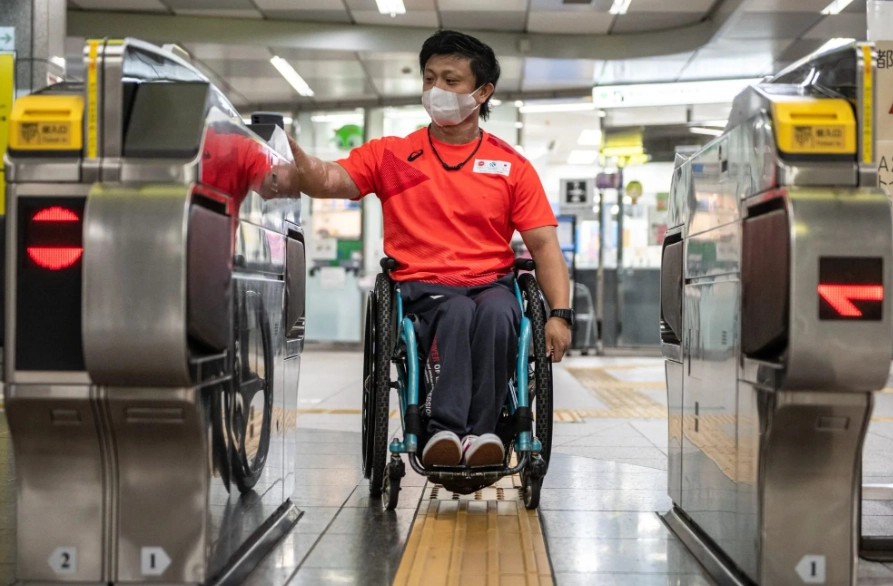
Finding Truly Accessible Accommodation
Searching for "barrier-free room" is just the start. Japanese accessible rooms are often designed for elderly Japanese guests, not necessarily for Western-sized wheelchairs or with shower chairs.
You need to ask for specifics:
- What is the width of the bathroom door? (Aim for 80cm/31.5 inches or more).
- Is there a roll-in shower with a fold-down seat, or just a wet-room floor?
- Is the bed height adjustable or is it a standard platform bed?
Major international chains (Hilton, Marriott, InterContinental) in big cities usually have rooms that meet international standards. Japanese hotel chains like Mitsui Garden Hotels or Daiwa Roynet Hotels also have good options, but you must confirm the details. Ryokans (traditional inns) with true accessibility are rare gems and need to be booked far in advance.
Consider serviced apartments like Oakwood or Bureau in Tokyo. They offer more space, kitchen facilities, and often have better-designed accessible units than standard hotels.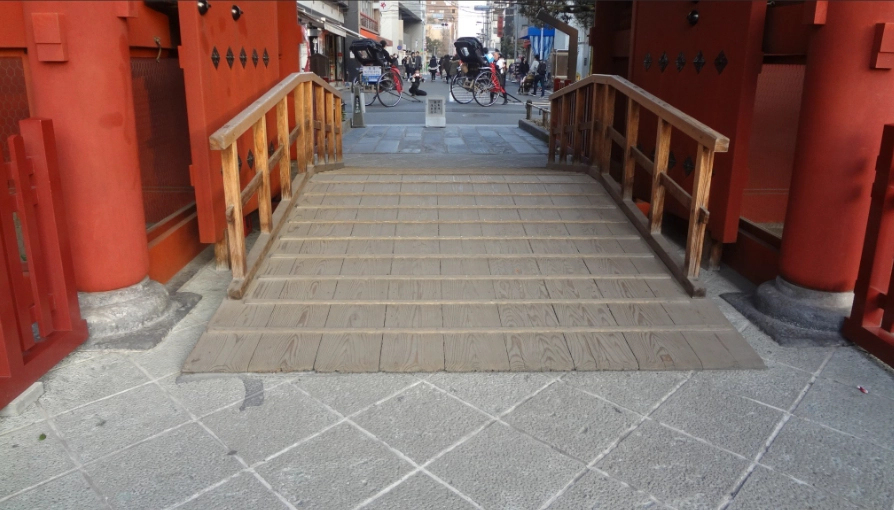
Your Questions Answered (The Tricky Ones)
 What's the biggest unexpected hurdle for wheelchair users in Japan?


Share Your Thoughts