My first night in a true luxury ryokan was a revelation. I’d booked a place near Hakone, expecting a nice hotel with a hot spring. What I got was silence so deep it had texture, a kaiseki meal that felt like edible art, and a futon laid out on tatami that cradled me into the best sleep of my life. That’s the difference. A luxury ryokan isn’t just upscale lodging; it’s a complete, immersive reset button for your soul. If you’re looking for the pinnacle of Japanese hospitality, where every detail is curated for tranquility and sensory pleasure, you’re in the right place. Let’s cut through the noise and talk about what makes an experience genuinely luxurious, and where to find it.
Your Quick Guide to Luxury Ryokans
What Defines a Truly Luxury Ryokan Experience?
Forget star ratings. In Japan, luxury is measured in atmosphere, authenticity, and anticipation. A top-tier ryokan masters these three elements.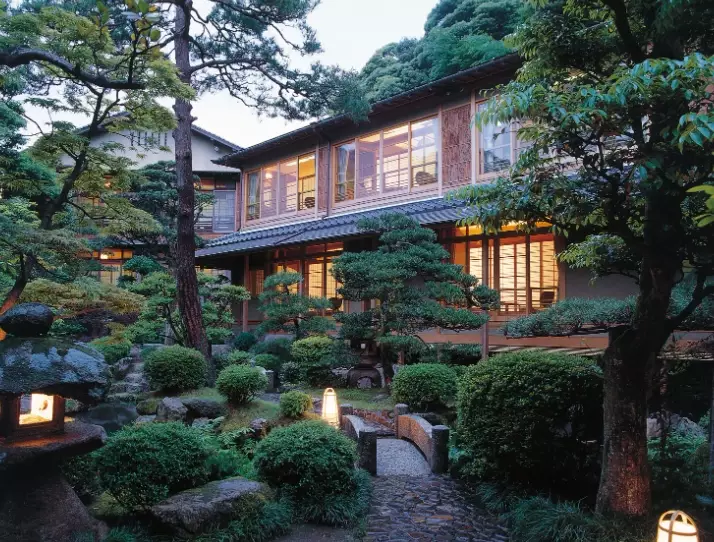
Atmosphere is Location & Design. It’s not just a pretty building. The best are woven into their environment. Think forest clearings, cliffside perches overlooking the sea, or hidden valleys where the only sound is a river. The architecture uses natural materials—wood, stone, paper—to blur the line between inside and out. The goal is wabi-sabi, finding beauty in imperfection and transience. A slightly irregular wooden beam, the pattern of light through shoji screens, the moss on a garden stone. This isn’t manufactured perfection; it’s cultivated serenity.
Authenticity is in the Service (Omotenashi). This is where luxury ryokans leave five-star hotels in the dust. Omotenashi is anticipatory, selfless hospitality. Your host (okami or okami-san, often the proprietress) greets you personally. Your room attendant (nakai-san) appears when you need them and vanishes when you don’t. They remember you don’t like mushrooms and adjust your 12-course dinner without you asking. It’s discreet, utterly professional, and makes you feel like the only guest. A common mistake travelers make is trying to tip. Don’t. The service is included in the price and offered with pride, not for an extra reward.
The Non-Consensus View: The biggest mistake I see? People judge a ryokan by the room size or gadget count. True luxury is subtractive, not additive. It’s about what’s removed: noise, clutter, decision fatigue, and the pressure of time. The most luxurious moment might be sitting on your veranda, doing absolutely nothing, listening to the wind in the bamboo.
Anticipation is the Culinary Journey. Dinner is the main event. A kaiseki meal is a seasonal, multi-course masterpiece. It’s not just food; it’s a story about the region, the time of year, and the chef’s craft. The porcelain, lacquerware, and even the leaf garnish are chosen to complement the dish. Breakfast is often an equally elaborate affair. This is where luxury ryokans connected to local producers shine. You’re not just eating a fish; you’re eating a specific trout from the mountain stream you can hear from your bath.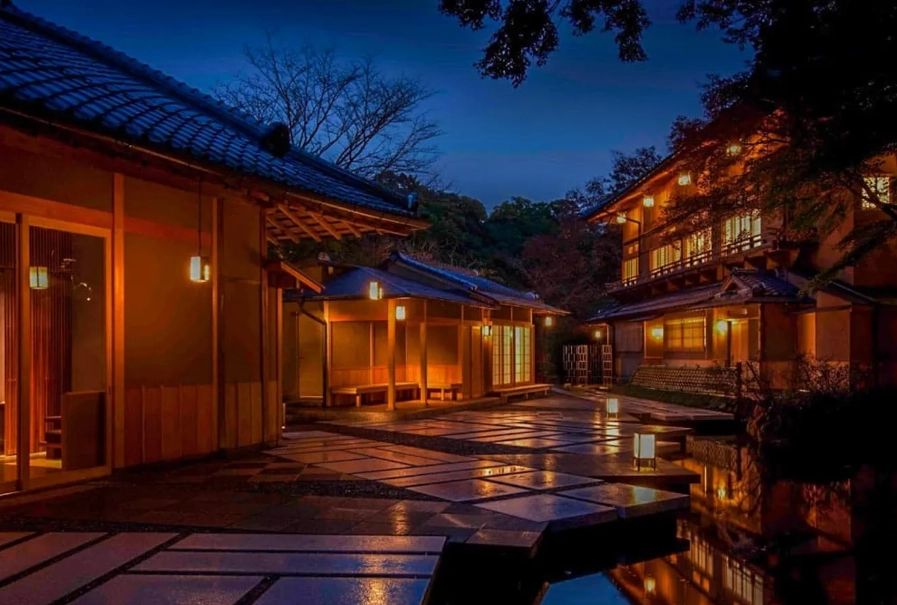
Top Luxury Ryokan Picks Across Japan
Choosing is tough, as the best are deeply personal. But based on consistent excellence in the three pillars above, here are my top-tier recommendations. Prices are per person per night, typically including dinner and breakfast. Book far in advance.
| Ryokan & Region | Address & Setting | Key Luxury Features | Price Range (PPPN) |
|---|---|---|---|
| Hoshinoya Fuji (Yamanashi) | 1408 Oishi, Fujikawaguchiko, Minamitsuru District. Glamping-style cabins facing Mount Fuji. | Private "cloud terrace" decks with fireplaces, guided forest activities, gourmet campfire cuisine. Modern luxury in nature. | ¥70,000 - ¥120,000 |
| Zaborin (Hokkaido) | 76-4 Hanazono, Kutchan-cho, Abuta-gun. Complete seclusion in a birch forest. | Every villa has two private onsens (indoor/outdoor). Incredible kaiseki with Hokkaido ingredients. Ultimate privacy. | ¥90,000 - ¥150,000 |
| Amanemu (Mie) | 2165 Hazako, Hamajima-cho, Shima-shi. Overlooking Ago Bay (Ise-Shima). | Aman-level service, spacious suites with private onsen decks, access to pearl farming culture. Polished and serene. | ¥120,000 - ¥300,000+ |
| Gora Kadan (Kanagawa) | 1300 Gora, Hakone-machi, Ashigarashimo-gun. Former imperial family villa in Hakone. | Historical pedigree, exquisite Japanese gardens, open-air baths with mountain views. Classic, timeless elegance. | ¥80,000 - ¥200,000 |
| Sumiyoshi Ryokan (Ishikawa) | 1-5-2 Higashiyama, Kanazawa. In the heart of Kanazawa's geisha district. | Intimate 8-room ryokan, family-run for generations. Kaiseki featuring Kaga cuisine and Kanazawa gold leaf. Feels like a home. | ¥50,000 - ¥80,000 |
A note on value: The price at a place like Zaborin seems steep until you realize you’ll never share a bath, your meals are culinary events, and you’re paying for the silence of an entire forest. It’s a different calculus than a hotel room.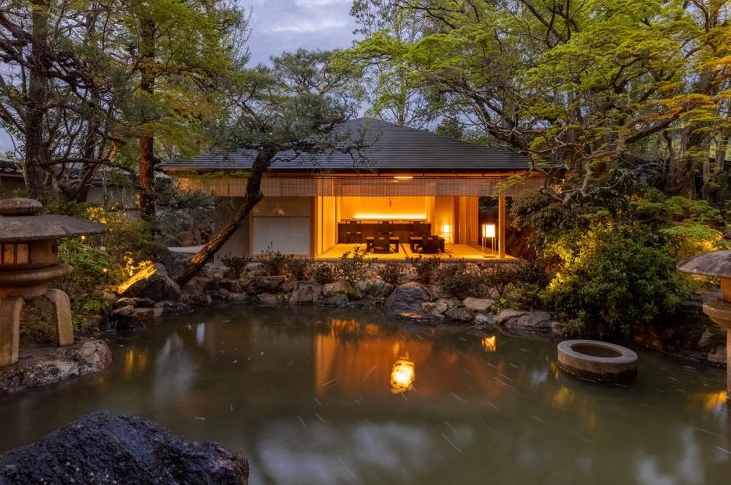
How to Book Your Luxury Ryokan Stay (and Save Money)
This is critical. The best ryokans don’t always appear on global booking sites.
Book Directly. Always check the ryokan’s official website first. You often get the best rates, can make special requests (dietary, room preference), and sometimes access exclusive packages. Their English sites are usually good.
Use Specialized Agencies. For complex itineraries or if you don’t speak Japanese, use a reputable agency like Luxury Ryokan Collection or Ryokan Collection. They have relationships with properties and can secure rooms that appear "sold out" online. Yes, there’s a service fee, but their knowledge is worth it.
Consider the Season. Peak seasons (cherry blossom, autumn foliage, Golden Week) are fiercely competitive and priced at a premium. Shoulder seasons (late spring, early summer, late autumn) offer a better balance of beauty and value. Winter can be magical, especially in snow country like Hokkaido.
Look for "No-Meal" Plans? Rarely. The kaiseki dinner is integral to the experience. Skipping it to save money is like going to the opera and leaving after the first act. If budget is a concern, look for slightly less famous ryokans in equally beautiful secondary onsen towns like Kinosaki or Yufuin.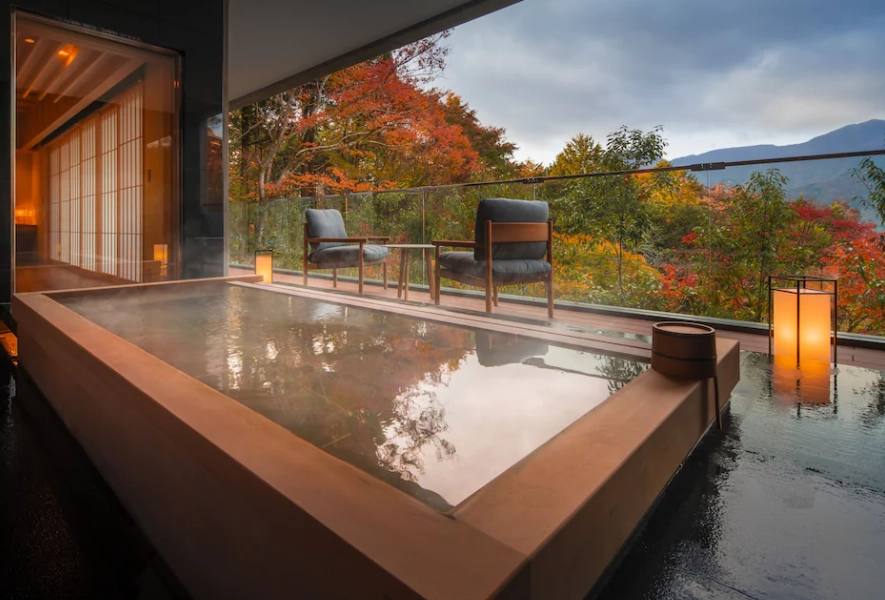
Ryokan Etiquette: Avoiding Awkward Moments
This isn’t about rigid rules, but respectful participation. Getting it right enhances your comfort and shows respect for the culture.
Upon Arrival
You’ll be greeted, asked to remove your shoes, and given slippers. Wear the slippers only on wooden floors, never on the tatami in your room. You’ll be served tea and a sweet while you check in seated. Your nakai-san will show you to your room and explain everything. Let them.
The Onsen (Hot Spring Bath)
If you have a private bath, do what you want. For shared baths: Wash thoroughly at the shower station before entering the communal bath. No soap in the bath. Tie long hair up. No swimsuits. Be quiet. It’s a place for meditation, not conversation. Tattoos can be an issue; check the ryokan’s policy. Many luxury ryokans are more relaxed or offer private rental baths for this reason.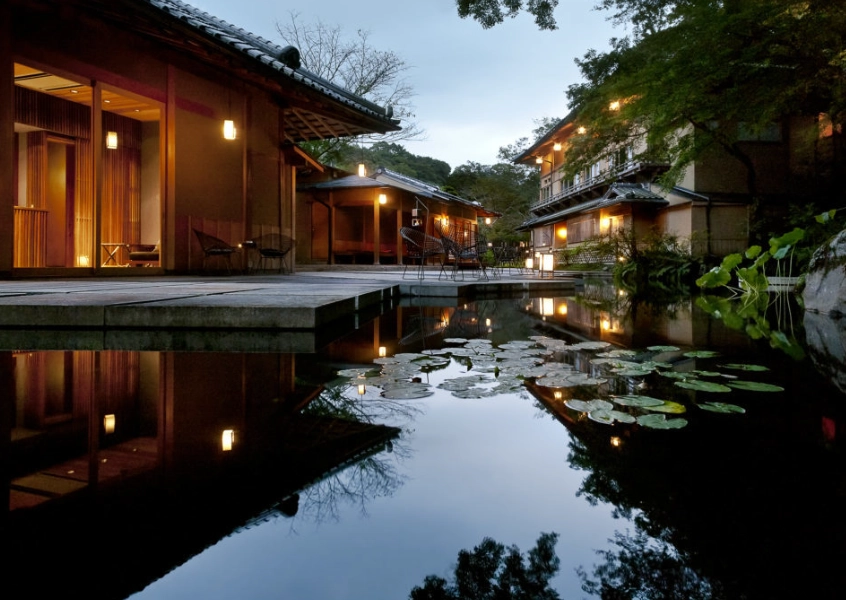
Yukata Life
You’ll live in your yukata (cotton robe). The left side goes over the right (the opposite is for the deceased). You can wear it to dinner, around the property, even to stroll the town in an onsen resort. It’s the ultimate uniform of relaxation.
How to Maximize Your Ryokan Experience
Arrive as early as you can (often 3 PM). Don’t rush in from a day of sightseeing. The point is to slow down. Soak in the onsen first to wash off the travel. Then, have that cup of tea on the veranda. Let the pace of the place seep into you.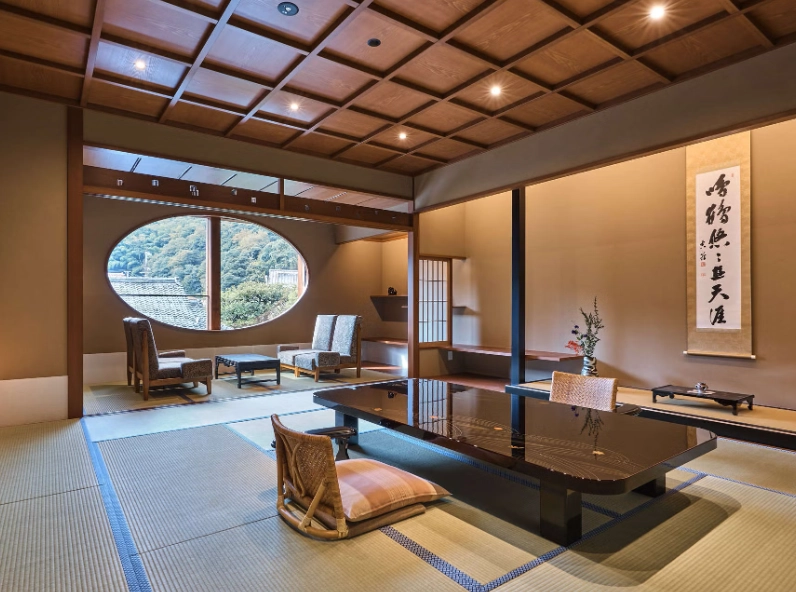
Engage with the staff. Ask about the ingredients in your meal, the history of the building, the local area. They are proud of their craft and love to share.
Embrace the schedule. Dinner is usually served early (6-7 PM). Go with it. After dinner, your futon will be magically laid out. Read a little, then sleep. You’ll likely wake up early, feeling refreshed—perfect for a morning bath before another exquisite meal.
That rhythm—bath, eat, rest, repeat—is the whole point. It’s a 24-hour retreat designed to recalibrate you.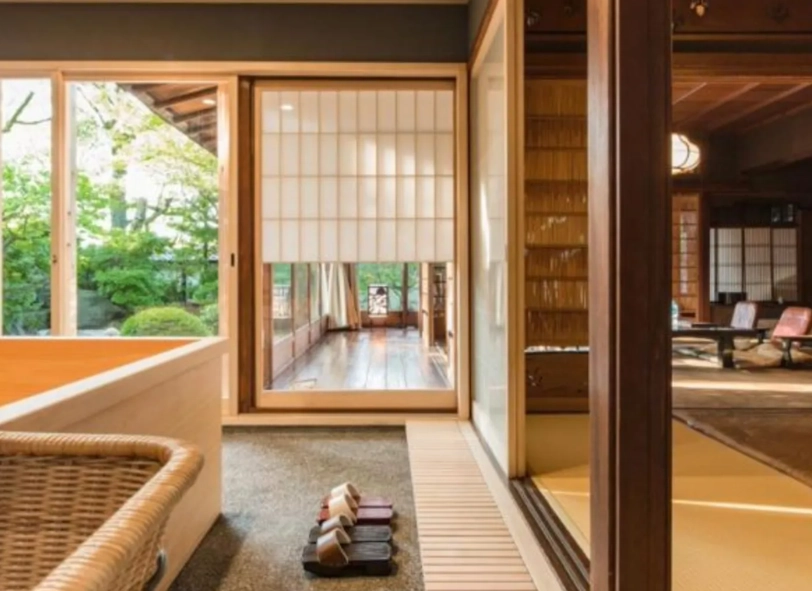
Your Luxury Ryokan Questions Answered
I’m traveling solo. Are luxury ryokans welcoming to solo guests?
Absolutely, though it’s less common. Some charge a significant single supplement, as the room and meal costs are largely fixed. However, many modern luxury ryokans like Hoshinoya Fuji have embraced solo travel. Look for properties with "camping" or contemporary styles, and always email to inquire directly. The service will be just as attentive.
My partner is a picky eater. Can they accommodate dietary restrictions in a kaiseki meal?
This is a crucial point. You must communicate this at the time of booking, not upon arrival. Kaiseki is a set menu prepared hours in advance. With notice, a skilled kitchen can perform miracles, creating an equally beautiful and delicious alternative menu. Without notice, you’ll be left with a very hungry partner and an awkward situation. Be specific: "no raw fish," "vegetarian," "allergic to shellfish."
Is it worth staying more than one night in a luxury ryokan?
This is my strongest recommendation. One night feels like a tasting menu—you’re just getting used to the rhythm when it’s time to leave. Two nights allow you to fully unwind. The first night you decompress; the second day you achieve a state of deep relaxation, enjoying the property and its surroundings without the pressure of arrival or departure. It transforms the experience from a novelty into a genuine reset.
What’s the difference between a ryokan and a “onsen hotel”?
A ryokan is defined by its architecture (tatami rooms, futons), service model (nakai-san), and inclusive meals. An onsen hotel might have Western beds, restaurant dining, and a more transactional service style, even if it has great hot springs. A luxury ryokan combines the best of both: authentic ryokan spirit with exceptional onsen facilities and five-star comfort. If you want the full cultural immersion, choose a ryokan.
Share Your Thoughts