What to Expect
- Where Did These 72 Microseasons Come From Anyway?
- A Year in 72 Acts: How the Microseasons Actually Work
- Isn't This All a Bit... Outdated?
- How to Actually Use the Microseasons in Your Life (No Move to Japan Required)
- Your Burning Questions About Japan's Microseasons, Answered
- The Real Takeaway: It's Not a Calendar, It's a Compass
You know about spring, summer, fall, and winter. But what if I told you that in Japan, the year isn't just sliced into four neat pieces? It's finely diced into seventy-two tiny, poetic slices of time, each with its own name, its own feeling, and its own specific changes in the natural world. This is the world of the Microseasons of Japan, a system so detailed it can tell you when the first frogs start croaking or when the fog begins to thicken over the mountains.
I first stumbled upon this concept years ago in a dusty old book about haiku. The poet wasn't just writing about "spring"; he was capturing a moment called "Keichitsu" (螻蟻出) – the time when "dormant insects surface." That specificity blew my mind. It wasn't just weather; it was a conversation with the earth.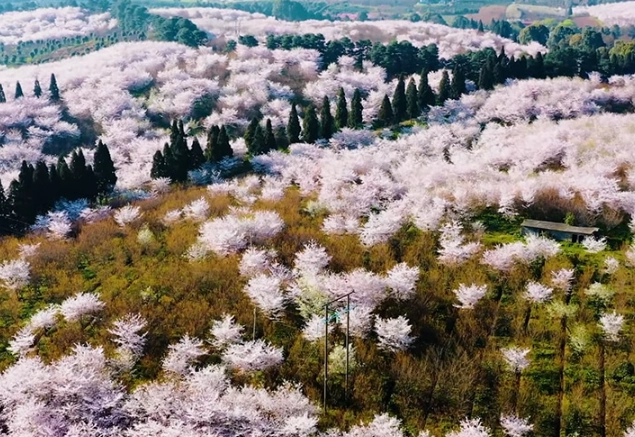
This ancient calendar, known as the 72 Kō (七十二候), is more than a historical curiosity. It's a framework for seeing, a lens that sharpens your attention to the subtle rhythms of life happening right outside your window. And honestly, in our modern, climate-controlled lives where seasons blur into one another, rediscovering this way of seeing feels almost revolutionary.
Think about it. How often do you truly notice the progression of a season?
One day you see buds, then leaves, then flowers. The microseasons of Japan give each of those tiny transitions a name and a place in the yearly story. It turns the passage of time from a vague feeling into a series of distinct, observable events.
Where Did These 72 Microseasons Come From Anyway?
The story starts in ancient China, which honestly, a lot of Japan's early cultural imports do. The Chinese developed a 24-term solar calendar called the 24 Sekki (二十四節気) to guide agricultural life. It marked major points like the spring equinox (Shunbun) or the start of summer (Rikka).
But the Japanese, with their deep, almost spiritual connection to the nuances of nature, took it a step further. Sometime during the Heian period (794-1185 AD), they imported this system and then subdivided each of the 24 terms further. Each "season" (節気) was split into three smaller "climates" or "phenomena" (候). The math is simple: 24 x 3 = 72. And just like that, a more granular map of the year was born.
But here's the crucial part – they didn't just copy it. They localized it. The original Chinese observations were based on the climate of the Yellow River basin. What good is a season called "Wild Geese Arrive" if the geese in Japan show up at a completely different time? Japanese scholars and astronomers (you can read about the historical development on the National Diet Library website) painstakingly adjusted the descriptions to match the flora, fauna, and weather patterns of the Japanese archipelago. This wasn't just translation; it was a complete cultural and ecological rewrite.
For centuries, this calendar was the heartbeat of agricultural and aristocratic life. It told farmers when to plant rice and when to harvest. It dictated the themes of poetry, the motifs on kimonos, and even the ingredients in the Kaiseki multi-course meals. The calendar was so ingrained that it shaped the very aesthetic concept of mono no aware – the poignant awareness of impermanence, of noticing and appreciating things precisely because they are fleeting.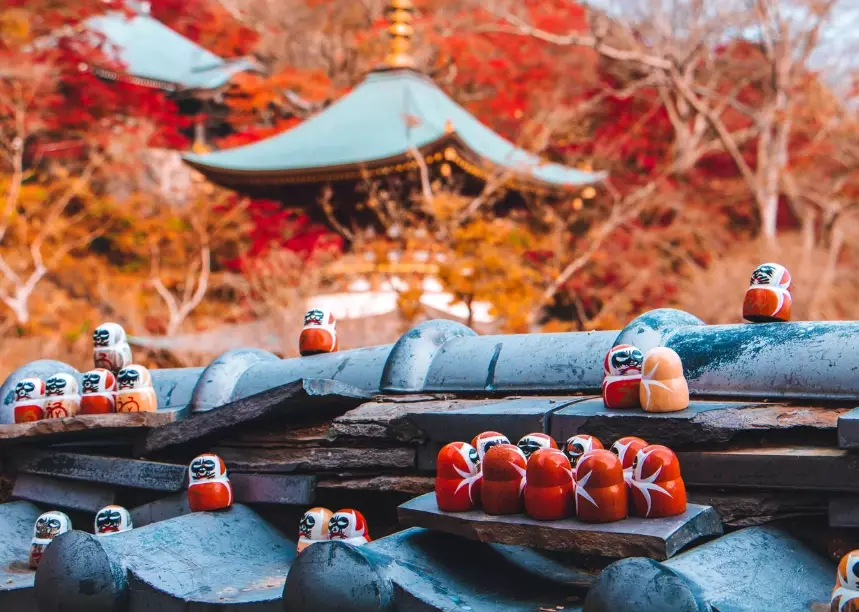
A Year in 72 Acts: How the Microseasons Actually Work
Let's get practical. How do you even navigate a year with 72 stops? The system is beautifully logical. It starts on February 4th, which is Risshun (立春), the traditional "Beginning of Spring" in the lunisolar calendar. Don't let that confuse you – it's often still freezing in early February! This date is more of a symbolic turning point, a promise of the warmth to come, rooted in astronomical calculations rather than immediate weather.
From Risshun, each of the 24 major seasons lasts about 15 days. Each of those is then split into three microseasons, each roughly 5 days long. Five days. That's how specific it gets. The names of these 72 Kō are tiny poems in themselves, usually a concise five-character phrase describing a specific natural event.
To give you a real taste, let's walk through the very first chunk of the year. The first major season is Risshun (立春). Its three microseasons are:
Haru no Kō: The Microseasons of Spring
Spring in Japan isn't just "cherry blossom season." It's a slow, detailed unveiling. The Microseasons of Japan break it down into a narrative.
| Microseason (Kō) Name | Approx. Dates | Phenomenon (English) | What You Might Notice |
|---|---|---|---|
| 東風解凍 (Harukaze kōri o toku) | Feb 4 - Feb 8 | East wind melts the ice | The wind shifts, feeling less biting. Patches of ice on puddles start to soften and disappear during the day. |
| 黄鶯睍睆 (Kōō kenkan su) | Feb 9 - Feb 13 | Bush warblers start singing | The first, hesitant songs of the uguisu (Japanese bush warbler) in wooded areas. A sound deeply associated with early spring. |
| 魚上氷 (Uo kōri o izuru) | Feb 14 - Feb 18 | Fish emerge from under the ice | In ponds and slow rivers, fish become active near the surface as the ice finally recedes. |
See how it tells a story? Wind changes, then sound returns to the forest, then life stirs in the water. It's a progression. This continues all year. By the time you get to late March, you have microseasons like "Hana sakau" (Cherry blossoms bloom) and "Yama uruoi" (Mountains grow moist with rain).
I have a friend in Kyoto who tries to live by this calendar. She told me that knowing it's the time for "Kaminari sunawachi koe o hassu" (雷乃発声 - Thunder begins to rumble) in early June makes the first summer storm feel less like an inconvenience and more like a scheduled, dramatic performance by nature. It reframes your experience.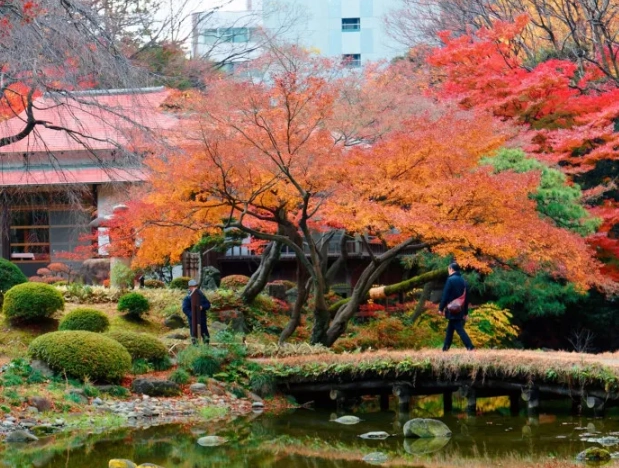
Isn't This All a Bit... Outdated?
Fair question. Climate change has definitely thrown a wrench into the timing. The Japan Meteorological Agency (JMA) has extensive data on shifting phenological events. Frogs are singing earlier, cherry blossoms are blooming on a schedule that would baffle an Edo-period poet.
So, is the system broken? I don't think so. In fact, its potential inaccuracy in a warming world is part of what makes it so poignant and relevant now. It becomes a benchmark, a reminder of a baseline rhythm that we are actively disrupting. Noticing that the "First Peach Blossoms" microseason now occurs when it used to be the time for "Dandelions Flourish" is a tangible, personal way to grasp climate shift, far more visceral than a graph of global temperatures.
More importantly, its core value isn't in rigid, day-perfect prediction. Its value is in the practice of observation. The calendar isn't a boss giving orders; it's a friend whispering suggestions. "Hey, look over there. Listen for this. Feel that change in the air."
The goal isn't to have the calendar be perfectly right. The goal is for you to become a better observer. To reconnect the dots between yourself and the environment you live in, whether that's in the Japanese countryside or a city apartment with a single potted plant.
How to Actually Use the Microseasons in Your Life (No Move to Japan Required)
This isn't just academic. You can bring this sensibility into your own daily grind. You don't need to memorize all 72 names (though that's a fun party trick). Start by absorbing the mindset.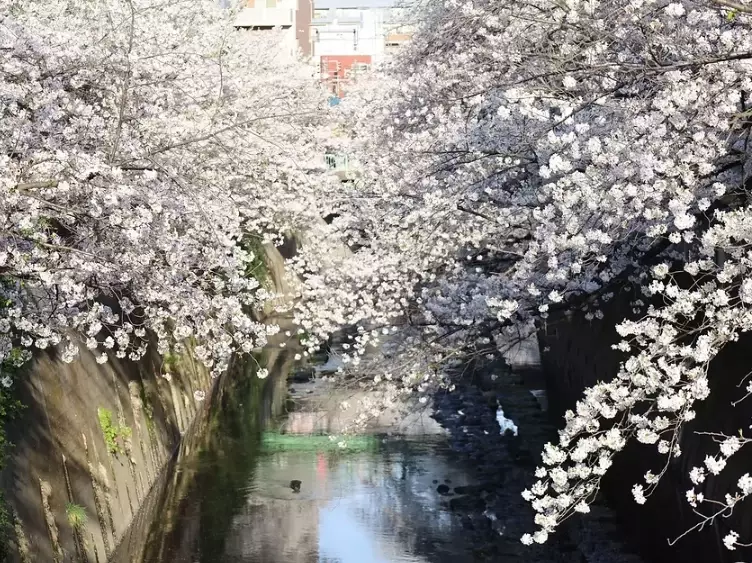
First, find your local markers. The microseasons of Japan mention badgers, wild geese, and camellias. Your local equivalents might be robins, Canada geese, and magnolia trees. The idea is the same: identify the signature events in your own biome. When do the first crocuses push through? When do the fireflies appear? When does the light at 7 PM take on that specific golden hue of late summer?
Second, let it guide your senses, especially with food. The Japanese concept of shun (旬) means "seasonal peak." It's the idea that food tastes best, is most nutritious, and is most abundant in its natural season. The microseasons are a hyper-detailed guide to shun. Restaurants and home cooks use it. Why not you? When it's the microseason for "Bamboo Shoots Sprout," maybe seek out some fresh bamboo shoots or asparagus at your market. When it's "Ripe Plums Yellow," make a point to enjoy some stone fruit. It makes eating an act of participation in the season's cycle.
Third, try a microseasonal check-in. Every week or two, take five minutes. Look up the current Japanese microseason online (there are great apps and websites now). Read its poetic name and description. Then, go for a short walk or just look out your window. Can you see any parallel, any echo of that phenomenon where you are? Maybe the description is "Mist descends on the fields," and you just notice the morning dew is heavier on the grass. That's a connection. You've just synced your attention to a slower, older rhythm.
I started doing this during the pandemic, stuck in my apartment. The microseason was "Kogarashi" (木枯らし), the "withering wind." Outside my window, no pine trees were sighing, but the last brittle leaves on the ginkgo tree were being torn off in gusts. It was the same feeling, the same clearing away before winter's silence. It was weirdly comforting.
Your Burning Questions About Japan's Microseasons, Answered
Let's tackle some of the practical stuff people really want to know.
The Real Takeaway: It's Not a Calendar, It's a Compass
After diving deep into the microseasons of Japan, it's easy to get lost in the lovely, archaic names and the historical details. But if I had to boil it down to one thing, it's this: the 72 Kō is less about timekeeping and more about attention-keeping.
In a world that's constantly screaming for our focus—pinging notifications, endless feeds, 24/7 news—this system invites us to redirect a sliver of that attention to the quiet, non-human world. To the slant of light, the texture of air, the behavior of insects and birds. It's an antidote to the feeling of living in a perpetual, seasonless present.
You don't need to be in Japan. You don't need to be a farmer or a poet.
You just need to look up, look down, and listen. The year is telling a story in 72 small chapters. Maybe it's time we started reading it again.
So, what's the microseason today where you are?


Share Your Thoughts