Let's be honest. When you think of Japanese castles, your mind probably jumps to the pristine, original keeps of Himeji or Matsumoto. Kanazawa Castle isn't that. What stands in the heart of Kanazawa today is a magnificent, soulful reconstruction—a phoenix risen from ashes not once, but repeatedly. Its story isn't just about samurai lords; it's about a city's relentless determination to hold onto its heart. And for a traveler, that makes it one of the most fascinating castle experiences in Japan. Forget checking a box on a tourist list. A visit here is about feeling the weight of history in the colossal stone walls and appreciating the audacity of rebuilding a wooden giant in the 21st century using techniques unchanged for 400 years.
But you're not here for a poetry reading. You want to know if it's worth your time, how to navigate it, and how to avoid the classic pitfalls. I've spent more hours than I can count wandering these grounds, watching tourists zip through in 30 minutes looking vaguely disappointed, and finding the quiet corners where the castle's true spirit whispers. This guide cuts through the fluff.
What You'll Find in This Guide
- Why History Nerds Love This Place (And Why You Might Too)
- The Nitty-Gritty: Tickets, Hours, and How to Get There
- When to Go: The Secret to Beating the Crowds
- What to Actually Look At (Beyond the Obvious Photo)
- The Kenrokuen Combo: Doing It Right vs. Doing It Rushed
- Pro Tips They Don't Tell You at the Gate
- Your Burning Questions, Answered
Why History Nerds Love This Place (And Why You Might Too)
Kanazawa Castle's timeline reads like a chronicle of defiance against fire. Founded in 1583 by the Maeda clan, one of Japan's wealthiest, it was a powerhouse for nearly three centuries. Then, the fires started. 1602, 1631, 1759, 1808. Each time, a major structure burned. Each time, they rebuilt. The final blow came in 1881, when a mysterious fire consumed most of what remained. For over a century, the site was a university campus, the stone foundations sleeping under modern buildings.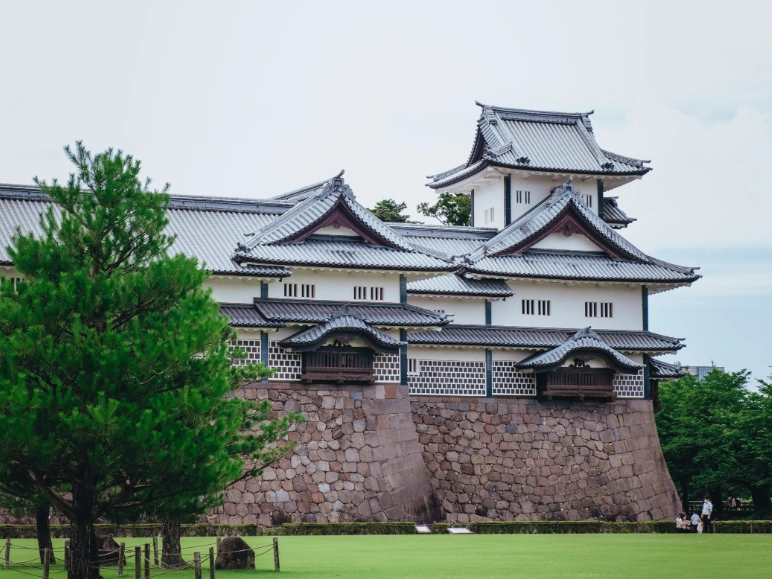
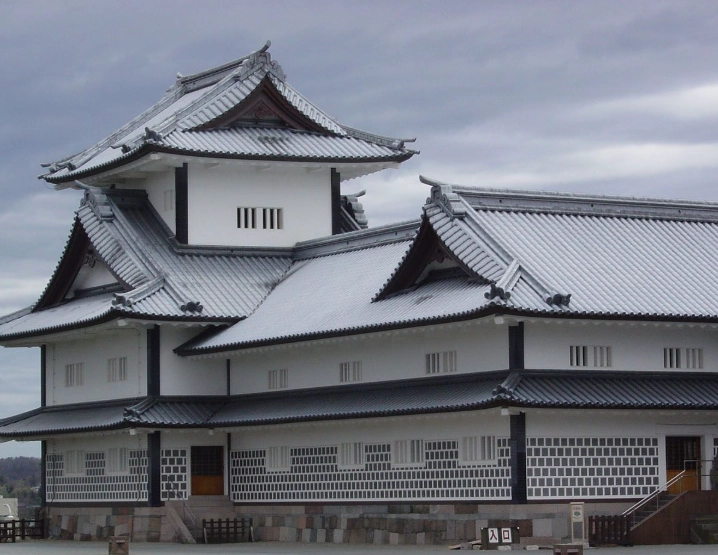
The rebirth began in the 1990s. This wasn't a quick concrete replica job. This was a decades-long archaeological and architectural project. Using traditional tools, materials, and methods documented from the Edo period, craftsmen reconstructed the Hishi Yagura (diamond-shaped turret), the Gojukken Nagaya (long warehouse), and the Hashizume-mon Tsuzuki Yagura turret complex.
Here's the non-consensus bit most guides miss: The real star isn't the rebuilt buildings. It's the stone walls. Walk the perimeter. You'll see at least half a dozen different masonry styles—nozurazumi (rough, uncut stones), kiri-komizumi (cut stones with flat faces), and more. Each represents a different era of construction and repair, a literal geological timeline of the castle's resilience. Look for the gargantuan stones near the Ishikawa-mon Gate. Moving those without modern machinery was a statement of power as much as defense.
Kanazawa Castle at a Glance
- Address: 1-1 Marunouchi, Kanazawa, Ishikawa 920-0937, Japan. Smack in the center of the city.
- Main Access: The stunning Ishikawa-mon Gate, which also serves as the back entrance to Kenrokuen Garden. From Kanazawa Station, take the Hokutetsu Bus or the JR Bus to "Kenrokuen-shita" or "Hirosaka" stop. A 15-20 minute ride. A taxi takes about 10 minutes.
- Castle Park Hours: Gates open from 7:00 AM to 6:00 PM (March 1 - October 15) or 8:00 AM to 5:00 PM (October 16 - end of February). The interior reconstructed buildings have separate hours, typically 9:00 AM to 4:30 PM (last entry 4:00 PM).
- Closed: The reconstructed buildings are closed December 29 - January 3. The park itself is open year-round.
The Nitty-Gritty: Tickets, Hours, and How to Get There
Let's get practical. The pricing structure is simple, but there's a smart way to handle it.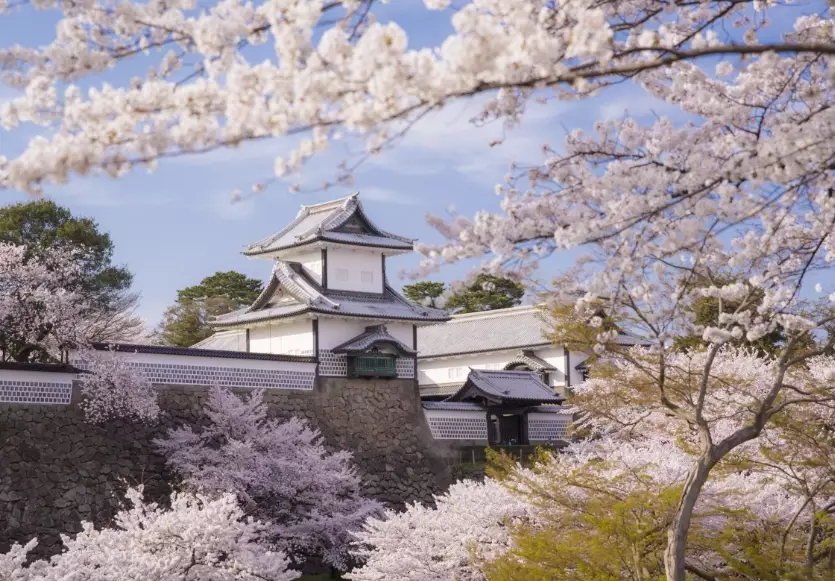
| Area | Adult Fee (JPY) | What You Get | Smart Tip |
|---|---|---|---|
| Kanazawa Castle Park (Grounds) | FREE | Access to all outdoor areas, stone walls, gardens, and exterior views of buildings. | This is 80% of the experience. You can spend hours here for free. |
| Reconstructed Buildings (Hishi Yagura, Gojukken Nagaya, etc.) | 320 | Entry to the interior of the main rebuilt structures, exhibits on construction. | Worth it for the craftsmanship view. Buy at the entrance to any building. |
| Gyokusen'inmaru Garden | 320 | A separate, beautiful landscape garden on the castle's northeast side. | Included in some combo tickets. Lovely, but skippable if you're doing Kenrokuen. |
| Kenrokuen + Castle Combo Ticket | 500 | One-time entry to Kenrokuen Garden + the Castle's reconstructed buildings. | A no-brainer if you're doing both. Saves 140 yen. Sold at either location. |
A common trap? People see the combo ticket, feel obligated to rush through both attractions back-to-back, and enjoy neither. My advice: Buy the combo ticket, but treat them as separate visits on the same day. You don't have to enter them consecutively.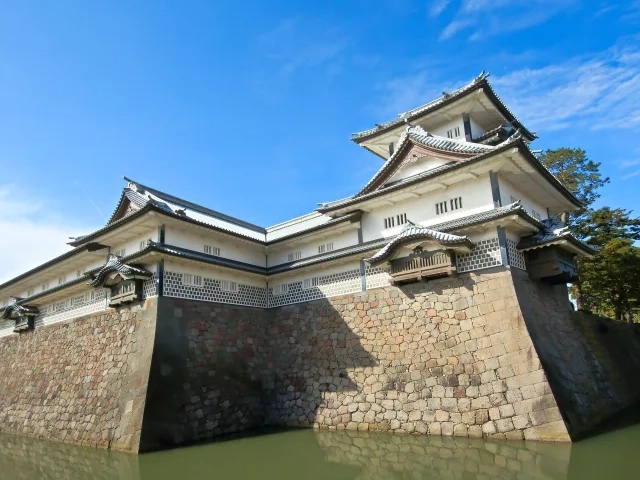
When to Go: The Secret to Beating the Crowds
Golden Week (late April/early May) and autumn foliage season (November) are stunning but packed. The castle grounds are vast enough to absorb crowds, but the building interiors get cramped.
The sweet spot: Weekdays, right at opening (9 AM for the buildings). The light is beautiful, and you'll have the stone wall paths mostly to yourself. Another perfect time is the last 90 minutes before closing. The day-tripper buses have left, and the setting sun casts long shadows across the stone, making the textures pop for photography.
Winter (December-February) is a hidden gem. Kanazawa gets snow, and seeing the black-and-white castle structures against a white blanket is magical. Just bundle up—the wind whips across the open baileys.
What to Actually Look At (Beyond the Obvious Photo)
Don't just walk from building to building. Seek out these details.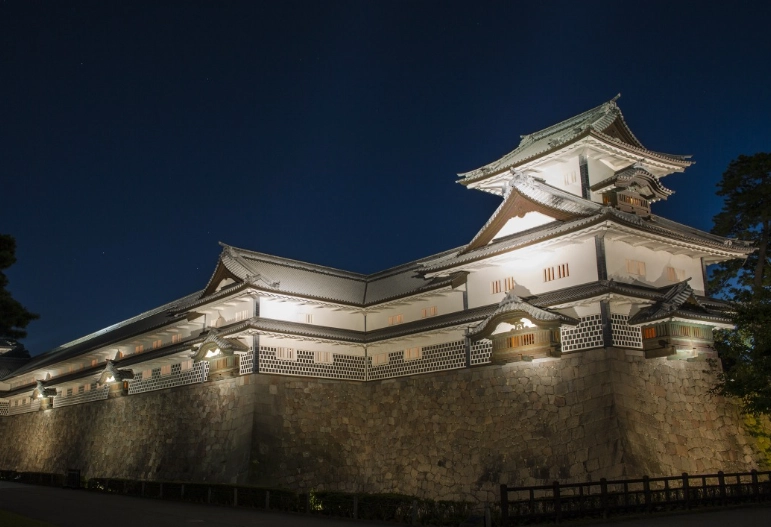
The Nail-Free Wonder: Inside the Gojukken Nagaya warehouse, get close to the wooden pillars and beams. You'll struggle to find a single metal nail. The entire structure uses complex wood joinery—interlocking cuts and wedges. This allowed for flexibility during earthquakes and made repairs easier. It's functional art.
The Roof Tile Code: Look up. The castle's roofs use both rounded and square-ended tiles. The Maeda family crest—a five-petal plum blossom—is pressed into many of them. A mark of ownership and quality control from the 1600s.
The "Stone Wall Museum": As you walk the outer moat path from the Kahoku-mon to the Ishikawa-mon, you're walking past a textbook of Japanese stone masonry. Look for the transitions. The chaotic, rough pile of stones changes to neat, cut blocks. Each section tells you which lord or era was in charge of repairs.
The Hidden Viewpoint: Everyone photographs the Ishikawa-mon Gate from the front. For a better shot, walk through it towards Kenrokuen, then turn around. You get the gate framed by the castle walls, with the turrets rising behind. Far more dramatic.
The Kenrokuen Combo: Doing It Right vs. Doing It Rushed
Kenrokuen Garden is right next door, and yes, you should see both. But the standard advice to "do them together" leads to fatigue. They are different experiences.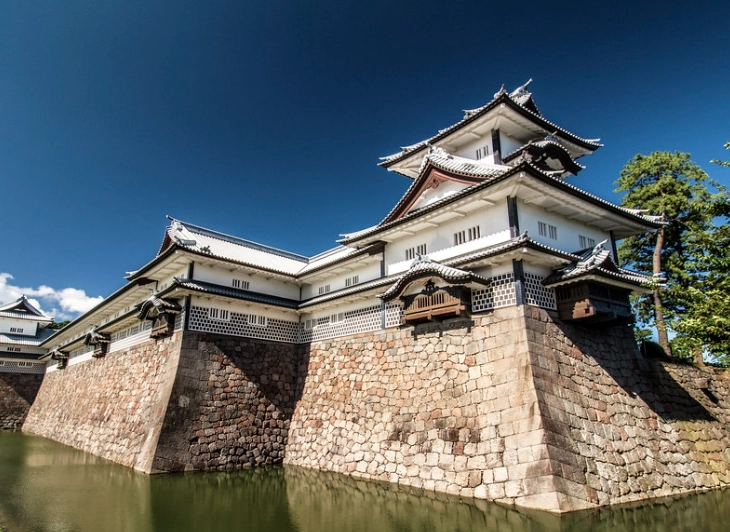
Kenrokuen is about delicate beauty, curated views, and strolling contemplation. The castle is about raw power, engineering, and walking across history's stage.
Here's a sample itinerary that actually works:
Morning (8:30 AM - 12:00 PM): Enter Kenrokuen Garden at opening. Enjoy the morning calm. Head towards the Kasumiga-ike pond and the iconic Kotoji-toro stone lantern. Exit via the Ishikawa-mon Gate directly into Kanazawa Castle Park.
Lunch (12:00 - 1:00 PM): Don't eat at the crowded garden cafes. Walk 5 minutes to the Kazue-machi or Higashi Chaya district. Find a casual soba or curry shop. Refuel.
Afternoon (1:00 PM - 4:00 PM): Re-enter the castle park (your combo ticket is good for re-entry to the garden if you kept the stub, but you likely won't need it). Now explore the castle with fresh legs. Visit the reconstructed buildings, then take the long walk around the outer stone walls. The afternoon light is perfect.
Pro Tips They Don't Tell You at the Gate
- Footwear is Non-Negotiable: The stone wall paths are uneven. The castle grounds are huge. Wear your most comfortable walking shoes. This is not a flip-flop adventure.
- There's No Real "Castle Keep": The main tenshu (keep) was never rebuilt after the 1602 fire. The site is marked by a flat, empty stone base. The reconstructed buildings are the auxiliary turrets and warehouses. Adjust your visual expectations accordingly.
- Water and Snacks: While there are vending machines near the main gates, options inside are limited. Carry a water bottle and a small snack.
- The Free Guide App: Search for "Kanazawa Castle Official Guide" on your phone's app store. It has offline maps, audio explanations, and a detailed history. Far better than the paper map.
- Weather Contingency: The castle grounds are exposed. If rain is forecast, pack a compact umbrella or raincoat. On sunny days, a hat and sunscreen are essential.
Your Burning Questions, Answered
What's the single best way to plan a visit to Kanazawa Castle and Kenrokuen Garden together?
Don't try to do them in one rushed morning. The classic mistake is buying the combo ticket and rushing through both. Instead, dedicate a full day. Start at Kenrokuen Garden right at opening (7 or 8 AM) to experience its famous morning serenity before the tour buses arrive. Then, exit via the Katsurazaka Gate, which leads directly to Kanazawa Castle Park. Have lunch at one of the casual eateries nearby. Spend your afternoon exploring the castle grounds at a leisurely pace, focusing on the rebuilt structures and the immense stone walls. This reverse flow (Garden first, Castle later) often has lighter crowds in the afternoon at the castle compared to the morning rush.
Is Kanazawa Castle worth visiting if it's a modern reconstruction and not the original?
Absolutely, but adjust your expectations. You're not visiting a dusty relic; you're visiting a masterclass in traditional Japanese carpentry and a symbol of civic pride. The value isn't in ancient artifacts (there are few), but in understanding the scale, defensive genius, and craftsmanship of a samurai headquarters. Focus on the details: the complex, nail-less wood joinery in the Gojukken Nagaya warehouse, the sheer variety of the stone walls, and the interactive displays showing the reconstruction process. It's a living history lesson, not a museum of original treasures. If you go in expecting a 'real' ancient castle like Himeji, you'll be disappointed. If you go in to appreciate a resurrected piece of engineering, you'll be impressed.
Where can I find the best photo spot of Kanazawa Castle that isn't crowded?
Skip the obvious shot from the main plaza. For a stunning, crowd-free view, head to the southeast corner of the castle park, near the Hashizume-mon Tsuzuki Yagura turret. There's a small, elevated grassy area that offers a perfect frontal view of the Ishikawa-mon Gate with the castle's white walls and black tiles rising behind it, framed by trees. It's particularly magical in the late afternoon light. Another local secret is the view from the upper floors of the nearby 21st Century Museum of Contemporary Art. You need a museum ticket, but the elevated, modern perspective contrasting with the traditional castle is unique.
How much time should I realistically budget for Kanazawa Castle?
Most people budget 60-90 minutes and only see 30%. To do it justice, plan for 2 to 2.5 hours if you include the adjacent Gyokusen'inmaru Garden. Spend 45 minutes inside the reconstructed buildings (Hishi Yagura, Gojukken Nagaya, Hashizume-mon Tsuzuki Yagura) to appreciate the interiors. Then, allocate at least an hour to walk the full perimeter along the top of the stone wall moats. This outer path gives you a true sense of the castle's defensive scale and offers different angles. The final 30 minutes can be for the garden or simply relaxing on the vast lawn of the main bailey. Rushing through in under an hour means you'll miss the immersive atmosphere.
Kanazawa Castle doesn't shout. It doesn't have a towering main keep to dominate postcards. It asks you to look closer—at the cut of a stone, the join of a beam, the sweep of a wall guarding an empty plaza. It's a story of loss and persistence told in wood, stone, and sheer will. Go with those eyes, and you'll leave with more than just photos.



Share Your Thoughts