Your Market Journey Awaits
- Why Bother with Local Markets Japan? (They're Not Just for Shopping)
- The Must-Visit Local Markets Japan Has to Offer
- What You'll Actually Find Inside a Japanese Local Market
- How to Navigate a Local Market in Japan Like a Pro (Not a Lost Tourist)
- The Unspoken Rules: Market Etiquette & Culture
- Your Local Markets Japan FAQ (Stuff You Were Afraid to Ask)
- Beyond the Guidebook: Finding Your Own Hidden Gem
Let's be honest. When you think of Japan, you probably picture sleek bullet trains, towering skyscrapers in Tokyo, and serene temples. Those are all amazing, sure. But if you really want to understand Japan, to smell it, taste it, and feel its daily rhythm, you need to step into its local markets. I'm talking about the kind of places where the air is thick with the sizzle of takoyaki, the shouts of vendors, and the scent of just-picked produce. Forget the sterile, silent aisles of a convenience store for a moment. This is where life happens.
My own love affair with local markets in Japan started years ago, completely by accident. I was lost in Kyoto, trying to find a specific temple, when I stumbled into Nishiki Market. One minute I was on a quiet street, the next I was in a narrow, covered lane bursting with energy. There were tanks of live eels, mountains of pickles in every color imaginable, and old ladies selling tiny, perfect strawberries. I bought a skewer of grilled scallop from a stall, and the vendor gave me a huge grin and a loud "Arigatou gozaimasu!" That simple interaction, that burst of flavor, felt more like "Japan" than any guidebook photo ever could. It was raw, real, and utterly captivating.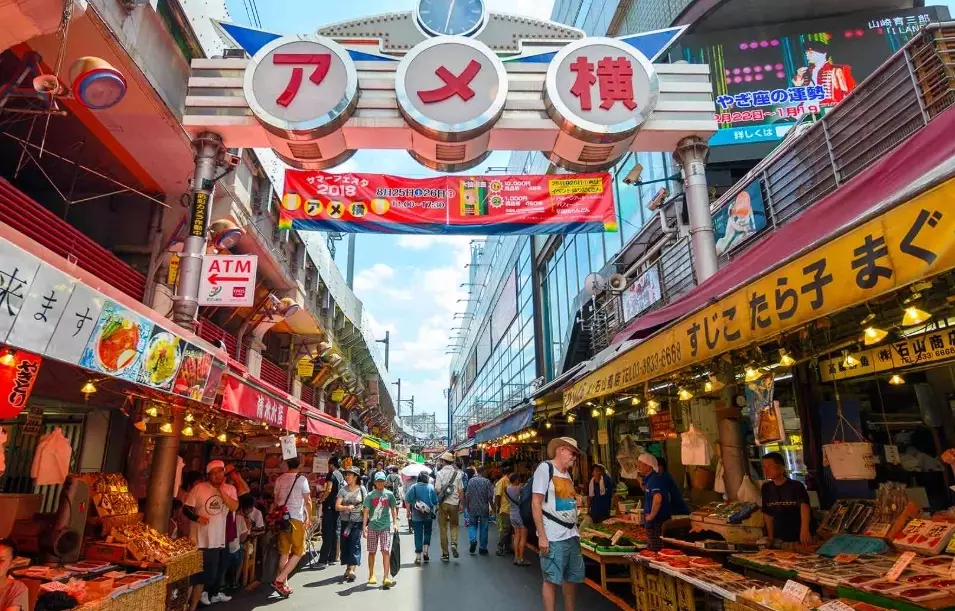
That's what this guide is for. I want to take you beyond the postcards and into the vibrant, sometimes chaotic, always fascinating world of Japanese local markets. Whether you're a foodie on the hunt, a shopper looking for unique crafts, or just a traveler wanting to see everyday Japanese life, these markets are your golden ticket.
Why Bother with Local Markets Japan? (They're Not Just for Shopping)
You could spend your entire trip in department store basements (depachika), and you'd eat very well. But you'd miss the point. Here’s why seeking out these markets is non-negotiable for a meaningful trip.
The Taste is Unbeatable. This is the biggest draw. The food is often prepared right in front of you, using ingredients that might have been harvested or caught that very morning. The difference between a supermarket fish and one bought from a gruff fisherman at a market like Tokyo's Toyosu (the successor to Tsukiji's inner market) is night and day. The uni is sweeter, the tuna more flavorful. It's freshness you can taste.
You Find Things You Won't See Anywhere Else. Mass-produced souvenirs? Forget it. At local markets in Japan, you'll find lacquerware from a specific town, indigo-dyed fabrics, quirky ceramic cups, vintage kimonos, and hand-forged knives. Each item has a story, often tied directly to the region's history and craftspeople. I still drink my morning coffee from a slightly wobbly, beautifully glazed cup I found at a small market in Kanazawa. It has more character than anything from a chain store.
It's a Cultural Experience, Not a Transaction. You're not just buying; you're observing. You'll see how housewives expertly select the best piece of fish, how vendors have friendly banter with regulars, and how tradition is preserved in simple daily acts. It's a window into a lifestyle. Sometimes you can even see crafts being made on the spot.
It's Often Better for Your Wallet. For fresh produce, seafood, and even some ready-to-eat snacks, prices at local markets can be significantly lower than in city-center supermarkets or restaurants. You can eat like a king on a budget. A filling lunch of various market snacks might cost you less than a basic set meal at a tourist-trap restaurant.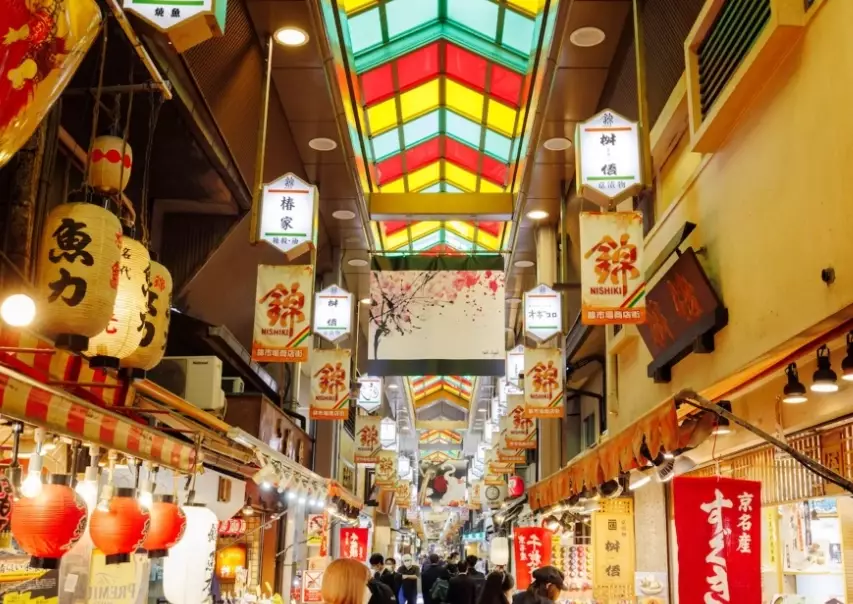
Trust me, the feeling of discovering a perfect, hidden stall is worth the slight hassle of navigating the crowds.
The Must-Visit Local Markets Japan Has to Offer
Japan is packed with markets, each with its own personality. Let's break them down by type so you can find the ones that match your vibe. Think of this as your hit list.
The Legendary Food Halls & Giant Markets
These are the big names, the destinations. They can be crowded with tourists, but for good reason. They're institutions.
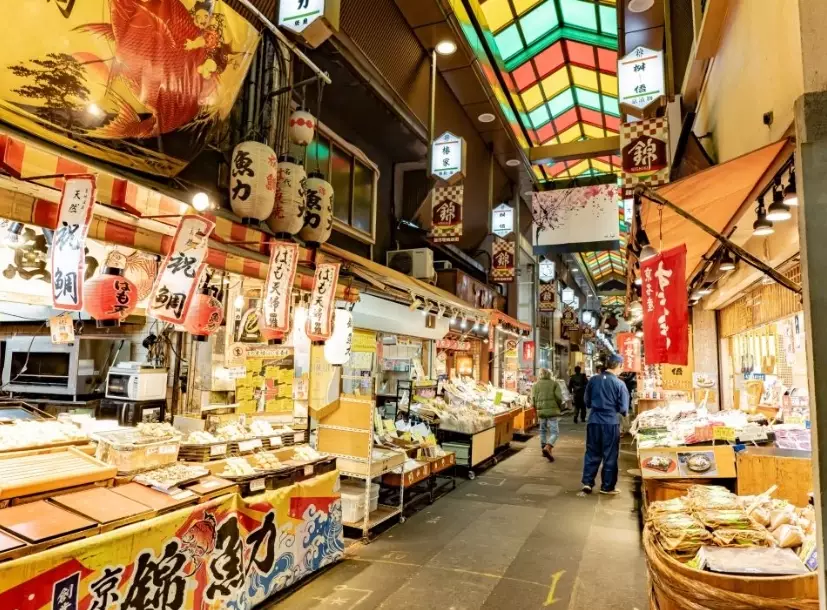
- Nishiki Market, Kyoto: Known as "Kyoto's Kitchen." It's a narrow, covered street stretching for blocks. Less about raw ingredients now and more about high-quality prepared foods, pickles, sweets, and kitchenware. It's touristy, yes, but the quality remains high. Don't miss the tamagoyaki (sweet rolled omelet) stalls or the myriad of tsukemono (pickle) shops. It's a fantastic, condensed introduction.
- Toyosu Market, Tokyo: This is the serious successor to the inner Tsukiji wholesale market. The tuna auction viewing is now from a sterile gallery, which I find loses the magic, honestly. But the wholesale and retail areas are still a marvel of logistics. For the best experience, head to the related "Uogashi" wholesale building or the outer market areas (like Tsukiji Jogai Shijo) for fantastic sushi breakfasts and retail shops. The official Toyosu Market website has viewing schedules and maps.
- Kuromon Ichiba, Osaka: Osaka is Japan's kitchen, and Kuromon is its bustling, noisy heart. It's less polished than Nishiki and feels more like a working market that also feeds hungry visitors. The seafood here is phenomenal—giant crab legs, fat oysters, and ultra-fresh sashimi bowls. The atmosphere is pure, unadulterated Osaka energy.
The Charming Morning Markets (Asaichi)
These are my personal favorites. They start at the crack of dawn and often wind down by noon. They're where locals do their daily shopping, and the sense of community is strong.
| Market Name | Location | Best For | The Vibe |
|---|---|---|---|
| Wajima Morning Market | Ishikawa Peninsula | Fresh seafood, lacquerware, local vegetables. | One of Japan's oldest, right by the sea. Small-town charm, direct from fisherfolk. |
| Kōtō Market (formerly Tsukiji Outer Market) | Tokyo | Sushi breakfast, kitchen knives, dried goods. | Still retains the chaotic, lively spirit of old Tsukiji. Get there early. |
| Takayama Morning Markets (Miyagawa & Jinya-mae) | Takayama, Gifu | Local crafts (sarabako woodwork), miso, pickles, fresh produce. | Picturesque setting along the river. Slow-paced and friendly. |
The Specialized & Quirky Markets
Not all markets are just about food. These focus on specific goods and attract a different crowd.
Flea Markets & Antique Markets: Places like the Tokyo City Flea Market (held at various locations like Ohi Racecourse) or the Toji Temple Market in Kyoto (on the 21st of each month) are treasure troves. You can find everything from vintage kimono and ukiyo-e prints to old cameras and mid-century furniture. Bargaining is more acceptable here, but do it with a smile.
Craft Markets: Often held at temples or community centers, these focus on handmade goods. The Mingei (folk craft) markets are excellent for finding pottery, textiles, and baskets from specific regions. Check local tourism boards for schedules.
What You'll Actually Find Inside a Japanese Local Market
Let's take a virtual walk through a typical, good-sized local market in Japan. It's usually organized into loose zones, even if it doesn't look like it at first.
The Food Zone: This is the main event.
- Seafood: This is king. Look for glistening sashimi arranged on beds of ice, whole fish, shellfish, and often tanks with live creatures. Hokkaido markets will have sea urchin and crab. Coastal markets will have the local catch of the day.
- Produce: Fruits and vegetables are often displayed like works of art. Look for regional specialties: giant Kyushu daikon, perfect Shizuoka melons (expensive but a treat!), or Yubari King melons in Hokkaido.
- Prepared Foods & Street Food: The reason you come hungry. Takoyaki (octopus balls), taiyaki (fish-shaped cakes), yakitori (grilled skewers), croquettes, grilled scallops, mochi, fresh fruit juices... the list is endless. This is where you graze.
- Pickles (Tsukemono): A universe of their own. From the familiar yellow takuan (daikon) to strange, crunchy purple things. Many stalls offer samples.
- Sweets & Dry Goods: Rice crackers (senbei), regional candies, high-quality tea, dried seaweed, and dashi stock ingredients.
The Non-Food Zone:
- Kitchenware & Knives: A great place to buy a genuine Japanese chef's knife or beautiful ceramic tableware. Sushi-ya in Tokyo's Kappabashi area (the "kitchen town" near Asakusa) is a famous spot, but many markets have smaller stalls.
- Ceramics & Pottery: From rustic Bizen ware to delicate Arita porcelain. You can find small, affordable cups or bowls as perfect souvenirs.
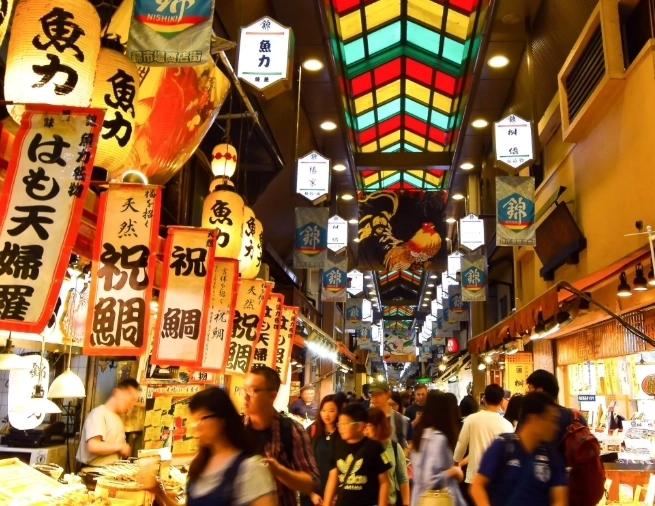
- Textiles & Crafts: Tenugui (cotton hand towels), furoshiki (wrapping cloths), local fabrics, and traditional toys.
- Souvenirs: Often the higher-quality, locally-made kind, not the plastic trinkets.
How to Navigate a Local Market in Japan Like a Pro (Not a Lost Tourist)
This is the practical stuff that makes the difference between a stressful scrum and a joyful adventure.
Timing is Everything. For morning markets, go early. I mean 8 or 9 AM. The produce is freshest, the crowds are thinner, and you'll see the market at its most active. For big markets like Nishiki or Kuromon, late morning is fine, but expect crowds. Many food stalls start running out of popular items by early afternoon. Some markets, especially smaller local ones, are only open a few days a week. Always check ahead.
Cash is (Still) King. While more places accept credit cards now, especially in tourist-heavy spots, always carry plenty of yen in small denominations. That old lady selling amazing grilled mochi from a tiny stall? She's almost certainly cash-only. You don't want to miss out because you only have a 10,000 yen note.
The Language of Buying. You don't need fluent Japanese. A few key phrases go a long way.
- Pointing and smiling is perfectly acceptable.
- To ask for one: "Hitotsu kudasai" (hee-toh-tsoo koo-dah-sah-ee).
- To ask for two: "Futatsu kudasai" (foo-tah-tsoo...).
- To ask "How much?": "Ikura desu ka?" (ee-koo-rah dess kah?).
- When handing over money, it's polite to place it in the small tray (kaisen bako) usually provided, not directly into the vendor's hand.
Etiquette Alert: Don't eat while walking if the stall doesn't have a dedicated eating area. Many market stalls expect you to eat right there, dispose of your trash (they'll have a small bin), and move on. If you're unsure, watch what locals do or ask "Tachigui desu ka?" (Can I eat standing here?). Eating while strolling is considered a bit rude in many traditional settings.
Bring Your Own Bag. Japan is serious about plastic reduction now. Most stalls will not automatically give you a bag and may charge a few yen if you need one. Tote bags are your best friend.
Comfort is Key. Wear comfortable shoes. You'll be standing and walking on sometimes uneven surfaces for hours. Dress in layers—it can be cold outside but warm and steamy inside covered markets.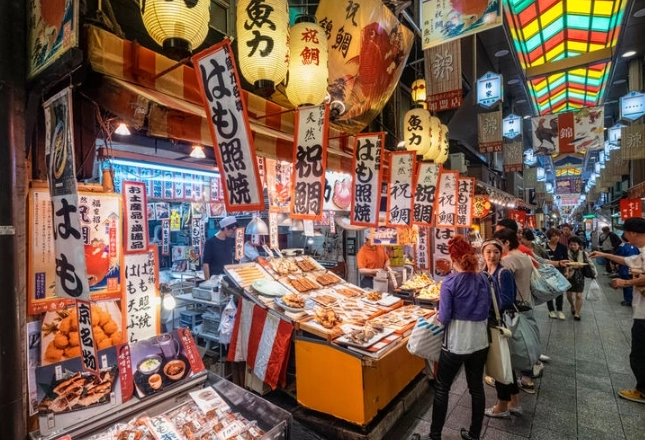
Just relax. No one expects you to be an expert. A respectful and curious attitude is your best tool.
The Unspoken Rules: Market Etiquette & Culture
This is where you can really show respect and blend in. Japanese markets operate on a system of quiet harmony, even when they seem chaotic.
Sampling: If there's a sample bowl out, it's free game. If not, don't ask to try something unless it's explicitly offered. For items like pickles or dried fruit, vendors will often offer a taste with a toothpick if you show interest.
Photography: Always, always ask first before taking a close-up photo of a person, their stall, or their food. A simple gesture with your camera and a questioning look, or saying "Shashin ii desu ka?" (shah-sheen ee dess kah?) is polite. Most will nod happily. Never use a flash on food—it ruins the presentation for others.
Touching Goods: It's generally fine to gently handle non-food items like ceramics or fabrics. For food, especially delicate produce or arranged seafood, keep your hands to yourself. Let the vendor handle it.
Bargaining: Almost never done at regular food or produce markets. The price is the price. The only exception is flea markets or antique markets, where some gentle haggling might be expected, but it's still low-key. Don't be that person trying to argue down the price of a mango.
Paying and Receiving: As mentioned, use the tray. When receiving your change or your goods, receive it with both hands, or with one hand gently supporting the other forearm. It's a small gesture of respect.
Trash: Japan has a complex sorting system, but in markets, you'll usually just see bins for burnable trash and maybe cans/bottles. Follow the signs. If you can't find a bin, the rule is: you carry your trash with you until you do. Never leave it on a stall counter.
Your Local Markets Japan FAQ (Stuff You Were Afraid to Ask)
Beyond the Guidebook: Finding Your Own Hidden Gem
While the famous spots are great, the real magic often happens off the beaten path. Here's how to find those lesser-known local markets Japan is hiding.
Ask Your Accommodation. The staff at your ryokan, hotel, or guesthouse are your best resource. Ask them: "Is there a good shotengai (shopping street) or ichi (market) nearby where locals shop?" They'll often point you to a quiet street with a few fantastic stalls you'd never find online.
Look Near Train Stations in Smaller Towns. When traveling between cities, if you have time, get off at a smaller station. Often, the shotengai leading out from the station will have a wonderful, authentic mix of shops and a few market-style vendors.
Check Local Government Websites. For example, the Kyoto City official website or sites for smaller towns often list local festivals and markets that don't make it into international guidebooks. It takes a bit of digging (and Google Translate), but it's worth it.
Just Wander. Sometimes the best strategy is to put away the map. Get lost in a residential neighborhood. You might stumble upon a tiny weekly farmers' market in a temple courtyard or a single, brilliant fishmonger that supplies the entire block.
My final piece of advice? Go with an empty stomach, an open mind, and a sense of curiosity. Let yourself be surprised. That strange, spiky fruit? Try it. That tiny stall with the long line of locals? Get in it. The world of local markets in Japan is a direct line to the country's warmth, craftsmanship, and culinary soul. It's the antithesis of a packaged tour. It's real, it's messy, and it's utterly unforgettable. That's the Japan you'll remember long after the trip is over.
So, which market will be your first stop?
Share Your Thoughts