Tokyo in four days. It sounds impossible, right? The city is a sprawling beast of neon, tradition, and endless alleyways. Trying to see it all is a recipe for exhaustion. I've been visiting and living in Tokyo on and off for over a decade, and the biggest mistake first-timers make is trying to tick off every single guidebook listing. You'll spend more time on trains than in temples.
This itinerary is different. It's built on a simple principle: geographic and thematic grouping. We'll tackle one major area per day, mixing the iconic postcard moments with quieter, authentic experiences that most rushed tours skip. We'll cover how to get there, what it costs, and the little secrets that make each spot special. Forget just seeing Tokyo—this is about experiencing its rhythm.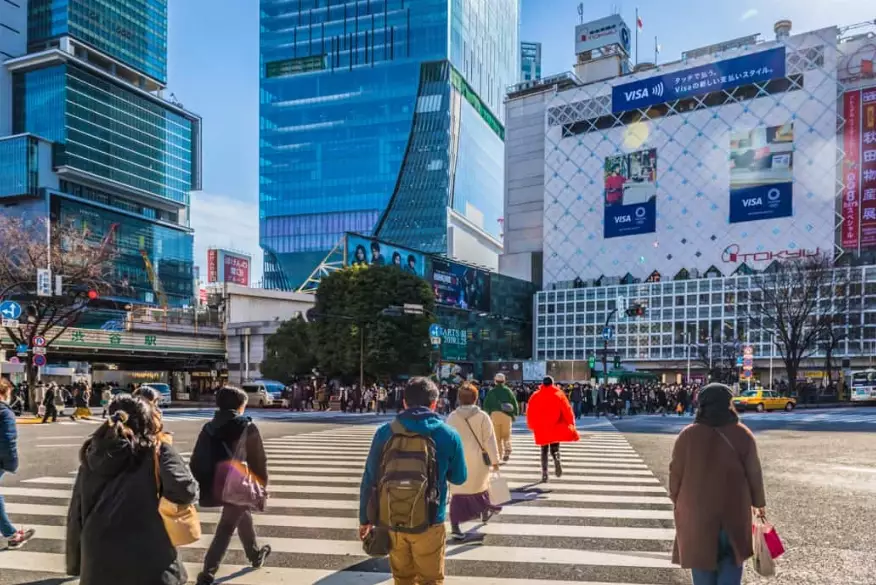
Your 4-Day Tokyo Game Plan
Day 1: Modern Icons & Neon Dreams (Shibuya, Shinjuku)
Hit the ground running with Tokyo's most recognizable landscapes. Today is about scale, energy, and that famous crossing.
Shibuya Scramble & Hachiko
Start at the Shibuya Scramble Crossing. Don't just cross it—observe it. The best free view is from the second-floor Starbucks in the Tsutaya building (it's always crowded, go early). The statue of Hachiko, the loyal dog, is the default meeting spot. It's small, often surrounded by crowds, but it's a cultural touchstone. Pro tip: For a truly breathtaking aerial view, head to the Shibuya Sky observation deck. Book tickets online in advance to skip lines. It's pricey (approx. 2,200 yen) but worth it for the 360-degree open-air view.
Meiji Jingu Shrine
Just a 10-minute walk from Harajuku Station, this is your first taste of serenity. Meiji Jingu is a massive forested shrine dedicated to Emperor Meiji. The contrast from Shibuya's chaos is jarring and beautiful. Entrance is free. Wander the forest paths, cleanse your hands at the temizuya (water pavilion), and soak in the atmosphere. If you're lucky, you might witness a traditional Shinto wedding procession.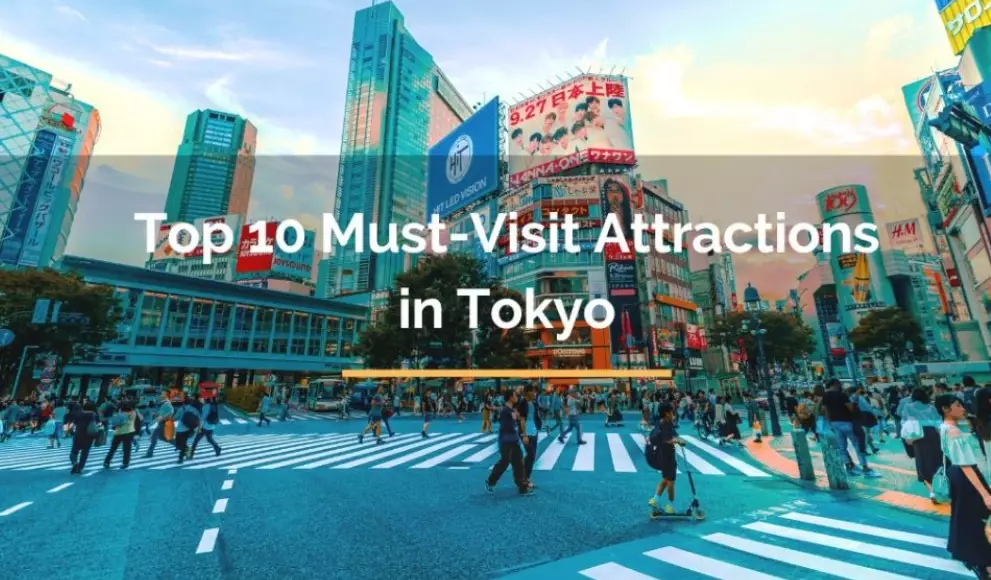
Lunch Spot: Head to Uobei Shibuya Dogenzaka for a fun, ultra-efficient conveyor belt sushi experience where you order via tablet and plates zoom to you on a track. It's cheap, fast, and surprisingly good. Expect to spend 1,000-1,500 yen per person.
Shinjuku Gyoen National Garden & Metropolitan Building
Take the JR Yamanote Line to Shinjuku. Shinjuku Gyoen is a stunning blend of Japanese traditional, French formal, and English landscape gardens. The 500 yen entry fee is a steal for the peace. Afterwards, walk to the Tokyo Metropolitan Government Building. Skip the expensive skyscraper observatories—this one has two free observation decks on the 45th floor. The south deck is usually less crowded. Go just before sunset to see the city transition from day to neon night.
Omoide Yokocho & Golden Gai
For dinner, dive into old Shinjuku. Omoide Yokocho ("Memory Lane") is a network of tiny, smoky yakitori (grilled skewer) stalls under the railway tracks. It's cramped, authentic, and loud. Pick a stall with an open seat. Point at what looks good. A few skewers and a beer will cost around 2,000 yen. Later, peek into Golden Gai, a block of minuscule, themed bars. Many are for regulars, but some have English signs welcoming tourists. Drinks are pricey (1,000 yen cover charge plus drink cost is common), so treat it as a sightseeing experience.
Day 2: The Historical Heart & Pop Culture (Asakusa, Akihabara)
Today swings from ancient Buddhism to the epicenter of modern otaku culture. It's a study in contrasts.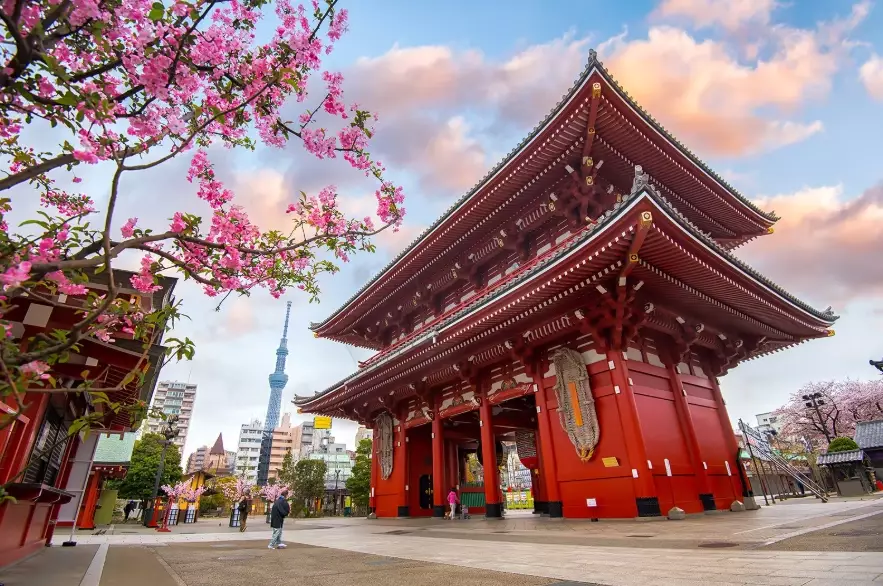
Senso-ji Temple & Nakamise-dori
Start at Asakusa Station (Ginza Line). Walk down Nakamise-dori, the bustling approach to Senso-ji, Tokyo's oldest temple. The street food here is part of the attraction—try fresh ningyo-yaki (small cake filled with red bean paste) or age-manju (fried sweet bun). At the Kaminarimon (Thunder Gate), cleanse yourself with the smoke from the giant incense burner—it's believed to bring health. The temple grounds are free to enter. Draw an omikuji (fortune slip) for 100 yen. If you get a "bad fortune," tie it to the designated rack to leave the misfortune behind.
Tokyo Skytree vs. Asakusa Culture View
The Skytree looms nearby. Tickets start at 2,100 yen for the Tembo Deck (350m). The view is undeniably spectacular, but it's expensive and can be crowded. My alternative? The Asakusa Culture and Tourism Center, directly across from Kaminarimon. Go to its 8th-floor free observation terrace. You get a perfect, unobstructed view of Senso-ji and the Nakamise-dori approach, with the Skytree in the background. It's a fantastic photo op without spending a yen.
Akihabara Electric Town
Take the Ginza Line to Ueno, then the JR Yamanote Line to Akihabara. This is the kingdom of anime, manga, and electronics. Don't just wander the main strip. Dive into a multi-story haven like Yodobashi Camera or Bic Camera for every gadget imaginable. For anime goods, Mandarake Complex is an institution for vintage and new items. Feeling brave? Try a themed maid cafe. The service is sweetly over-the-top, but be aware of mandatory drink charges and photo fees. It's an experience, not a cheap meal.
A quick note on electronics: Major appliances are often Japan-specific voltage. For cameras, headphones, and game consoles, you can find great deals, especially with tax-free shopping for tourists.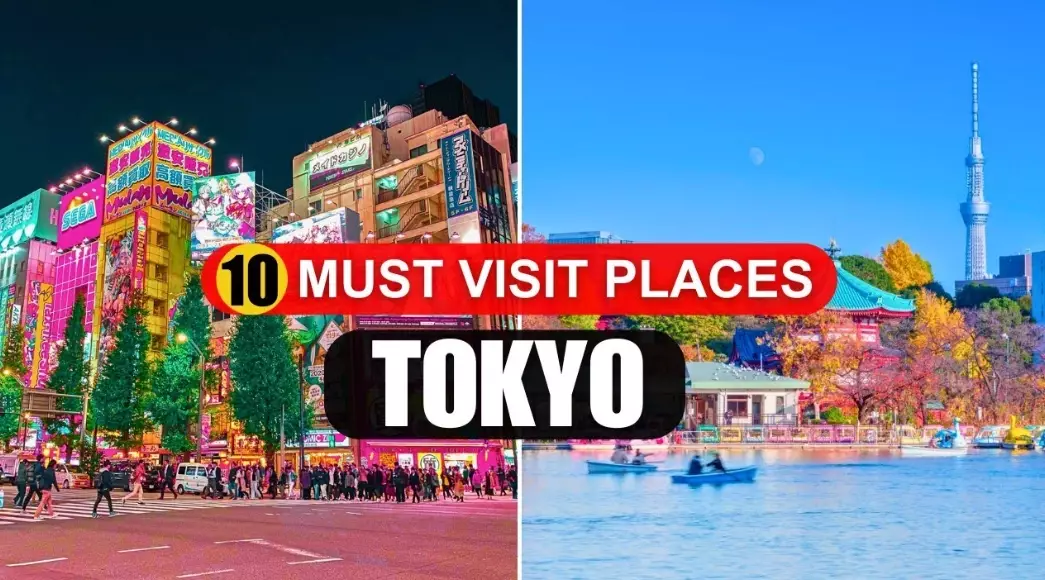
Day 3: Artisan Alleyways & City Views (Ueno, Yanaka, Roppongi)
Escape the main tourist trails for a slower, more artistic day, capped with the city's most polished night view.
Ueno Park & Museums
Ueno Park is a cultural hub. You could spend a whole day here. Pick one museum based on your interest. The Tokyo National Museum (1,000 yen) houses the world's finest collection of Japanese art and artifacts. The National Museum of Nature and Science (630 yen) is fantastic for families. The park itself is free, home to Shinobazu Pond and several shrines. On weekends, it's a popular spot for locals to relax.
Yanaka Ginza & Nezu
A 15-minute walk south from Ueno Park brings you to Yanaka Ginza, a shotengai (shopping street) that feels frozen in the Showa period. This area survived the war and the 1923 earthquake. It's low-rise, filled with independent craft shops, old-fashioned snack stalls (try the menchi-katsu, a deep-fried minced meat cutlet), and a distinct lack of chain stores. Continue to Nezu Shrine. While its main hall is beautiful, the hidden gem is its azalea garden (best in late April/May). Even outside bloom season, the tunnel of bright red torii gates rivals the more famous Fushimi Inari in Kyoto on a smaller, crowd-free scale.
Roppongi Hills & Mori Art Museum
As evening falls, head to Roppongi. Roppongi Hills is a sleek, self-contained city complex. The main draw is the Tokyo City View observatory in the Mori Tower. A combined ticket for the observatory and the Mori Art Museum (which features excellent contemporary art exhibitions) costs around 2,200 yen. The indoor observatory is great, but for an extra 500 yen, you can access the open-air Sky Deck (weather permitting). The view of Tokyo Tower and the sprawling city lights is, in my opinion, more dramatic and better composed than from Shibuya Sky or the Metropolitan Building.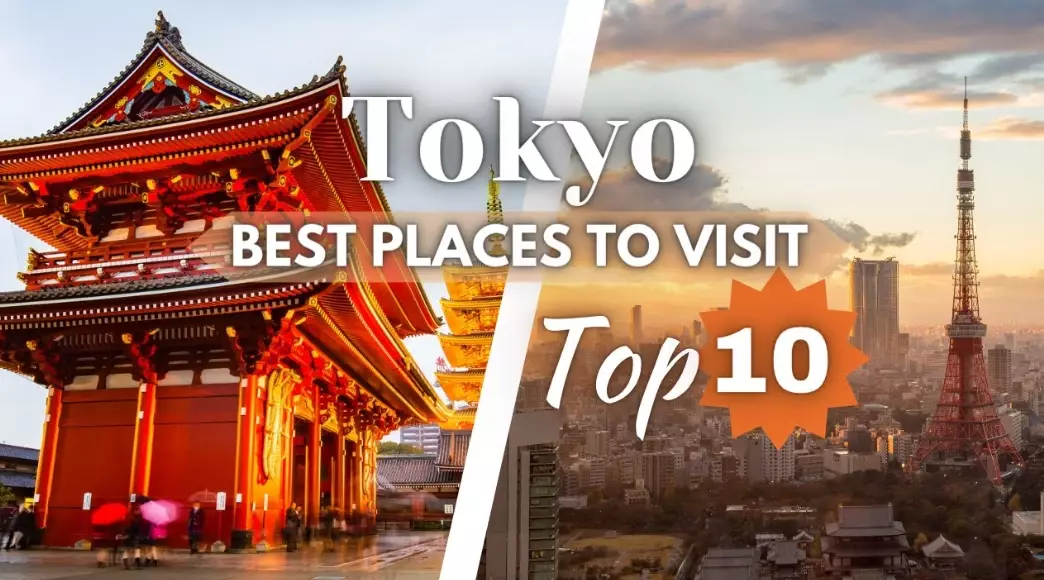
Day 4: Local Vibes & Final Feasts (Tsukiji, Ginza, Imperial Palace)
Use your last day to explore sophisticated neighborhoods and secure those final food memories.
Tsukiji Outer Market
The inner wholesale market moved to Toyosu, but the Tsukiji Outer Market is alive and kicking. Go hungry and early (by 9 AM). This is a working market, so be respectful. Weave through the stalls selling fresh seafood, knives, and pickles. Eat your way through: a fatty otoro (tuna belly) sashimi bowl, freshly grilled scallops on the shell, tamagoyaki (sweet rolled omelette). Don't queue for an hour for the "most famous" stall—the quality everywhere is top-tier. It's a culinary adventure.
Ginza Shopping & Architecture
From Tsukiji, walk to Ginza. This is Tokyo's upscale shopping district. Window-shop at flagship stores like Mitsukoshi, Uniqlo (the massive 12-floor flagship), and Itoya, a stationery lover's paradise. Even if you're not buying, admire the architecture. The Ginza Six building has a stunning Noh-inspired rooftop garden that's free to access.
Imperial Palace East Gardens
A short walk from Tokyo Station, the Imperial Palace East Gardens are the only part of the palace grounds generally open to the public without a tour application. Entry is free. It's a vast, serene space of lawns, moats, and the ruins of the old Edo Castle keep. It offers a completely different, more austere historical perspective compared to Senso-ji. A perfect place for a reflective final stroll.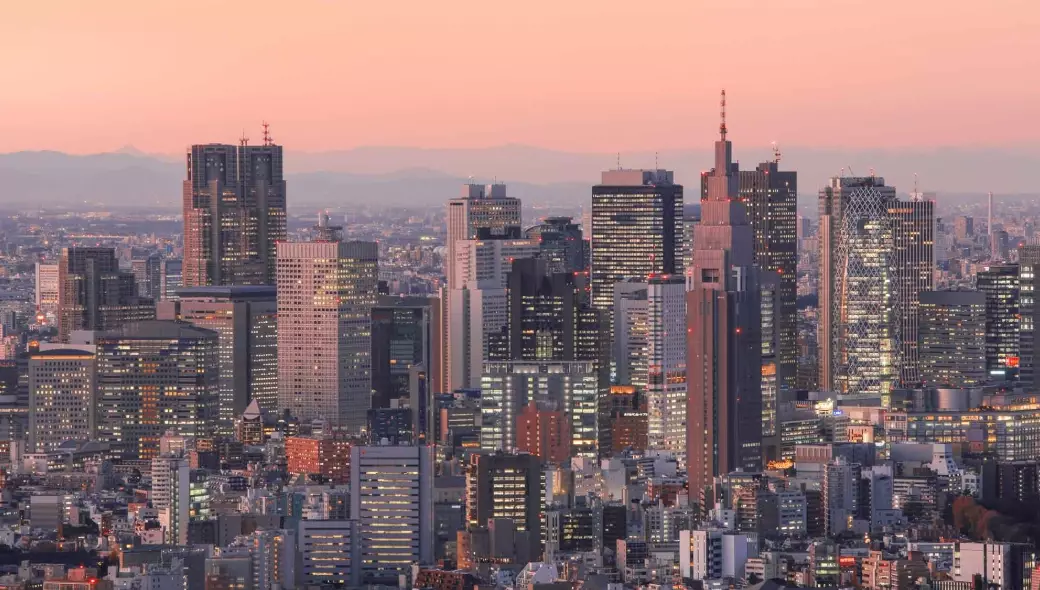
Final Dinner Idea: For your last meal, try a proper tonkatsu (breaded, deep-fried pork cutlet) restaurant. Maisen in Aoyama (or its branch in the basement of the Atré department building at Tokyo Station) is legendary. You choose the specific cut of pork, and it comes with unlimited cabbage, miso soup, and rice. A set meal costs between 1,800 and 3,500 yen. It's a hearty, deeply satisfying Japanese classic.
Tokyo Travel Logistics & Budget Tips
Getting this right saves money and stress. Here's the essential data.
| Item | Details & Recommendations | Estimated Cost (Per Person) |
|---|---|---|
| Transportation | Get a Suica or Pasmo IC card from any station vending machine. Tap in/out on all trains, subways, and buses. For this itinerary, a multi-day pass is unlikely to save money. Consider a 24-hour Tokyo Metro pass (600 yen) only if you plan 3+ long metro trips in a day. For Narita/Haneda airport access, compare the cost of the Narita Express/Skyliner or Limousine Bus against regular trains. | 1,500 - 2,500 yen/day |
| Accommodation | Stay near a JR Yamanote Line station (Shibuya, Shinjuku, Ueno, Tokyo, Ikebukuro) for easiest access. Business hotels (like APA, Dormy Inn) offer clean, tiny rooms. For more space, look at serviced apartments in less central areas like Shinagawa or Kiba. | 8,000 - 15,000 yen/night |
| Food | Breakfast from convenience stores (7-Eleven, Lawson) is cheap and delicious (300-500 yen). Lunch sets (teishoku) are great value (800-1,500 yen). Dinner at casual restaurants or izakayas (1,500-3,000 yen). Splurge on one nice meal. | 3,000 - 6,000 yen/day |
| Attractions | Mix free sights (temples, gardens, government building observatories) with 2-3 paid major attractions (Skytree/Shibuya Sky, a museum, etc.). Book major tickets online to save time. | 1,000 - 3,000 yen/day |
Always carry cash. While credit cards are more common, many small restaurants, market stalls, and shrines only accept yen.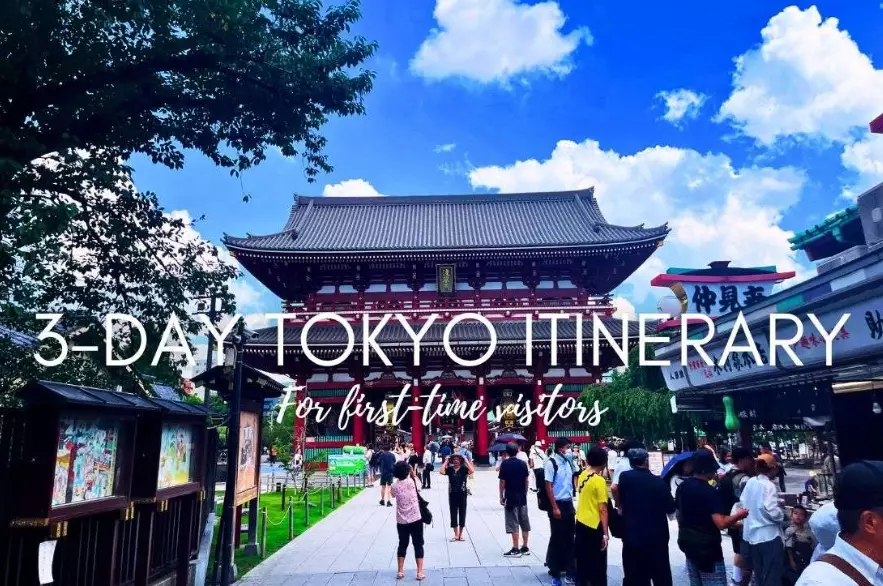
Tokyo Travel FAQ: Your Questions Answered
 Should I get the Japan Rail (JR) Pass for just Tokyo?
Share Your Thoughts