Moving to or visiting Japan with a disability can feel daunting. You hear stories about crowded trains, narrow streets, and a culture that might not openly discuss differences. But here's the reality I've learned after years here: Japan has a robust, though sometimes complex, system of support. The challenge for foreigners isn't a lack of infrastructure, but knowing how to navigate it. This guide cuts through the confusion. We'll cover your legal rights, how to access financial benefits, the real state of physical accessibility, and the specific resources available to non-Japanese speakers. Forget vague assurances. We're getting into the specifics of applying for a disability certificate, booking accessible transport, and finding support when you need it.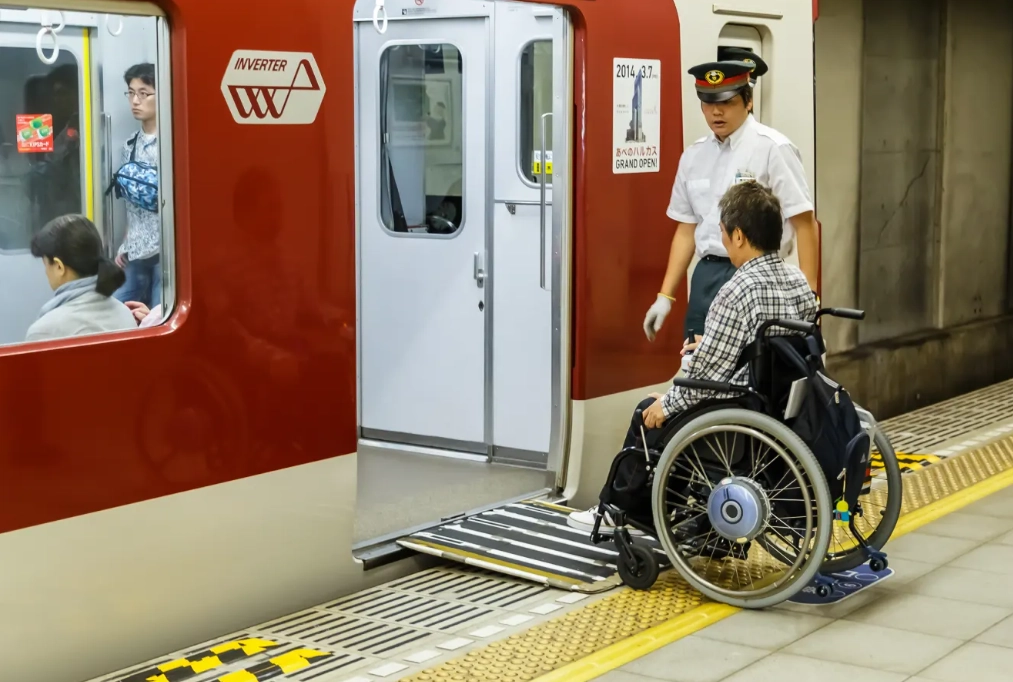
In This Article, You'll Learn
The Legal Framework: Your Rights in Japan
Japan's key law is the Act on the Elimination of Discrimination against Persons with Disabilities, enacted in 2016. The core principle for foreigners to understand is "reasonable accommodation." This means businesses, landlords, and public entities must make necessary modifications to ensure you can access their services, unless it imposes an "undue burden."
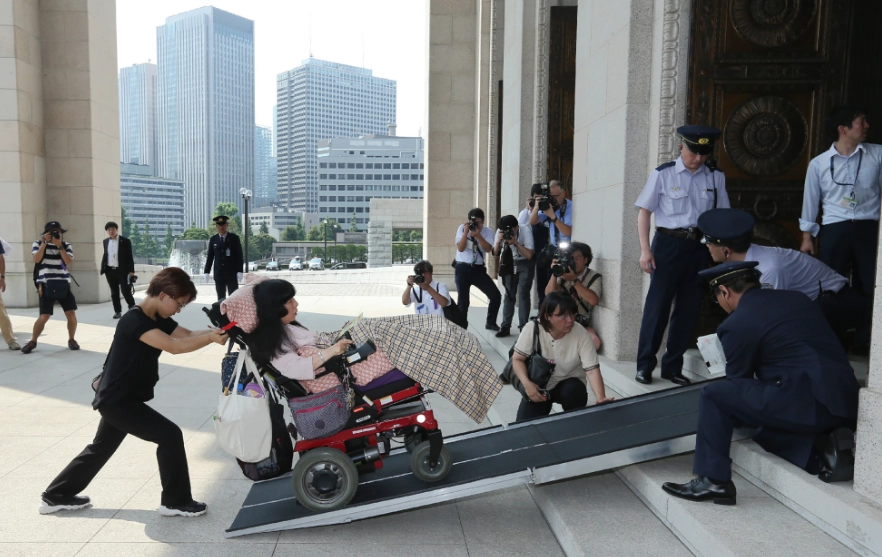
What does this look like in practice? If you use a wheelchair, a restaurant with a step should provide a portable ramp. A city office must provide documents in an accessible format if requested. The law covers physical, intellectual, mental, and developmental disabilities.
Another crucial piece is the Service and Assistance Dog Act. Certified guide dogs, hearing dogs, and service dogs must be allowed access to almost all public spaces, including trains, restaurants, and hotels. You'll rarely face issues with large, well-marked guide dogs. The bigger hurdle can be with smaller psychiatric service dogs, where awareness is still growing.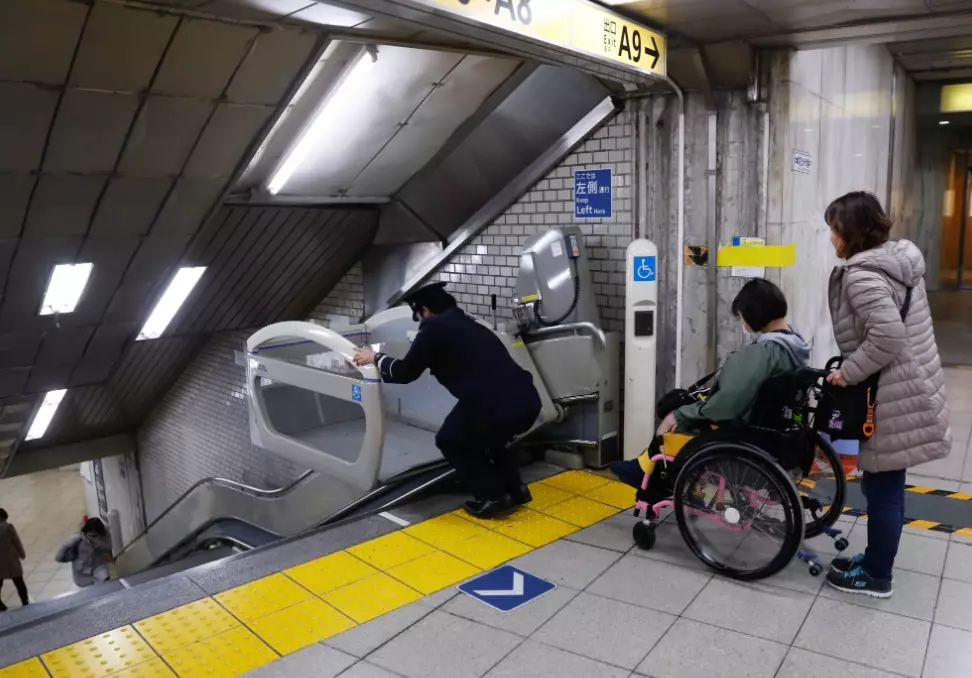
How to Apply for a Japanese Disability Certificate (Shōgaisha Techo)
The Shōgaisha Techo (障害者手帳) is the golden ticket. It's not mandatory, but life is significantly easier with it. It provides discounts on public transport, taxis, entry fees to public facilities, and sometimes utilities. More importantly, it's tangible proof of your disability when requesting reasonable accommodation.
There are three main types: Physical Disability, Intellectual Disability, and Mental Disability. The application process is administrative but requires persistence.
The Step-by-Step Application Process for Foreigners
Step 1: Determine Your Municipality Office. You apply at the Disability Welfare Section (Shōgaisha Fukushi-ka) of your local city or ward office. If you live in Shinjuku, Tokyo, you go to the Shinjuku City Office.
Step 2: Gather Documentation. This is the critical part. You'll need:
- Application form (from the office).
- Photo.
- Your Residence Card.
- A medical certificate (Shōgaishi no Shindan Shō). This must be completed by a Japanese-licensed doctor. A certificate from your home country will not be accepted. You must see a doctor here. The form is specific and the doctor must detail your condition and its impact on daily life according to Japanese classification standards.
Step 3: Submit and Wait. The office reviews your application, which can take 1-3 months. They will mail the certificate to your registered address.
Foreigner-Specific Hurdles & Tips
The biggest obstacle is the medical certificate. Not all doctors are familiar with the form. Search online for "[Your City] 障害者手帳 診断書" to find clinics that offer this service. Expect to pay ¥5,000 - ¥10,000 for the consultation and form. Language is another barrier. Bring a fluent Japanese speaker or use a translation service. Some city offices have interpretation support if requested in advance.
My own experience? The clerk was helpful but confused by my foreign name on the forms. We had to double-check everything matched my Residence Card exactly. Patience is key.
Accessibility in Daily Life & Travel
Japan's accessibility is a patchwork. Major cities and new facilities are often excellent. Older areas and rural towns can be challenging. Here’s a breakdown by category.
Public Transportation: Trains, Buses, and Taxis
Major train stations (JR, Tokyo Metro, etc.) have elevators, tactile paving, and accessible toilets. However, exits with elevators might not be the most convenient. Always check station maps on apps like Japan Travel by Navitime or the official JR East app, which filter for barrier-free routes.
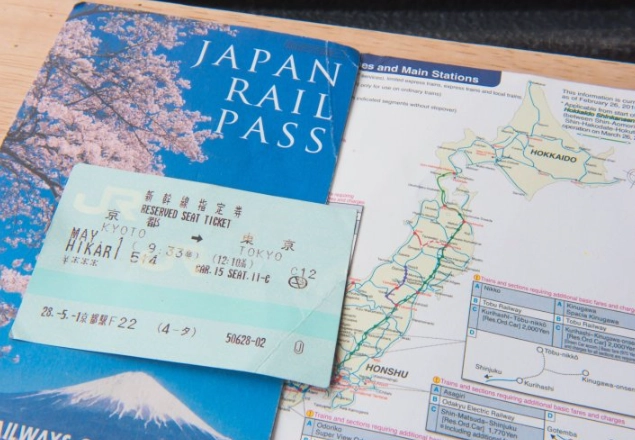
For long-distance Shinkansen travel, you can book the "Wheelchair Space" seat online or at a ticket office. Do this well in advance, as there's only one per car. JR East offers a helpful "Omotenashi" (Assistance) Service where staff can help you navigate large stations. You can reserve this service online.
Buses are hit or miss. Many city buses kneel and have ramps, but not all. Don't assume. Taxis are a reliable alternative. With a disability certificate, you can apply for discount coupons in many cities, making taxi travel more affordable.
Accommodation & Attractions
Booking accessible hotel rooms requires proactive communication. Look for the official "Barrier-Free Room" label on booking sites. Even then, email the hotel directly. Ask specific questions: "What is the exact width of the bathroom door?" "Is there a roll-in shower with a seat?" "Are there grab bars next to the toilet?" Vague inquiries get vague answers.
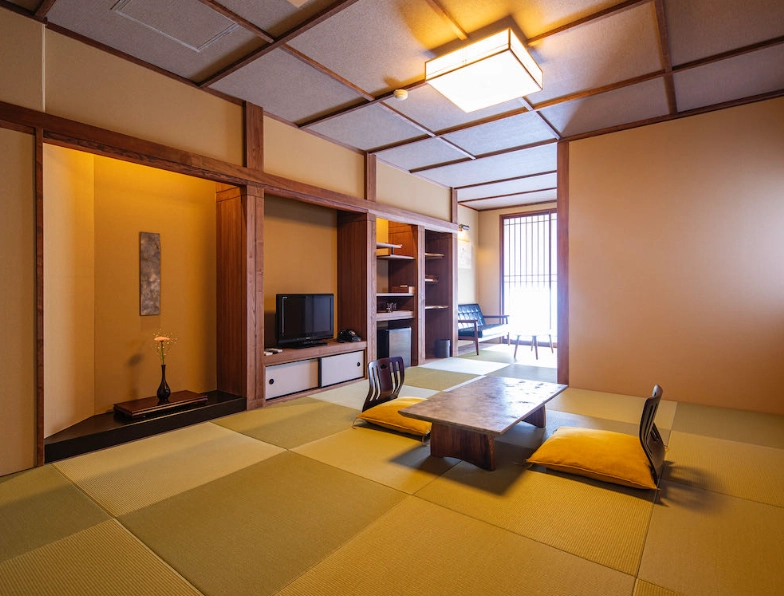
Most major tourist attractions (museums, castles, parks) have good access. The Tokyo Metropolitan Government Building observatories are fully accessible. Tokyo Disneyland and USJ have extensive disability access programs. However, traditional temples and ryokans (inns) with tatami floors and deep bathtubs are often inaccessible. Always check their official website or call.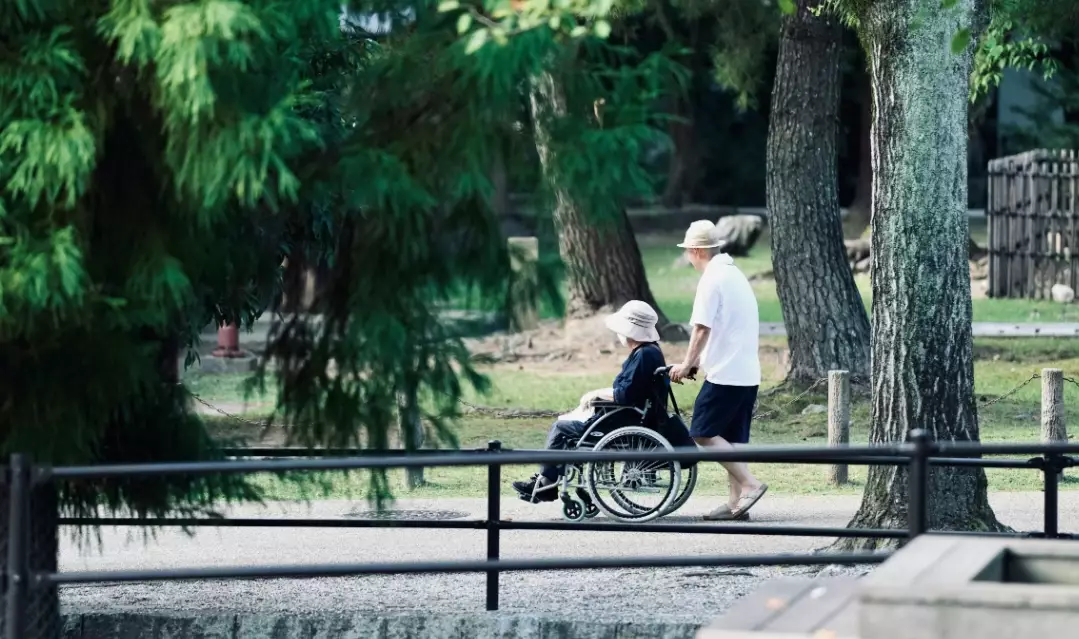
| Service/Need | Key Action | Pro Tip |
|---|---|---|
| Train Travel | Book wheelchair spaces in advance. | Use JR East's "Omotenashi" online booking for station assistance. |
| Hotel Stay | Email hotel directly with specific questions. | Ask for photos of the accessible bathroom to avoid surprises. |
| Disability Discounts | Present your Shōgaisha Techo at ticket counters. | Discounts vary (often 50% off for you + one companion). |
| Emergency | Dial 119 for ambulance/fire. | Keep a written card in Japanese stating your disability and critical needs. |
Foreigner-Friendly Support Services & Resources
You don't have to figure this out alone. Several organizations cater specifically to foreigners.
Tokyo English Life Line (TELL): While not disability-specific, TELL provides confidential mental health support and counseling in English. For those with psychosocial disabilities or struggling with adjustment, this is a vital resource.
Local Government International Affairs Sections: Many city wards with large foreign populations (e.g., Minato, Shibuya) have international support desks. They can help translate during municipal procedures, including disability-related applications.
Accessible Travel & Tourism Organizations: Accessible Travel Japan is a for-profit but highly knowledgeable company that plans accessible trips. Their website blog is a treasure trove of specific reviews.
For finding personal care assistants (Kaigo workers) who speak English, it's tough but not impossible. Agencies like CareFinder connect families with caregivers, some of whom are bilingual. The national long-term care insurance (Kaigo Hoken) may cover costs, but eligibility for foreigners depends on your age, visa type, and insurance enrollment.
Your Questions, Answered (FAQ)
My disability documentation is from my home country. Will it be accepted for getting a Shōgaisha Techo?
No, it won't be accepted as a direct substitute. The Japanese system requires a specific medical diagnosis form filled out by a doctor licensed to practice in Japan. Think of your foreign documentation as a helpful reference for the Japanese doctor. Bring translated copies to your appointment to help them understand your medical history, but the official judgment and form completion must be done locally.
I'm visiting Japan for two weeks as a wheelchair user. Is it worth trying to get a temporary disability pass?
There is no temporary certificate for short-term visitors. Your strategy should focus on pre-booking and research. Contact major attractions and hotels ahead of time. For transport, use the "Omotenashi" service for station help and always look for the universal access symbols. Many private railways and buses offer discounts if you show an official disability ID from your home country, but it's at their discretion. Always ask politely. The key for short visits is meticulous planning, not bureaucratic paperwork.
 I have an invisible disability (e.g., autism, PTSD, chronic pain). How do I request accommodations without facing skepticism?
This is one of the hardest situations. Japanese society is improving but still heavily reliant on visible cues. If you have a Mental Disability Handbook, showing it can help. For situations like needing a quiet space at an airport or pre-boarding a plane, contact the service provider in advance via email. Written communication allows you to explain clearly without the pressure of a real-time interaction. You can also get a card from the Japan Invisible Disabilities Association (in Japanese) that explains your condition. The most effective approach is a calm, clear, one-sentence request (e.g., "Due to a medical condition, I need to sit while waiting") rather than a detailed explanation on the spot.
Are there any support groups for expats or foreign residents with disabilities in Japan?
Formal groups are rare, but communities exist online. Facebook groups like "Disability in Japan" and "International Parents of Children with Special Needs in Japan" are active. Platforms like Meetup.com sometimes have events. Your best bet is to connect through these online forums first. Many people are willing to share experiences and advice one-on-one, even if there isn't a regular in-person meeting.
What's the one thing you wish you knew before navigating disability support in Japan as a foreigner?
I wish I knew how much the system operates on proactive self-advocacy. Support exists, but it rarely comes to you automatically. You must ask, apply, and follow up. The second thing is the power of the local ward office (kuyakusho). Their staff, while sometimes bound by rigid rules, genuinely want to help if you approach them patiently. Building a rapport with the person at the Shōgaisha Fukushi-ka desk can smooth out countless future processes. Go in with all your documents organized, be polite, and understand that your case might be their first time dealing with a foreigner. Guide them through helping you.


Share Your Thoughts