Quick Navigation
- Why Timing Your Japan Trip from the US Matters More Than You Think
- The Seasonal Breakdown: Japan's Four Faces
- The Crucial Calendar: Japanese Holidays & School Breaks
- Cost Considerations: Flights from the USA & Accommodation
- So, When Is the *Actual* Best Time? A Side-by-Side Comparison
- Answering Your Burning Questions (FAQs)
- The Final Verdict: My Personal Recommendations
Let's be real. Planning a trip from the USA to Japan feels equal parts exciting and overwhelming. You're staring at flight prices that swing wildly, hearing about "cherry blossom season" and "golden week," and just want to know when to go for a great experience without breaking the bank or fighting insane crowds. I've been there, done that, and made a few timing mistakes along the way (like booking during peak Golden Week without knowing it – never again).
So, what is the absolute best time to visit Japan from the USA? The short, honest answer is: it depends entirely on you. There's no single perfect month for everyone. The magic of Japan is that it offers a completely different vibe each season. Your ideal time hinges on what you want to see, how much you want to spend, and your tolerance for weather and other people.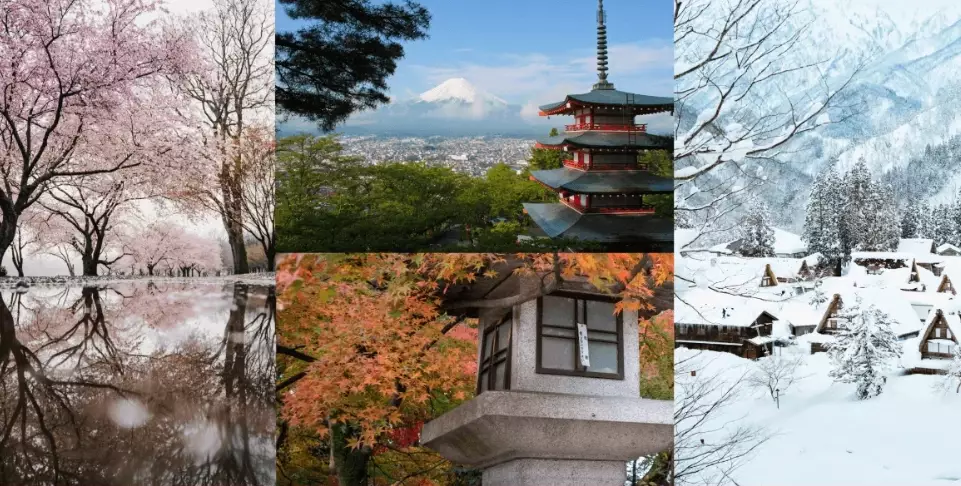
This guide isn't about giving you one date. It's about breaking down every season, every factor, and even the less-talked-about periods to help you, as an American traveler, make the smartest choice. We'll talk weather, crowds, costs, festivals, and the practical stuff like flight availability from major US hubs. By the end, you'll know exactly how to pinpoint your own personal best time to visit Japan from the USA.
Why Timing Your Japan Trip from the US Matters More Than You Think
You might think, "It's just a vacation, any time is fine." For some destinations, maybe. But Japan operates on a different rhythm. Getting the timing wrong can mean missing iconic experiences, paying double for accommodations, or spending your vacation in endless lines.
From the US, you're committing to a long-haul flight and a significant time zone change. You want that investment to pay off. A well-timed trip means you might see the ethereal pink haze of sakura, have a serene temple garden almost to yourself, or enjoy autumn foliage that looks photoshopped. A poorly timed one could land you in the middle of a humid rainy season or a national holiday where everything is booked solid.
Your search for the best time to visit Japan from the USA is really a search for alignment – aligning the country's seasonal calendar with your personal travel dreams and practical budget.
The Seasonal Breakdown: Japan's Four Faces
Let's get into the meat of it. Here’s a detailed, no-sugar-coating look at each season. I've thrown in a personal experience or two where it's relevant.
Spring (March to May): The Famous One
Ah, spring. This is the poster child for Japan travel, and for good reason. The weather is sublime – cool, crisp mornings giving way to pleasantly warm afternoons. But let's be clear: when people say "spring," they are overwhelmingly talking about the cherry blossom (sakura) season.
The bloom typically starts in late March in Kyushu and sweeps northward through Tokyo and Kyoto in early April, reaching Hokkaido by early May. The Japan National Tourism Organization (JNTO) provides official bloom forecasts each year, which are essential for planning.
The Good: Arguably Japan's most beautiful season. Ideal temperatures for walking and exploring. A festive, celebratory mood nationwide.
The Not-So-Good: This is the peak for tourism, especially from the US and Europe. Flight prices from the US (think LAX, SFO, JFK, ORD to NRT/HND) are at their highest. Hotels book up months in advance and charge premium rates. Crowds at major sites can be intense.
Best for: First-time visitors who have their heart set on cherry blossoms, photographers, and those who don't mind planning far ahead and paying a premium for the iconic experience.
Summer (June to August): The Underrated & The Sweaty
Summer gets a bad rap, and parts of it are deserved. From June to mid-July, it's the rainy season (tsuyu). It's not constant downpours, but expect high humidity, overcast skies, and frequent, sometimes heavy, showers. It can put a damper on outdoor plans.
Then comes real summer: hot and very humid from late July through August. Think East Coast US summer but perhaps more intense. Cities like Tokyo and Kyoto become concrete heat islands.
So why consider it? Firstly, it's a festival powerhouse. From the epic Gion Matsuri in Kyoto (July) to the explosive fireworks of Sumidagawa in Tokyo (July) and the wild Awa Odori in Tokushima (August), the cultural calendar is packed. Secondly, it's the best time for hiking in the Japanese Alps or visiting the cooler northern island of Hokkaido, which enjoys pleasant summer weather. Third, it's a great time for beach destinations like Okinawa.
The Good: Vibrant festivals, lush green landscapes, fewer Western tourists than spring/fall (though plenty of Asian tourists), and generally lower flight prices from the USA.
The Not-So-Good: Heat and humidity that can be oppressive, especially if you're not used to it. The rainy season's unpredictability. Mosquitoes.
Best for: Festival lovers, travelers heading to Hokkaido or the mountains, beach-goers, and budget-conscious Americans who can handle the heat.
Autumn (September to November): Spring's Glorious Rival
Many seasoned travelers, myself included, often argue that autumn is the true best time to visit Japan from the USA. The weather is nearly identical to spring – mild and comfortable. The summer humidity vanishes, leaving clear, blue skies.
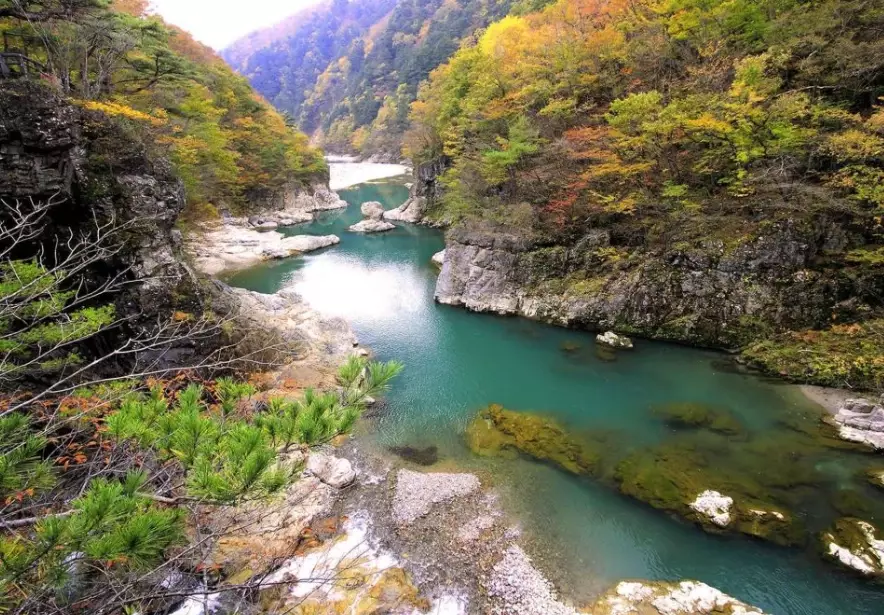
The main event is koyo, the autumn foliage. The leaves turn brilliant reds, oranges, and yellows, creating landscapes that are just as stunning as the cherry blossoms, if not more varied in color. The "front" moves south to north, starting in Hokkaido in September and reaching Kyoto and Tokyo in November.
Crowds are significant, especially in late November around Kyoto's famous temples, but the window is slightly longer than the cherry blossom bloom, spreading the pressure out a bit.
The Good: Perfect weather, stunning scenery, delicious seasonal food (like matsutake mushrooms and sweet persimmons), and great conditions for hiking and outdoor activities.
The Not-So-Good: Peak foliage draws big crowds, particularly in late November. Flight and accommodation prices are high, though sometimes slightly less chaotic than spring peak. September can still see typhoons, which are serious weather events that can disrupt travel.
Best for: Photographers, hikers, foodies, and travelers who want perfect weather and iconic scenery without the springtime frenzy (though it's still busy).
Winter (December to February): The Quiet Contender
Winter is Japan's secret weapon for a certain type of traveler. Forget what you think you know. Yes, it's cold, especially in Tokyo and Kyoto where temperatures can hover around freezing. But it's a dry cold, often with brilliant sunshine. And the crowds? They thin out dramatically, especially in January and February after the New Year's holidays.
This is the season for onsen (hot springs). Soaking in an outdoor bath surrounded by snow is a quintessential Japanese experience. It's also prime time for world-class skiing and snowboarding in the Japanese Alps and Hokkaido – the powder snow is legendary.
Then there are the illuminations. Cities like Tokyo, Osaka, and Kobe put on spectacular light displays that turn entire districts into winter wonderlands. And let's not forget the charming, snow-covered thatched roofs of villages like Shirakawa-go.
The Good: Minimal crowds at major tourist sites (except around New Year), lower prices for flights and hotels, fantastic winter sports, magical illuminations, and the pure bliss of a hot onsen in the cold.
The Not-So-Good: It's genuinely cold. Some gardens look barren. Daylight hours are shorter. Some rural attractions or hiking trails may be closed.
Best for: Skiers and snowboarders, onsen enthusiasts, city explorers who hate crowds, photographers of winter scenes, and bargain hunters.
 See what I mean? There's a "best" time for every type of traveler.
The Crucial Calendar: Japanese Holidays & School Breaks
This might be the most important section for Americans to understand. Japan's domestic travel calendar creates huge demand spikes that can make your trip miserable if you're not aware.
Golden Week (Late April/Early May): A cluster of four national holidays. This is arguably the worst time for any foreign tourist to visit. The entire country is on the move. Trains are fully booked, hotels are sold out and triple the price, and attractions are swamped. I made the mistake of having my trip overlap with the start of Golden Week once. The Shinkansen was standing-room only, and finding a lunch spot in a non-touristy town was a 30-minute ordeal. Avoid this period at all costs unless you enjoy logistical nightmares.
Obon (Mid-August): A Buddhist festival honoring ancestors. Similar to Golden Week, it's a major travel period for Japanese people returning to their hometowns. Expect crowded transport and higher prices, though it's slightly less intense than Golden Week.
New Year's (Dec 29 - Jan 3): The most important family holiday. Many businesses, restaurants, and museums close for several days. Transportation is busy as people travel. It's a fascinating cultural time to visit, but you need to plan carefully around closures.
School Holidays: Japanese schools have breaks in late March/early April (spring break), late July through August (summer break), and late December through early January (winter break). Family travel increases during these times.
Cost Considerations: Flights from the USA & Accommodation
Your budget is a huge part of deciding the best time to visit Japan from the USA. Let's break down the cost patterns.
Flights: The price you pay for that long-haul ticket from Los Angeles (LAX), San Francisco (SFO), New York (JFK), Chicago (ORD), or Dallas (DFW) to Tokyo (NRT/HND) is highly seasonal.
- Most Expensive: Cherry blossom season (late March to mid-April), Autumn foliage peak (late October to late November), and around major holidays (Golden Week, Obon, New Year's).
- Moderate: Summer (outside Obon), late spring (May after Golden Week), early autumn (September).
- Least Expensive: Winter (January and February, excluding New Year's), the rainy season (June to early July), and early September (typhoon season).
I've found that setting up fare alerts about 4-6 months out for shoulder seasons (like May or late September) often yields the best balance of price and weather.
Accommodation: Hotel and ryokan prices mirror flight trends. In peak seasons, budget options in prime locations vanish first. In shoulder and low seasons, you can often find great deals on nicer hotels. Consider business hotels in cities – they're no-frills but clean, efficient, and less subject to tourist-season price gouging.
So, When Is the *Actual* Best Time? A Side-by-Side Comparison
Let's put it all in one place. This table compares key factors to help you visualize the trade-offs for finding your best time to visit Japan from the USA.
| Season | Typical Weather | Crowd Level | Approx. Cost (Flights + Hotels) | Top Experiences | Best For... |
|---|---|---|---|---|---|
| Spring (Mar-May) | Mild, Pleasant | Extremely High (Peak) | Highest | Cherry Blossoms, Spring Festivals, Garden Visits | First-timers, Photographers, Garden lovers |
| Summer (Jun-Aug) | Hot, Humid, Rainy (Jun-Jul) | High (Festival/Asian Holiday peaks) | Low-Moderate (except Obon) | Festivals (Matsuri), Fireworks, Hokkaido, Beaches | Festival-goers, Hokkaido travelers, Budget seekers |
| Autumn (Sep-Nov) | Mild, Crisp, Sunny | Very High (Foliage Peak) | High (Peak Foliage) | Autumn Leaves (Koyo), Hiking, Seasonal Cuisine | Hikers, Foodies, Photographers, Those seeking ideal weather |
| Winter (Dec-Feb) | Cold, Dry, Sunny | Low (Except New Year) | Lowest (Except New Year) | Skiing/Snowboarding, Onsen, Illuminations, City Culture | Skiers, Onsen lovers, Crowd-haters, Urban explorers |
Answering Your Burning Questions (FAQs)
Here are some specific questions I get all the time from American friends planning their trip.
Is late April or early May a good time?
Late April can be lovely if the cherry blossoms linger, but you are flirting dangerously with Golden Week. Early May is in Golden Week. I would not recommend this period unless you have a very specific, flexible plan and are prepared for chaos and high costs. The risk outweighs the reward.
What about September? I heard about typhoons.
September is a shoulder month with lower crowds and costs. The heat starts to break. However, it is the peak of the Pacific typhoon season. Typhoons are serious and can ground flights, cancel train services, and close attractions for a day or two. If you go in September, get comprehensive travel insurance, build flexibility into your itinerary, and monitor forecasts from the Japan Meteorological Agency. It can be a great value time, but you need to be risk-tolerant.
I'm from a cold US state. How bad is the winter really?
If you're from Minnesota or Upstate New York, you'll laugh at Tokyo's "cold." It rarely gets far below freezing in the major cities of Honshu. The lack of wind chill and the dry air make it feel very manageable. The bigger issue is that some traditional buildings (like old ryokans) can be drafty. Pack layers, good socks, and you'll be fine. The trade-off of empty temples and lower prices is absolutely worth it for many.
When should I book my trip for the best deals?
For peak seasons (spring/autumn), start looking at flights 6-8 months out and book as soon as you see a reasonable price. Hotels in popular areas like Kyoto should be booked as early as possible, as the best ones sell out. For shoulder/low seasons, you can be more flexible, but booking 3-4 months ahead is still wise to get good options. Always check the U.S. Department of State's Japan travel page for any advisories before finalizing.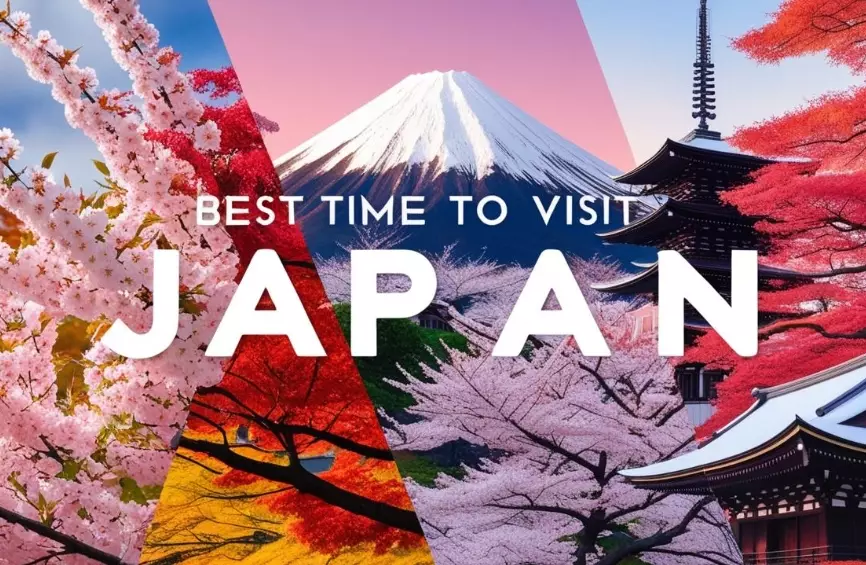
The Final Verdict: My Personal Recommendations
After multiple trips and helping others plan theirs, here's my blunt advice for different traveler profiles seeking the best time to visit Japan from the USA.
- For the First-Timer with a Flexible Budget: Aim for the last week of March or the first week of April for a shot at cherry blossoms, or mid to late November for guaranteed stunning foliage. Accept the crowds as part of the iconic experience.
- For the Budget-Conscious Traveler: January or February (after Jan 4) is your goldmine. Flights are cheap, hotels are affordable, and you'll have space to breathe. Just pack a warm coat.
- For the Crowd-Hater Who Wants Good Weather: This is tricky. Your best bets are the shoulder weeks: late May (after Golden Week) or late October (just before the foliage peak hits Kyoto/Tokyo). The weather is excellent, and you slip between the big tourist waves.
- For the Festival Junkie: July for Gion Matsuri and Sumidagawa fireworks, or mid-August for Awa Odori (but be ready for Obon crowds and heat).
Ultimately, there's no wrong time to visit Japan, only a wrong time for your preferences. Japan's depth and beauty shine year-round. Whether you're watching cherry petals fall in Kyoto, sweating through a festival in Tokyo, hiking among fiery maple leaves in Nikko, or soaking in a snowy onsen in Hakone, you're in for an unforgettable experience.


Share Your Thoughts