If you ask me to name the single most beautiful mountain to hike in Japan, the answer isn't complicated. It's Mount Fuji. I've hiked it four times across different seasons and routes, and the raw, iconic beauty of that symmetrical cone rising above the clouds is unmatched. It's not just a hike; it's a pilgrimage. The beauty lies in the ever-changing light on its slopes, the vast sea of clouds at sunrise (the famous Goraikō), and the profound cultural weight it carries. You feel it in your bones. But "most beautiful" is subjective, right? For some, beauty means pristine alpine wilderness or mystical forests. So, while Fuji gets my top vote, let's also explore other stunning contenders and get into the nitty-gritty details that make or break a hike.
Your Quick Trail Guide
Why Mount Fuji is the Unbeatable Champion
Let's cut to the chase. Fuji's beauty is legendary for specific, tangible reasons beyond the postcard image.
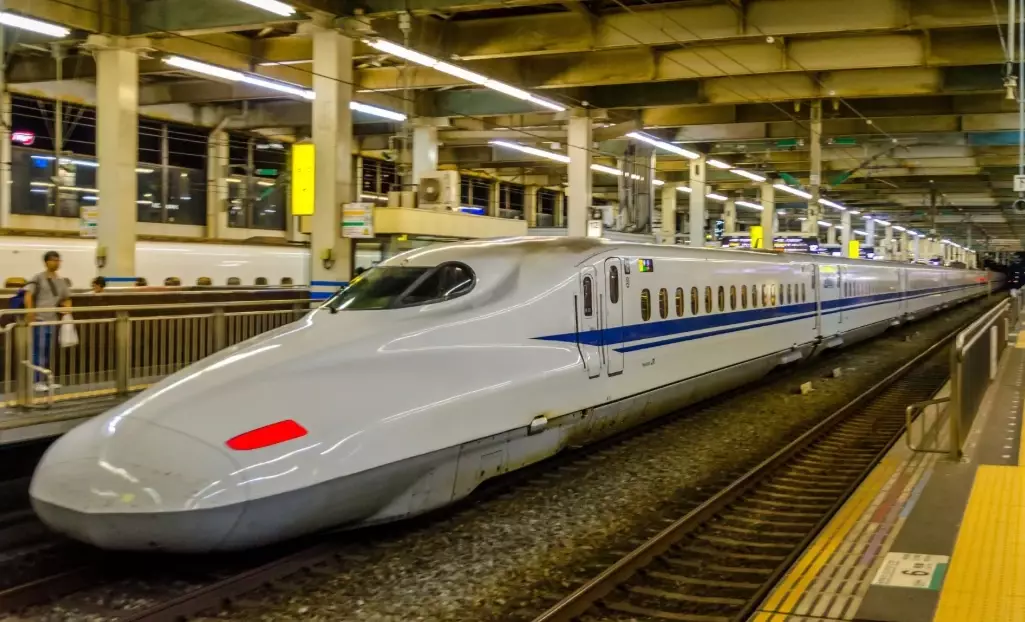
The Iconic Silhouette. No other mountain in Japan has that perfect, solitary stratovolcano shape. Seeing it from the Shinkansen is one thing. Watching its shadow stretch across the land at dawn from its own summit is a spiritual experience. The view from Fuji is equally stunning—on a clear day, you can see the Pacific Ocean and the Japanese Alps.
The Cultural Tapestry. Beauty isn't just visual. Hiking Fuji means walking a path steeped in centuries of ascetic practice. You'll pass ancient shrines, stone markers, and ohachime (stone mounds) left by pilgrims. The mountain itself is considered a sacred entity. This deep cultural layer adds a richness you won't find on a purely "wild" peak.
Accessible Grandeur. Here's a practical point: you can experience this world-class beauty without being an elite mountaineer. The standard Yoshida Trail is challenging but doable for anyone with decent fitness. The well-established hut system, clear trail markers, and the short official season (July to early September) make it surprisingly approachable for an iconic peak.
A common mistake first-timers make? They focus solely on the summit. The real magic often happens on the way up—the camaraderie at the huts, the surreal landscape above the clouds at the 7th or 8th station, the quiet moments under a blanket of stars. Don't rush it.
Climbing Mount Fuji: Routes, Timing & Logistics
If you're sold on Fuji, here's exactly what you need to know to plan. This isn't a casual stroll.
Choosing Your Route
There are four main trails. The Yoshida Trail (Yamanashi Prefecture side) is the most popular and beginner-friendly, with the most mountain huts and facilities. The Subashiri and Gotemba trails are less crowded. The Fujinomiya Trail (Shizuoka side) is the shortest but steepest.
Costs, Transportation, and the Climb Itself
Getting There: From Tokyo's Shinjuku Station, take the direct highway bus to the Fuji Subaru Line 5th Station (the typical starting point). The ride takes about 2.5 hours and costs around ¥2,700-3,000 one way. You can book buses through Japan Guide or operators like Keio Bus. Reserve early in season.
Typical Costs (per person):
- Round-trip bus from Tokyo: ¥6,000
- Mountain hut dormitory bunk (one night): ¥7,000 - ¥10,000 (includes two meals)
- Toilets on the mountain: ¥200-¥300 per use (carry coins!)
- Donation for trail maintenance: ¥1,000 (voluntary but recommended)
- Food/water/snacks: ¥3,000
The Standard Itinerary: Most hikers take a bus in the afternoon, start hiking from the 5th Station around 1-3 PM, reach a hut at the 7th or 8th Station by evening, sleep for a few hours, then wake around 1-2 AM to summit for sunrise. After sunrise, you circle the crater, then descend, aiming to be back at the 5th Station by late morning.
My personal take? The descent is brutal on the knees. The Yoshida Trail descent is a long, monotonous switchback on loose volcanic scree. It's the least beautiful part of the journey. Bring good poles.
Other Breathtaking Japanese Mountains to Consider
Fuji isn't the only show in town. If your definition of beauty leans towards dramatic ridges, emerald valleys, or spiritual forests, these mountains are incredible.
Tateyama (Mount Tate) in the Northern Alps
Part of the famous Tateyama-Kurobe Alpine Route, this is a different experience. You take a series of cable cars, trolley buses, and a ropeway to reach Murodō (2,450m). From there, you can day-hike to the summit of Mount Tate (3,015m). The beauty here is the alpine panorama—jagged peaks, the stunning Mikurigaike Pond, and vast snow walls in spring. You're not "climbing" from the bottom, but the views are arguably more varied than Fuji's. Check the Alpen Route official site for schedules.
Yari-ga-take (Mount Yari)
Known as the "Matterhorn of Japan," Yari's sharp, spear-like peak is stunning. This is for serious hikers. The classic 2-3 day trek through the Kamikōchi valley is one of Japan's best. The beauty is raw and rugged. You'll need proper gear and stamina.
Yakushima's Mossy Forests
For a completely different, almost mystical beauty, head to Yakushima Island. Hiking through the ancient cedar forests, like the trail to Jōmon Sugi (a 7,000-year-old cedar), feels like stepping into a Studio Ghibli film. It's humid, green, and dripping with moss. The beauty is serene and primeval.
How to Choose the Right Mountain for You
Don't just pick the most famous one. Match the mountain to your fitness, time, and what you want to feel.
| Mountain | Type of Beauty | Difficulty | Best For | Time Required |
|---|---|---|---|---|
| Mount Fuji | Iconic, cultural, sunrise above clouds | Moderate-Strenuous (due to altitude & pace) | First-time iconic experience, cultural hike, accessible challenge | 1-2 days (overnight hike standard) |
| Tateyama (via Alpine Route) | Alpine panorama, snow corridors, high mountain scenery | Easy-Moderate (from Murodō) | Spectacular views with minimal effort, family-friendly, photography | 1 day (from Murodō) |
| Yari-ga-take | Dramatic peak, rugged wilderness, ridge walks | Strenuous | Experienced hikers seeking a challenge and isolation | 2-4 days (multi-day trek) |
| Yakushima (Jōmon Sugi trail) | Ancient, mystical forest, waterfalls, moss-covered rocks | Moderate-Strenuous (long distance, roots/rocks) | Nature lovers, photographers, fans of serene/rainforest scenery | 1 long day (8-10 hours round trip) |
See the difference? If you have one weekend from Tokyo and want the classic, life-list achievement, Fuji is your mountain. If you want jaw-dropping views without the grueling all-night climb, Tateyama is brilliant. Be honest with yourself about fitness.
Essential Planning Tips for a Beautiful Hike
A beautiful hike can turn miserable without the right prep. Here's what most blogs don't stress enough.
Layer Like an Onion. Mountain weather shifts fast. On Fuji, you'll start in a t-shirt at the 5th Station and need a down jacket, hat, and gloves at the summit before dawn. A waterproof and windproof outer shell is non-negotiable. Cotton kills—wear synthetic or wool.
Lighting is Everything. For a sunrise hike, you'll be walking in the dark for hours. A comfortable, bright headlamp (with spare batteries) is more critical than fancy boots. Test it before you go.
Altitude is the Real Enemy. Many fit people struggle on Fuji due to altitude sickness. The 5th Station starts at ~2,300m. Climb slowly, stay hydrated, and listen to your body. Headaches and nausea are signs to descend.
Book Huts Early, Really Early. Mountain huts on popular routes like Fuji's Yoshida Trail book up months in advance. Don't show up expecting a space. Use a booking service or contact the huts directly via their (often Japanese-only) websites.
And my biggest piece of advice? Leave no trace. The beauty of these places is fragile. Pack out all your trash, including toilet paper. Use the designated (paid) toilets. The mountains aren't a theme park.



Share Your Thoughts