Quick Guide
Let's be honest, that's the first question that pops into anyone's head when they start dreaming about a night in a traditional Japanese inn. You see those stunning pictures of tatami mats, private onsens, and elaborate kaiseki meals, and you instantly wonder: "Can I even afford this?"
The short, and frankly unhelpful, answer is: it depends. It depends on a crazy number of things. But that's not why you're here. You're here because you want a real, tangible breakdown. You want to know what you're actually paying for, where the price ranges from "surprisingly doable" to "holy moly," and how to find the sweet spot for your budget. That's exactly what we're going to do. We'll peel back the layers of ryokan cost per night and look at everything from the bare-bones room-only deals to the full-blown, once-in-a-lifetime luxury experience.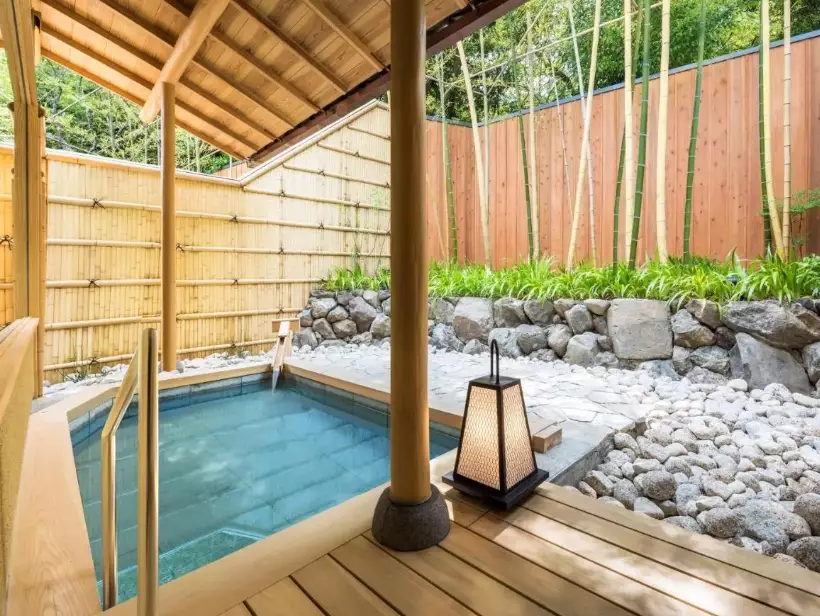
The Core Idea: A ryokan isn't just a hotel room. You're paying for an experience—a deep dive into Japanese hospitality, culture, cuisine, and relaxation. The price bundles all of that together. Comparing it directly to a Western hotel's nightly rate is like comparing a fast-food burger to a multi-course chef's tasting menu. They're fundamentally different products.
The Big Picture: Ryokan Price Tiers Explained
To make sense of the numbers, it helps to think in tiers. I've stayed in a few across the spectrum, and the difference isn't just in the thread count of the yukata (though that too). It's in the entire atmosphere and service.
Here’s a realistic table to set your expectations. These are per person, per night estimates, which is the standard way ryokans quote prices, and usually assume two people sharing a room. Solo travelers, brace yourselves for a often hefty surcharge—a common pain point.
| Ryokan Tier | Typical Price Range (per person/night) | What You Can Expect |
|---|---|---|
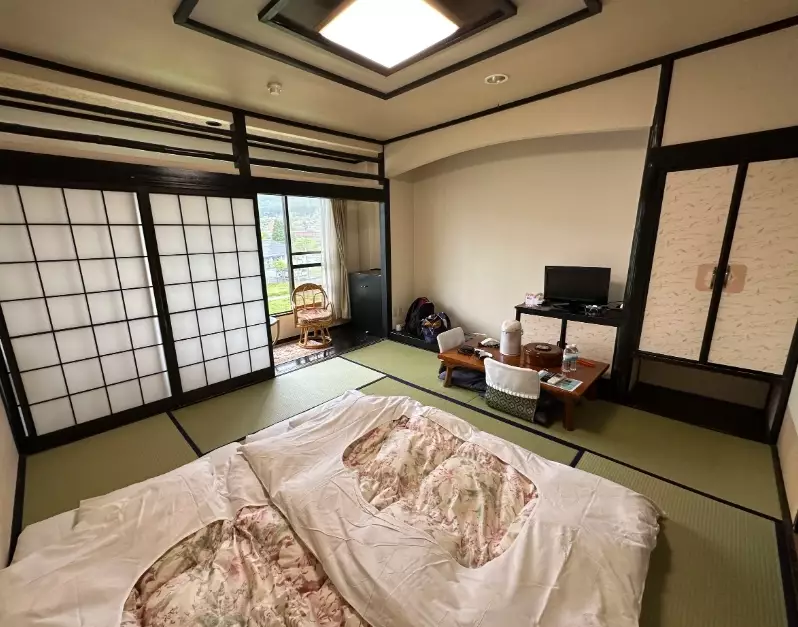
| Budget / Minshuku-style | ¥8,000 - ¥15,000 ($50 - $100 USD) | Clean, simple tatami rooms, shared bathroom facilities, often family-run. Dinner might be simpler home-cooked fare or not included. Great for the authentic, no-frills experience. |
| Mid-Range (The Sweet Spot) | ¥15,000 - ¥30,000 ($100 - $200 USD) | This is where most travelers find great value. Private bathroom, lovely kaiseki dinner & breakfast included, often with a nice communal bath (sometimes even a small private one in the room). Service is attentive and professional. |
| High-End / Luxury | ¥30,000 - ¥60,000 ($200 - $400 USD) | Exceptional service, stunning architecture/rooms, top-tier kaiseki with premium ingredients (think Matsusaka beef, fresh lobster). Often features a large private open-air bath (rotenburo) attached to the room. The details are impeccable. |
| Ultra-Luxury / Legendary | ¥60,000+ ($400+ USD) | Think historic properties, Michelin-starred chefs designing meals, breathtaking locations (cliffside, deep in a forest), and service that anticipates your every need. This is a splurge for a major occasion. |
See? Already it's clearer. The typical cost of a ryokan stay for most people aiming for a comfortable, full-package experience lands firmly in that mid-range. I remember my first mid-range stay in Hakone—the kaiseki dinner alone felt like it was worth half the price. Which leads us to the next point...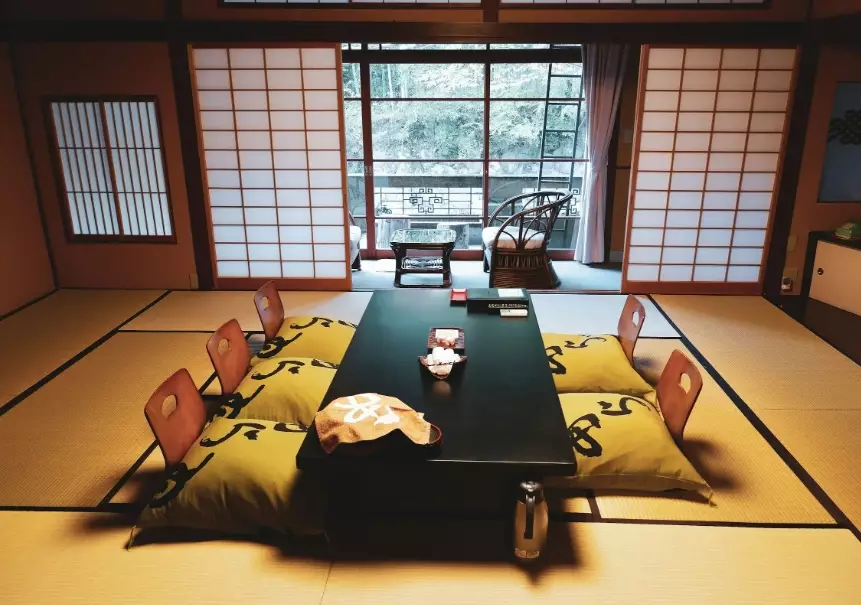
What Exactly Are You Paying For? The Cost Breakdown
When you see a quoted price, it's almost always a package. Let's dissect it.
1. The Accommodation Itself (The Room)
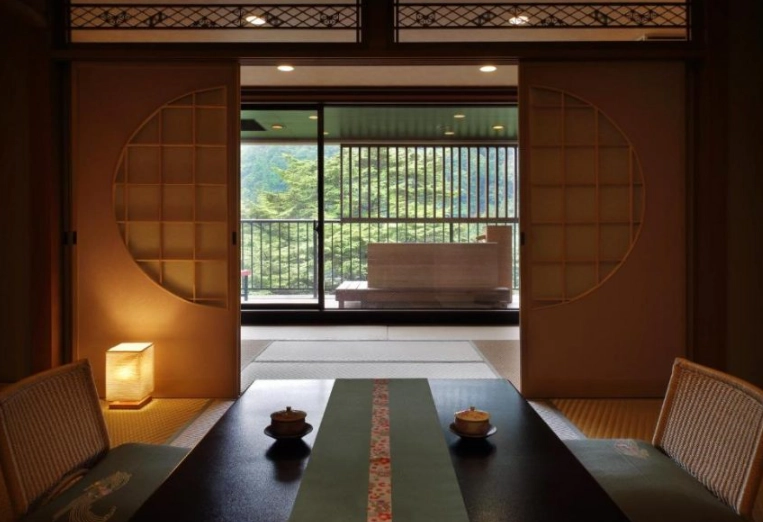
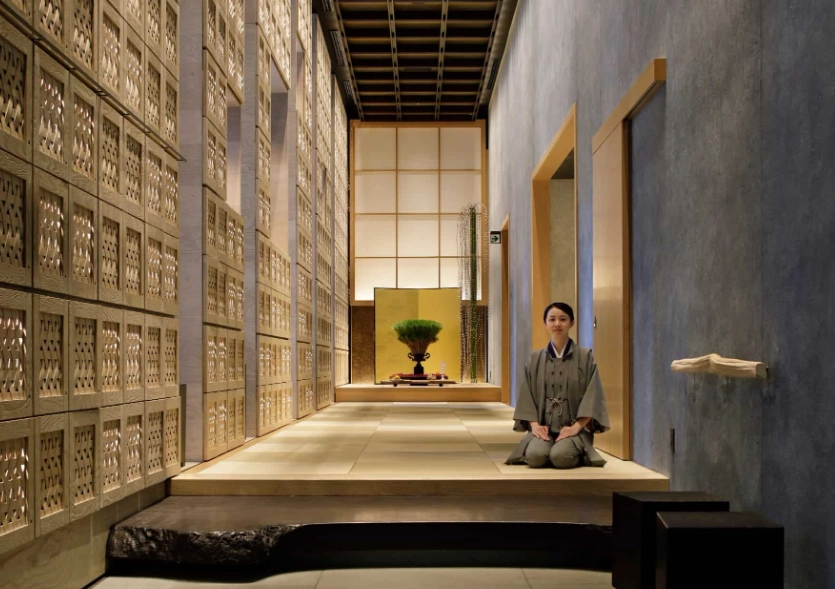
This is more than four walls and a futon. You're paying for the space, the traditional architecture (wood, paper, careful joinery), the meticulous maintenance of the tatami, and the serene aesthetic. A room with a garden view or a direct mountain view will cost more than one facing an interior wall. A room with its own kakenagashi (overflowing wooden bath) or a balcony rotenburo is a premium upgrade.
2. The Food (Usually the Biggest Value Driver)
This is non-negotiable for understanding traditional Japanese inn price. Most ryokans operate on a half-board (breakfast and dinner) plan. The dinner is kaiseki ryori, a multi-course seasonal feast. The quality, variety, and rarity of ingredients (premium beef, specific fish, rare mountain vegetables) massively influence the cost. A kaiseki meal at a good restaurant can easily cost ¥15,000+ per person. In a ryokan, it's bundled. Breakfast is often an equally beautiful spread of grilled fish, rice, miso soup, and small sides.
Pro-Tip: Some ryokans offer "room-only" or "breakfast-only" plans at a lower ryokan cost per night. This can be a great budget hack, but you miss the core culinary experience. I'd only recommend this if you're on a very tight budget or staying multiple nights and want to try local restaurants.
3. The Onsen (Hot Spring Baths)
If the ryokan has a natural hot spring source (tennen onsen), that's a huge value add. Maintaining these baths, filtering the water (or not, in the case of rustic kakenagashi baths), and providing pristine facilities costs money. A ryokan with a stunning outdoor mixed-gender bath or multiple themed baths can charge more. Private bath rental (kashikiri) for an hour is often an extra fee (usually ¥1,000-¥3,000).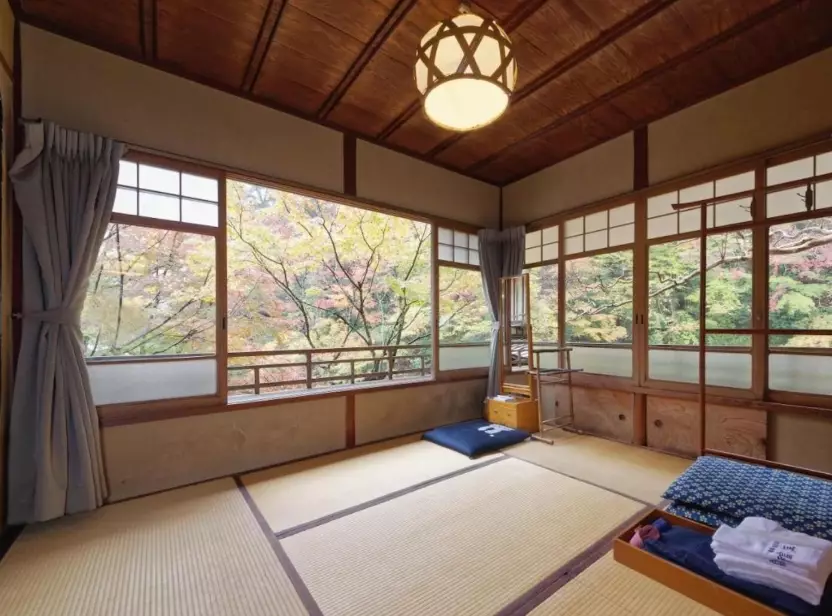
4. Location, Location, Location
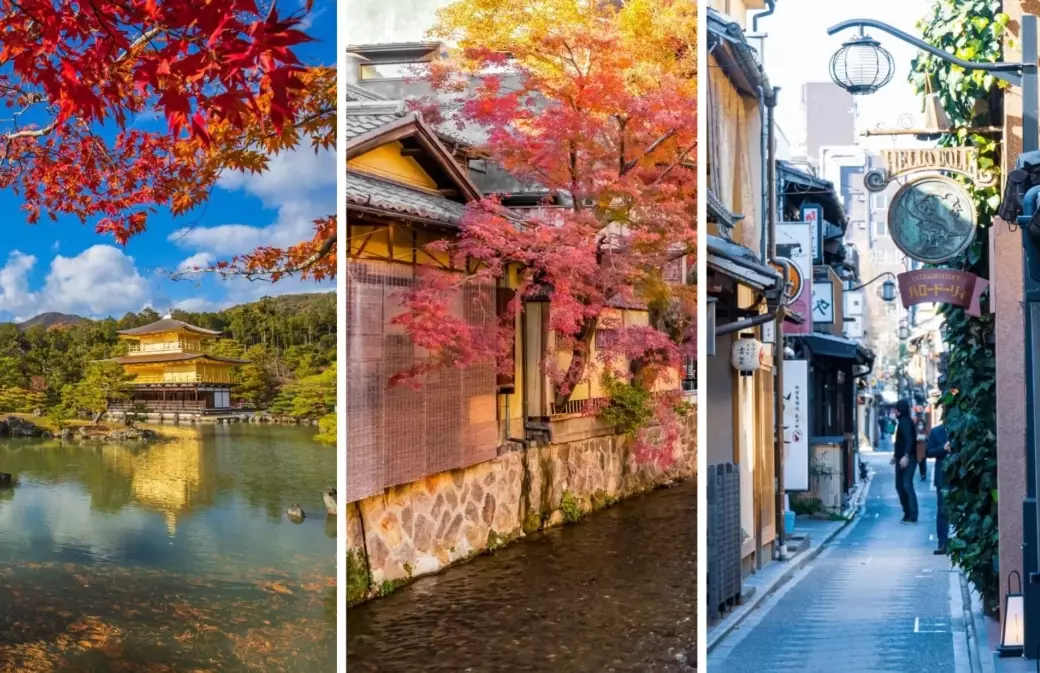
This is Economics 101. A ryokan in a super popular, accessible tourist spot like Hakone or central Kyoto will command higher prices due to demand and real estate costs. Venture to lesser-known onsen towns in Tohoku, Shikoku, or Kyushu, and you'll often find incredible quality at more moderate prices. The trade-off is travel time and potentially fewer English-speaking staff.
5. Service and Ambiance (Omotenashi)
You're paying for omotenashi—the profound, anticipatory Japanese hospitality. From the tea and sweet upon arrival, to the staff laying out your futon while you're at dinner, to the careful explanations of the meal. This level of personalized service requires a high staff-to-guest ratio, which is costly. In luxury ryokans, you might have a dedicated attendant (nakai).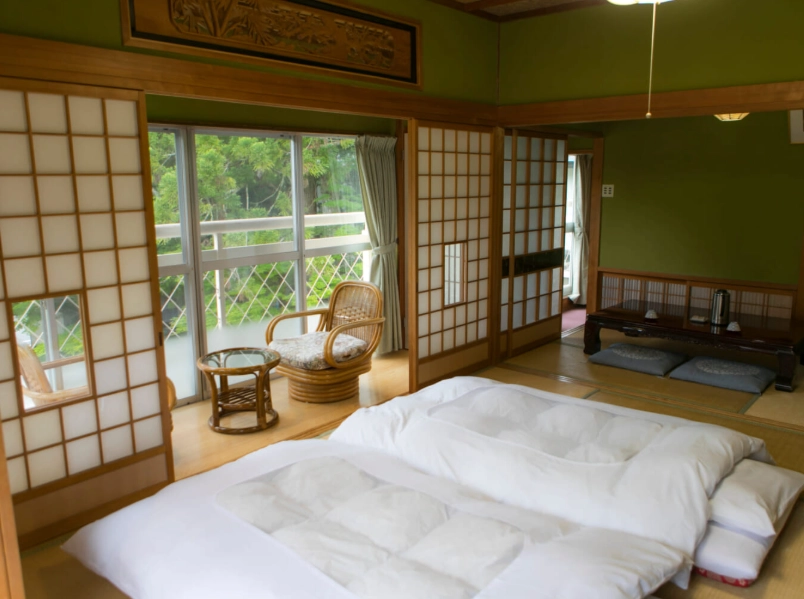
So, when someone asks "what is the typical cost of a ryokan stay?", you now know it's really a package deal for culture, cuisine, and care.
Beyond the Basics: Hidden Costs & How to Save Money
Nobody likes surprise fees. Here’s what to watch for.
- Solo Traveler Surcharge: This is the big one. Many ryokans add 30% to even 100% to the per-person rate if you're alone, as they lose the revenue from the second dinner/breakfast. It can feel punitive. Look specifically for "solo traveler friendly" ryokans, though they are rarer.
- Bath Tax: In some onsen towns, there's a small local tax (¥150-¥500) to support the hot spring infrastructure. It's usually added at checkout.
- Drinks: Tea and water are free, but beer, sake, and soft drinks from the room fridge or with dinner are extra. These can add up quickly.
- Transport to/from the Station: Most offer a pick-up service, but confirm it's free. In remote areas, a taxi might be your only option.
Watch Out: Some third-party booking sites show a deceptively low nightly rate, only to add the mandatory dinner and breakfast charges later in the booking process. Always check the final price before clicking "confirm." Booking directly on the ryokan's own website (often with the help of Google Translate) can sometimes offer the best plans and clearer pricing.
Smart Saving Strategies
- Go Off-Peak: Avoid Golden Week, Obon, New Year's, and peak autumn foliage weekends. Prices can double. A Tuesday night in late January? Much better.
- Consider a "Day Trip" Onsen Plan: Many ryokans offer daytime use of their baths (often including a simple lunch) for a fraction of the overnight cost. It's a great taste of the experience.
- Look for "Stay Plan" Discounts: Some ryokans offer deals for advance booking (e.g., 30 days ahead) or for last-minute vacancies.
- Skip the Ultra-Famous Towns: Instead of Hakone, look at Shuzenji or Izu. Instead of Ginzan Onsen, try a lesser-known spot in Akita. The Japan National Tourism Organization (JNTO) website is a fantastic, authoritative resource for discovering these hidden gems. They have lists and guides that can point you to amazing regional options.
Answering Your Burning Questions (The FAQ Section)
Is it worth the high price compared to a hotel?
This is the ultimate value question. If you view travel as just needing a bed, then maybe not. But if you view travel as an immersive cultural experience, then absolutely. For many, the memory of the kaiseki dinner and the serene bath under the stars is a highlight of their entire Japan trip. You're not just sleeping; you're participating in a living tradition.
Can I find a cheap ryokan?
"Cheap" is relative. You can find the budget/minshuku options in the ¥8,000-¥12,000 range, especially in rural areas. They might not have en-suite bathrooms or a sprawling kaiseki, but the warmth of the family running it and the authenticity can be incredible. Check out traveler reviews on sites like Japan Guide for honest assessments of these places.
How much should I budget for a 2-night stay?
For a comfortable mid-range experience for two people, budgeting ¥70,000 to ¥100,000 total (for both people, for two nights) is a realistic and safe estimate. This covers the ryokan package, maybe a drink or two, and a small souvenir. For luxury, think ¥150,000+.
Do I tip at a ryokan?
No. Tipping is not part of Japanese culture and can cause confusion. Excellent service is the standard and is included in the price. A heartfelt "arigatou gozaimashita" (thank you very much) at departure is the best appreciation.
Are there any reputable sources to verify onsen quality?
Yes! For the onsen enthusiasts who want to know about the spring source and mineral content, the Japanese Onsen Association provides information (though mainly in Japanese). More accessibly, dedicated onsen review blogs and databases run by enthusiasts often have the deepest technical dive into water quality and bath types. It's a niche, but it shows how deep the rabbit hole goes.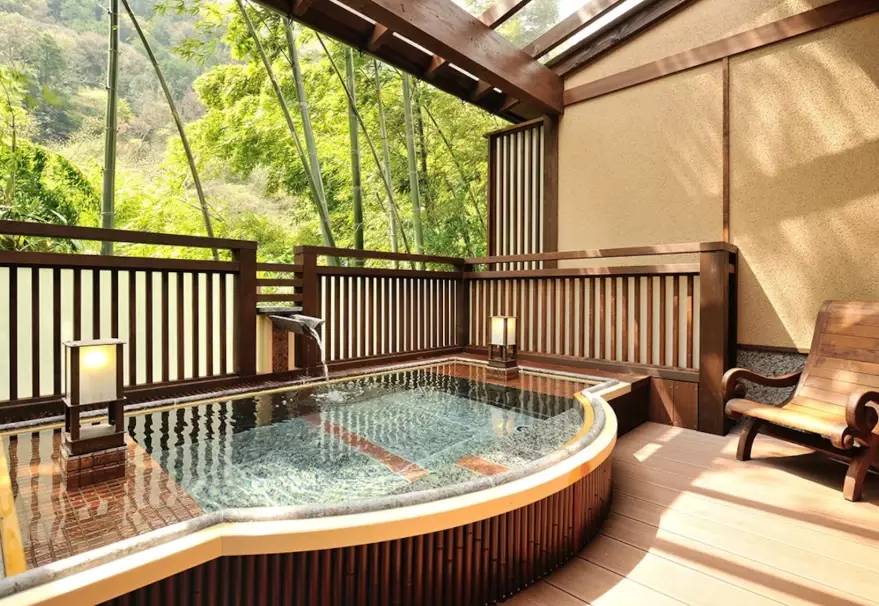
Putting It All Together: Making Your Decision
So, you've got the price ranges, the breakdown, the tips. How do you choose?
First, set your experience priority. Is it the food? The bath? The sheer luxury? Then, set a firm budget per night. Use the tiers as your guide. Start searching on both aggregate sites and, crucially, directly on ryokan websites in your target area (like Kinosaki Onsen, Kurokawa Onsen, etc.). Read reviews that mention the quality of the food and baths specifically, not just "it was nice."
Remember, the typical cost of a ryokan stay is an investment in a unique experience. It's okay to save up for it as a splurge. My personal take? One incredible night in a great ryokan is often more memorable than three nights in a standard city hotel. The peace, the flavors, the slowing down—it recalibrates you.
And sometimes, the mid-range places surprise you the most. I once stayed at a family-run place in a small town where the obaachan (grandma) personally showed me how to wear the yukata. That warmth wasn't on the bill, but it was priceless.
Ultimately, asking "what is the typical cost of a ryokan stay?" is the first step on a really rewarding journey. Now you have the map. Go find your perfect inn.


Share Your Thoughts