Quick Guide
Let's cut to the chase. You're probably staring at pictures of this perfect cone-shaped mountain, wondering if your regular gym visits or weekend walks are enough. Can you hike Mount Fuji as a beginner? The short, direct answer is yes, absolutely. But—and this is a massive but—it's not a walk in the park. It's a serious mountain climb that demands respect, preparation, and a very honest look at your own fitness. Calling it a "hike" is almost misleading; it's a high-altitude trek that will test you. Thousands of beginners do it every year during the short summer season, but many of them are miserable, cold, and completely unprepared. I want you to be in the group that finishes with an incredible sense of achievement, not the one vowing never to climb anything again.
I've talked to guides, read countless trip reports (the good and the horror stories), and pieced together what you really need to know. This isn't just about making it to the top; it's about doing it safely, enjoyably, and without becoming a statistic. We'll break down the myth, the reality, and the step-by-step plan that turns a daunting question like "Can you hike Mount Fuji as a beginner?" into a confident "Yes, I'm ready."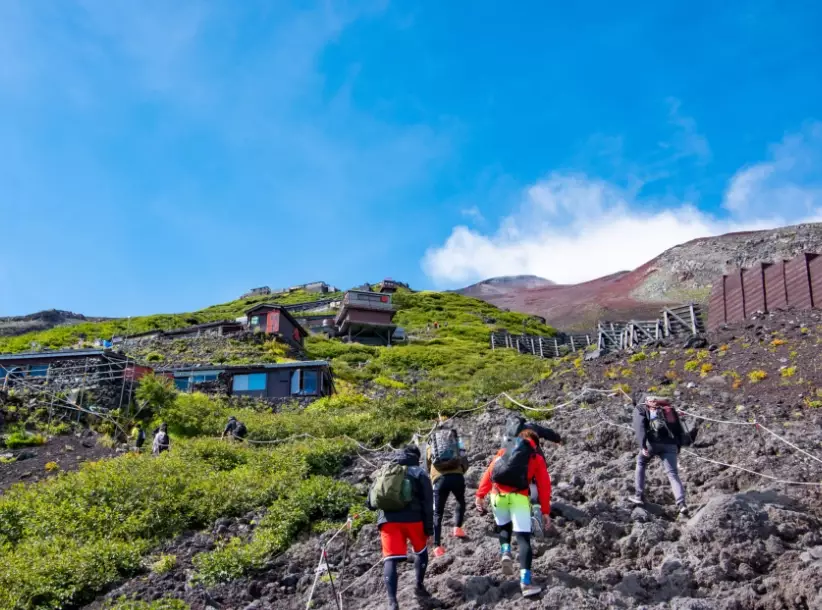
What Does "Beginner" Really Mean on Mount Fuji?
This is where we need to get real. If your idea of exercise is a brisk 30-minute walk, Fuji will be a brutal wake-up call. But if you can comfortably walk for 6-8 hours on undulating terrain with a daypack, you're in the right starting zone. The challenge isn't technical climbing—you won't need ropes or harnesses on the standard routes. The challenge is a brutal combo of stamina, altitude, and unpredictable weather.
Think of it this way: you're climbing from roughly 2,300 meters (7,500 ft) to 3,776 meters (12,389 ft). That's a vertical gain of about 1,476 meters (4,800 ft). The air gets noticeably thinner. The weather can flip from sunny to freezing wind and rain in minutes. The trails are often steep, uneven volcanic scree that slips under your feet.
Key Takeaway: A "beginner" on Fuji is someone with no prior mountaineering experience but possesses good baseline cardio fitness and the mental grit to push through discomfort. It is NOT suitable for someone completely sedentary or with uncontrolled health issues.
The Big Three Challenges for First-Timers
Let's isolate what makes people ask, "Can you hike Mount Fuji as a beginner?" with such hesitation.
- Altitude Sickness: This is the wild card. You can be super fit and still get hit with headaches, nausea, and dizziness. It doesn't discriminate. The key is a slow ascent, staying hydrated, and knowing when to turn back.
- Physical Endurance: It's a long, sustained climb. The most popular route involves 5-7 hours of uphill climbing to a mountain hut, a short sleep, then another 1-2 hours to the summit for sunrise, followed by a 3-4 hour descent. That's a very long day on your feet.
- Weather and Cold: Summit temperatures at sunrise, even in summer, are routinely at or below freezing (0°C or 32°F). Add wind chill, and it feels much colder. I've seen people in jeans and sweatshirts shivering uncontrollably—a dangerous and miserable situation.
Honestly, the descent is what wrecks most people. Your knees and quads will scream. It's monotonous and tough on the joints. Many find it harder than going up.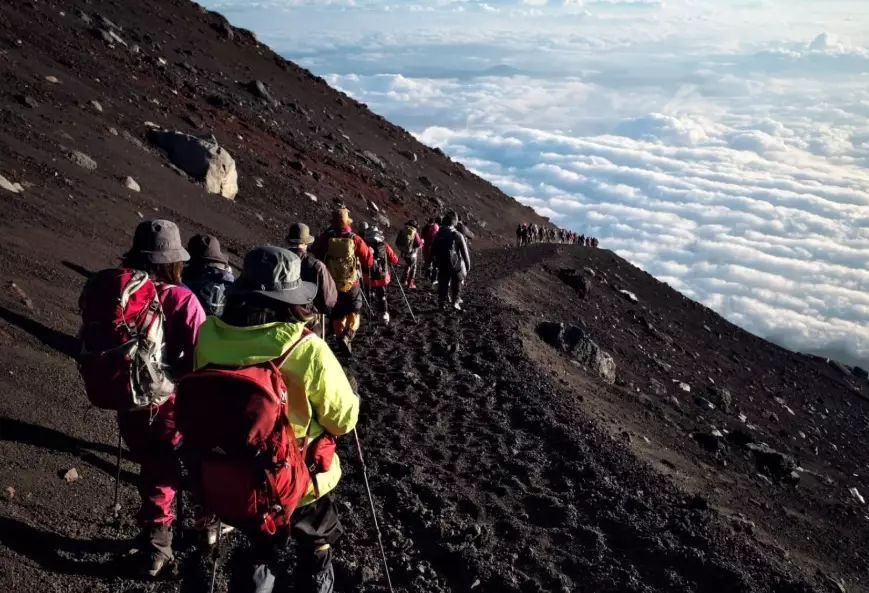
Picking Your Battle: Route and Season
Your success as a beginner hinges on two critical choices: which path you take and when you go. Get these wrong, and you're setting yourself up for a struggle.
The Four Main Trails: A Beginner's Breakdown
Mount Fuji has four major trails, each starting from a different 5th Station (the usual starting point for climbers). Not all are created equal for a first-timer.
| Trail Name | Starting 5th Station Elevation | Ascent Time | Why it's Good/Bad for Beginners |
|---|---|---|---|
| Yoshida Trail | 2,305m (7,562 ft) | 5-7 hours | THE BEST for beginners. Most developed, most mountain huts, easiest access from Tokyo. The wide, well-defined path and ample facilities make it forgiving. However, it's also the most crowded. |
| Subashiri Trail | ~2,000m (6,562 ft) | 5-7 hours | Good alternative. Less crowded than Yoshida, merges with it higher up. The lower section is through forest, which is nice. Slightly less infrastructure. |
| Gotemba Trail | 1,440m (4,724 ft) | 7-9 hours | THE WORST for beginners. Longest ascent, least facilities, vast sections of loose scree (like climbing a sandy slope). Only for those seeking a serious challenge or solitude. |
| Fujinomiya Trail | 2,400m (7,874 ft) | 4-6 hours | Steepest and most direct route. Shorter ascent time is tempting, but the relentless steepness is brutal on the legs. Popular for climbers coming from the west (Osaka/Kyoto). |
My strong, strong recommendation? Stick to the Yoshida Trail for your first time.
It's popular for a reason. When you're tired, cold, and unsure, there's comfort in having other people around and knowing a hut with hot drinks is never too far. The official Mount Fuji Climbing official website is an indispensable resource for checking real-time trail conditions and official announcements.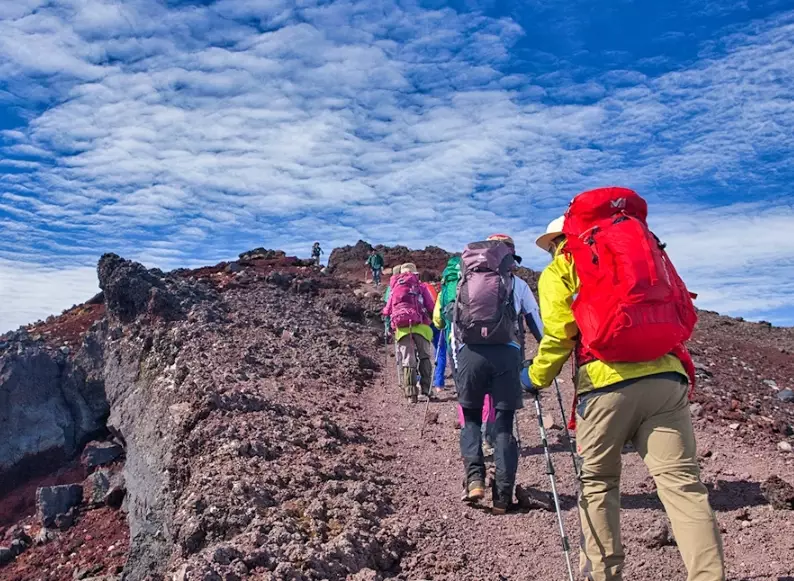
The Only Time to Go: Official Climbing Season
This is non-negotiable. Outside of early July to early September, the trails are officially closed. There is no mountain hut support, rescue services are minimal, and conditions are dangerously icy and snowy. Attempting an off-season climb as a beginner is extremely reckless.
- Early July to Early September: Official season. All facilities open. Still be prepared for any weather.
- Late July to Late August: Peak season. Best weather (relatively), but also the biggest crowds, especially during Obon holiday in mid-August.
Pro Tip: Aim for a weekday in late July or early September to avoid the worst of the crowds. The experience is significantly more pleasant.
The Beginner's Preparation Blueprint
This is where you answer "Can you hike Mount Fuji as a beginner?" with action. Proper prep is 80% of the success.
Gear: Don't Skimp, But Be Smart
You don't need a $1000 Gore-Tex jacket, but you do need functional layers. Cotton is your enemy—it gets wet and stays wet, sucking heat from your body.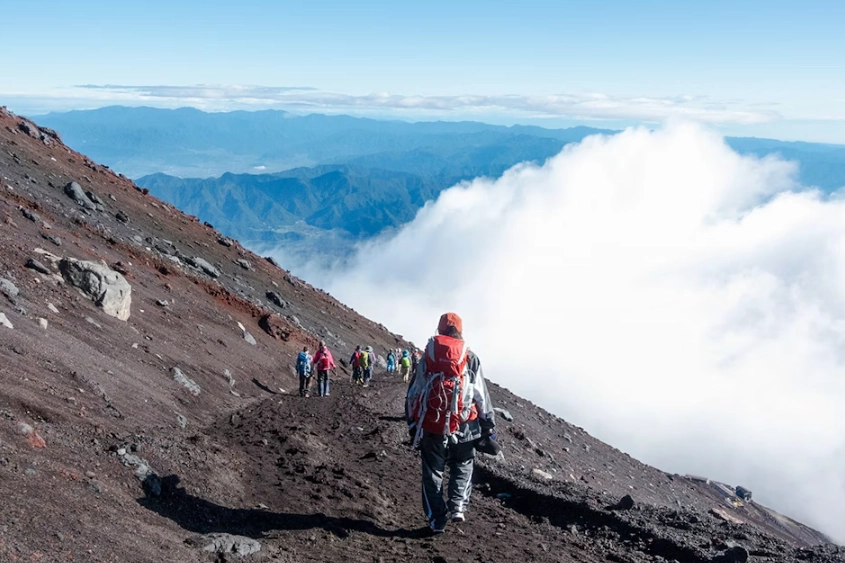
The Absolute Must-Haves (The Core Kit):
- Sturdy, Broken-In Hiking Boots: Ankle support is crucial for the rocky, uneven descent. Blisters can ruin your climb.
- Layered Clothing System: Base layer (moisture-wicking), insulating mid-layer (fleece/down), waterproof & windproof outer shell jacket and pants.
- Headlamp: Essential for the pre-dawn summit push. Hands-free lighting is a safety must.
- Gloves and Warm Hat: Your extremities get cold first. Insulated, grippy gloves are ideal.
- Daypack (30-40L): To carry water, food, and all your layers.
You can rent some items like poles and oxygen cans at the 5th Station, but don't rely on it for core clothing. Check the detailed packing list on the Japan National Tourism Organization website for a reliable checklist.
Getting Fit: The 8-Week Rule
If you're asking "Can you hike Mount Fuji as a beginner?", you should also be asking "How do I train for it?"
Start at least 8 weeks out. Focus on:
- Cardio: Long walks, stair climbing, hiking on hills. Build up to being able to be active for 6-8 hours with breaks.
- Leg Strength: Squats, lunges, step-ups. The descent is a brutal eccentric workout for your quads.
- Practice Hikes: Do a full-day hike with your loaded pack and the boots you plan to wear. There's no better test.
I made the mistake of thinking my running fitness was enough. My cardio was fine, but my legs were jelly on the way down. Train for the descent!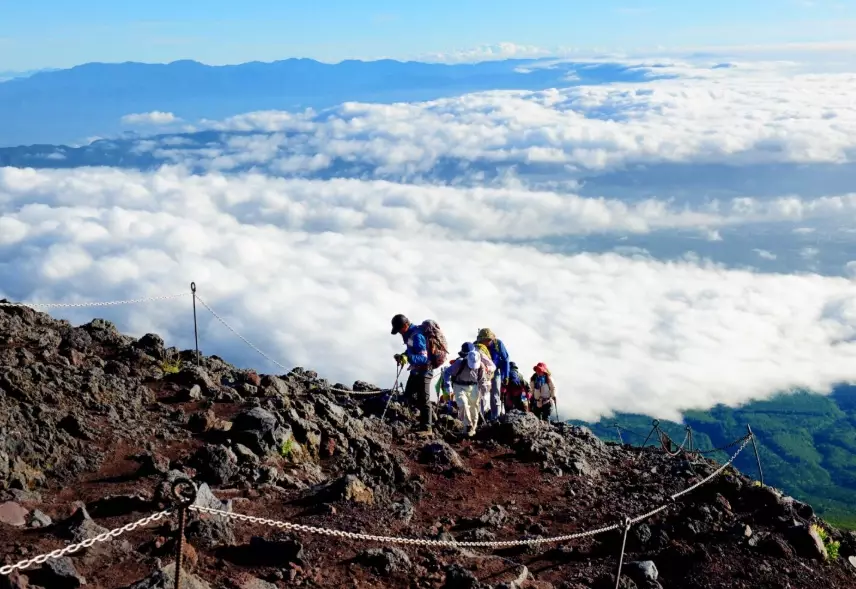
Logistics: Booking Huts and Getting There
This isn't a wilderness climb. You need to plan your stay.
Mountain Huts: If you're doing the classic "sunrise climb," you'll sleep (or rest) in a hut. Book WELL in advance, especially for weekends. You get a space on a shared tatami mat—it's basic, crowded, and you won't sleep much, but it's warm and gets you out of the elements. You can find links to hut associations via the official climbing site.
Transport: Buses run from major stations (like Shinjuku in Tokyo) directly to the 5th Stations during the season. Book bus tickets online ahead of time. Driving is possible but parking fills up fast.
Heads Up: The altitude and basic hut conditions mean a poor night's sleep for almost everyone. This adds to the fatigue. It's part of the experience—embrace the adventure of it.
A Step-by-Step Guide to Your Climbing Day(s)
Let's walk through what a typical beginner-friendly Yoshida Trail climb looks like. This is the "how" after the "if."
Day 1: Ascent to the Mountain Hut
Take a morning bus from Tokyo. Arrive at the Fuji Subaru Line 5th Station (Yoshida) by noon. Don't rush. Acclimatize. Walk around the station area for an hour, drink water, have a light lunch.
Start climbing by 1-2 PM. Pace yourself—slow and steady. The mantra is "pole pole" (slowly slowly, in Swahili, borrowed from Kilimanjaro climbers). Use your trekking poles. Drink water constantly. The trail is well-marked with stations (6th, 7th, etc.).
You'll reach your reserved hut around 7th or 8th station by dinner time (5-7 PM). They serve a simple curry or stew. Rest, hydrate, try to sleep. They'll wake you around 1-2 AM for the final push.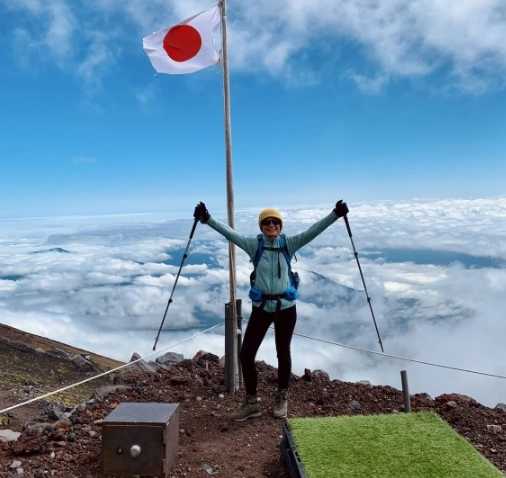
Day 2: Summit Push, Sunrise, and The Descent
This is it. Bundle up—it's freezing outside. Join the slow, steady line of headlamps snaking up the mountain. This last section is steep and can be congested. Be patient.
Reach the summit just before sunrise (around 4:30 AM in summer). Find a spot, watch the sun break over the horizon—it's magical and makes the struggle worth it. Walk around the crater rim, get your stamp, visit the post office.
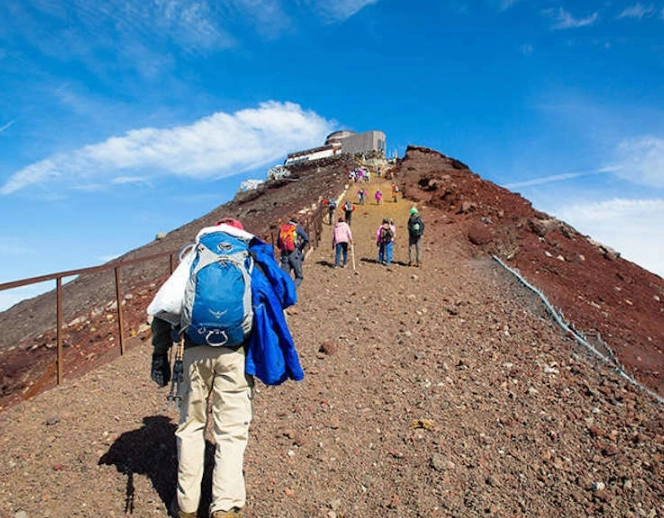
Now, the descent. The Yoshida descent trail is separate and famously long and sandy. It's hard on the knees. Use poles, lean back, and take short steps. It feels endless. You'll get back to the 5th Station by late morning. Catch your bus back, and collapse in triumph.
Frequently Asked Questions (The Stuff You're Really Wondering)
Final Verdict: Should You, as a Beginner, Do It?
Look, climbing Mount Fuji as a beginner is a major personal challenge. It's not a casual tourist activity. It will be hard, uncomfortable, and at times, you'll question your life choices.
But if you prepare properly—get fit, get the right gear, choose the right route and season, and go in with the right mindset—it is an absolutely achievable and profoundly rewarding experience. The view from the top at sunrise, knowing you walked every step, is something you'll never forget. It transforms the question from "Can you hike Mount Fuji as a beginner?" to "I hiked Mount Fuji."
So, yes. You can. Now go get ready.
Remember: The mountain will be there. Your safety and the safety of others is the top priority. There is no shame in turning back due to weather, illness, or fatigue. A successful climb is one you return from safely.



Share Your Thoughts