Your Exploration Guide
So you're thinking about Japan. Your mind probably jumps to Shinjuku Crossing, the Fushimi Inari gates, maybe a bullet train whizzing past Mount Fuji. That's the postcard version. But what if I told you there's a whole other Japan waiting? A place where you can hike through moss-covered forests that feel like something out of a Ghibli film, soak in an onsen with no one else in sight, or wander through temple towns where the only sound is your own footsteps on ancient stone.
That's the Japan off the beaten path. It's not a myth. It's just a different set of train tickets.
I've been traveling to Japan for over a decade, chasing that feeling of discovery. I've gotten gloriously lost on remote islands, shared sake with fishermen in tiny port towns, and found temples so quiet you could hear a pin drop. This guide isn't about listing every single obscure village. It's about giving you the framework, the confidence, and the specific ideas to build your own unique adventure far from the well-trodden tourist trails of Tokyo, Kyoto, and Osaka.
Why Bother with a Japan Off the Beaten Path Itinerary?
You see the pictures from Kiyomizu-dera in Kyoto. A sea of people. Arashiyama's bamboo grove? A slow-moving queue. There's a palpable sense of overtourism in Japan's golden route. Choosing to explore Japan off the beaten path is the antidote. You get space to breathe. You have actual conversations with locals who aren't exhausted by the tenth tour group of the day. You see traditions that aren't performed for cameras, but lived.
It's also surprisingly forgiving. Japan's infrastructure is legendary. Even in the middle of what feels like nowhere, you'll find a clean train station, a vending machine with hot coffee, and a system that just works. Venturing off track here is comfortable adventure.
Top 5 Hidden Japan Regions to Build Your Trip Around
Forget prefectures for a second. Think in terms of corridors and islands. These are areas where you can base yourself for a few days and dive deep, rather than just ticking off a single spot.
| Region | Core Vibe & Experience | Signature Hidden Gem | Best For Travelers Who Love... |
|---|---|---|---|
| Tohoku (Northern Honshu) | Rugged mountains, deep history, soulful festivals. This is Japan's wild, spiritual heartland. | Kakunodate's samurai district (a quieter, more authentic alternative to Kanazawa) and the remote temples of Dewa Sanzan. | Hiking, folklore, onsen, and feeling a true sense of remoteness. |
| Shikoku | The 88 Temple Pilgrimage island. A slower, simpler pace of life defined by coastlines and countryside. | The Iya Valley: thatched-roof villages, vine bridges, and dramatic gorges. Feels like stepping back centuries. | Cycling, pilgrimage culture (even just parts of it!), rustic charm, and stunning coastal drives. |
| Chugoku (Western Honshu) | Ancient myths, artistic islands, and laid-back cities. Often just passed through on the way to Hiroshima. | The Adachi Museum of Art (gardens considered Japan's best) and the holy island of Okinoshima (access is highly restricted, but the mystique is part of it). | Gardens, mythology (Izumo Taisha is here), and exploring cities like Kurashiki without the crowds. |
| Southern Kyushu | Volcanic landscapes, unique food, and thermal energy. More tropical and rough-around-the-edges than the north. | Kirishima's volcanic hiking trails and Kagoshima's sand-bathed onsens (sunamushi). | Dramatic geology, spicy food (think: chicken nanban), and a subtropical feel. |
| The Okinawan Islands (Beyond the Main Island) | A completely different culture and pace. Japan meets Southeast Asia with incredible beaches and reefs. | Taketomi Island (Okinawa) with its water buffalo carts and star-shaped sand, or the Yaeyama Islands for diving. | Diving/snorkeling, a distinct Ryukyu culture, and total relaxation. |
I spent a week in the Iya Valley once. My "hotel" was a family-run minshuku where the grandmother didn't speak a word of English, but communicated through heaping plates of soba noodles and gestures towards the bath. I hiked to a waterfall where I was the only person for hours. That's the magic you're buying into.
Diving Deeper: Specific Japan Off the Beaten Path Spots
Okay, so you like the sound of Tohoku. But where? Here are a few concrete spots that embody the spirit of exploration.
Yamadera, Yamagata: A temple complex literally carved into a mountainside. You climb 1,000+ stone steps through a cool, dense forest to reach the main hall with breathtaking views over the valley. It's a workout with a spiritual payoff, and while not unknown, it doesn't get the foreign crowds of similar spots.
Shirakami-Sanchi (Aomori/Akita Border): A UNESCO World Heritage site protecting one of the last virgin beech forests in the world. This isn't a casual stroll. You need a guide for the core area, but hiking through the dense, green silence feels primordial. It's the antithesis of a manicured Japanese garden.
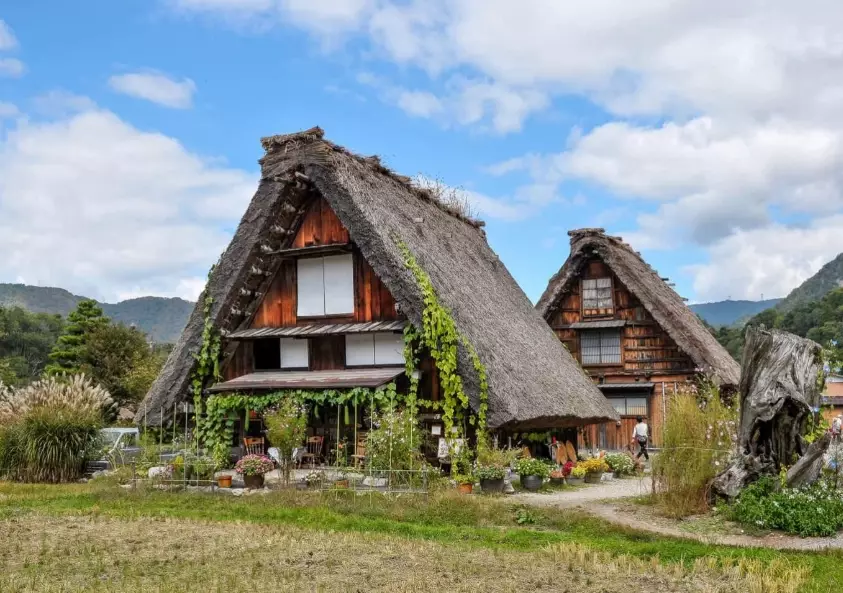
Tono, Iwate: The town of Japanese folktales ("Tono Monogatari"). This is where the legends of kappas (water imps) and mountain spirits come from. You rent a bike and visit old thatched houses, sacred stones, and quiet valleys. The tourism here is all about atmosphere and story, not Instagram backdrops.
The Practical Guide: How to Actually Do Japan Off the Beaten Path
This is where most guides get vague. Let's get specific. The logistics are different, but not difficult.
Transportation: Your New Best Friends
The JR Pass is a fantastic tool, but for deep exploration, you often need to supplement it.
- Rental Car: For regions like Iya Valley, Southern Kyushu, or coastal parts of Shikoku, a car is freedom. Roads are excellent, signs are clear (GPS usually has English), and you can stop at that random roadside onsen or viewpoint. Rent from major companies at regional airports or stations. An International Driving Permit is mandatory.
- Local Buses & Rural Trains: They exist and they run on time, but frequencies can be low. The key is planning your day around the schedule. Google Maps is surprisingly reliable for rural bus times in Japan. Always have a buffer.
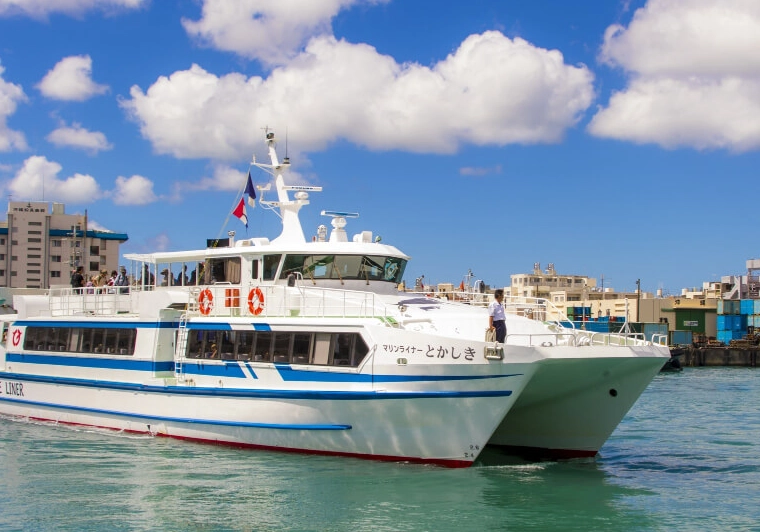
- Ferries: Essential for island hopping in Okinawa or getting to places like the Oki Islands (Shimane). Book ahead in peak seasons.
I learned the hard way in rural Ehime (Shikoku). Missed the last bus from a tiny village back to my lodging. A 90-minute wait and a very expensive taxi ride later, I became a religious schedule-checker.
Accommodation: Beyond the Business Hotel
This is half the fun of going off grid.
- Minshuku & Ryokan: Family-run guesthouses and traditional inns. Often include dinner and breakfast (kaiseki or home-cooked meals). This is where you have those authentic interactions. Booking can be tricky—sometimes phone-only. I've had success using Japanese travel agents like Japanican or even just asking my first city hotel to call and book the next rural one for me.
- Shukubo (Temple Lodgings): On Mount Koya or in Dewa Sanzan. You participate in morning prayers and eat shojin ryori (Buddhist vegetarian cuisine). A profound, quiet experience.
Language & Etiquette: The Bridge to Connection
In Tokyo, you can get by with English. Out here, even basic Japanese effort pays dividends.
- Learn the pleasantries: Sumimasen (excuse me), Arigatou gozaimasu (thank you), Onegaishimasu (please).
- Pointing, smiling, and a translation app (Google Translate's camera function is a lifesaver for menus) will cover the rest.
- Etiquette is more relaxed in the countryside, but the core rules remain: be quiet on trains, be punctual, handle things with both hands when receiving/giving. People are incredibly forgiving and appreciative of the effort.
Budget Considerations
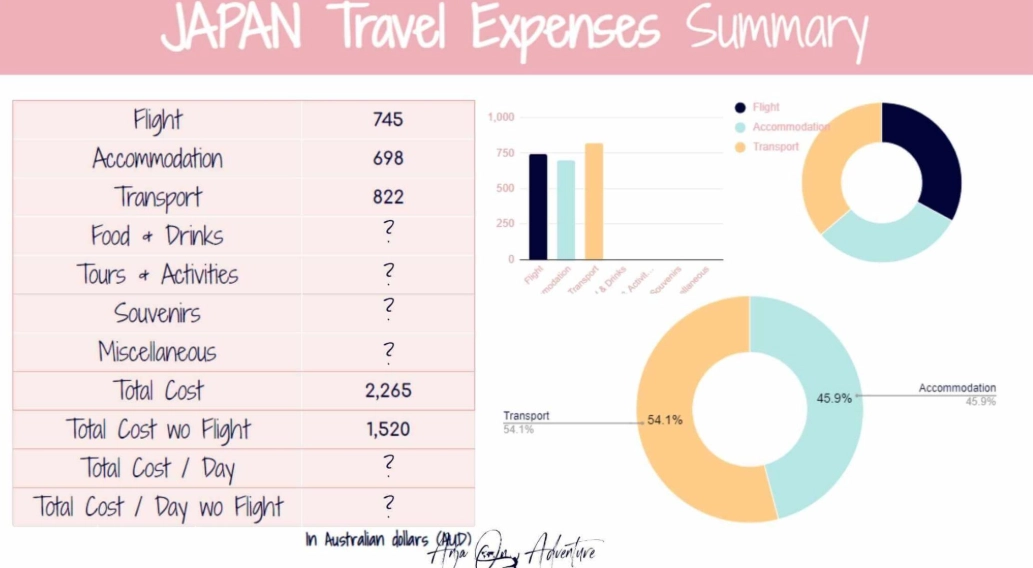
It's a mixed bag. Accommodation and food in the countryside can be cheaper than Tokyo. But transportation costs can add up if you're using taxis or renting a car. Here's a rough daily breakdown for a mid-range, off-path traveler.
| Expense | Budget (Per Person) | Notes & Tips |
|---|---|---|
| Accommodation (Minshuku/Ryokan) | ¥8,000 - ¥15,000 | Often includes two meals. Incredible value for the experience. |
| Local Transport (Buses, Trains, Car Rental Split) | ¥3,000 - ¥6,000 | Varies wildly. A rental car for 2-3 people can be very cost-effective. |
| Food (Lunches, Snacks, Drinks) | ¥3,000 - ¥5,000 | If your lodging includes meals, this is just for lunch/snacks. Try local specialties at small shops. |
| Attractions & Activities | ¥1,000 - ¥3,000 | Many temples, hikes, and natural sights are very cheap or free. |
| Estimated Daily Total | ¥15,000 - ¥29,000 | This is often comparable to or cheaper than a busy day in Kyoto. |
See? Not scary. You're trading souvenir budgets for train tickets to somewhere unforgettable.
Answering Your Japan Off the Beaten Path Questions (FAQ)
Putting It All Together: A Sample 5-Day Tohoku Itinerary
Let's make this tangible. Here’s how a chunk of your trip could look, focusing on a true Japan off the beaten path experience.
Day 1: Arrive in Sendai. Use it as a logistics base. Eat gyutan (beef tongue), explore the city. It's a pleasant, manageable city.
Day 2: Yamadera Day Trip. Train from Sendai to Yamadera (about 1 hour). Spend 3-4 hours climbing, exploring, and soaking in the atmosphere. Return to Sendai.
Day 3: Journey to Kakunodate. Take the Shinkansen to Kakunodate (the "Little Kyoto of Tohoku"). Wander the stunning samurai district with its black wooden walls. Stay in a local ryokan here.
Day 4: Lake Tazawa & Nyuto Onsen. Rent a car in Kakunodate (or take a bus). Visit the deep blue Lake Tazawa, then head into the mountains to the Nyuto Onsenkyo area—a collection of rustic, fantastic onsens. Stay at one of the ryokans here for the ultimate onsen retreat.
Day 5: Slow morning, then travel onward. Enjoy a final soak, a leisurely breakfast, and then drive/train to your next destination (e.g., back to Sendai for a flight, or onwards to Aomori).
Need to check regional travel conditions or find specific festival dates? The Japan National Tourism Organization (JNTO) website is an authoritative and invaluable resource for all travelers, especially those venturing beyond the usual routes.
Share Your Thoughts