Explore This Guide
Let's be real. Planning a solo trip to Japan can feel equal parts exciting and overwhelming. I remember staring at maps of Tokyo's subway lines, wondering if I'd spend half my vacation lost underground. But here's the thing – Japan is arguably one of the best places on earth for solo travel. It's safe, it's clean, the food is unreal, and there's a kind of organized chaos that somehow makes sense once you're in it.
I've put together this Japan solo travel itinerary for 7 days based on my own trip and the mistakes I made (so you don't have to). It's a classic golden route that hits the major highlights – the neon buzz of Tokyo, the serene views of Mount Fuji from Hakone, and the timeless temples of Kyoto. It's fast-paced, sure, but it's designed to give you a fantastic first taste without feeling like you're just ticking boxes.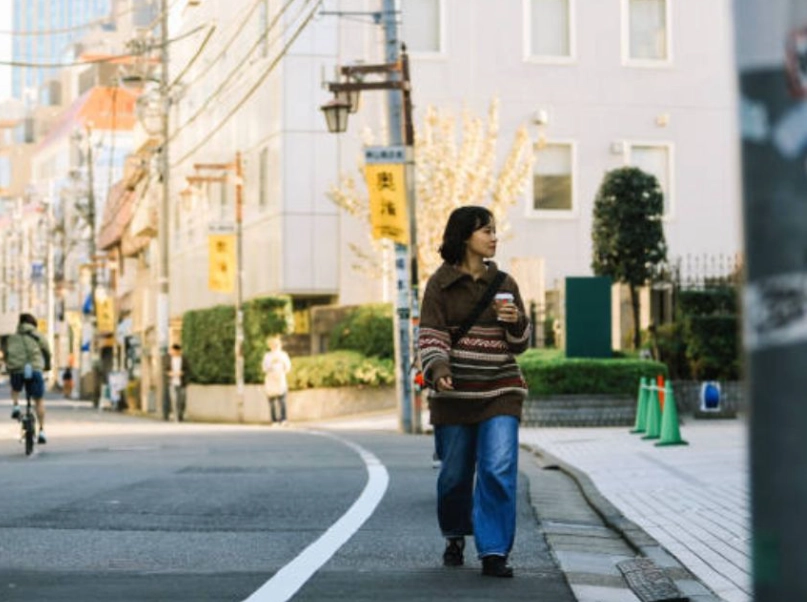
Who this itinerary is for: First-time solo travelers to Japan, people who like a mix of city energy and cultural sights, and anyone who wants to see a lot without constant stress. It's not a slow travel guide. It's a get-up-and-go, make-the-most-of-your-week kind of plan.
Before You Go: The Solo Traveler's Japan Checklist
Jumping straight into the day-by-day plan is tempting, but a little prep makes everything smoother. Trust me, figuring this stuff out on the fly is a headache you don't need.
Get Your Tech and Money Sorted
Pocket Wi-Fi vs. SIM Card: For a solo traveler, being connected is non-negotiable for maps and translations. I rented a pocket Wi-Fi device because I needed constant connection for my laptop too. It was a breeze to pick up at the airport. But if you're just using a phone, a data SIM might be cheaper. Book either one online before you fly – it's cheaper and guarantees you have it.
Money: Japan is still surprisingly cash-based in many smaller restaurants, temples, and rural areas. While IC cards like Suica (for Tokyo) and ICOCA (for Kyoto) cover most trains and convenience stores, you'll need yen. I withdrew cash from 7-Eleven ATMs – they have English menus and usually the best rates. Always carry at least 10,000 yen with you.
Navigating Like a Pro: Transport Hacks
This is the big one. The Japan Rail (JR) Pass is a famous money-saver, but for this specific 7-day solo travel itinerary, you need to do the math. The pass covers the Shinkansen (bullet train) from Tokyo to Kyoto, which is a huge cost. However, if you're only making one major long-distance trip (Tokyo > Hakone > Kyoto), a 7-day pass might be borderline. Use the official Japan Rail Pass calculator to compare. I didn't get it for my first trip and just bought individual tickets, and it was fine. For your second trip, maybe.
In cities, get a rechargeable IC card (Suica or Pasmo) immediately. You tap and go on almost all trains, subways, and buses. It's a lifesaver. Also, download these apps: Google Maps (works flawlessly for train times and platforms) and Japan Travel by Navitime for more detailed route planning.
Where to Stay Solo: Neighborhoods & Accommodation
Choosing the right area is half the battle for a good trip. You want to be somewhere central, well-connected, and with food options for a solo diner.
| City | Best Areas for Solo Travelers | Why It Works | My Stay & Notes |
|---|---|---|---|
| Tokyo | Shinjuku, Shibuya, Ginza | Shinjuku is a major transport hub, making day trips easy. Shibuya is youthful and energetic. Ginza is more upscale but central. | I stayed in a small business hotel in Shinjuku. It was no-frills but right above a subway line. Perfect. Hostels in Shibuya are great for meeting people. |
| Hakone | Gora, Hakone-Yumoto | Gora is central on the Hakone circuit. Hakone-Yumoto is the main entrance town, good for ryokan (traditional inns). | I splurged on a ryokan with a private onsen in Gora. A bit lonely solo, but a quintessential experience. Next time, I might try a hostel with a communal bath. |
| Kyoto | Downtown (Kawaramachi), near Kyoto Station | Kawaramachi is close to shopping, dining, and the river. Near Kyoto Station is super convenient for arrival/departure. | I chose a hotel near Kyoto Station. It was practical, especially with luggage, but felt a bit sterile. I'd try Gion or Kawaramachi next time for more atmosphere. |
For accommodation, business hotels (like APA, Dormy Inn) are a solo traveler's best friend. They're clean, compact, and often have free amenities like pajamas and breakfast. Booking.com and Agoda are my go-tos.
The 7-Day Japan Solo Travel Itinerary: Day by Day
Alright, here we go. This is the core of your Japan solo travel itinerary for 7 days. I've included travel times and my personal highlights (and lowlights).
Days 1-3: Tokyo - The Electric Introduction
Day 1: Arrival & Shinjuku Immersion
You'll likely land at Narita (NRT) or Haneda (HND) in the afternoon. After clearing immigration and picking up your Wi-Fi/SIM, take the Narita Express (N'EX) or Keikyu Line into the city. Check into your hotel and fight the jetlag by diving out.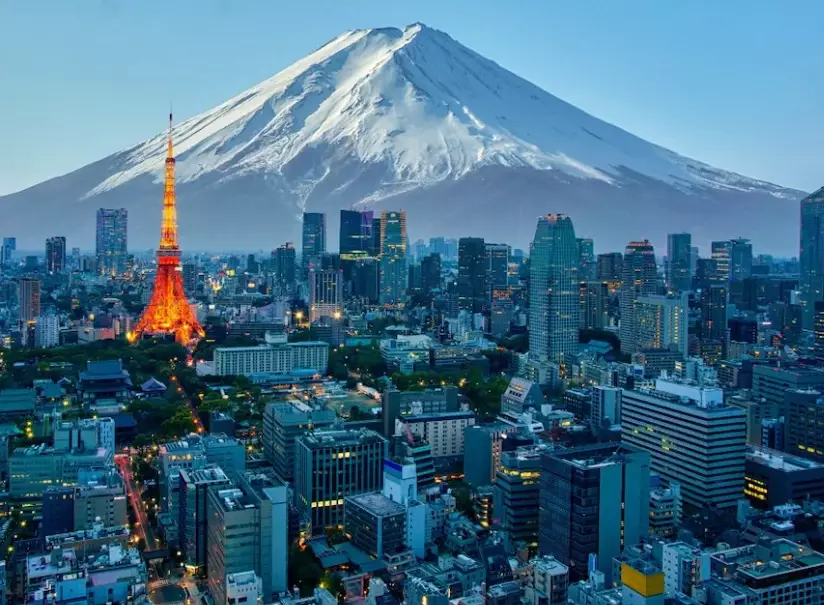
Evening: Head to the Tokyo Metropolitan Government Building in Shinjuku. It has free observation decks with stunning views of the city sprawling endlessly – a perfect, cost-free welcome. For dinner, find a ramen shop. Ippudo or Ichiran are chains, but they're reliable and have solo booth seating which feels normal, not isolating. Don't be shy to use the vending machine ticket system!
Day 2: Shibuya, Harajuku & Omotesando
Start at the Shibuya Scramble Crossing. It's cliché, but standing in the middle of that human river is a rush. For a great (and free) view, go to the Starbucks in the Tsutaya building, though it's always packed.
Walk to Harajuku. Takeshita Street is... an experience. It's packed with teens and crepe shops. I found it overwhelming after 10 minutes. A more enjoyable alternative is Omotesando, the tree-lined avenue next door, full of chic architecture and cafes.
Afternoon: Escape the crowds at Meiji Jingu, a serene Shinto shrine dedicated to Emperor Meiji. The forest path leading to it is so quiet you forget you're in Tokyo.
Solo Dining Tip: Look for restaurants with counter seating or those displaying plastic food models outside. The models take the guesswork out of ordering. I had my best solo sushi experience at a tiny 8-seat counter in Shinjuku's Omoide Yokocho ("Piss Alley").
Day 3: Asakusa, Ueno & Akihabara
Take the train to Asakusa. Walk through the Kaminarimon (Thunder Gate) and down Nakamise-dori, a street packed with souvenir stalls (try the melon-pan!). At the end is Senso-ji Temple, Tokyo's oldest.
From there, walk or take a short train to Ueno Park. You can visit museums here or just stroll. I then headed to Akihabara (Electric Town) in the late afternoon. It's a sensory overload of neon, anime, and electronics. As a solo traveler, it's fascinating to just wander and observe the subculture. If manga cafes (manga kissa) intrigue you, they often offer cheap, private cubicles for resting – a weird but useful solo travel hack.
Day 4: Hakone - Fuji Views & Onsen Relaxation
Morning: Take the Odakyu Romancecar from Shinjuku Station to Hakone-Yumoto (about 85 minutes). It's a direct, comfy train. Store your main luggage at the station (coin lockers are everywhere) and take a small overnight bag.
This is where you activate the Hakone Free Pass (if you bought it). It covers almost all transport in the area and is worth every yen. The classic Hakone Loop involves a switchback train, a cable car, a ropeway over sulfuric valleys, a pirate ship on Lake Ashi, and finally a bus back. It sounds complicated, but it's well-signposted.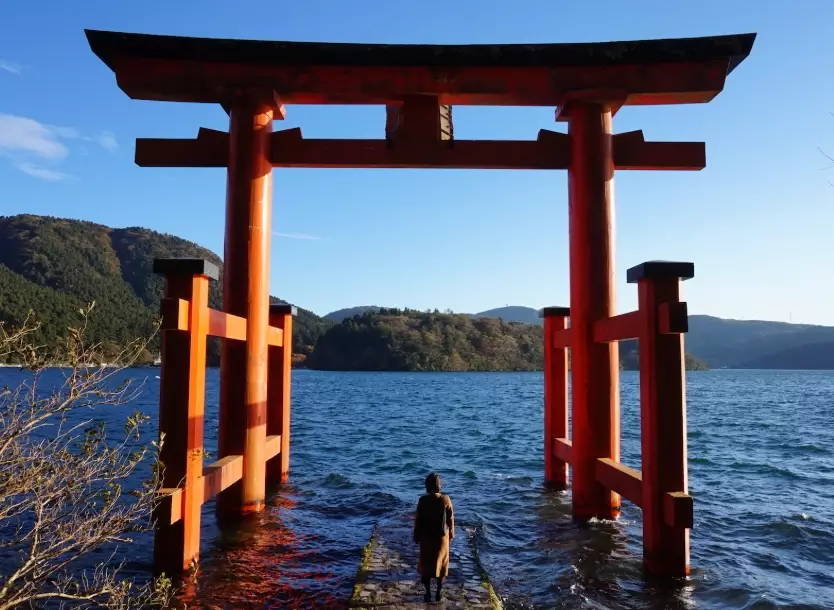
The highlight is the Hakone Ropeway. If the weather is clear, you get breathtaking views of Mount Fuji over Lake Ashi. I wasn't so lucky – it was shrouded in cloud. That's the gamble. The Owakudani volcanic valley is surreal, and you must try the black eggs boiled in the sulfuric waters (they say it adds 7 years to your life!).
Evening: Check into your accommodation. If you're at a ryokan, you'll have a kaiseki (multi-course) dinner. It's an event in itself. Then, soak in the onsen. It's the ultimate solo traveler recharge. Just remember to wash thoroughly before getting in and no towels in the water!
Days 5-7: Kyoto - Temples, Traditions & Tranquility
Day 5: Travel to Kyoto & Gion Exploration
From Hakone, take a train to Odawara Station (included in the Free Pass), then catch the Shinkansen to Kyoto. It's about a 2-hour journey. You'll see Fuji from the train on the right side if it's clear!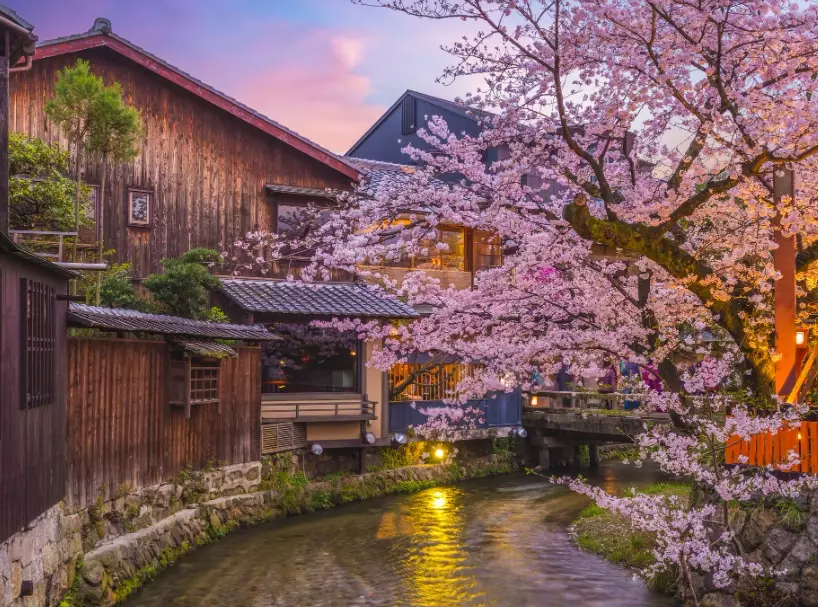
Check into your Kyoto hotel. Start slow. Head to the Gion district in the late afternoon. This is the famous geisha district. Wander the preserved streets like Hanami-koji. Seeing a geiko or maiko (Geisha and apprentice) is rare and they move quickly – be respectful, no chasing for photos.
Evening: Walk along the Kamo River. In warmer months, the riverside restaurants open their balconies (yuka). Grab a drink and watch the world go by.
Day 6: The Eastern Kyoto Temple Circuit
This is a big walking day. Start early. Take a bus to Kiyomizu-dera, the temple with the iconic wooden stage. The views over Kyoto are amazing. From there, walk down the charming Sannen-zaka and Ninen-zaka stone paths. They're lined with old tea houses and shops – get there before the tour buses do.
Continue walking to Maruyama Park, then to the iconic red gates of Fushimi Inari Taisha. Yes, it's crowded at the base, but keep walking up the mountain path through the thousands of torii gates. The higher you go, the fewer people. I went about 40 minutes up and found almost solitude. It's magical.
You'll be tired. For dinner, head to Pontocho Alley, a narrow lane packed with restaurants. It can be pricey, but the atmosphere is worth it. Look for set menus.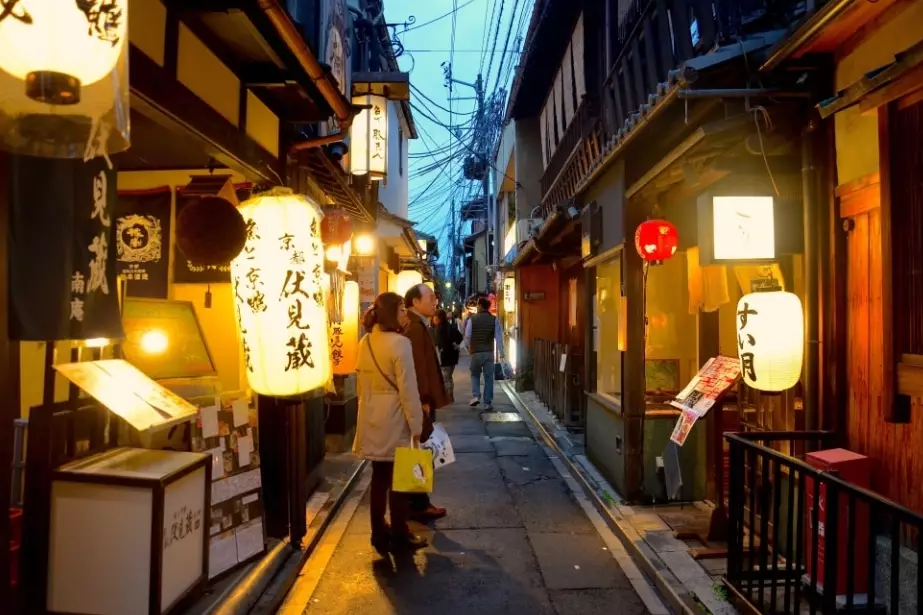
My Kyoto Mistake: I tried to cram Arashiyama (the bamboo forest) into this same day. It was too much. The bamboo grove itself is smaller than you think and packed with people. If you have energy on Day 7, go early in the morning. Otherwise, consider it for a future trip.
Day 7: Final Morning & Departure
Your last half-day. If you have time before your flight/train, visit Nishiki Market ("Kyoto's Kitchen"). It's a covered market street with over 100 shops selling pickles, sweets, seafood, and kitchenware. It's perfect for grabbing last-minute snacks or souvenirs.
From Kyoto, you can take a direct Haruka Express train to Kansai International Airport (KIX) for your flight out.
Solo Travel in Japan: Your Burning Questions Answered
I get a lot of questions from friends about traveling alone in Japan. Here are the big ones.
In my experience, absolutely yes. Japan has one of the lowest crime rates in the world. I walked alone at night in major cities and never felt threatened. Of course, practice general awareness. For women, many trains have "women-only" cars during rush hours (marked on the platform). Capsule hotels and some hostels have female-only floors. The biggest issue might be occasional stares, but it's usually curiosity, not malice.
Japan has a reputation for being expensive, but you can manage. The biggest costs are transport and accommodation. For a budget version of this trip: stay in hostels or capsule hotels (they're an experience!), eat at convenience stores (7-Eleven, FamilyMart, Lawson – their food is legit good), gyudon chains (Sukiya, Matsuya), and ramen shops. Limit paid temple entries to just a few key ones. Many shrines and gardens are free or very cheap. Use buses over taxis. Here's a rough breakdown per day:
| Budget Tier | Accommodation | Food | Activities/Transport | Estimated Daily Cost |
|---|---|---|---|---|
| Budget | Hostel Dorm / Capsule | Convenience Stores, Street Food, Fast Food | Local transport, 1 paid attraction | ¥8,000 - ¥12,000 |
| Mid-Range | Business Hotel / Private Hostel Room | Mid-range Restaurants, Occasional Splurge | All transport, 2-3 paid attractions | ¥15,000 - ¥25,000 |
| Splurge | Boutique Hotel / Ryokan (1 night) | Nice restaurants, Kaiseki meals | All transport, any attraction, taxis | ¥30,000+ |
Don't forget to factor in the cost of the Shinkansen (around ¥13,000 one-way from Tokyo to Kyoto) if you're not using a JR Pass.
You'll be fine. In cities and major tourist areas, signs are in English and Roman letters (romaji). Many restaurant menus have pictures or English versions. People in service roles (stations, hotels, major shops) often know basic English. The key is to be polite. Learn a few phrases: "Arigatou gozaimasu" (Thank you), "Sumimasen" (Excuse me/Sorry), "Onegaishimasu" (Please). A translation app like Google Translate is your best friend, especially its camera function to translate signs instantly.
The language barrier is more about humility than a real obstacle. Pointing, smiling, and a little effort go a long, long way.
A few basics will make your life easier and show respect:
- Onsen/Bathhouses: Wash thoroughly at the shower stations before getting into the communal bath. No soap, no towels in the water.
- Eating & Drinking: It's polite to say "itadakimasu" before eating and "gochisousama deshita" after. Don't walk and eat at the same time on the street – it's frowned upon. Stand to the side of a convenience store if you're eating something quickly.
- Money: Use the little tray at cash registers to pay. Don't hand money directly to the cashier.
- Trains: Be quiet. Phone calls are a big no-no. Set your phone to silent mode ("manner mode").
- Temples & Shrines: At Shinto shrines, bow slightly before passing through the torii gate. At the purification fountain, use the ladle to wash your left hand, then right, then pour water into your cupped left hand to rinse your mouth (spit it out beside the fountain, NOT into it). Don't drink from the ladle.
Final Thoughts: Making This Itinerary Your Own
This 7-day Japan solo travel itinerary is a template, not a rigid script. The beauty of traveling alone is the freedom to change it.
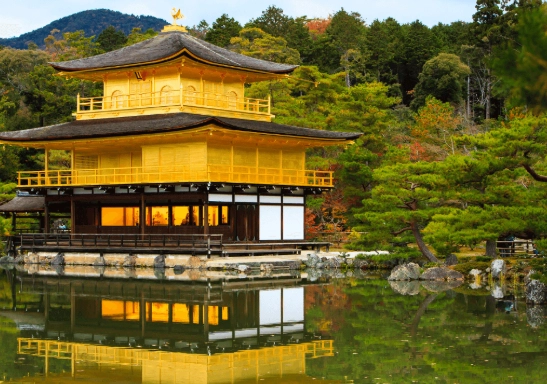
Love anime? Swap a Tokyo day for a deeper dive into Akihabara or a trip to the Ghibli Museum (book tickets way in advance). More into history? Spend an extra day in Kyoto visiting Nijo Castle or the Golden Pavilion (Kinkaku-ji). Need a slower pace? Cut Hakone and add a night in Kyoto or Tokyo. Want to meet people? Book a hostel with a common area or join a free walking tour on your first day in a new city.
Japan for the solo traveler is a gift. It's a place where you can be utterly anonymous in a crowd of millions, yet feel completely safe. It's a place of profound quiet in a temple garden and exhilarating noise in a pachinko parlor. This one-week trip will give you that addictive first taste. You'll leave with sore feet, a camera full of photos, and a strong desire to start planning your next solo travel Japan adventure before you've even boarded the plane home.
Just go. You'll figure it out. And you'll love it.
Share Your Thoughts