Ask anyone who's been to Japan about their favorite memories, and chances are a market will come up. It might be the overwhelming smell of the sea at Tsukiji, the orderly chaos of a temple flea market, or the quiet discovery of a perfect ceramic cup in a backstreet gallery. For me, markets are the real heart of Japan's daily life, far more telling than any museum. They're where commerce, culture, and community collide in the most delicious and fascinating ways.
But here's the thing most guidebooks miss: not all Japanese markets are created equal. Some have become polished tourist attractions, while others remain stubbornly, wonderfully local. The key is knowing where to go, when to go, and how to navigate them like a pro. This isn't just a list of places; it's a toolkit for having the authentic market experience you're actually looking for.
Your Quick Navigation
The Unbeatable Food Markets Where Your Stomach Leads the Way
Japanese food markets are sensory overload in the best way possible. Forget sterile supermarkets; this is where you see the provenance of your dinner. The big three are legendary for a reason, but each has a different personality.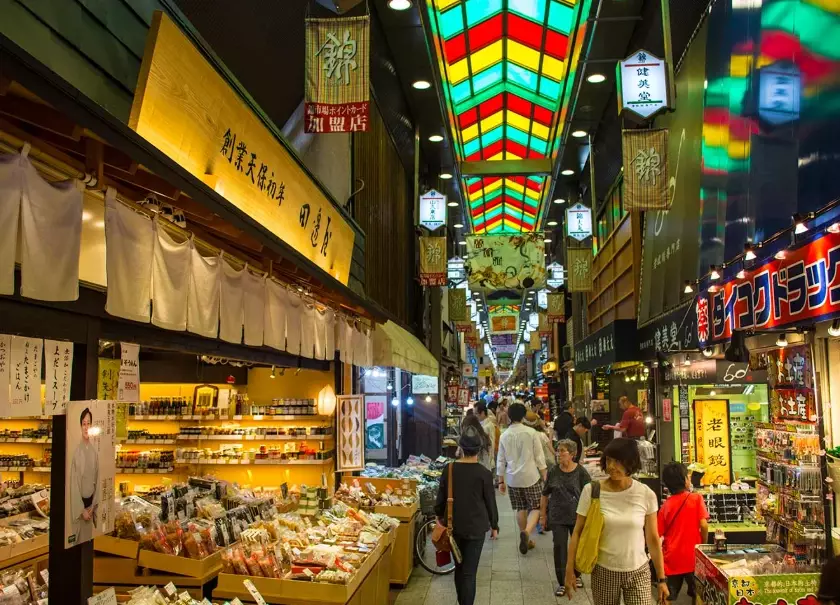
Tokyo's Tsukiji Outer Market: The Seafood Colossus
Yes, the famous tuna auction moved to Toyosu. No, the Tsukiji Outer Market is not dead. In fact, it's better for visitors now. Without the massive wholesale trucks, it's easier to wander the narrow lanes packed with hundreds of stalls.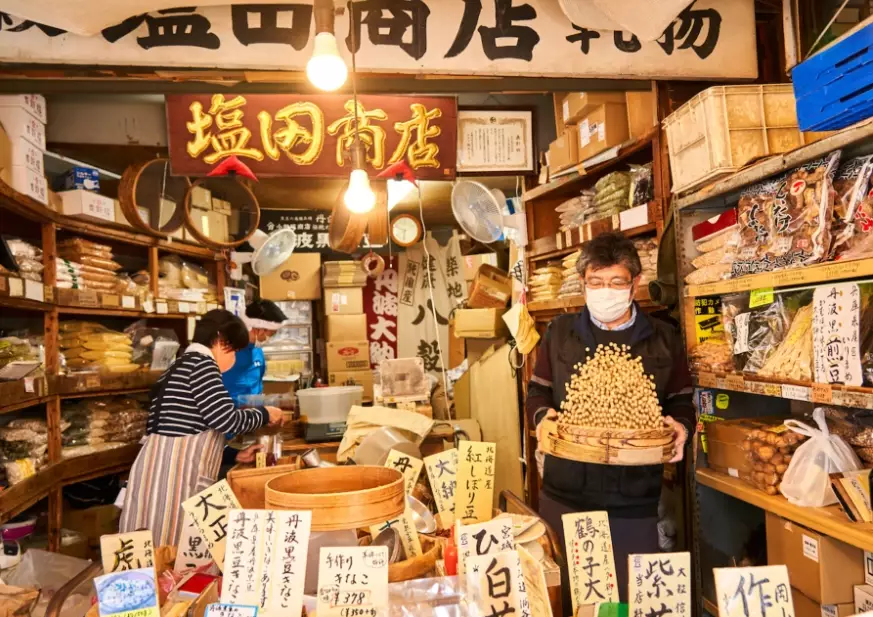
Address: 4 Chome-16-2 Tsukiji, Chuo City, Tokyo. It's a sprawling area, so just head to Tsukiji Station.
Access: Toei Oedo Line to "Tsukijishijo" Station Exit A1 is easiest. Hibiya Line to "Tsukiji" Station is also close.
Hours: Most shops operate from 5:00 AM to around 2:00 PM. Many close on Sundays and Wednesdays. Get there by 9 AM for the best selection without the pre-dawn madness.
The Real Move: Don't just gawk at the giant tuna heads. Go for breakfast. Skip the insanely long queues at the most famous sushi bars they're good, but is 90 minutes good?. Instead, find a smaller stall serving kaisendon seafood rice bowl. Look for a place where the chef is constantly replenishing the fish from the stalls behind him. A bowl piled high with uni sea urchin, ikura salmon roe, and maguro tuna will cost between ¥2,500 to ¥4,000. It will be the freshest sushi experience of your life. I'm partial to the tiny standing bars that sell grilled scallops and giant oysters on the shell for ¥500-800 a piece—eat them right there on the street.
Kyoto's Nishiki Market: The 400-Year-Old Kitchen
Nishiki is narrow, covered, and runs like a river through central Kyoto. It's less about raw ingredients and more about prepared foods, pickles, knives, and Kyoto specialties. It feels traditional but is undeniably on the tourist trail.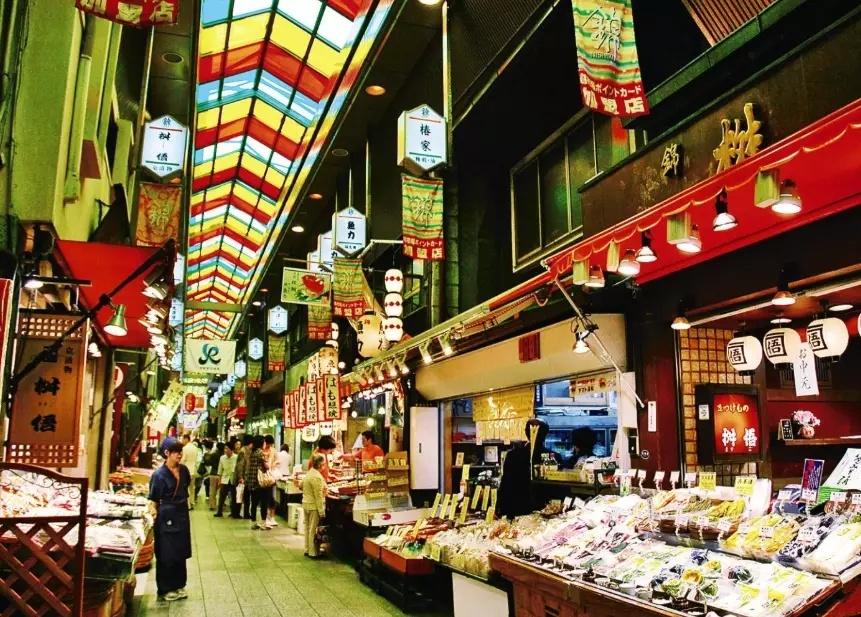
Address: Nishikikoji-dori, Nakagyo Ward, Kyoto. Parallel to Shijo-dori.
Access: A short walk from Karasuma or Shijo stations.
Hours: Typically 9:00 AM to 6:00 PM, but many shops close around 5 PM. Individual shop closures vary, often on Wednesdays or Sundays.
What to Buy: This is snack central. Try tamagoyaki sweet rolled omelette on a stick, fresh mochi stuffed with red bean, or samples of a hundred different pickles. For a unique souvenir, a hand-forged Japanese kitchen knife from Aritsugu but be prepared for prices starting around ¥15,000 is a lifetime investment. The crowd is thick from 11 AM to 4 PM. Go at 9 AM when it opens, or after 5 PM for a quieter, more local vibe as they wind down.
Osaka's Kuromon Ichiba Market: The Gritty, Friendly Alternative
Osakans call it "Osaka's Kitchen," but it has a more working-class, chaotic energy than Nishiki. You'll see more locals doing actual grocery shopping here alongside tourists. The vendors are famously loud and friendly.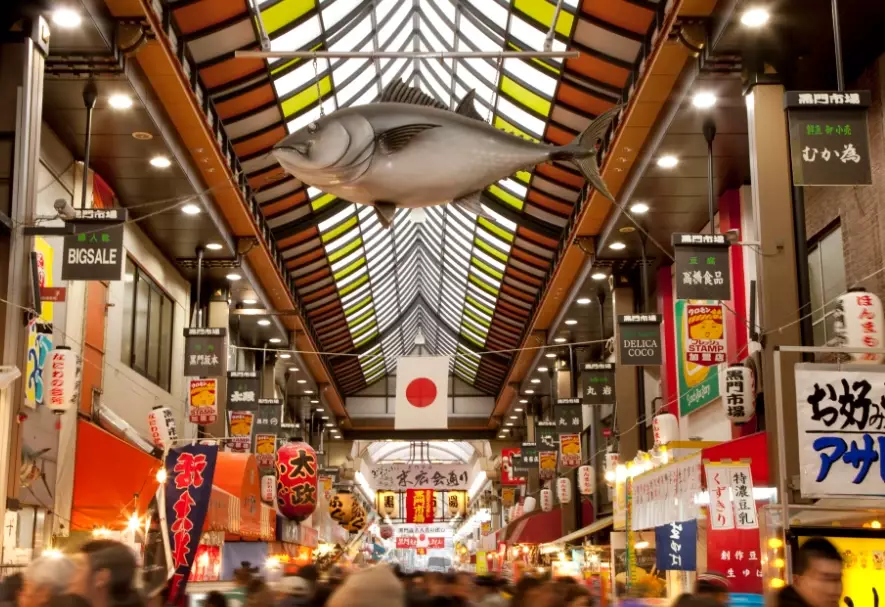
Address: 2 Chome Nipponbashi, Chuo Ward, Osaka.
Access: A 5-minute walk from Nipponbashi Station or Namba Station.
Hours: Most stalls 9:00 AM to 6:00 PM, with some food stalls opening earlier. Many closed on Wednesdays.
Osaka's Flavor: This is the place for bold flavors. Feast on giant crab legs, grilled scallops, and especially fugu blowfish if you're feeling brave and it's in season, October to March. Kobe beef skewers are also popular, but verify the origin if it's important to you. For a classic Osaka experience, buy a selection of sashimi and shellfish from a few stalls, then take it to a nearby izakaya that allows you to bring your own food omochikaeri.
| Market | Best For | Price Vibe | Crowd Peak | Pro Tip |
|---|---|---|---|---|
| Tsukiji Outer Tokyo | Ultra-fresh seafood, breakfast sushi | Moderate to High | 10:00 AM - 1:00 PM | Go for a late breakfast, skip the famous queue. |
| Nishiki Kyoto | Snacks, pickles, kitchenware, souvenirs | Moderate | 11:00 AM - 4:00 PM | Hit the edges for more unique, less crowded shops. |
| Kuromon Osaka | Grilled seafood, street food, local vibe | Good Value | 12:00 PM - 3:00 PM | Practice your haggling smile it sometimes works on bulk buys. |
Treasure Hunts: Antiques & Craft Markets
This is where the magic happens for me. These markets are less about consumption and more about discovery. You're sifting through history and handiwork.
The Oedo Antique Market Tokyo
Held at the Tokyo International Forum on the first and third Sundays of the month, this is Japan's largest outdoor antique market. It's a mix of serious dealers and hobbyists selling everything from Edo-period woodblock prints to 1970s vinyl.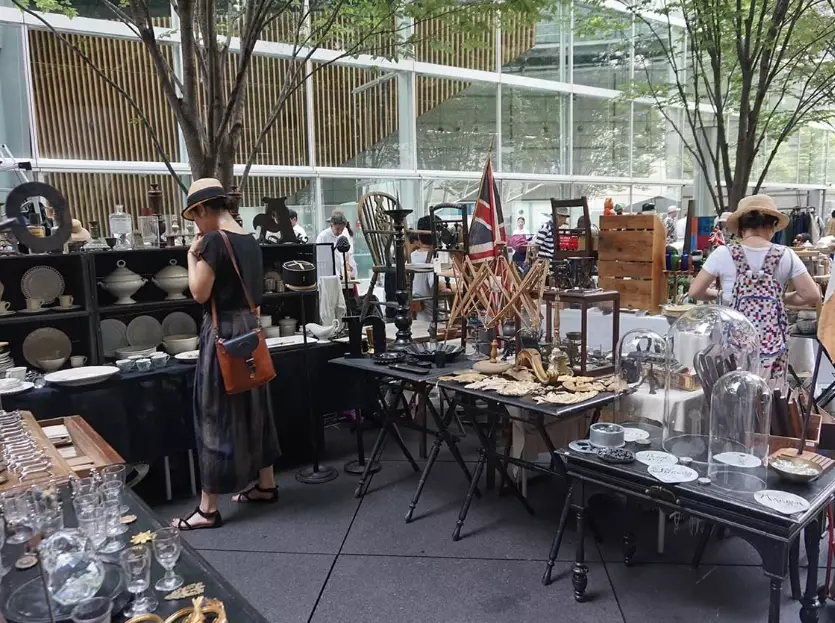
/Date: Tokyo International Forum, Ground Floor Plaza. First & third Sundays, ~9:00 AM - 4:00 PM.
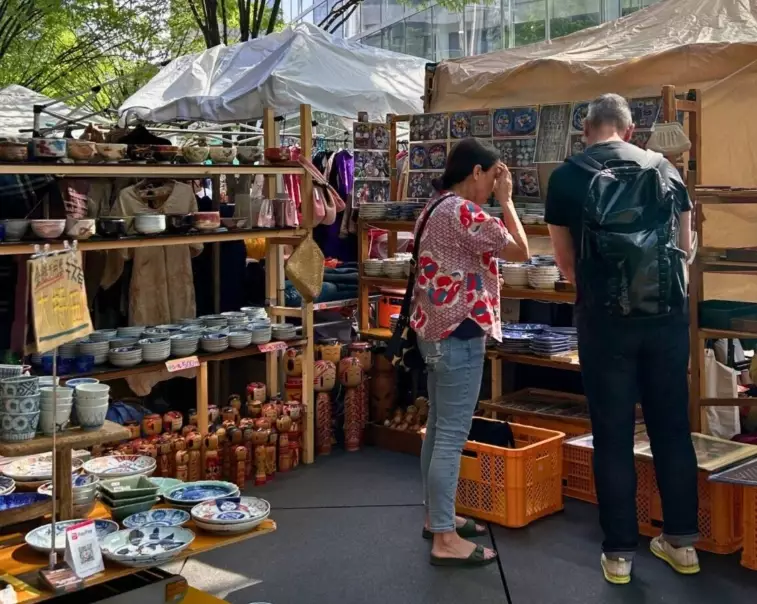
What You'll Find: Porcelain, vintage kimono, old signage, jewelry, toys, books. Quality varies wildly.
Key Advice: Bring cash. Lots of it, in small denominations. Prices are often negotiable, especially later in the day. A polite "chotto takai desu ne" "It's a little expensive" with a smile can open a discussion. Don't expect flea market steals; dealers know what they have, but you can find fair prices.
Kitano Tenmangu Flea Market Kyoto
Held on the 25th of every month at Kitano Tenmangu Shrine, this market has a history stretching back centuries. The setting among the shrine grounds is unbeatable.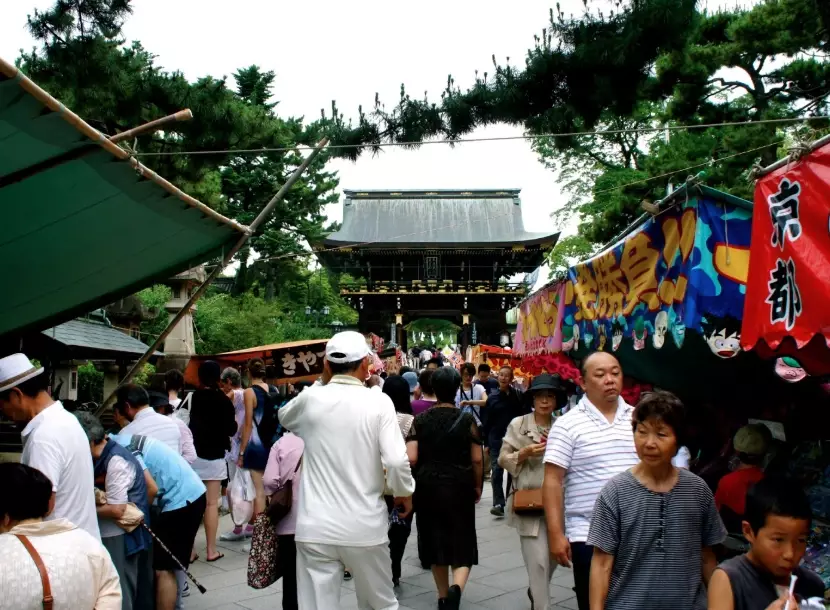
/Date: Kitano Tenmangu Shrine, Kamigyo Ward, Kyoto. 25th of each month, dawn till dusk.
The Vibe: More rustic and mixed than Oedo. You'll find antiques alongside used clothes, plants, tools, and food stalls. It's a fantastic local scene.
Hidden Gems: Look for vintage furoshiki wrapping cloths, geta wooden sandals, and antique ceramics. The food stalls serving oden stew and amezake sweet sake are perfect for a break.
A Non-Consensus View on "Antiques": Many tourists look for "Samurai swords" or "geisha dolls." Be extremely skeptical. Real swords nihonto are highly regulated, require special paperwork for export, and are rarely sold at open markets. Most you'll see are cheap replicas. True geisha items are almost never sold publicly. Focus on everyday beautiful objects—a cracked but gorgeous kutani ware plate, a set of hashi chopsticks with mother-of-pearl inlay, a well-worn tansu chest key. Their stories are often more authentic.
How to Shop Smart in Japanese Markets: Etiquette & Strategy
This is the stuff you learn by making mistakes. I've made plenty.
Cash is King and Queen: While major markets now often accept IC cards Suica, Pasmo and some take credit cards, assume you need cash, especially at smaller stalls, antique markets, or for small purchases. ATMs are not always nearby.
The Bargaining Myth: In food markets, do not bargain. The price is the price. It's considered rude. In antique and flea markets, gentle negotiation is possible. It's a subtle dance, not a haggle. Ask politely if there's a discount for buying multiple items. Never start by offering half the price.
Tasting & Touching: If a vendor offers a sample, it's usually free. If not, don't just grab. A simple "ii desu ka?" "Is it okay?" while pointing goes a long way. For non-food items, avoid excessive handling unless you're serious.
Plastic Bag Situation: Japan charges for plastic bags. Bring a reusable tote. It's not just eco-friendly; it makes you look like you know what you're doing.
Trash Disposal: Public trash cans are rare. Markets usually have designated bins, often requiring you to separate burnable from non-burnable. If you buy street food, it's expected you'll eat it near the stall and dispose of the wrapper in their provided bin.
Your Market Questions, Answered
Markets are more than just shopping destinations; they're a window into Japan's rhythm. They show you what's in season, what's valued, and how people interact. You might go for the fresh tuna, but you'll remember the vendor's smile when you tried a new sea creature, or the weight of a hundred-year-old bowl in your hand. Start early, bring cash, be curious, and step aside. You'll find more than souvenirs—you'll find stories.

Share Your Thoughts