Quick Navigation
- Kyoto's Temple Scene: A Quick Background
- The Top 1: Kiyomizu-dera – The Stage Over the City
- The Top 2: Kinkaku-ji – The Golden Pavilion
- The Top 3: Ginkaku-ji – The Silver Pavilion
- The Top 4: Ryoan-ji – The King of Rock Gardens
- The Top 5: Nanzen-ji – The Powerful & Picturesque
- Comparing the Five Great Temples of Kyoto
- Practical Tips for Visiting the Five Great Temples
- Frequently Asked Questions About Kyoto's Great Temples
- Beyond the List: Making It Your Own
So you're planning a trip to Kyoto and you've heard about the "Five Great Temples." It sounds official, right? Like a must-see list handed down by the travel gods. But here's the thing—when you start searching, you might find different lists. It can get confusing fast.
Let's clear that up right away. When people ask "What are the five great temples in Kyoto?" today, they're usually not referring to a single, ancient, government-sanctioned list. The term has evolved. It often points to a modern, consensus-based selection of Kyoto's most iconic, historically significant, and visually stunning Zen temples that represent the pinnacle of Japanese garden design, architecture, and spiritual atmosphere. They are the heavy-hitters, the places that show up on every postcard and guidebook for a very good reason.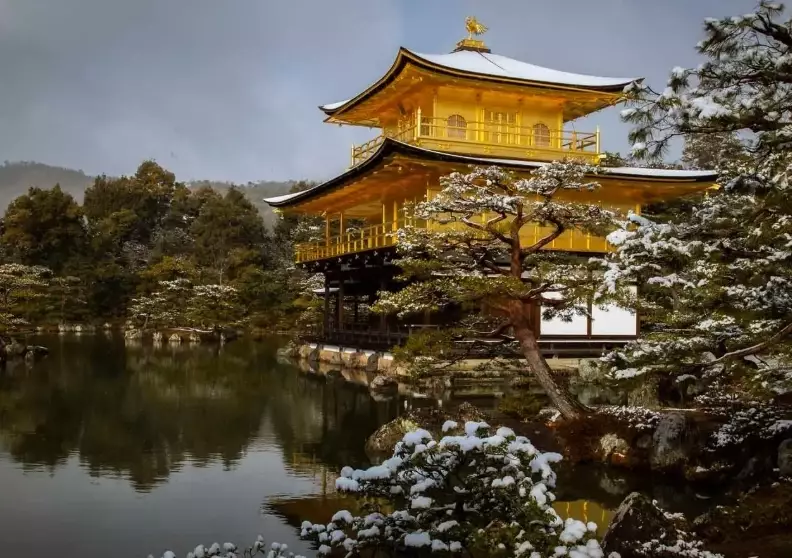
In this guide, we're going to focus on the five temples that consistently top visitor lists and expert recommendations: Kiyomizu-dera, Kinkaku-ji (The Golden Pavilion), Ginkaku-ji (The Silver Pavilion), Ryoan-ji, and Nanzen-ji. This isn't just a random pick; these sites encapsulate the essence of Kyoto's spiritual and aesthetic heritage, from breathtaking views to profound Zen rock gardens.
I've spent a lot of time in Kyoto, sometimes just wandering from one temple grounds to another. The first time I tried to see them all in one trip, I failed miserably—I was templed-out by the third day. It's a marathon, not a sprint. So I'll also give you some real-talk on how to actually visit them without burning out.
Kyoto's Temple Scene: A Quick Background
Kyoto was Japan's capital for over a thousand years. That's a long time to accumulate culture, power, and some seriously amazing architecture. Temples here aren't just places of worship; they're repositories of art, history, and landscape design. The concept of "Five Great Temples" or "Gozan" (五山) actually has historical roots in the Zen school's ranking system during the Muromachi period, but that official list included temples in Kamakura too.
The modern interpretation we're using is more flexible. It answers the practical traveler's question: "Which are the absolute must-see temples that give me the full Kyoto experience?" And that's what we're here for.
The Top 1: Kiyomizu-dera – The Stage Over the City
Let's start with arguably the most famous. Perched on the side of Otowa Mountain in eastern Kyoto, Kiyomizu-dera is a spectacle. Its main hall features a massive wooden veranda, the "Kiyomizu Stage," that juts out over the hillside, supported by a complex network of wooden pillars without a single nail.
Why It's "Great"
The view. Standing on that stage, looking out over a sea of maple and cherry trees towards Kyoto city is unforgettable. It's a UNESCO World Heritage site for good reason. The temple is dedicated to Kannon, the goddess of mercy, and has been a pilgrimage site since 778 AD. That's old.
What You Really Need to Know Before You Go
The approach is half the fun. You walk up the charming, steep streets of Higashiyama District, lined with traditional shops selling pottery, sweets, and pickles. It's crowded. Very crowded. Go as early as humanly possible, right at opening time (usually 6:00 AM). By 10 AM, it's a river of people.
Don't miss the Otowa Waterfall at the base of the main hall. Three streams of water fall into a pond, and visitors use long cups to drink from them. Each stream is said to grant a different benefit: longevity, success in studies, or a fortunate love life. Tradition says you should choose only one—greediness in wishing is frowned upon!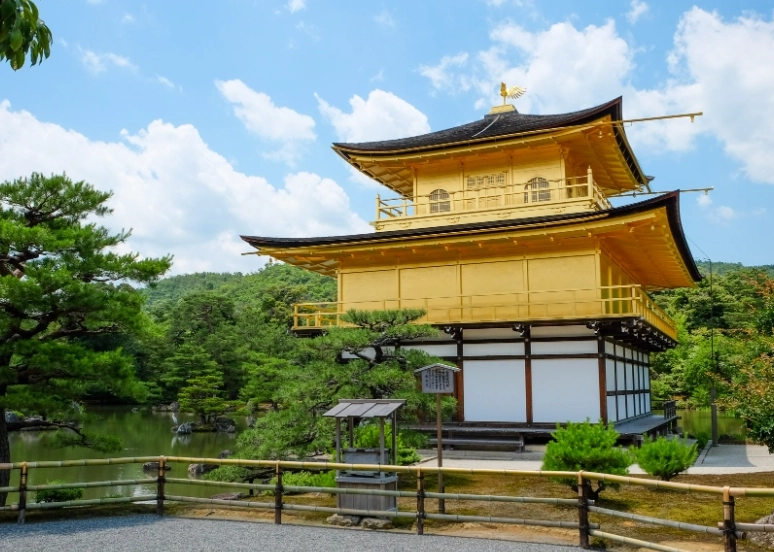
Kiyomizu-dera Practicals:
Best Time to Visit: Early morning. Sunset is also magical but packed.
Seasonal Highlight: Autumn (for the insane maple leaf colors) and Spring (cherry blossoms). The night illuminations during these seasons are spectacular but require separate tickets and patience with crowds.
Be Aware: The main hall has been undergoing major renovations in phases. The stage is usually still accessible, but you might see some scaffolding. Check the latest on their official website hosted by the Kiyomizu-dera Temple organization before you go.
I made the mistake of visiting at midday in November. The colors were mind-blowing, but the crowds made it hard to move, let alone find a moment of peace. Lesson learned.
The Top 2: Kinkaku-ji – The Golden Pavilion
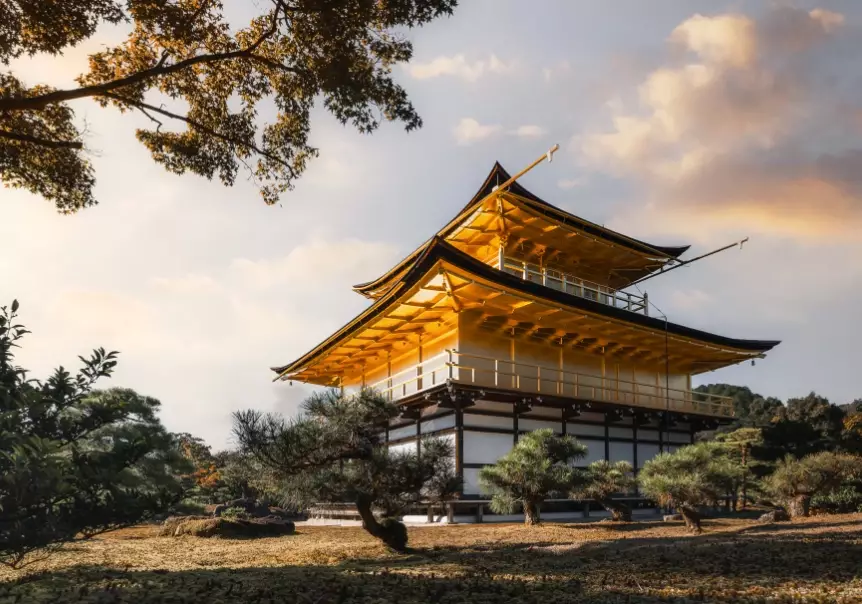
This is the one. The poster child. The temple covered in gold leaf that seems to float on a mirror-like pond. Its real name is Rokuon-ji, but nobody calls it that. It's simply Kinkaku-ji, the Golden Pavilion.
Why It's "Great"
It's visually stunning in a way that photographs can barely capture. The top two floors are completely covered in pure gold leaf. It represents the extravagant Kitayama culture of the Muromachi period. The building itself is a reliquary hall, holding sacred relics of the Buddha.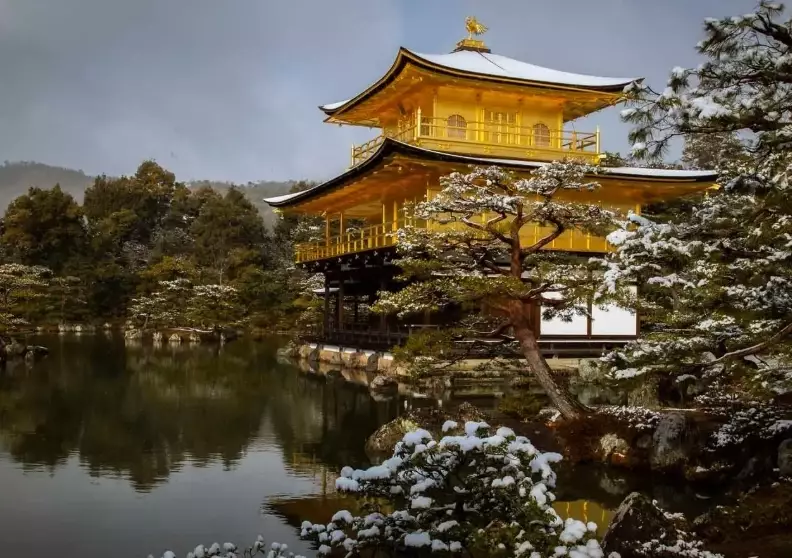
There's a dark twist to its beauty, though. The current structure is a meticulous 1955 reconstruction. The original was burned down in 1950 by a young monk—a famous event later novelized by Yukio Mishima in *The Temple of the Golden Pavilion*. Knowing that story adds a layer of melancholy to its perfect shine.
The Visitor Experience
You follow a one-way path. You come around a corner, and BAM—there it is, across the pond. Everyone gasps. Everyone takes the same photo. It's a shared moment of awe. The path then leads you through the temple's lovely gardens, offering different vantage points of the pavilion.
The gardens are designed to be viewed from specific points, creating framed pictures of the pavilion with each step. It's a masterclass in landscape design. You exit near a small tea garden where you can have matcha and a sweet while overlooking a quieter pond.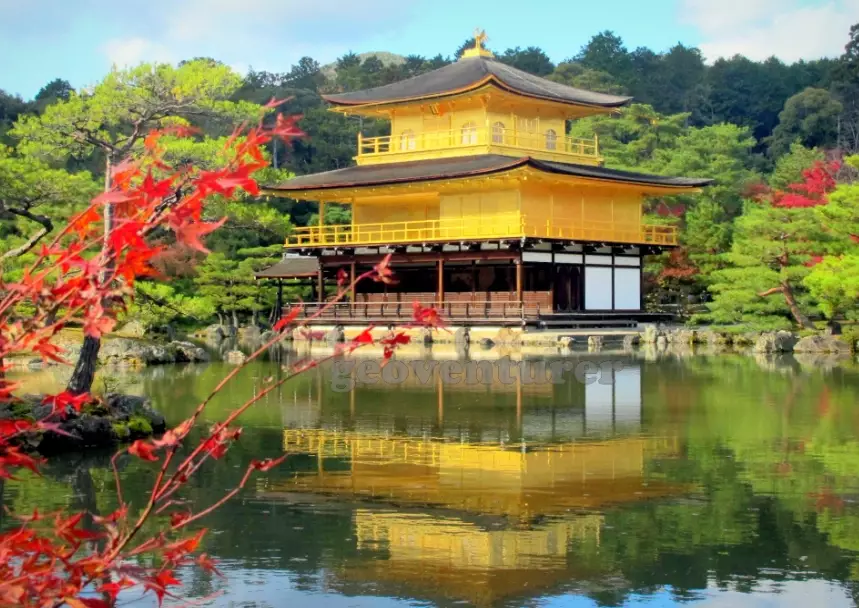
The Top 3: Ginkaku-ji – The Silver Pavilion
Often paired with Kinkaku-ji, Ginkaku-ji is its quieter, more introspective cousin. Its name means "Silver Pavilion," but guess what? It was never actually covered in silver. The story goes that the shogun Ashikaga Yoshimasa intended to cover it, but ran out of funds or time. I kind of love that—it's a temple defined by an unrealized ambition, which perfectly suits its aesthetic.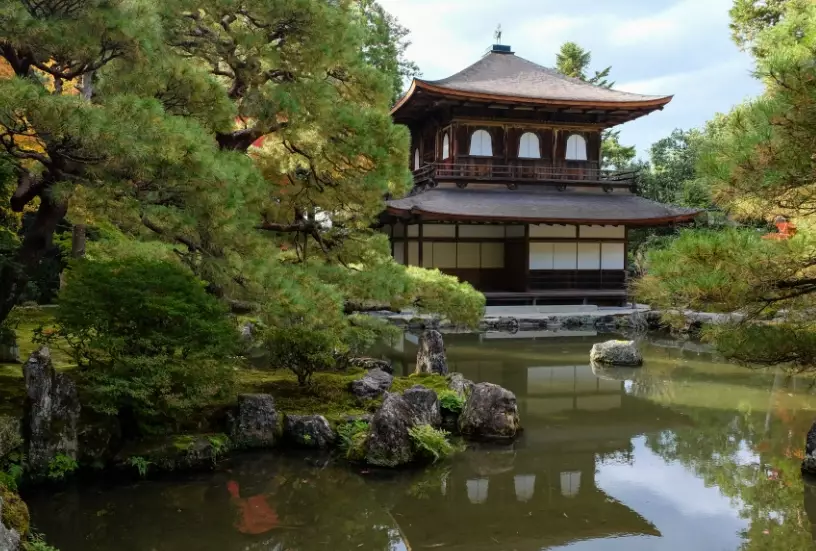
The Beauty of Wabi-Sabi
If Kinkaku-ji is about dazzling beauty, Ginkaku-ji is about subtle, understated elegance—the core of *wabi-sabi*. The two-story pavilion has a quiet, weathered grace. The real star here is the garden. The famous "Sea of Silver Sand" (*Ginshadan*), a meticulously raked cone of sand symbolizing Mount Fuji, and the "Moon Viewing Platform" are landscapes meant for contemplation.
The moss garden and the stroll path up the hillside behind the pavilion offer serene views. From the top, you look down on the simple wooden structure and the perfect sand garden, framed by trees. It's a completely different vibe from the golden spectacle.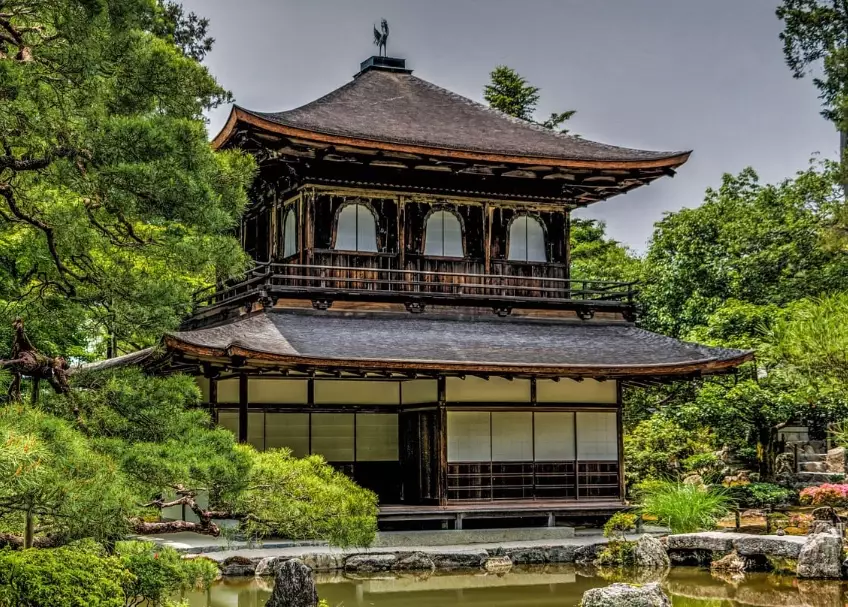
Ginkaku-ji Practicals:
The Philosopher's Path: Ginkaku-ji is at the north end of the famous Tetsugaku-no-Michi (Philosopher's Path), a lovely stone path along a canal lined with hundreds of cherry trees. It's a perfect way to arrive or depart, especially in cherry blossom season.
Manicured Perfection: The sand garden is raked fresh every day. Seeing the crisp lines is a treat. It feels incredibly maintained and purposeful.
The Top 4: Ryoan-ji – The King of Rock Gardens
This is where you go to have a quiet existential moment. Ryoan-ji is world-famous for its karesansui (dry landscape) rock garden. It's the ultimate Zen puzzle.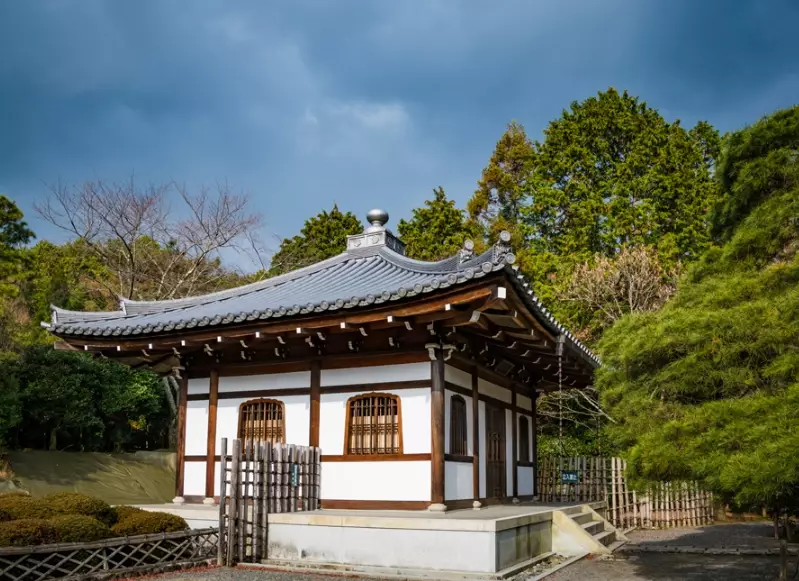
The Garden That Asks Questions
Fifteen rocks of varying sizes are arranged on a bed of white gravel, which is raked daily in straight lines. The rectangle of gravel is surrounded by a low clay wall, stained with age. That's it. No trees, no water, no flowers. From the viewing veranda, you can only ever see 14 of the 15 rocks at once, no matter your angle. The design forces perspective and introspection.
What does it mean? Is it islands in a sea? Tigers crossing a river? Abstract concepts? Nobody knows for sure, and that's the point. You sit, you stare, you let your mind wander or go blank. It's an active meditation. Some people sit for five minutes, some for an hour.
More Than Just Rocks
Don't rush off after the rock garden. The rest of the temple grounds are lovely, with a large pond garden (Kyoyochi Pond) perfect for a stroll. The contrast between the intensely abstract rock garden and the lush, "natural" pond garden is a key part of the experience.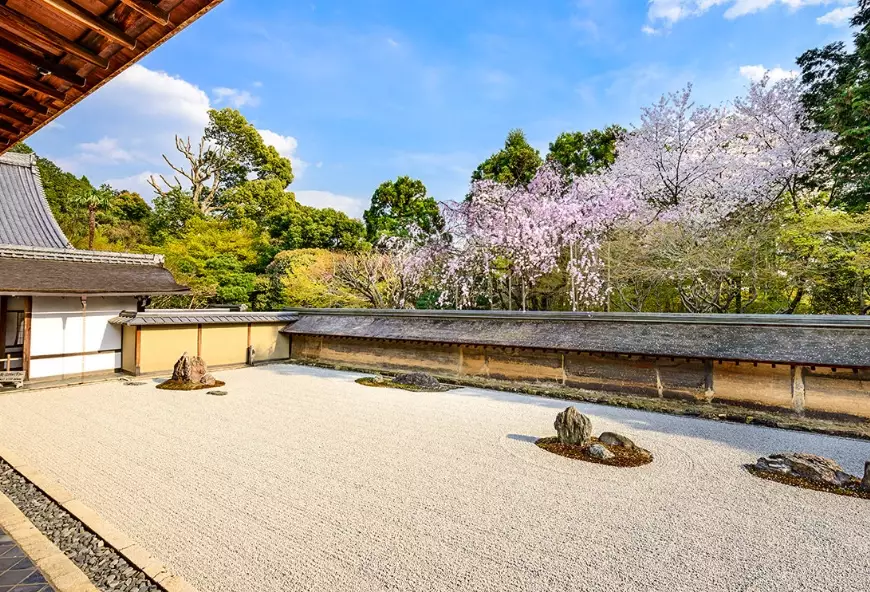
I'll be honest, my first time at Ryoan-ji, I was a bit frustrated. "It's just rocks!" I thought. I sat for ten minutes, feeling nothing. On a later, quieter visit, it clicked. The simplicity became immense. It's not for everyone, but if it connects with you, it's powerful.
The Top 5: Nanzen-ji – The Powerful & Picturesque
Nanzen-ji feels different. It's grand, imposing, and has a fascinating layered history. It started as an imperial villa before being converted into a Zen temple in the late 13th century. As the head temple of one of the schools of Rinzai Zen, it exudes an air of importance.
Scale and Surprises
The massive Sanmon gate is the first thing that hits you. You can climb up inside it for a small fee and get a great view over the temple roofs and the city. The main hall (Hatto) is impressive, but for me, the magic is in the subtler spaces.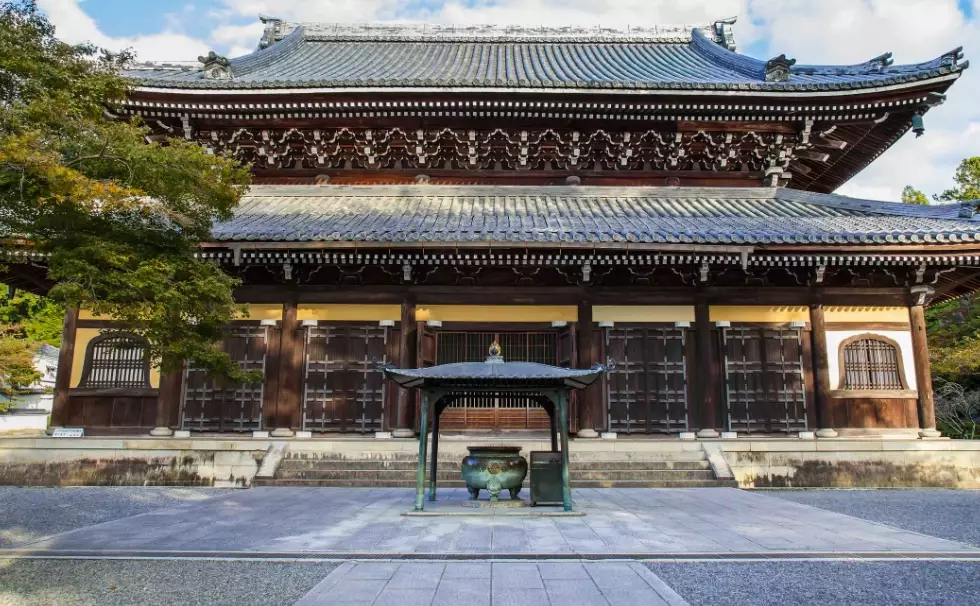
The Hojo (Abbot's Quarters) has two incredible rock gardens. One, named "Leaping Tiger Garden," is a dynamic masterpiece using rocks and moss to create a sense of motion. But the real, quirky highlight?
The Suirokaku, a large red-brick aqueduct that runs right through the temple grounds. It was built in the Meiji period as part of a canal system to bring water and goods between Kyoto and Lake Biwa. It looks completely out of place—a piece of European-style industrial architecture in the middle of a Zen complex—and yet, it works. It's a beautiful, bizarre collision of eras that somehow feels perfectly Kyoto.
Nanzen-ji as a Hub:
Nanzen-ji's grounds are huge and act as a gateway to the forested paths of the Higashiyama mountains, including the famous "Path of Philosophy" which leads to Ginkaku-ji. You can easily spend half a day here, exploring the sub-temples (like the beautiful Tenjuan) and walking the trails. It feels less like a single attraction and more like a district.
Comparing the Five Great Temples of Kyoto
So, what are the five great temples in Kyoto? They're a diverse set. To help you decide which might resonate with you (or how to group them), here's a quick breakdown.
| Temple | Core Experience | Best For | Atmosphere | Nearby Combo |
|---|---|---|---|---|
| Kiyomizu-dera | Grand views, vibrant atmosphere, pilgrimage energy. | First-time visitors, photographers, those who love a lively scene. | Energetic, bustling, spectacular. | Explore Higashiyama district, Yasaka Shrine. |
| Kinkaku-ji | Awe-inspiring visual icon, perfect photo op. | Anyone wanting to see "the" famous sight. Short, impactful visit. | Awe-filled, crowded but managed. | Ryoan-ji is relatively close in northwest Kyoto. |
| Ginkaku-ji | Subtle beauty, refined gardens, contemplative stroll. | Garden lovers, those seeking a quieter, more aesthetic experience. | Calm, elegant, serene. | Start or end of the Philosopher's Path. |
| Ryoan-ji | Deep contemplation, Zen philosophy, iconic rock garden. | Thinkers, those interested in Zen, anyone needing a mental reset. | Quiet, minimalist, profound. | Often paired with Kinkaku-ji in itineraries. |
| Nanzen-ji | Historical grandeur, varied landscapes, architectural mix. | Explorers, history buffs, people who like to wander larger grounds. | Stately, spacious, layered. | Gate to the mountains, connects to Philosopher's Path. |
See? They each offer something distinct. Trying to see Kiyomizu-dera and Ryoan-ji back-to-back might give you cultural whiplash. It's better to group by vibe or location.
Practical Tips for Visiting the Five Great Temples
Okay, you know what they are. How do you actually do this?
Location & Grouping: These temples are not in one cluster. They're spread out.
- East Kyoto (Higashiyama): Kiyomizu-dera, Nanzen-ji, Ginkaku-ji. These can be loosely connected by walking (the Path of Philosophy links Nanzen-ji and Ginkaku-ji, but Kiyomizu is a bit farther south).
- Northwest Kyoto: Kinkaku-ji and Ryoan-ji. They are close enough to visit together in a morning or afternoon. A popular combo.
I'd recommend dedicating one day to the east group and a half-day to the northwest pair.
Timing is Key: Openings are usually between 8:00 AM and 9:00 AM. Be there at opening. The difference in crowd levels between 8:05 AM and 10:00 AM is staggering. For temples like Kiyomizu-dera or Kinkaku-ji, it's the difference between a peaceful experience and a shuffle-through.
Transport: Buses are your friend, but they get stuck in traffic. For the northwest group (Kinkaku-ji/Ryoan-ji), buses #101, #102, #204, or #205 from Kyoto Station are direct. For the east, city buses go to Higashiyama. Consider taxis for early morning sprints to beat the bus crowds, or use the subway (Tozai Line) for Nanzen-ji (nearest station: Keage).
Footwear: You will be taking your shoes on and off constantly to enter temple halls. Wear slip-ons or shoes with no complicated laces. And wear comfortable shoes—you'll be walking and standing on hard floors a lot.
Mind Your Manners: These are active religious sites. Speak quietly. Don't touch structures or gardens unless explicitly allowed (like the water at Kiyomizu). Photography is usually allowed in gardens but often prohibited inside buildings—look for signs.
Frequently Asked Questions About Kyoto's Great Temples
Is there an official list of the five great temples in Kyoto?
Not one that everyone agrees on today. Historically, the "Kyoto Gozan" was a ranking of Zen temples, but it included more than five and was tied to a specific period. The modern list of Kiyomizu, Kinkaku, Ginkaku, Ryoan, and Nanzen is a consensus built on their unparalleled fame, architectural significance, and representation of different aspects of Japanese temple culture. It's the answer most modern guidebooks and travel experts give.
Can I see all five in one day?
Technically possible? Maybe. Enjoyable or meaningful? Absolutely not. You'd be spending most of your day on buses and running from gate to gate. Each temple deserves at least an hour, some much more. The travel time between the east and northwest clusters is 40-60 minutes by bus, depending on traffic. I strongly recommend spreading them over at least two days.
Which one should I skip if I'm short on time?
This is brutal, like choosing a favorite child. It depends on you.
- Skip Ryoan-ji if abstract meditation isn't your thing.
- Skip Ginkaku-ji if you're only after the biggest "wow" factor and saw Kinkaku-ji.
- Skip Kinkaku-ji? Almost nobody does, but if you hate crowds and only want deep experiences, you might.
Personally, I think Kiyomizu-dera and Kinkaku-ji are the two most iconic. Nanzen-ji offers the most variety. You can't go wrong, but you can't see it all in a rush.
Are they all Zen temples?
Mostly, but not exclusively. Kinkaku-ji, Ginkaku-ji, Ryoan-ji, and Nanzen-ji are all Rinzai Zen temples. Kiyomizu-dera, however, is affiliated with the older Kita-Hosso sect of Buddhism, not Zen. This is why it feels so different—the architecture, the bustling pilgrimage vibe, the votive practices. It's a great example of how the "five great temples" list blends different Buddhist traditions to show Kyoto's breadth.
What about other famous temples like Fushimi Inari or Kokedera?
Great question! Fushimi Inari Taisha is a Shinto shrine, not a Buddhist temple, so it's in a different category (and is absolutely a must-see). Saiho-ji, the famous "Moss Temple" (Kokedera), requires advance reservation by postcard and has a steep fee, putting it in a special-access category. The five we've discussed are the most consistently accessible and broadly representative of Kyoto's mainstream temple heritage. For official information on Kyoto's many World Heritage sites, including several of these temples, you can refer to the Kyoto City official website.
Beyond the List: Making It Your Own
Ultimately, answering "What are the five great temples in Kyoto?" is just the start. The real magic happens when you connect with one of them. Maybe you'll be mesmerized by the gold of Kinkaku-ji, or maybe you'll find yourself sitting in silence at Ryoan-ji longer than you planned.
My advice? Pick two or three that genuinely interest you based on their vibe. Visit them slowly and early. Sit down. Don't just snap a photo and leave. Watch the light change on the Golden Pavilion. Listen to the sound of the gravel being raked at Ryoan-ji. Get lost on the paths behind Nanzen-ji.
And remember, Kyoto is full of secrets. Once you've seen the greats, wander down a side street. You might find your own personal favorite, a tiny temple with a garden just for you. That's the real treasure of Kyoto.


Share Your Thoughts