Let's get straight to the point. Japan is one of the most seismically active countries on the planet. It experiences around 1,500 noticeable tremors a year. The question "Is Japan safe for earthquakes?" isn't about avoiding them—that's impossible. It's about understanding the incredible systems in place that make living with and visiting Japan remarkably safe, and knowing what you need to do. The short answer is yes, Japan is exceptionally safe because of, not in spite of, its earthquake reality. But that safety is a shared responsibility between the nation's infrastructure and your own preparedness. I've lived here through a dozen sizable shakes, and that experience shapes everything below.
Quick Navigation: What You Need to Know
The Seismic Reality: How Often Do Earthquakes Happen?
Forget the scary headlines. Most earthquakes in Japan are minor. You might feel a slight wobble, see a lamp sway, and that's it. The Japan Meteorological Agency (JMA) is the global gold standard for seismic monitoring. They have a dense network of sensors, and their early warning system is a technological marvel. Seconds before strong shaking hits, alerts blast across TVs, radios, and millions of smartphones via apps like Yurekuru Call.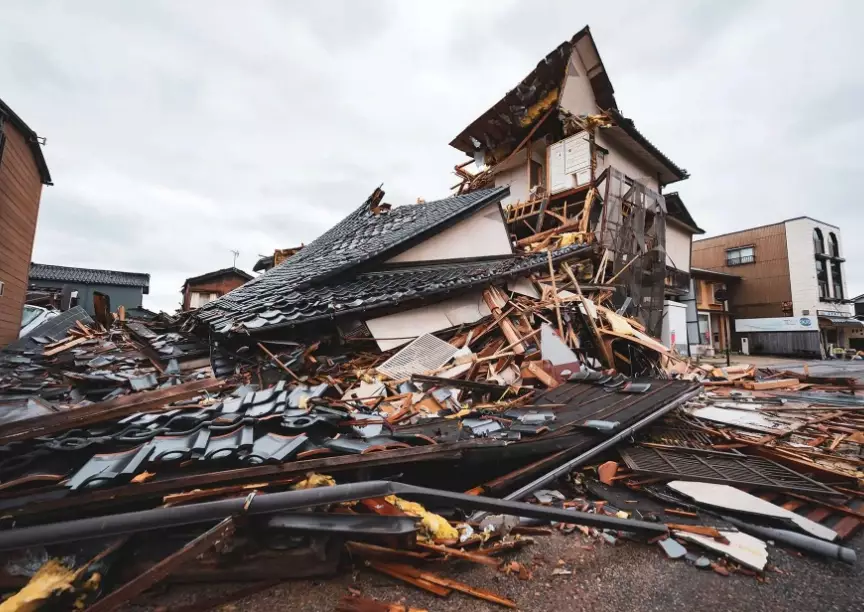
The system isn't perfect—sometimes it's a false alarm, sometimes the warning comes almost with the shaking for areas near the epicenter. But when it works, it gives you precious seconds to drop, cover, and hold on. It stops trains, halts surgeries, and triggers automated systems. This is the first layer of safety: information.
Key Insight: Don't panic when you get an alert. The alarm sound is jarring (a loud, repeating siren in Japanese). The screen will show a map and estimated intensity. Use those seconds. Get away from windows, get under a table if you can, and brace. If you're in a bathroom or hallway, protect your head.
How Safe Are Japanese Buildings During Earthquakes?
This is where Japan's safety truly shines. After the devastating 1995 Kobe earthquake, building codes were radically overhauled. Today's codes are among the strictest in the world. But there's a catch you rarely hear about: the old stock.
Buildings constructed post-1981 (after the "New Earthquake Resistant Design Code") are very robust. Those built after 2000 (with "Seismic Isolation" and "Damping" technologies) are even better—they're designed to flex and absorb energy like a shock absorber. You can sometimes feel the difference; in a modern high-rise, a quake might feel like a long, slow sway rather than a violent jerk.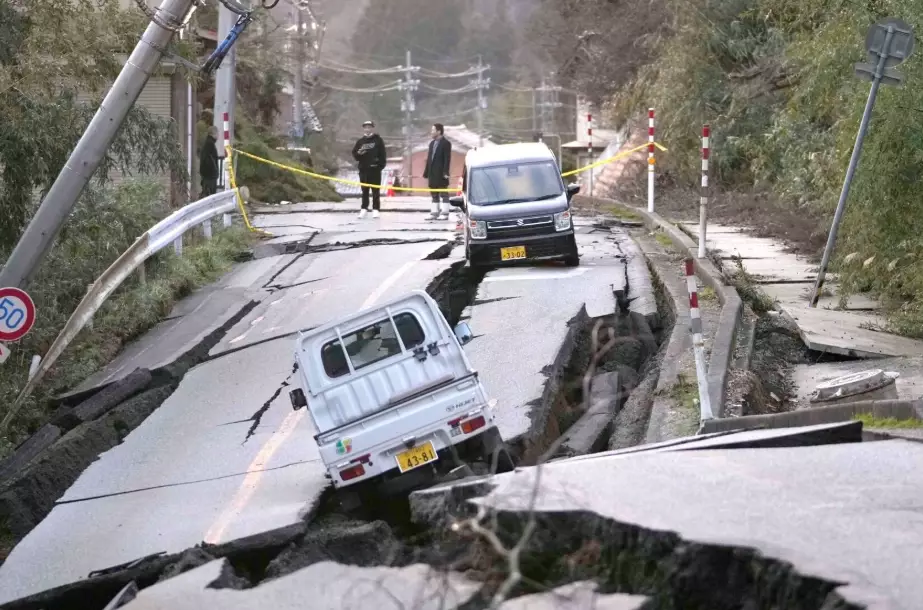
| Building Era | Key Safety Feature | What to Know as a Resident/Renter |
|---|---|---|
| Pre-1981 | Older codes, less ductile concrete. | Ask for a Taishin Kentei (seismic inspection certificate). Many have been retrofitted. Be extra cautious. |
| 1981-2000 | "New Earthquake Resistant" standards. Strong column, weak beam design. | The vast majority of the housing stock. Generally very safe for major quakes. |
| Post-2000 | Advanced tech like base isolation (rubber bearings under the building) and dampers. | Highest level of safety. Often found in large condos, public buildings, and new offices. |
For travelers, your hotel is almost certainly built to modern standards. Look for a disaster guidance pamphlet in your room—it's usually in the drawer with the Bible. It shows emergency exits and assembly points.
A Subtle Mistake Everyone Makes: People assume "Japan = all buildings are safe." They're not. That charming, wooden ryokan (traditional inn) in an old neighborhood, or a cheap, thin-walled apartment from the 70s, poses a different risk. They might not collapse, but non-structural damage—falling roof tiles, shattered glass, toppling furniture—is the real cause of most injuries. Your safety depends less on the building's frame and more on what's inside it and your own actions.
Your Personal Earthquake Safety Plan: A Step-by-Step Guide
National systems are great, but your safety is 80% your own preparation. Here’s what you actually need to do, stripped of bureaucracy.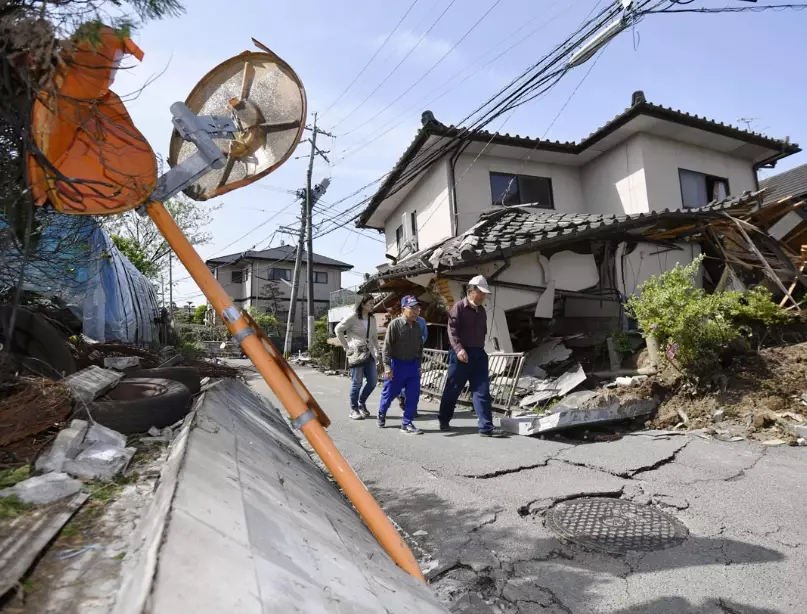
1. The 3-Day Emergency Kit: Beyond the Basic List
Yes, you need one. No, a bottle of water and a flashlight won't cut it. The official advice is to prepare for 3-7 days without help. In a big metro like Tokyo, stores will empty in hours. Your kit should be in a backpack by your door or under your bed.
- Water: 3 liters per person, per day. That's 9 liters minimum. Heavy, but crucial.
- Food: Calorie bars, canned food (with a pull-tab, not a can opener you'll lose), instant noodles. Rotate it every year when clocks change for daylight saving (or on your birthday).
- Light: A headlamp. Your hands need to be free.
- Cash: ATMs and credit card networks will fail. Keep at least ¥50,000 in small bills and coins.
- The Forgotten Item: Work gloves. Debris is sharp. Also, a plastic tarp and duct tape—you might need to make a temporary shelter or fix a broken window.
2. Securing Your Home: The 1-Hour Weekend Project
Go room by room. Ask: "What will fly, fall, or block my exit?"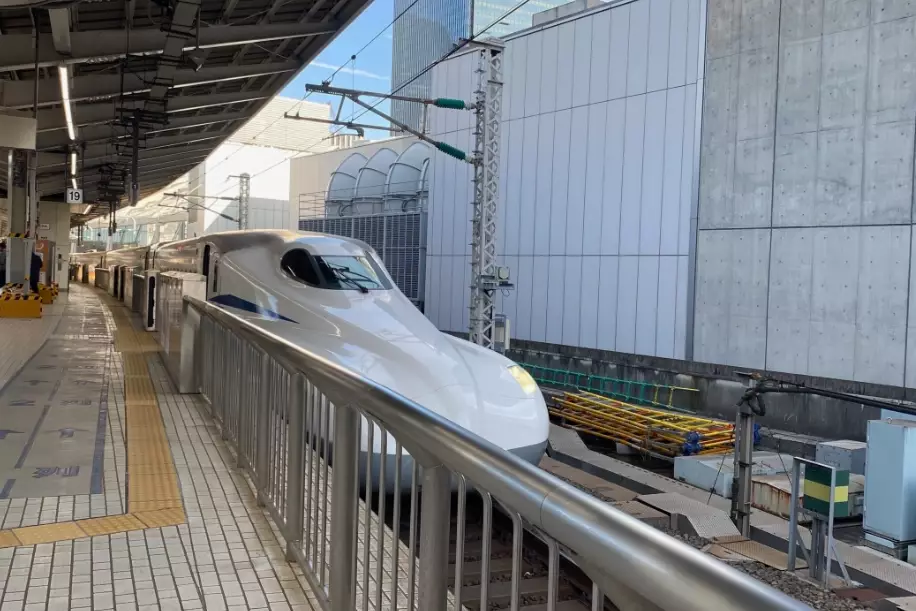
Bedroom: Is your bed under a window or a heavy shelf? Move it. Keep sturdy shoes and a flashlight within arm's reach of the bed. Glass on the floor is the most common injury.
Living Room: Secure tall bookcases and TVs to the wall with L-brackets or anti-toppling straps. You can buy these at any home center (Daiso has cheap ones).
Kitchen: Put child-safety latches on cupboard doors. They'll stop plates from avalanching out.
Pro Tip: Don't just think "earthquake." Think cascade. A quake can rupture gas lines, causing fires. It can break water mains. It can trigger landslides in hilly areas. Your local ward office (kuyakusho) has hazard maps (hazard map) showing flood, fire, and liquefaction risk zones. Go get one. It's free.
Earthquake Safety Tips for Travelers in Japan
You're on vacation. You can't prepare a home kit. Here’s your streamlined survival guide.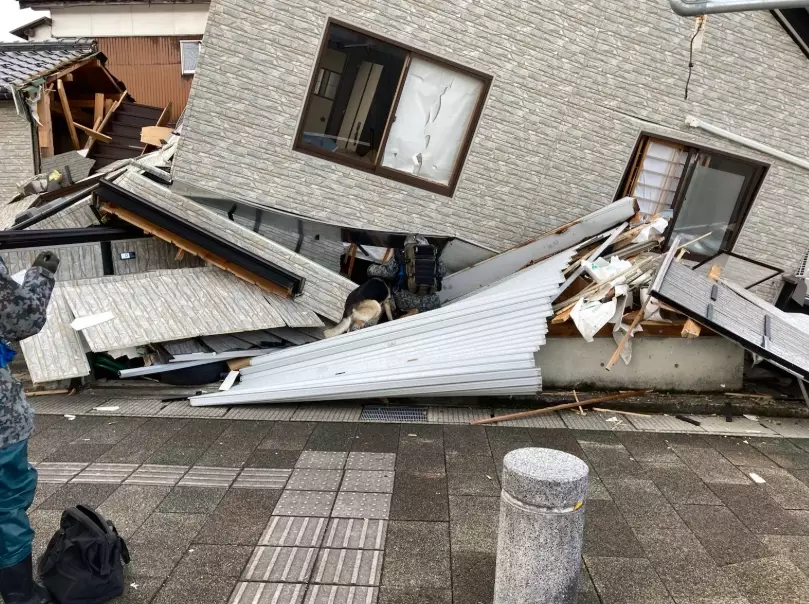
On Arrival: Locate the emergency exits in your hotel, not just the elevator. Count the doors to the stairwell. In a blackout, you'll be feeling your way out.
Your Phone is Your Lifeline: 1. Enable Emergency Alerts: On iPhone, go to Settings > Notifications. Scroll all the way to the bottom. Ensure "Emergency Alerts" are ON. On Android, it's usually in Settings > Safety & emergency > Wireless Emergency Alerts. 2. Download These Apps: Yurekuru Call (ゆれくるコール) is the most popular for quake alerts in English. Safety Tips app by the Japan Tourism Agency provides official disaster info and alerts. 3. Save Key Offline Maps: Download your area on Google Maps. Pin your embassy, your hotel, and a few large open spaces (parks, schools) which are designated evacuation areas.
If the Shaking Starts: Inside: Drop. Cover. Hold On. Get under a table. Protect your head and neck. Stay away from windows. Don't run outside—falling glass and signage is deadly. Outside: Move away from buildings, power lines, and streetlights. Use your bag to shield your head. In a Train/Subway: Hold onto a strap or rail. The train will likely brake automatically. Listen for announcements. In a Store/Department Store: Staff will direct you. They are drilled for this.
After the Major Shaking Stops: Check for injuries first. Expect aftershocks. Use stairs, not elevators. If you smell gas, get out. If you're near the coast and the quake was long and strong, move to high ground immediately—tsunami risk is real. Don't wait for an official warning.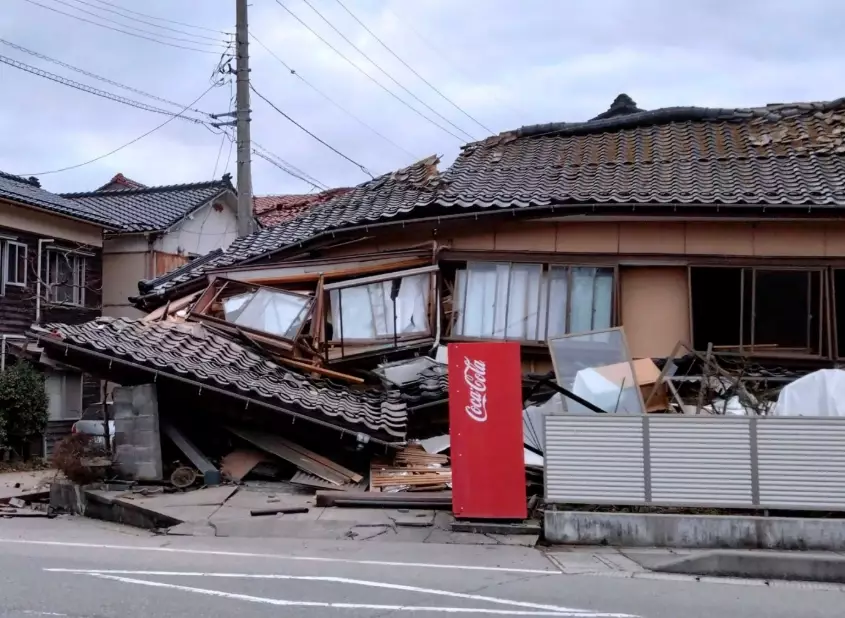
Your Earthquake Safety Questions, Answered
Should I cancel my trip to Japan if I see news about an earthquake prediction?
No. Japan doesn't have reliable short-term earthquake prediction. The news often discusses long-term probabilistic forecasts (e.g., "70% chance of a major quake in the Nankai Trough within 30 years"). These are not predictions for your two-week visit. The risk on any given day is extremely low. Canceling based on these forecasts is like canceling a trip to Florida because there's a hurricane season.
What's the one thing most tourists completely overlook about earthquake safety?
Footwear. I've seen people in hotels provided with flimsy slippers. After a quake, the floor will be covered with broken glass, plaster, and debris. The moment shaking stops, before you even stand up, put on a pair of sturdy shoes—your sneakers, your boots. Keep them right next to your bed. This simple act prevents the vast majority of post-quake injuries.
How do I find my way or get information if the power and cell networks go down?
This is where analog beats digital. Your hotel has a physical, paper-based emergency plan. Locate it. Major train stations and city wards have designated emergency gathering points (hinan basho or kōkū hiroba—open evacuation areas). These are often large parks or school grounds. They will have battery-powered megaphones and staff for information. If you're stranded, head to the nearest major station or city hall—they become de facto crisis centers.
Are some areas of Japan safer from earthquakes than others?
Yes, but it's a spectrum, not a binary. Generally, the Pacific coast (Tokyo, Osaka, Nagoya, Sendai) is more active due to the subduction of tectonic plates. The Sea of Japan coast sees fewer, but sometimes different types of quakes. Inland areas like Kyoto or the Japan Alps region have seismic activity but are less prone to the massive megathrust quakes. However, no part of Japan is immune. A better question is: which areas have the best preparedness? The major cities do, but rural towns may have older infrastructure.
I felt a small tremor and am now anxious. Is this normal?
Completely normal. Even long-term residents get a jolt of adrenaline. The key is to channel that anxiety into action. Did you feel prepared? If not, use that feeling as motivation to download the app, check your room for hazards, and talk to your hotel front desk about their procedures. Knowledge is the antidote to fear. Remember, Japan has built an entire society that functions smoothly alongside this reality. Your brief experience is a part of daily life here, managed through relentless preparation, not panic.
So, is Japan safe for earthquakes? The infrastructure, the technology, and the public awareness are a global benchmark. But the final component is you. Your safety isn't a passive state granted by Japan; it's an active partnership. Understand the alerts, secure your space, have a plan. Then, you can appreciate Japan not in fear, but with the confidence of someone who knows how to navigate its dynamic reality. The peace of mind that comes from being prepared is the best souvenir you can take home.


Share Your Thoughts